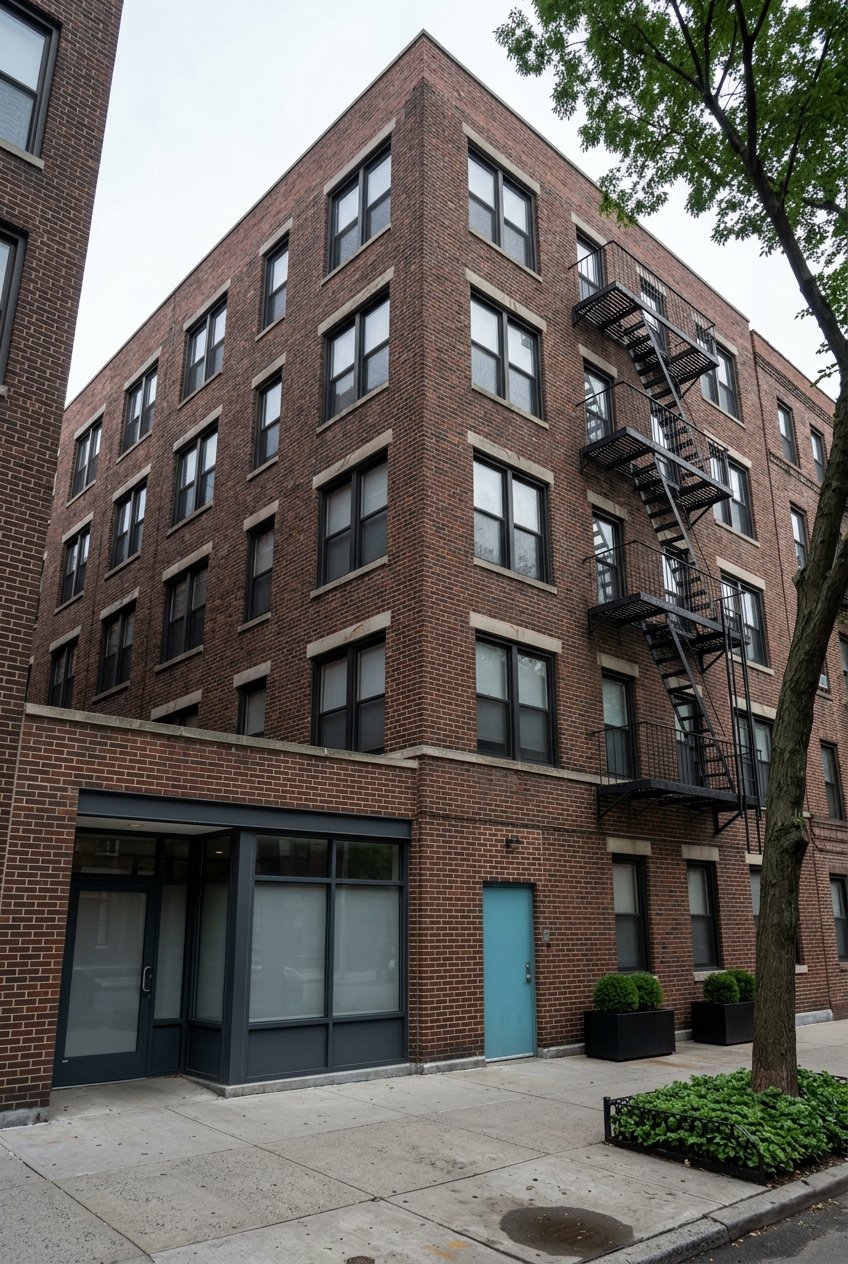
Thinking about selling a 349-unit NYC apartment portfolio and unsure how today’s market will price it? You are not alone. Mid-market portfolios sit at the intersection of institutional capital and local expertise, so small shifts in debt, regulation, and buyer appetite can swing values. In this guide, you will learn how portfolios like yours trade across the cycle, what drives buyer underwriting, and the steps to take now to protect value and speed execution. Let’s dive in.
The cycle in plain terms
What shifts with the cycle
Several levers move in every phase. Cap rates compress when investors accept less risk and expand when stress rises. Debt availability and cost change with interest rates, lender risk tolerance, and product channels. Buyer pools widen in liquid markets and narrow to capital-rich or opportunistic groups during downturns.
Net operating income is the foundation. Rent growth, occupancy, and expense inflation feed every underwriting model. In NYC, rent-regulation exposure is pivotal, and buyers weigh regulated and market-rate components differently. Regulatory and tax considerations add a risk premium when compliance is unclear.
Why NYC is different
NYC is uniquely sensitive to rent laws and compliance. Buyers model in-place stabilized income and a realistic path to market rents on turnover. Debt markets also matter more here because agency, bank, life company, CMBS, and bridge capital each behave differently through stress. Portfolio sales add scale efficiencies but narrow the buyer list, so timing and a curated marketing strategy carry outsized weight.
How 349-unit portfolios trade
Expansion phase
In an expansion, cap rates compress and buyers pay for clean operations, rent growth, and proven rent-roll strategies. The buyer pool is broad, including national institutions, funds, REITs, cross-border capital, and well-capitalized regional players. Lenders compete, offering higher leverage and longer-term fixed-rate options.
Deals are simpler to structure when liquidity is strong. Portfolio-level offers are common, and light earnouts or holdbacks may address deferred maintenance. Sellers can run wider marketing with multiple bid rounds and still execute quickly if the data room is prepared.
Peak to contraction
As rates rise or liquidity tightens, cap rates begin to expand and near-term NOI growth assumptions moderate. The buyer pool remains active but more selective, with institutions prioritizing predictable cash flow and lower regulatory exposure. Banks pull back on higher leverage, and spreads widen even on fixed options.
You will see tighter diligence and more contingencies. Bridge and mezzanine capital step in for value-add plays. Earnouts tied to stabilization milestones become more common as buyers balance risk and price.
Downturn and distress
In a downturn, cap rates widen materially and buyers price conservative NOI with higher return hurdles. The pool narrows to capital-rich groups, family offices, and opportunistic funds comfortable with complexity. All-cash or bridge-heavy structures rise when agency and life company financing contracts and CMBS slows.
Sellers may accept structured solutions to bridge valuation gaps. Seller financing, mortgage assumptions where feasible, or note sales can get deals done. Diligence runs deeper and longer, and some owners delay sales until liquidity improves.
Trough to early recovery
As the market stabilizes, cap rates settle and start to compress. Value-add buyers with strong balance sheets lead in, and agency programs often help reopen standardized, longer-term financing. Early movers who prepared during the trough can capture outsize interest.
Who buys and how they underwrite
Active buyer types
- Institutional and public REITs: focus on stabilized, predictable income and clean compliance records.
- Private equity and value-add funds: target operational upside or reposition plays with moderate leverage and defined hold periods.
- Regional owners and family offices: favor flexibility and local knowledge to improve operations.
- Opportunistic buyers: pursue discounts in stressed markets and handle complex debt or cash flow situations.
- Cross-border capital: views NYC as a hedge, with activity level influenced by currency and policy conditions.
Valuation inputs that move price
Buyers separate in-place stabilized income from pro forma upside. They normalize expenses to remove one-offs and adjust for management changes. Rent-regulation exposure drives detailed unit-level reviews, including DHCR registration histories and vacancy timelines. Concessions, collections, and vacancy get stress-tested, especially in volatile markets. Realistic capex and replacement reserves reflect NYC code and HPD enforcement expectations.
Comparable sales inform the range. Portfolio premiums or discounts depend on buyer demand and liquidity at the time of marketing. Clean, organized operating records tighten the bid spread and improve execution certainty.
Financing realities now and next
Lender landscape
A 349-unit portfolio can access several channels. Agency debt fits stabilized assets with standardized underwriting. Life companies offer long-term fixed options for strong sponsors. Regional and national banks provide fixed or floating loans but adjust appetite with regulatory pressure. CMBS can be competitive in stable markets yet retreats during stress and includes more rigid covenants. Bridge and private lenders fill transitional gaps, while mezzanine or preferred equity can increase leverage at higher cost.
What it means for your sale
Buyers price to the debt they can close on. When rates and spreads rise or leverage falls, offered prices drop unless more equity is deployed. Near-term mortgage maturities introduce refinancing risk that can thin the bidder pool. Conversely, existing long-term financing can support smoother trades. Pre-packaged financing commitments from buyers shorten closing timelines and reduce execution risk.
Timing, marketing, and process
Timeline at a glance
- Pre-marketing preparation: 3 to 9 months to scrub financials, assemble unit histories, clear violations, and align capital work with leasing outcomes.
- Marketing and bidding: 30 to 90 days in normal conditions, longer in tight credit environments. Targeted outreach with a focused buyer list often beats open auctions for portfolios.
- Diligence and closing: 60 to 120 days or more, given regulatory and rent history reviews, unit inspections, title, environmental, and legal audits.
Common friction points
Expect heavier scrutiny on HPD violations, rent-roll accuracy, and DHCR registrations. Inconsistent financial reporting, missing tenant files, open permits, or unresolved litigation can slow or derail a sale. Environmental findings and pending tax appeals also add time. Anticipating and resolving these issues before launch shortens diligence and supports stronger pricing.
Plan 24 months ahead
The pre-sale checklist
- Financial housekeeping: standardize GAAP-style reporting, remove one-time items, and prepare multi-year historicals with forward cash flow exhibits.
- Rent-roll remediation: reconcile unit-level histories, correct registrations, and document lawful rent changes with source files.
- Regulatory cleanup: resolve DHCR and HPD matters, close out violations, and organize compliance records.
- Capital planning: complete high-visibility projects and let rents stabilize before marketing to show realized NOI, not just plans.
- Legal and lease review: address open litigation or habitability claims and confirm all lease forms and riders are current.
- Tax and structure: evaluate entity setup, transfer tax implications, and potential 1031 exchange timing with advisors.
- Debt management: review maturities, prepayment, and assumption terms. Consider refinancing or extensions early to avoid forced sales in tight markets.
- Operational upgrades: quantify savings from utilities conversions or management changes and document occupancy strategies.
- Market positioning: assemble neighborhood comps, refine your target buyer list, and craft an offering narrative that highlights scale efficiencies and clean operations.
Strategy choices at exit
Block vs segmented sale
Selling as a single block maximizes scale but narrows the buyer pool. Segmenting into sub-portfolios can increase bidders and sometimes total proceeds, though you may give up some efficiency benefits. Transfer taxes, entity structure, and buyer demand by geography and asset profile should guide the approach.
Negotiation levers
You can influence price and certainty with transparency and preparation. A clean rent roll, resolved compliance, and documented capex lift buyer confidence. Pre-arranged debt capacity or assumable financing reduces uncertainty. Tighter data rooms and organized inspections encourage shorter diligence periods and more competitive final bids.
Risk themes to address
Expect buyers and lenders to focus on regulatory compliance, unit-mix concentration, mortgage maturities, deferred maintenance, and open legal issues. Macroeconomic conditions and rent trends will inform stress tests on concessions, vacancy, and collections. Proactive disclosure with evidence-based documentation is the best way to reduce haircuts.
What to do next
If you are considering a sale in the next 12 to 36 months, the most valuable work starts now. Clean the rent roll, close violations, finish capex that supports rent stabilization, and right-size debt to avoid timing pressure. Position your portfolio for more buyers and better financing.
A cycle-aware marketing plan aligned to the current debt landscape can compress execution risk and protect value. If you want a confidential assessment, a buyer map tailored to your unit mix and regulatory exposure, and a realistic timing plan, connect with the team at Exodus Capital.
FAQs
How rent stabilization affects valuation in NYC
- Buyers separate regulated from market components and model limited rent upside on stabilized units, which increases required returns and affects cap rates.
Best time to sell a 349-unit NYC portfolio
- The right time depends on liquidity, rent trends, policy outlook, and your debt maturities; preparation and flexibility often matter more than any specific date.
Whether to refinance before marketing a large portfolio
- A recent long-term loan or clear assumption terms can reduce refinancing risk and expand the buyer pool, but costs and prepayment should be weighed with advisors.
How buyers price refinancing risk in today’s market
- Buyers underwrite likely loan proceeds and rates at closing; tighter leverage or higher spreads push bids lower unless additional equity bridges the gap.
Selling part of a 349-unit portfolio instead of the whole
- Segmenting can widen the buyer pool and adapt to debt constraints, though you may give up some scale efficiencies; tax and transfer considerations apply.
How long a 349-unit NYC portfolio sale usually takes
- Expect 3 to 9 months of preparation, 30 to 90 days of marketing, and 60 to 120 days for diligence and closing, with more time if regulatory issues arise.