Deciding whether to market your 349 units in Westchester or the Bronx can feel like a coin flip. You want a clear path to the best net proceeds, with minimal friction and a predictable closing. This guide gives you a practical, market-specific framework you can use right now to compare buyer depth, valuation levers, operating costs, and diligence timelines. Let’s dive in.
The market context that sets price
The Bronx at a glance
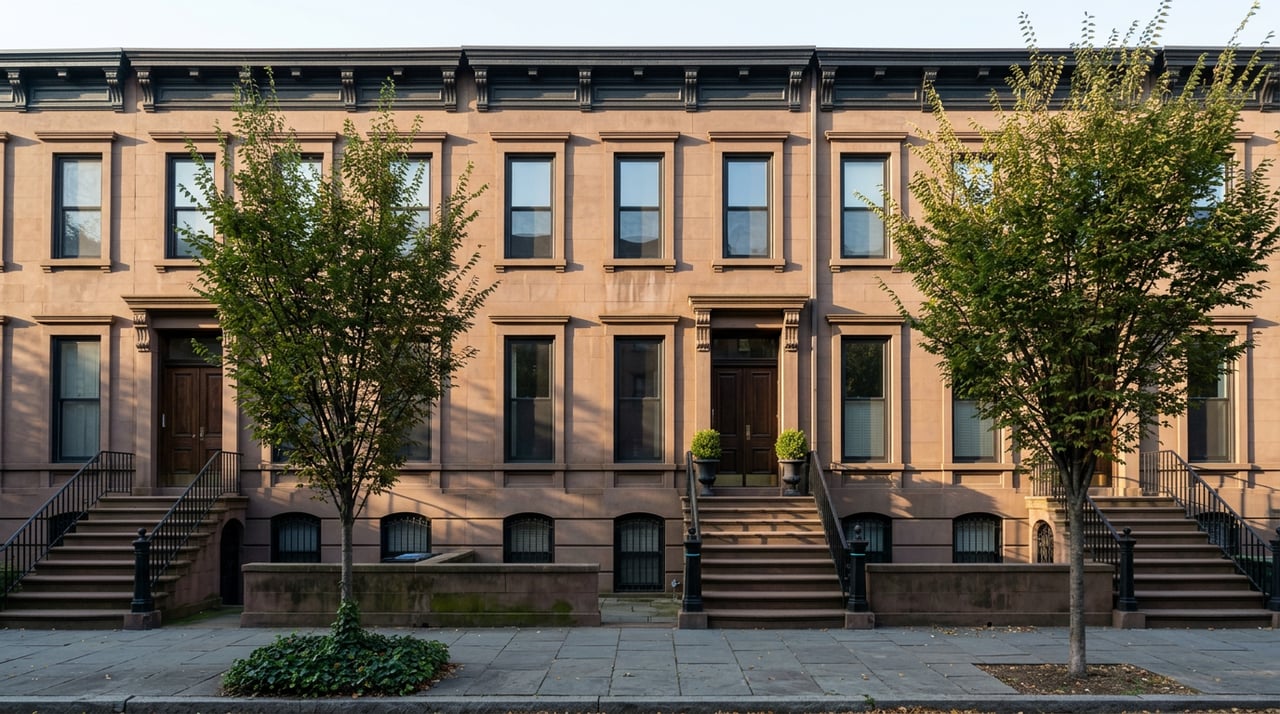
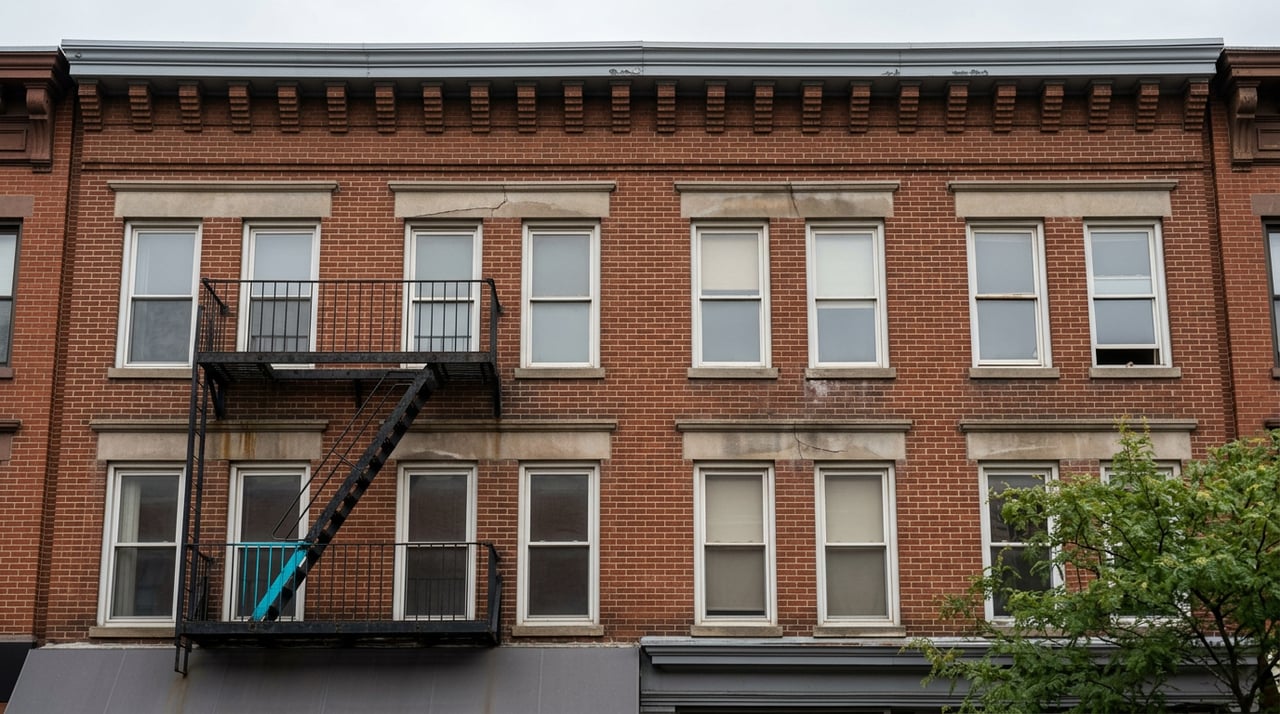
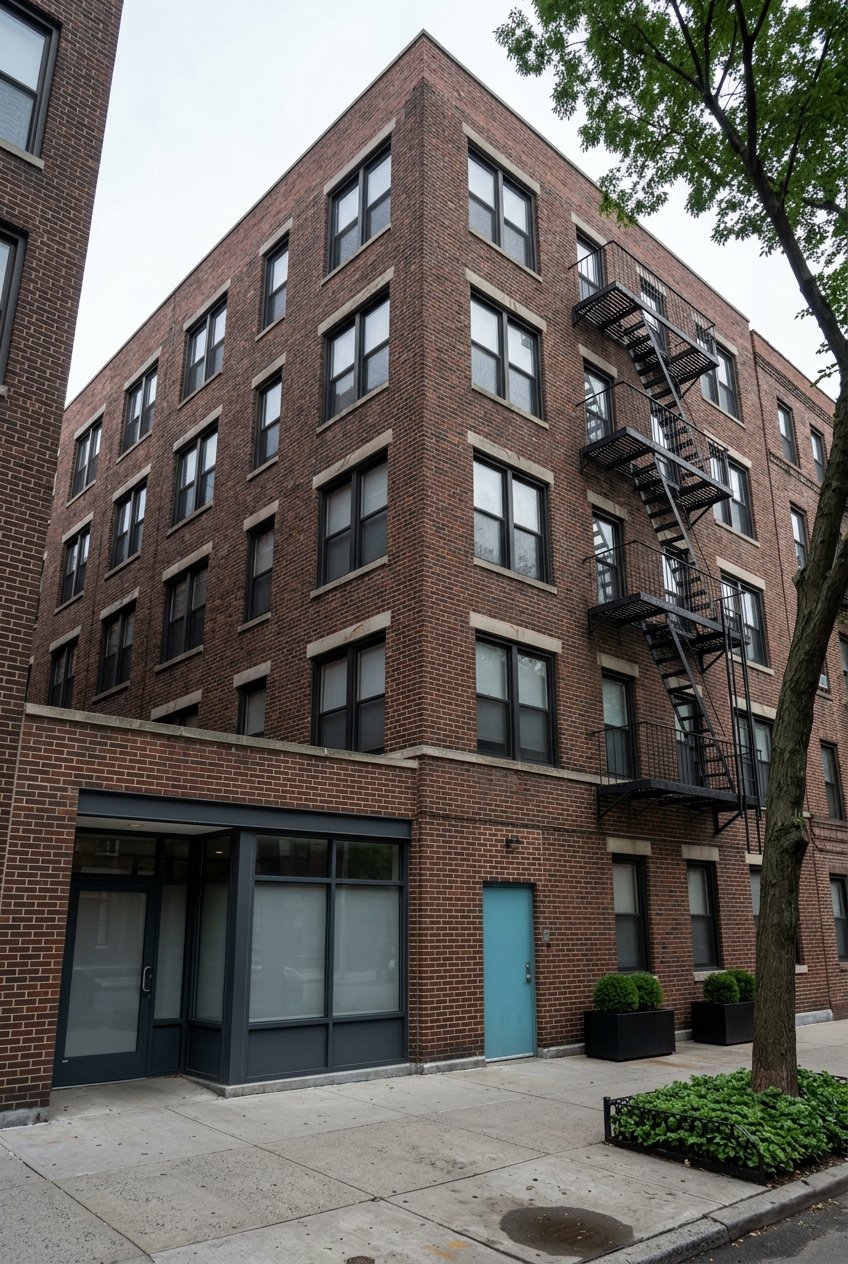
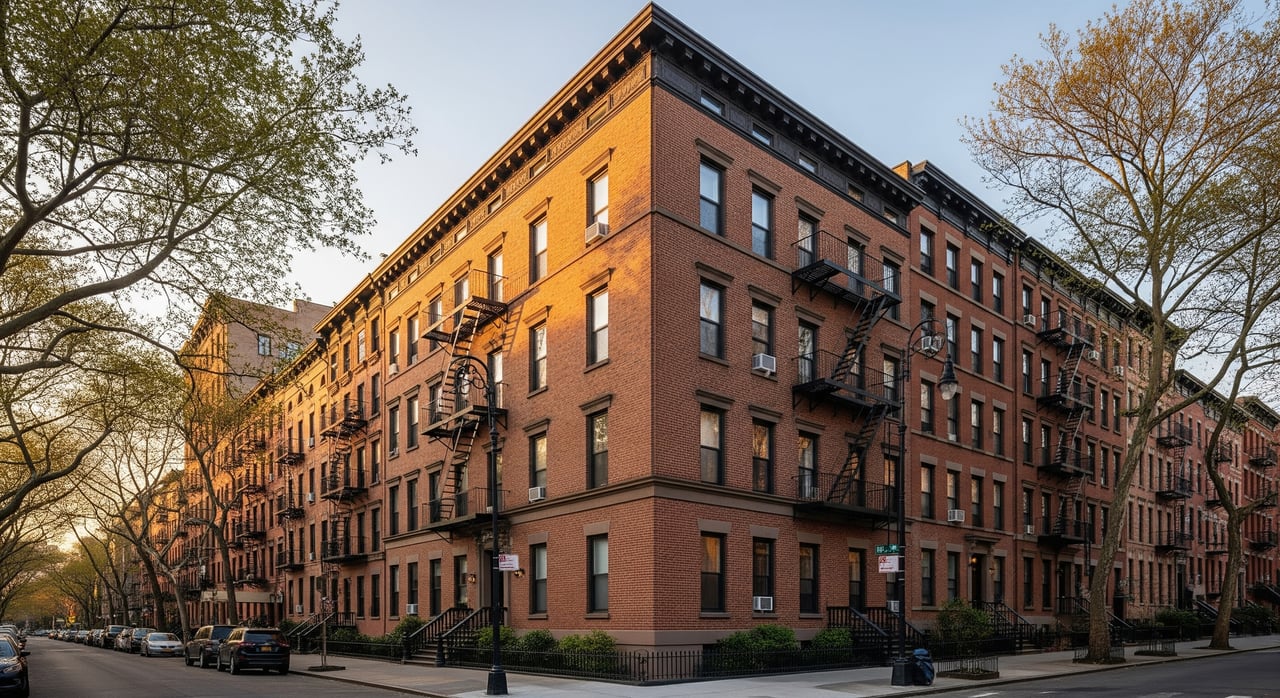
You benefit from deeper NYC investor demand, especially around subway corridors and job access. The typical buyer pool includes NYC-based operators, private equity groups, syndicates, and family offices that pursue value-add and stabilized multifamily. Product skews toward walk-ups and low to mid-rise buildings, with a higher share of rent-regulated units in older properties. Financing options are broad, though rent regulation often shapes underwriting and loan sizing.
Westchester at a glance
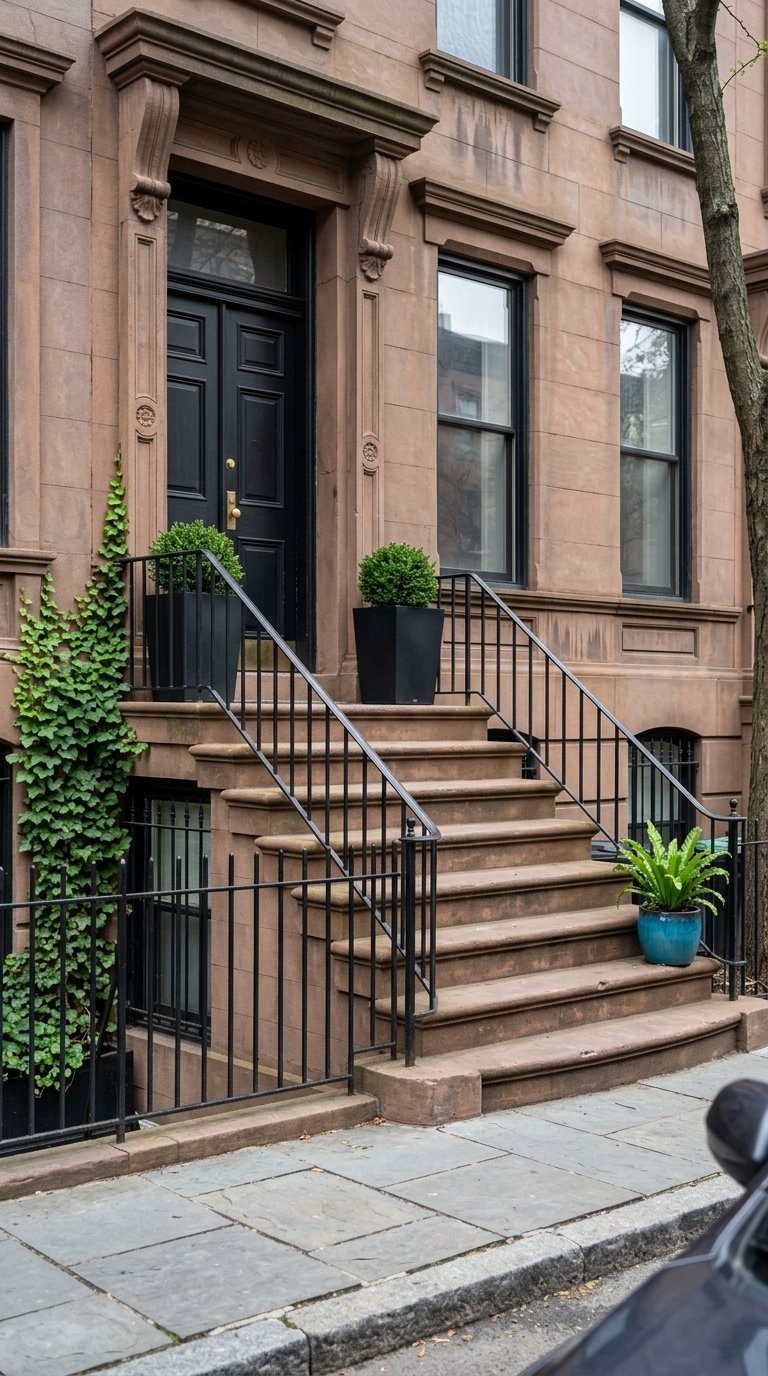
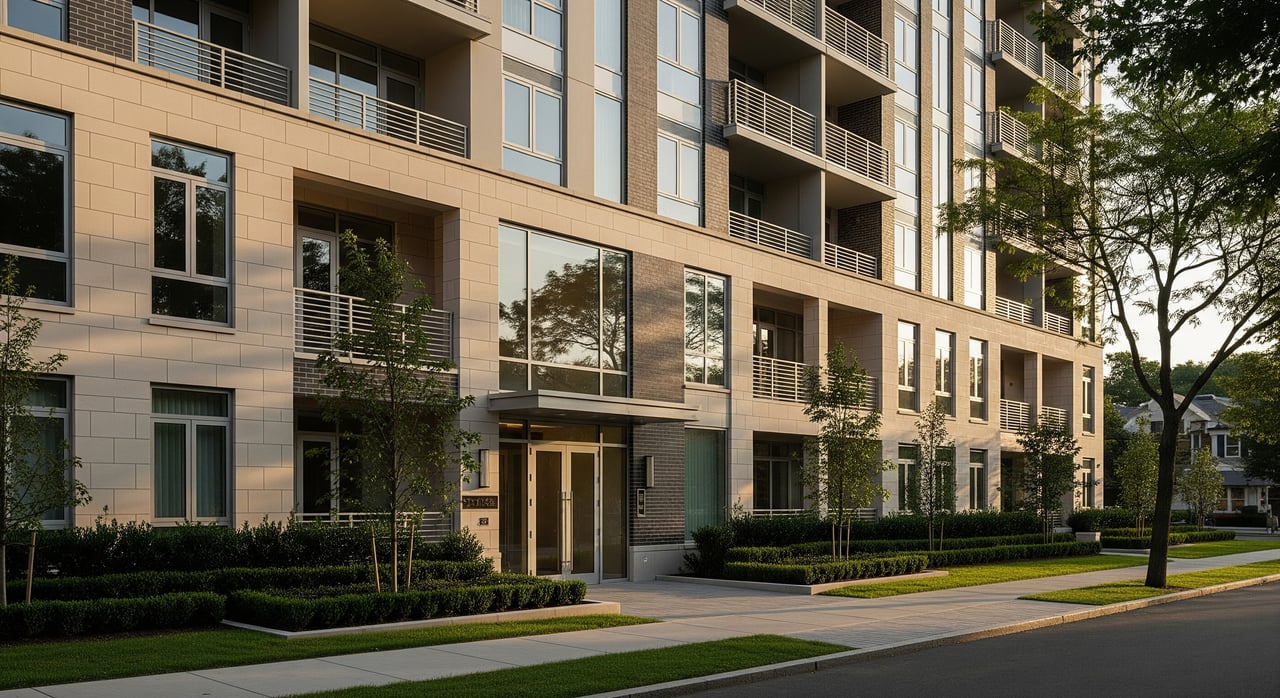
You see strong interest from regional institutional buyers, local owner-operators, and lenders that favor stable suburban cashflow. Product often includes garden apartments and small to mid-sized buildings with larger unit mixes geared to families, plus amenities like parking and green space. Demand varies widely by town and submarket, from commuter hubs to lower-demand suburbs. Financing is accessible through agencies and life companies for well-located, stabilized assets.
Cap rates and what actually moves value
Cap rates in both markets are highly submarket and product specific. In the Bronx, buyer competition can compress yields in transit-rich and improving areas. However, a high percentage of rent-regulated units can limit upside and narrow the pool of buyers willing to accept tighter cap rates.
In Westchester, yields reflect town-level fundamentals and unit mix. Assets in commuter-accessible areas with stable tenancy often command tighter spreads. Larger 2–3 bedroom unit mixes can trade at lower cap rates where buyers prize income stability and lower turnover.
Key valuation modifiers to model
- Regulatory exposure: unit-level rent regulation and tenant protections influence NOI growth and exit liquidity.
- Unit mix: a higher share of larger units can support lower cap rates due to tenancy stability.
- Transit access: proximity to rail and subway improves leasing velocity and exit appeal.
- Physical capital needs: roofs, boilers, façades, and system upgrades will be priced in via escrows or discounts.
- Scale and packaging: a 349-unit offering can attract institutional capital; segmenting can widen the buyer pool but may reduce the total price.
Expenses, taxes, and regulation you cannot ignore
Operating costs to watch
Utilities, building services, insurance, and payroll drive operating ratios in different ways by market. Many Bronx buildings run on NYC steam or natural gas, which can help with predictability. Older Westchester assets may use oil heat, which introduces more volatility.
Suburban properties often carry higher costs for landscaping, snow removal, and onsite staffing to support larger grounds. Insurance markets have tightened across the region, and floodplain exposure should be checked in both markets. Maintenance costs track regional labor but can rise for sites with more amenities.
Property taxes and incentives
Bronx properties are governed by NYC’s property tax classes and assessment practices. Effective tax rates can differ materially from suburban counties and will influence buyer underwriting. Local abatements exist in limited forms and interact with rent regulation.
In Westchester, taxes are levied at the town or city level and are often higher on a per-unit basis in higher-value municipalities. Some towns offer abatements or PILOTs for certain developments or rehabs. These programs vary and require municipal approvals.
Rent regulation and tenant law
In the Bronx, a large share of pre-1974 buildings fall under rent stabilization or control. State-level changes in 2019 tightened paths to rent increases and restricted decontrol. Buyers will heavily stress-test stabilized income and check unit-by-unit legal rent histories.
In Westchester, rent regulation is less prevalent overall but can apply in specific municipalities under state law. You should clearly document any regulated units and each unit’s legal rent history to protect value during diligence.
Diligence hurdles that affect timeline and price
Universal documentation you should prepare now
- Detailed rent roll with current rent, lease terms, concessions, and deposit balances
- T-12 income and expense statements, plus historical CAM reconciliations if applicable
- Utility bills for 12–36 months with payor structure for each service
- Capital expenditure records, warranties, and vendor contracts
- Service agreements for trash, pest control, security, and landscaping
- Current certificates of occupancy and the most recent inspection reports
- Insurance policies and claims history
- Environmental reports, at least a Phase I ESA if available
- Title reports, surveys, easements, debt documents, and UCC filings
- Tax bills, assessment appeals, and any abatement or PILOT records
Bronx-specific friction points
- Rent regulation verification: DHCR registrations and unit-level legal rent histories are essential. Buyers will reconcile the rent roll to official registrations.
- HPD and building violations: open violations, outstanding alteration filings, or code issues stall closings unless cured or escrowed.
- Tenant litigation: pending eviction or rent overcharge matters create uncertainty and may require reserves.
- Lead and asbestos compliance: provide notices and testing data where required.
Westchester-specific friction points
- Zoning and municipal approvals: confirm permitted uses, parking counts, and any variances or special permits.
- Sewer, water, and septic: verify public connections. If any building is on septic or private well, provide recent inspections and capacity certificates.
- Historic districts and local landmarks: disclose approvals for past alterations and any constraints on future work.
- Stormwater and floodplain: confirm FEMA flood status and local stormwater requirements.
- Local abatements and PILOTs: document terms and timelines to support buyer underwriting.
Environmental and site items for both markets
A portfolio-scale Phase I ESA helps you get ahead of lender questions. Properties adjacent to historic industrial uses may warrant targeted Phase II work. Flood zone certifications and any related insurance claims history should be compiled and disclosed.
Timing expectations and deal structure
How long will it take
Bronx deals often carry heavier verification and reconciliation, so diligence windows run 45 to 90 days for institutional buyers. Smaller buyers sometimes move faster but may sacrifice documentation depth. Open violations or tenant disputes can add weeks or months.
Westchester transactions may require more front-end work on zoning and utilities. If certificates of occupancy and tax records are clean, income verification can be faster. Agency execution for stabilized suburban assets can add time to loan commitments, often 60 to 120 days.
Marketing strategy for a 349-unit portfolio
- Whole-portfolio sale: attracts institutional buyers and life companies, which can support higher pricing per unit. Expect more rigorous diligence and a longer path to close.
- Segment by market: marketing Bronx and Westchester assets separately widens the buyer pool to specialized operators. It can shorten timelines but may reduce aggregate proceeds.
- Pre-marketing data room: compile registrations, violation histories, municipal approvals, and a consolidated T-12 before launch. Reducing friction upfront usually shortens diligence and supports stronger bids.
Pricing and underwriting guidance
Present a clear NOI normalization with adjustments for nonrecurring expenses and immediate capital needs. Evidence of unit-by-unit rent status is critical where regulation applies. Buyers will be conservative on rent growth, so anchor your proforma to achievable assumptions.
A simple decision framework for sellers
Inventory every unit. Tag legal rent status, lease start and end dates, unit type, heating fuel, certificates of occupancy, recent capex, and municipal identifiers.
Run two 3–5 year proformas. Build a Baseline case with conservative NOI and an Upside case with achievable rent increases where compliant with regulation. Apply consistent cap-rate bands for apples-to-apples comparison.
Model taxes and closing costs. Include property tax adjustments, transfer taxes for New York State and applicable local jurisdictions, legal fees, and potential rent-regulated transfer liabilities.
Budget for diligence and escrows. Estimate cure costs, reserves buyers will request, and timeline impacts. Subtract realistic escrows from headline pricing to see true proceeds.
Map likely buyers. Assign buyer classes by submarket. Institutional paths often yield higher prices with longer diligence. Private operators may close faster with more certainty of execution but at a discount.
Choose an exit sequence. Options include selling the entire portfolio to one buyer, splitting Bronx and Westchester, or disposing of problem assets first to de-risk the remainder.
Set trigger points. If Westchester delivers similar or higher net proceeds with fewer regulatory hurdles, lead there. If transit-connected Bronx assets attract competitive bids with compressed yields, prioritize those sales.
What this means for your 349 units
Your best outcome hinges on NOI sustainability, regulatory clarity, and clean diligence. Bronx submarkets near transit can draw deep buyer pools and stronger pricing, provided rent-regulated status is fully verified and violations are addressed. Westchester assets with stable tenancy, larger units, and clean municipal files appeal to regional institutional capital and agency lenders.
The smartest move is to run both scenarios with the same underwriting standards and then compare net proceeds after taxes, escrows, and timing. That apples-to-apples view often reveals a clear path: either lead with transit-adjacent Bronx assets where demand is deep, or anchor the sale on stabilized Westchester assets where execution risk and documentation friction are lower.
Ready to set your timeline
If you want to control outcomes, start assembling unit-level rent histories, municipal documents, and clean financials now. A prepared data room, right-sized buyer list, and realistic proforma give you leverage on price and terms. If you are weighing a whole-portfolio sale versus a segmented approach, a short, focused market test can validate which lane yields higher net proceeds.
When you are ready to discuss timing, buyer mapping, and the right packaging strategy for your 349 units, connect with Exodus Capital. Our team pairs institutional process with boutique speed so you can exit cleanly and confidently.
FAQs
How does buyer depth differ between Westchester and the Bronx
- The Bronx draws a broader NYC investor base focused on value-add and transit access, while Westchester attracts regional and institutional buyers seeking stable suburban cashflow.
What drives cap-rate differences between the two markets
- Cap rates reflect risk to NOI and exit liquidity. Transit-connected Bronx assets can trade tighter, while Westchester spreads vary by town and unit mix, often tighter where tenancy is stable.
Which operating expenses should I benchmark first for a 349-unit sale
- Start with utilities and heating fuel types, property services such as landscaping or snow removal, insurance, and payroll tied to site scale and amenities.
What rent-regulation documents do Bronx buyers expect
- Buyers expect unit-level legal rent histories and DHCR registrations, lease files, and reconciliation of the rent roll to official records, plus disclosure of any tenant litigation or overcharge claims.
What Westchester diligence items commonly slow deals
- Zoning and parking confirmations, proof of public sewer and water or septic capacity reports, floodplain status, and documentation for any abatements or PILOTs.
How should I decide between a whole-portfolio sale and a segmented strategy
- Compare net proceeds and execution risk. Whole-portfolio sales can lift price per unit with institutional capital but extend timelines. Segmenting widens the buyer pool and may speed execution at a modest pricing tradeoff.