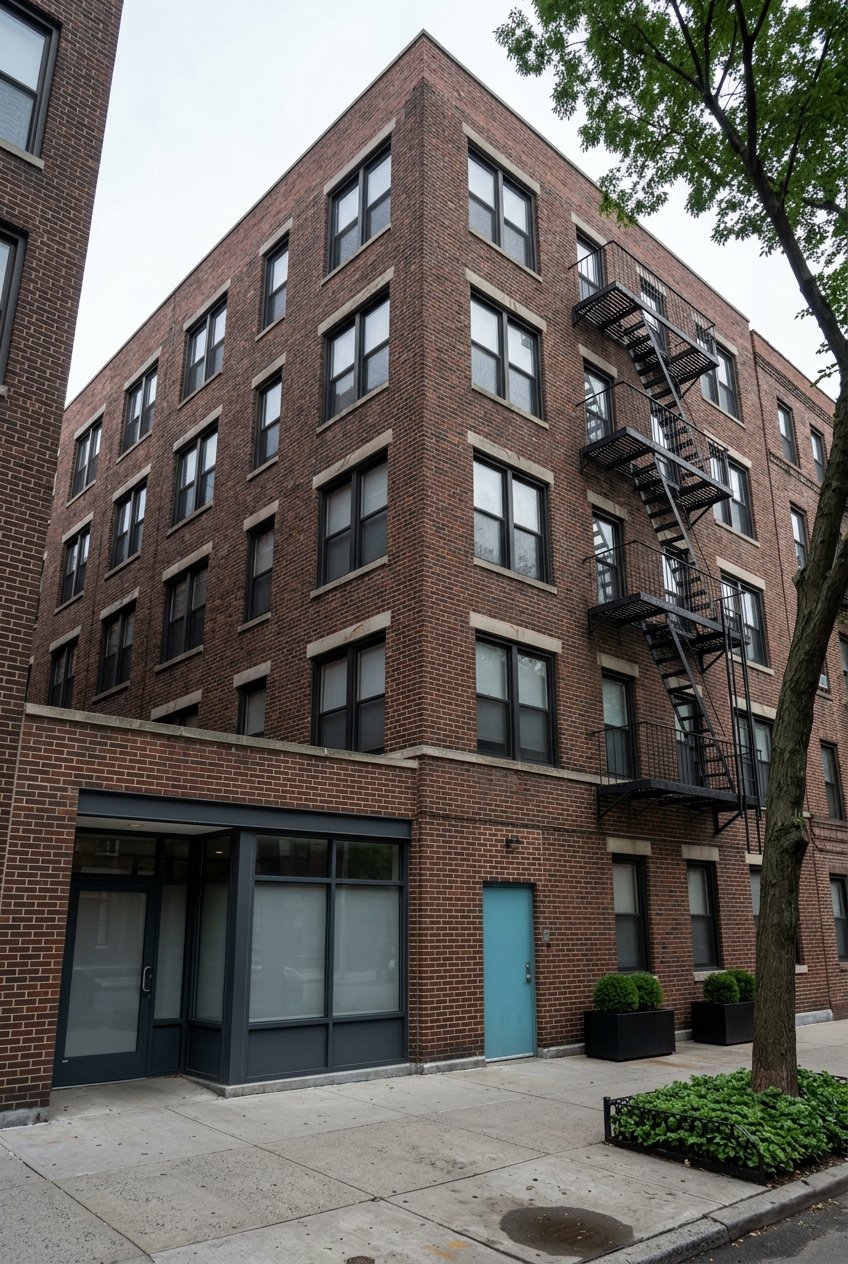
Selling a mid-market multifamily or mixed-use building in Brooklyn can feel like a high-stakes puzzle. You want the best price, a sure close, and minimal disruption to tenants. The big question is whether a quiet off-market sale or a full marketing campaign will get you there. In this guide, you’ll see how each path performs on price, speed, and certainty for assets like 632 President Street in the Carroll Gardens, Boerum Hill, and Gowanus corridor, plus a clear plan to choose and execute the right approach. Let’s dive in.
Off-market vs full marketing: what they mean
Off-market means you share an anonymized teaser and deal materials with a small, pre-vetted buyer list, often under NDA and through broker relationships. The process is discreet with limited public exposure.
Full marketing means a public campaign across commercial platforms and broker networks, a full offering memorandum, scheduled tours, and a bid deadline or auction-style process to create competition.
Who buys assets like yours
Buyer pools for Brooklyn and Manhattan fringe mid-market multifamily and mixed-use are often local or regional. Here’s how they typically look and how they source deals:
- Local private investors and small syndicates. They like broker relationships and respond well to targeted off-market outreach.
- Owner-operators. Often local, hands-on, and flexible on structure and timing.
- Regional and national private equity or institutional funds. They want a formal OM and a competitive, transparent process, which usually requires full marketing.
- 1031 exchange buyers. They need timing and certainty that broad marketing can provide.
- Foreign buyers. They usually engage through broker networks and clear, public materials.
- Opportunistic developers. They work both channels, but off-market can give them early access.
What usually sells better, and when
Price realization
- Full marketing typically maximizes exposure and buyer competition, which can push pricing when the asset has clear upside or appeals to a wide range of buyers.
- Off-market can reach market pricing when your broker targets the right operators and you already know qualified buyers. Fewer bidders may mean a modest price trade-off in exchange for other benefits.
Speed and certainty
- Off-market can move fast because you focus on qualified buyers and compress timelines. It works when you want a quick close or to reduce carrying costs.
- Full marketing takes longer. A 4 to 12 week exposure window is common before best-and-final. The extra time often increases the odds of achieving the best net price.
Discretion and tenant relations
- Off-market protects privacy, reduces tenant disruption, and avoids unnecessary attention around showings.
- Full marketing is visible. Public listings, tours, and signage can cause tenant questions or concerns.
Buyer quality and financing
- Off-market often brings local, flexible, or cash-heavy buyers who are comfortable moving quickly.
- Full marketing brings a wider mix, including institutional capital, lenders, and 1031 buyers, which can support higher valuations and more financing options.
Marketing costs
- Off-market keeps costs lighter, even though standard commissions still apply.
- Full marketing adds production costs for professional materials and advertising, which help create broad visibility.
Legal and compliance
- Off-market requires care to avoid exclusionary practices. Document your process and criteria and consult counsel as needed.
- Full marketing is more transparent and can be easier to defend from an equal-access perspective.
Decision framework for 632 President Street–type assets
Use these factors to choose the right path:
- Asset profile. Unit count, rent regulation, retail tenancy, condition, and unique attributes.
- Seller goals. Speed, discretion, price maximization, and certainty of close.
- Buyer financing. Will buyers need time to source debt, or is the likely buyer cash or private capital?
- Market cycle. Interest rates, underwriting standards, and buyer liquidity.
- Tenant and regulatory status. HPD or DOB issues, registration status, and open permits.
A hybrid that fits most mid-market sellers
A two-step strategy blends speed with price discovery:
- Run a short off-market window. Target 5 to 10 vetted buyers for 1 to 2 weeks with an anonymized teaser and NDA. Require proof of funds or a bank letter before deeper access.
- Pivot to full marketing if needed. Prepare a polished OM, schedule broker-led tours, set a bid deadline, and open the data room to qualified parties.
This approach protects discretion and time while preserving the ability to drive competition if early bids fall short.
Your marketing checklist
Pre-marketing due diligence
- Current rent roll with lease dates and deposits
- Two to three years of income and expense statements
- HPD, DOB, and ECB violations with correspondence
- Tax bills, assessments, and ACRIS records
- Certificate of occupancy and any surveys or site plans
- Title report and mortgage payoff statements
- Local Law compliance where applicable
- Photos, floor plans, and a basic capital needs scope
Materials by campaign type
- Off-market. One-page anonymized teaser, NDA, targeted buyer list, and a concise broker deck.
- Full marketing. Full OM with financials and rent roll, professional media, data room, marketing calendar, open tours, and a bid deadline.
Typical timelines
- Off-market outreach. About 1 to 3 weeks before best-and-final.
- Full marketing campaign. About 4 to 10 weeks of exposure, then diligence and financing to close.
- Hybrid. Two weeks off-market, then 6 to 8 weeks full market if needed.
Regulatory, financing, and tenant factors to weigh
- Rent regulation. Rent-stabilized units narrow the buyer pool and complicate underwriting. You may need either targeted specialists off-market or broad reach to find those buyers.
- Building and code status. Violations or open permits deter a broad audience. Experienced local buyers may transact if pricing reflects the work.
- Financing availability. When debt is tight or appraisals are uncertain, full marketing can help with comps and lender comfort. Cash or private capital often moves faster off-market.
- Environmental and capital needs. Deferred maintenance reduces appetite unless the OM clearly outlines the upside and costs.
Example road map for a seller near Carroll Gardens, Boerum Hill, and Gowanus
- Initial triage. Confirm unit count, rent regulation, retail lease details, violations, NOI, and your timing priorities.
- If you need discretion and speed. Launch a targeted off-market round to 8 to 12 known operators, require proof of funds or commitment letters, and limit tours to minimize tenant impact.
- If you seek top price and have time. Prepare an institutional-quality OM, schedule broker tours, and use a bid deadline to create competitive tension. This approach is effective when the property offers clear upside like vacancy to lease or operational improvements.
- Document everything. Keep records of outreach, NDAs, and criteria to support a fair and compliant process.
When to choose each path
Choose off-market if:
- The building is sub-30 units or uniquely appealing to local operators you already know.
- You want privacy due to sensitive tenancy or a high-profile owner.
- Speed matters more than squeezing every last dollar.
- Specialized buyers can handle quirks that might spook a broad audience.
Choose full marketing if:
- The asset has clear upside that benefits from competition.
- You want maximum price discovery and can carry the property during the campaign.
- Institutional or 1031 buyers are likely players who need formal materials and time.
- There is no requirement for anonymity.
Next steps
If you are evaluating a sale for a property like 632 President Street, start with a quick readiness check of your rent roll, financials, and regulatory status. From there, decide if a short, selective off-market round fits your goals or if a full campaign is the better path to price. A hybrid lets you test both without losing momentum. If you want a clear, cycle-aware plan and a disciplined process from teaser to closing, let’s talk.
Looking for a confidential strategy that fits your building and timeline? Discuss your exit strategy with Exodus Capital.
FAQs
What is an off-market sale for NYC multifamily?
- It is a discreet process where your broker shares an anonymized teaser and deal details under NDA with a small, qualified buyer list instead of listing publicly.
When does full marketing deliver better pricing?
- When the asset has clear upside and can attract a wide buyer pool, a public campaign with a bid deadline often creates competition that supports stronger price discovery.
How fast can an off-market deal close in Brooklyn?
- Timelines vary by diligence and financing, but a targeted process can move from outreach to best-and-final in 1 to 3 weeks, then proceed to contract and closing.
Will public marketing disrupt my tenants?
- Public campaigns increase visibility and tour traffic. Broker-led, limited tours and clear communication can help reduce disruption, but off-market provides more privacy.
What documents should I prepare before marketing?
- A current rent roll, two to three years of financials, violation reports, tax and title information, certificate of occupancy, and basic plans and photos support credibility with buyers.
Can I start off-market and switch to full marketing?
- Yes. A short, selective off-market phase followed by a public campaign is a common hybrid that preserves discretion while keeping the option to drive competition later.