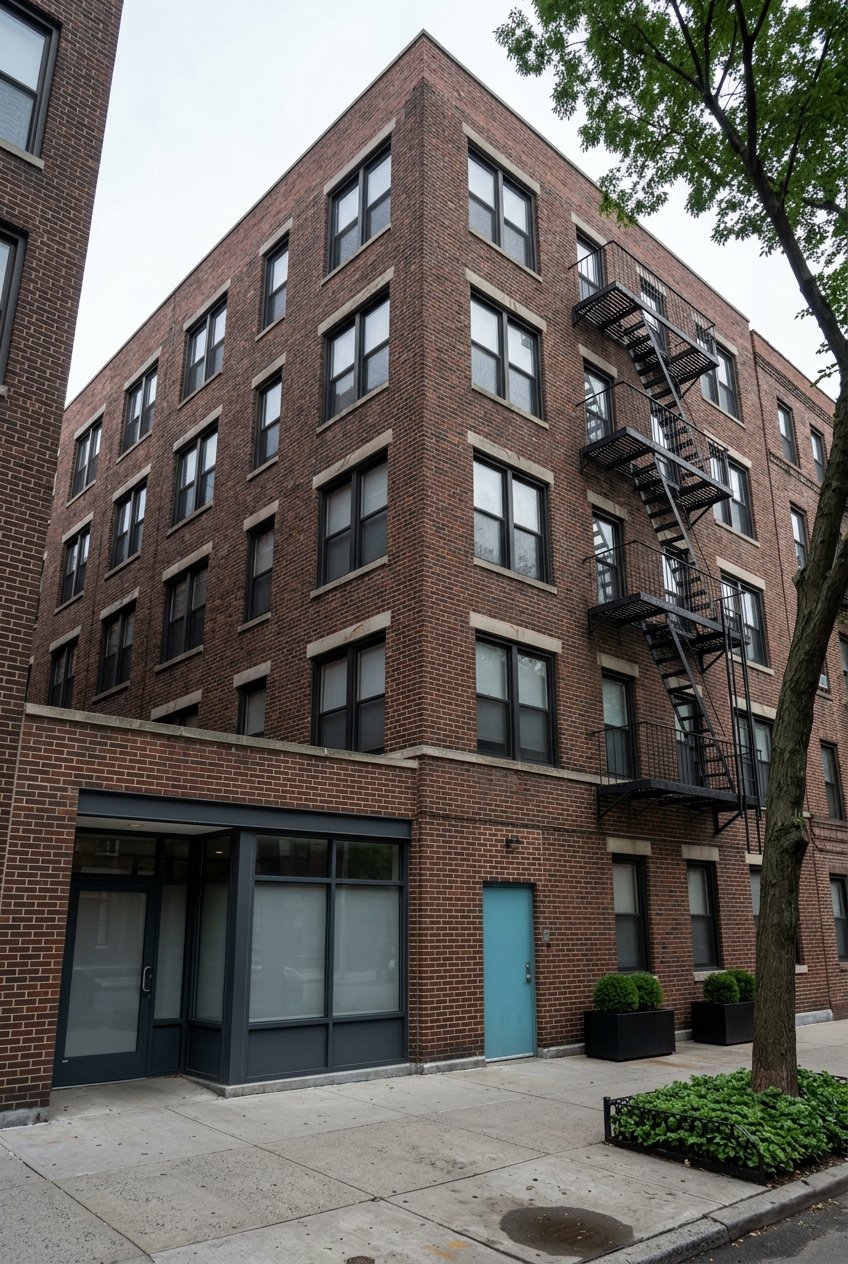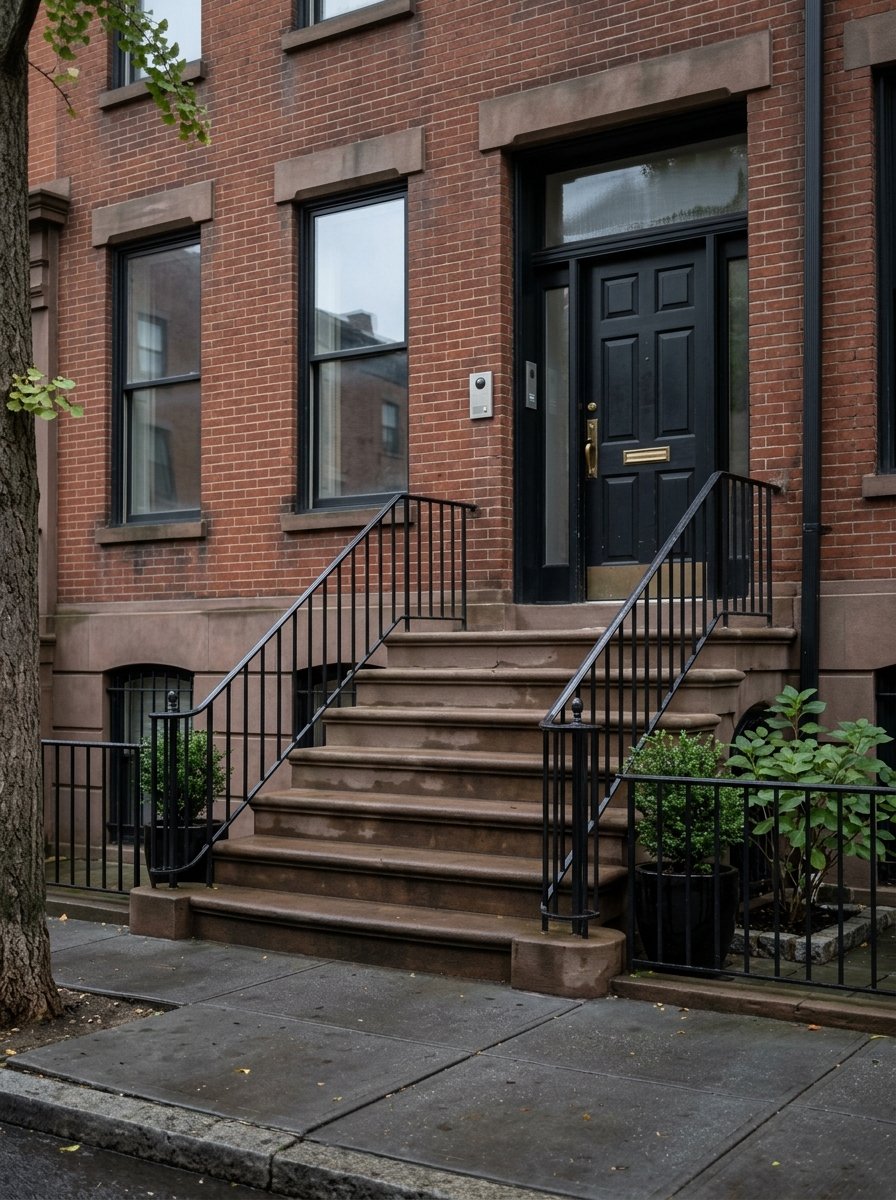
If you have inherited a Brooklyn walk-up, the biggest challenge is often not finding a buyer. It is figuring out who can sell, what the building is worth, and which legal and tax steps can delay the process. For a property like 632 President Street, you need a practical plan that treats the asset like the small multifamily building it is, not like a standard house. This guide walks you through the main decisions, documents, and timing issues so you can move forward with more clarity. Let’s dive in.
Start With the Right Property Lens
A building like 632 President Street should generally be viewed as a small New York City multifamily income property. Under NYC property classifications, class 2 covers primarily residential properties with more than three units, and sub-class 2A covers 4- to 6-unit rental buildings, with assessment rules that differ from class 1 properties like many one- to three-family homes, according to the NYC Department of Finance property assessment definitions.
That matters because your pricing, taxes, and holding-cost decisions should reflect the building’s income profile. In practical terms, buyers will look closely at the rent roll, occupancy, lease terms, physical condition, and deferred maintenance. Those same factors also affect valuation for estate and tax purposes.
Get Authority to Sell Confirmed Early
Before you talk seriously about timing or marketing, confirm who actually has legal authority to sign. In New York, that is usually the executor named in the will, or an administrator appointed by Surrogate’s Court if there is no will, as explained by the New York Courts probate overview.
This step is critical because the small-estate or voluntary-administration process cannot be used to sell or transfer real property. If probate or administration is still incomplete, listing too early can create avoidable delays once a buyer is ready to move.
IRS guidance also notes that a personal representative may sell estate assets during administration, but local law controls who legally owns the real property. That is why title authority should be confirmed before a listing goes live, as outlined in IRS Publication 559 guidance for survivors, executors, and administrators.
What to gather first
A clean file at the start can save weeks later. In most estate-sale situations, you will want to organize:
- Death certificate
- Original will, if there is one
- Probate or administration papers
- Current deed and title information
- Existing leases and rent records
- Operating expense records
- Any LLC or partnership documents tied to ownership
Know Why Date-of-Death Value Matters
For inherited real estate, tax basis generally starts with the fair market value on the decedent’s date of death, or the alternate valuation date if the executor elects it on Form 706, according to the IRS inheritance and basis guidance.
This is a major point for heirs. If the property later sells for more than that basis, the difference may create taxable gain. That means a solid date-of-death appraisal is not just a formality. It can directly affect how much tax is owed if and when the building is sold.
For a walk-up, valuation should be tied to the facts that actually drive market value. That includes:
- Rent roll
- Occupancy
- Lease terms
- Building condition
- Deferred maintenance
If the estate files Form 706, beneficiaries may also need a basis consistent with the estate-tax value reported to the IRS. That makes early coordination between valuation, estate administration, and sale planning especially important.
Watch for LLC and Family Ownership Issues
Some inherited properties are not owned directly by an individual. They may sit inside an LLC, partnership, trust, or another entity. If that is true for your family’s building, you need to review the ownership structure before making any move.
In New York City, the Real Property Transfer Tax can apply not only to deed transfers, but also to the sale or transfer of at least 50% of ownership in an entity that owns or leases property, according to the NYC RPTT rules. New York State also treats a 50% or greater controlling-interest transfer in an entity that owns real property as taxable.
That means a family buyout, recapitalization, or ownership reshuffle may trigger transfer-tax analysis even if no deed is recorded in the usual way. In some cases, a change in ownership form with no change in beneficial ownership can be nontaxable, but that should be reviewed carefully before anyone assumes it is exempt.
Why entity review matters
If a property is held in an LLC or partnership, you may need to evaluate:
- Whether ownership interests are changing
- Whether transfer-tax filings are required
- Whether enhanced LLC disclosure applies
- Whether the transaction should be structured differently
For buildings containing one- to four-family dwelling units, the city also requires enhanced LLC member documentation on transfer filings, with natural-person ownership disclosure where applicable under the NYC transfer-tax filing requirements.
Understand the Estate Tax and Lien Timeline
Estate tax and transfer tax are separate issues, and both can affect your timeline. For 2026, the federal basic exclusion amount is $15,000,000, while New York State’s basic exclusion amount for dates of death in 2026 is $7,350,000, based on the IRS 2026 inflation adjustment release.
New York requires an estate tax return if a resident decedent’s federal gross estate plus includible gifts exceeds that threshold. It also requires Form ET-706 and a copy of federal Form 706 within nine months of death when applicable, even if no federal filing would otherwise be required.
Just as important, New York places an estate tax lien on the decedent’s real property as of the date of death. To transfer real property from the estate, the state requires a release of lien, and the Department of Taxation and Finance specifically says not to schedule closing until the stamped release is received, according to the New York estate tax lien release guidance.
Timing to expect
The state says release-of-lien processing averages three to four weeks, and mailing adds another seven to ten business days. If the application is incomplete, delays can stretch longer.
This is why heirs often run into problems when they focus only on price and ignore administration. In many estate sales, the biggest risk is not the market. It is the paperwork path to a clean closing.
Plan for Transfer Taxes at Sale
Many heirs assume inheritance itself triggers transfer tax. In New York, a conveyance by devise, bequest, or inheritance is not itself a taxable conveyance. But an actual sale is, according to the New York State real estate transfer tax rules.
For New York City properties, RPTT generally applies to sales and transfers over $25,000, with filing done through ACRIS. The city return is generally due within 30 days after the transfer, while the TP-584-NYC instructions state that the state and city transfer forms and any tax due are due no later than the 15th day after delivery of the deed or similar document, as noted in the TP-584-NYC instructions.
For a typical 4-unit rental walk-up, the property usually falls into NYC’s all-other-transfers category rather than the 1- to 3-family residential rate category. NYC RPTT rates for all other transfers are 1.425% or 2.625%, depending on price, under the NYC RPTT rate schedule. New York State also imposes a base transfer tax of $2 per $500 of consideration, plus other taxes that may apply depending on the transaction.
If heirs live outside New York
If the seller is a nonresident individual, estate, or trust, estimated tax rules may come into play. The TP-584-NYC instructions note that nonresident individuals, estates, and trusts may need Form IT-2663 to compute and pay estimated personal income tax on gain from the sale of certain real property.
If multiple heirs are involved and some live outside New York, this should be addressed early. It is much easier to plan for these filings than to solve for them under contract.
Compare Holding Versus Selling Carefully
Some families are not ready to sell right away. That can be a valid option, but it should be measured against real carrying costs and administrative complexity.
If you hold the property, NYC class 2 tax rules still apply. For class 2A, 2B, and 2C properties, assessment caps differ from class 1 properties, which is another reason a 4-unit inherited walk-up should be analyzed as an income-producing asset rather than a sentimental placeholder, based on the NYC assessment rules.
A practical hold-versus-sell review should include:
- Property taxes under class 2 rules
- Current rent roll and vacancy profile
- Near-term repair needs
- Deferred maintenance costs
- Estate administration timing
- Potential tax impact at sale
Often, the right answer comes down to whether the building’s income and condition support a hold strategy after all costs are considered.
Use a Practical Estate-Sale Checklist
When you inherit a NYC walk-up, the best next move is usually a sequence, not a rush. A coordinated process helps reduce title issues, tax surprises, and contract delays.
Here is a practical checklist based on the issues above:
- Confirm who has legal authority to sign.
- Gather the death certificate, will, and probate papers.
- Order a date-of-death appraisal.
- Review current leases, rent roll, and building condition.
- Check whether the property is owned directly or through an LLC or partnership.
- Map out estate-tax filing requirements and lien-release timing.
- Review likely transfer-tax obligations on sale.
- Coordinate listing and closing timing only after the legal and tax path is clear.
That sequence can protect both value and timing. It also helps you avoid launching the sale before the estate is structurally ready to close.
Why Early Coordination Pays Off
Inheriting a small Brooklyn walk-up can feel overwhelming because the issues overlap. Probate, valuation, title, tax filings, lien release, and marketing all affect one another. If one piece is missed, the entire transaction can slow down.
A coordinated, seller-focused process gives you a better shot at a clean outcome. It allows you to make a more informed hold-versus-sell decision, present the asset properly to the market, and reduce the chance that a buyer’s timeline will outrun the estate’s paperwork.
If you are evaluating an inherited walk-up and want a clear sale strategy built around timing, documentation, and execution, Exodus Capital can help you discuss your exit strategy with a practical, discreet approach.
FAQs
What makes an inherited NYC walk-up different from selling a one-family home?
- A 4-unit walk-up is generally treated as a class 2 multifamily income property, so valuation, taxes, and carrying-cost analysis should reflect rent roll, occupancy, lease terms, and building condition.
Who can legally sell inherited real estate in New York?
- The executor named in the will, or an administrator appointed by Surrogate’s Court if there is no will, is generally the fiduciary who handles the estate and sale process.
Why do heirs need a date-of-death appraisal for inherited property?
- The appraisal helps establish fair market value for tax basis, which can affect taxable gain if the property is later sold for more than that value.
Does inheriting a Brooklyn building trigger transfer tax right away?
- No. A transfer by inheritance is generally not itself a taxable conveyance, but a later sale can trigger New York State and NYC transfer taxes.
What is the estate tax lien issue for inherited New York property?
- New York places an estate tax lien on real property as of the date of death, and the state requires a release of lien before the property can be transferred from the estate.
Can a family LLC transfer create transfer-tax issues for inherited NYC property?
- Yes. In NYC and New York State, transferring 50% or more of ownership in an entity that owns real property can trigger transfer-tax analysis even without a standard deed transfer.
How long can the New York lien-release process take before closing?
- State guidance says processing averages three to four weeks, with additional mailing time of seven to ten business days, and incomplete applications can take longer.