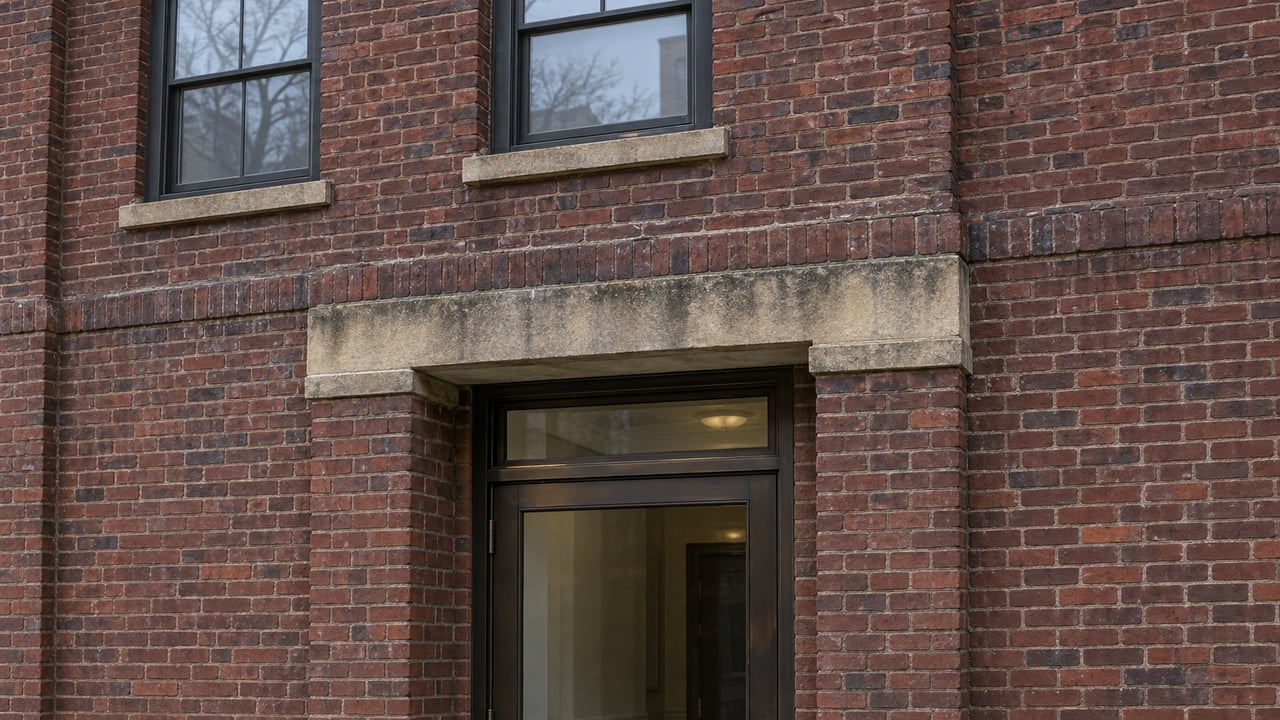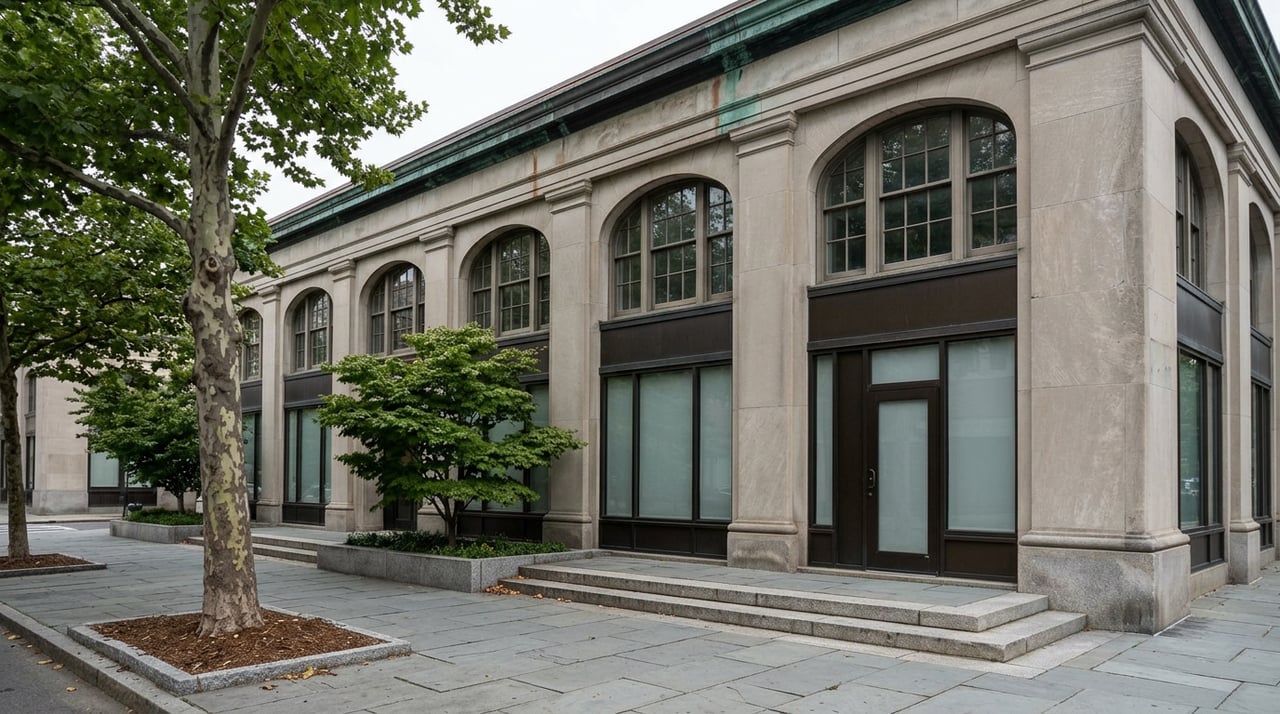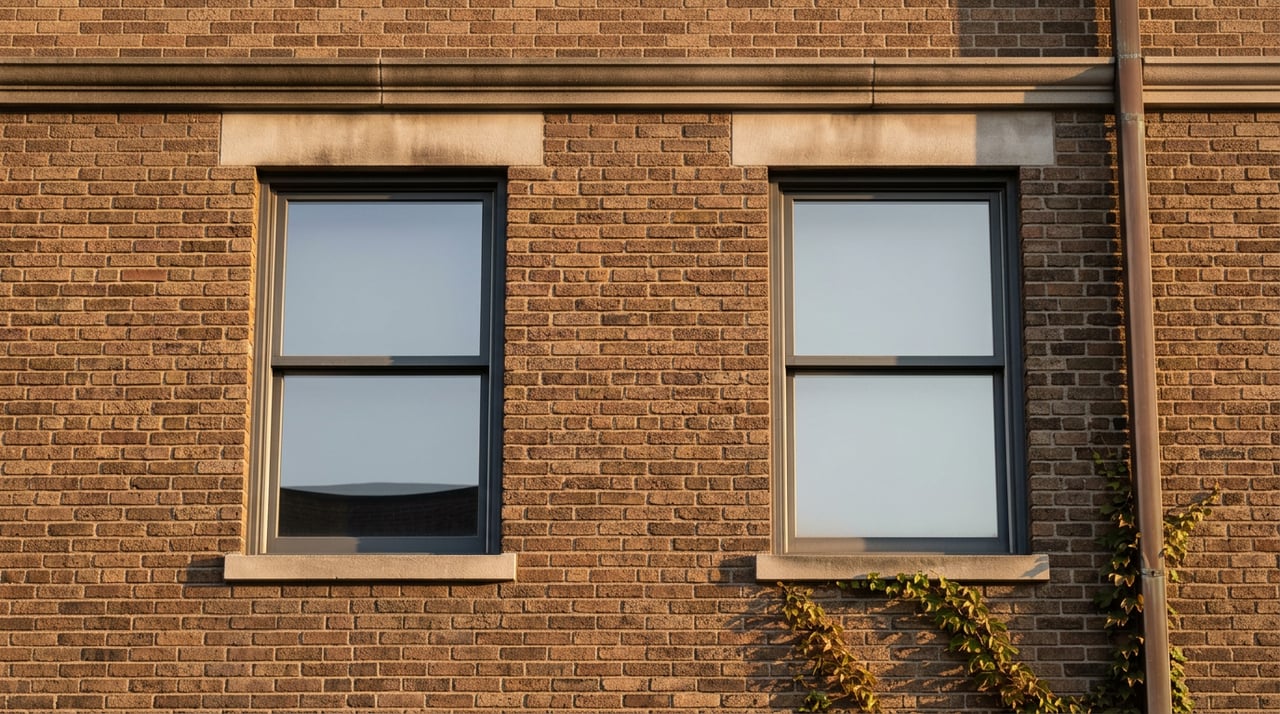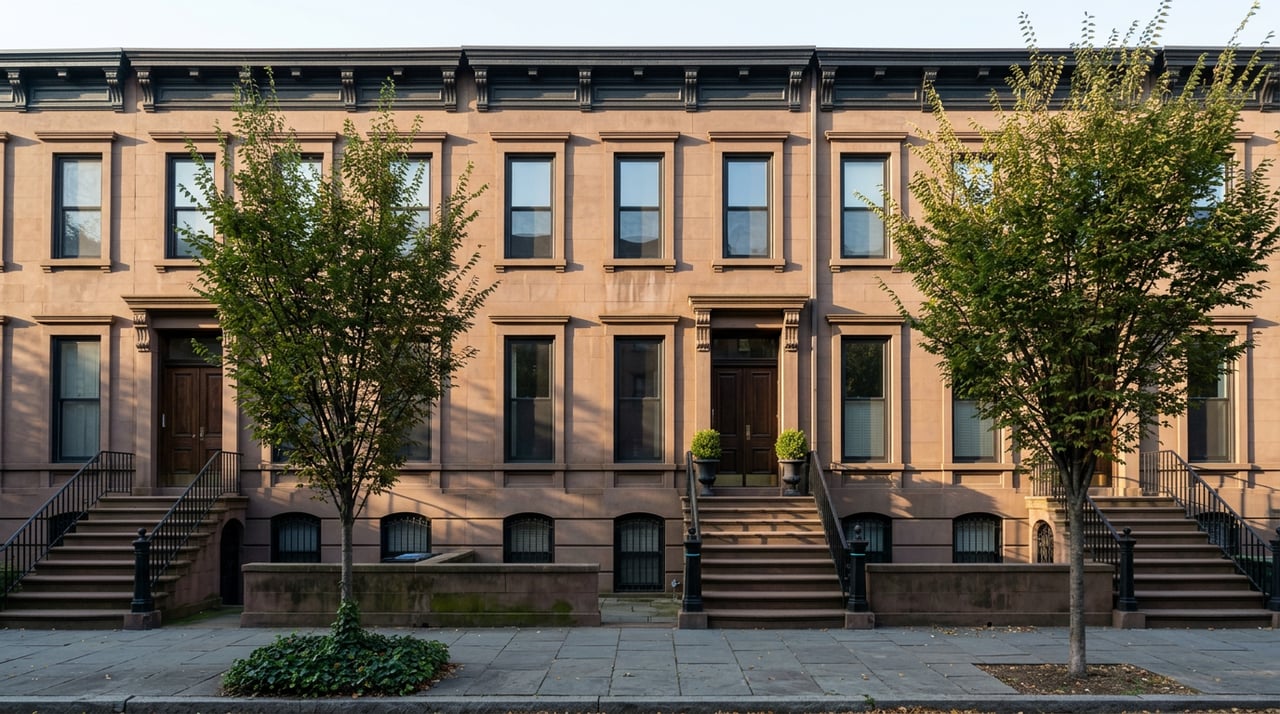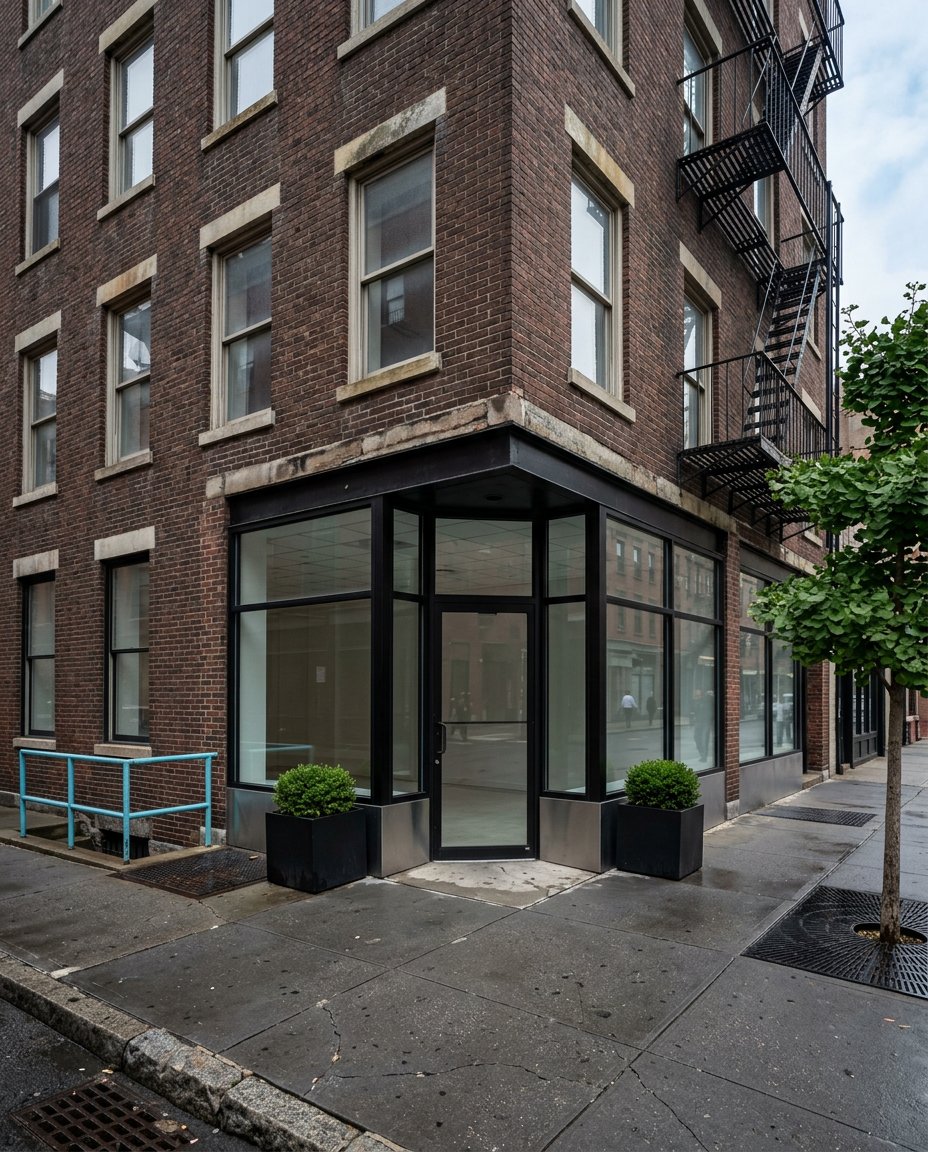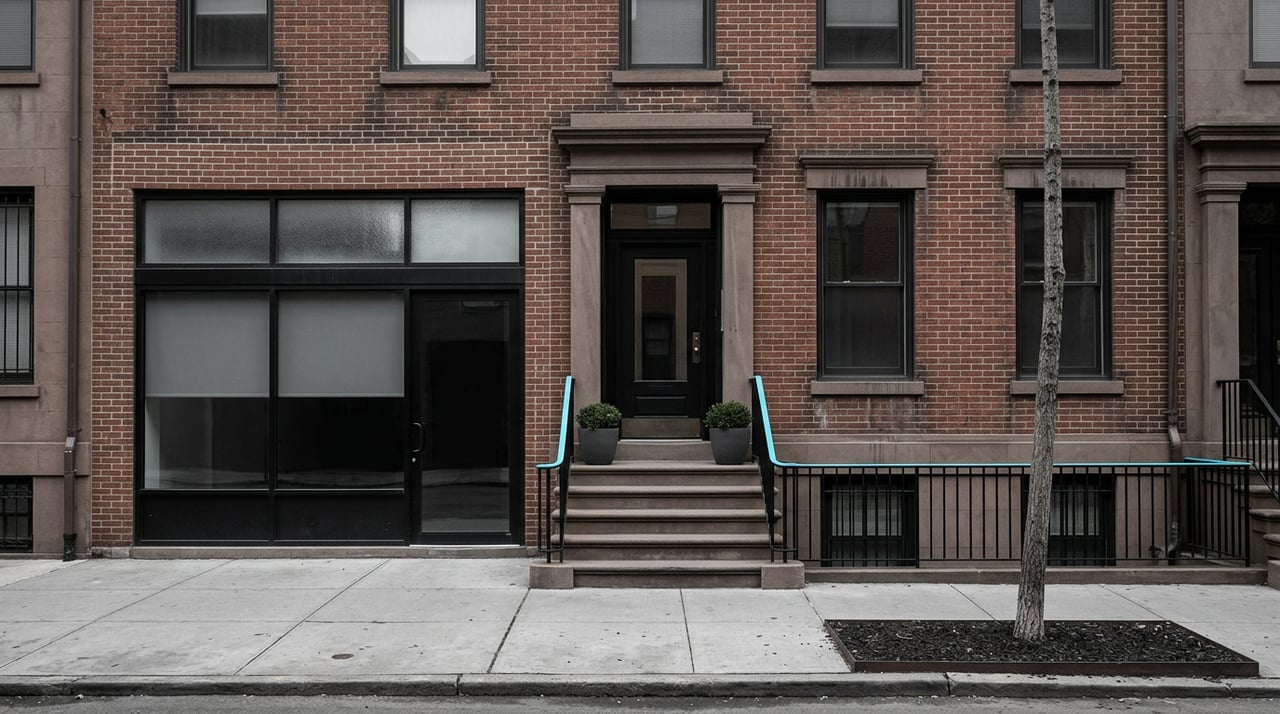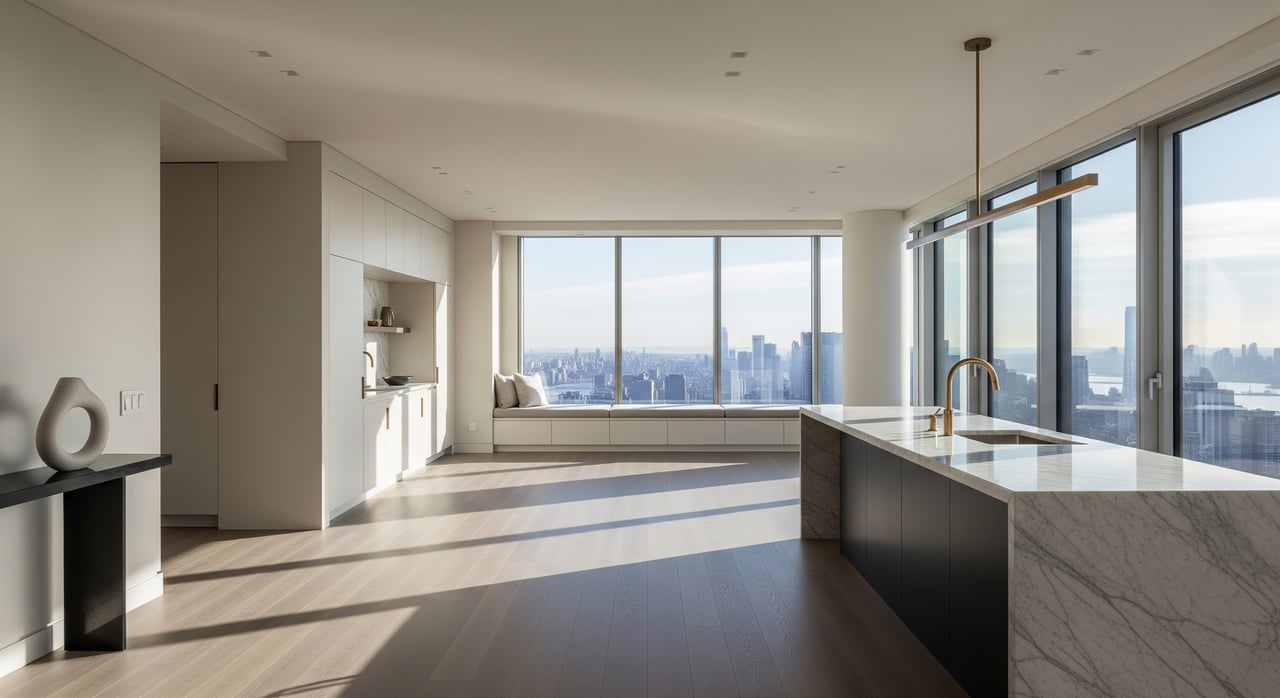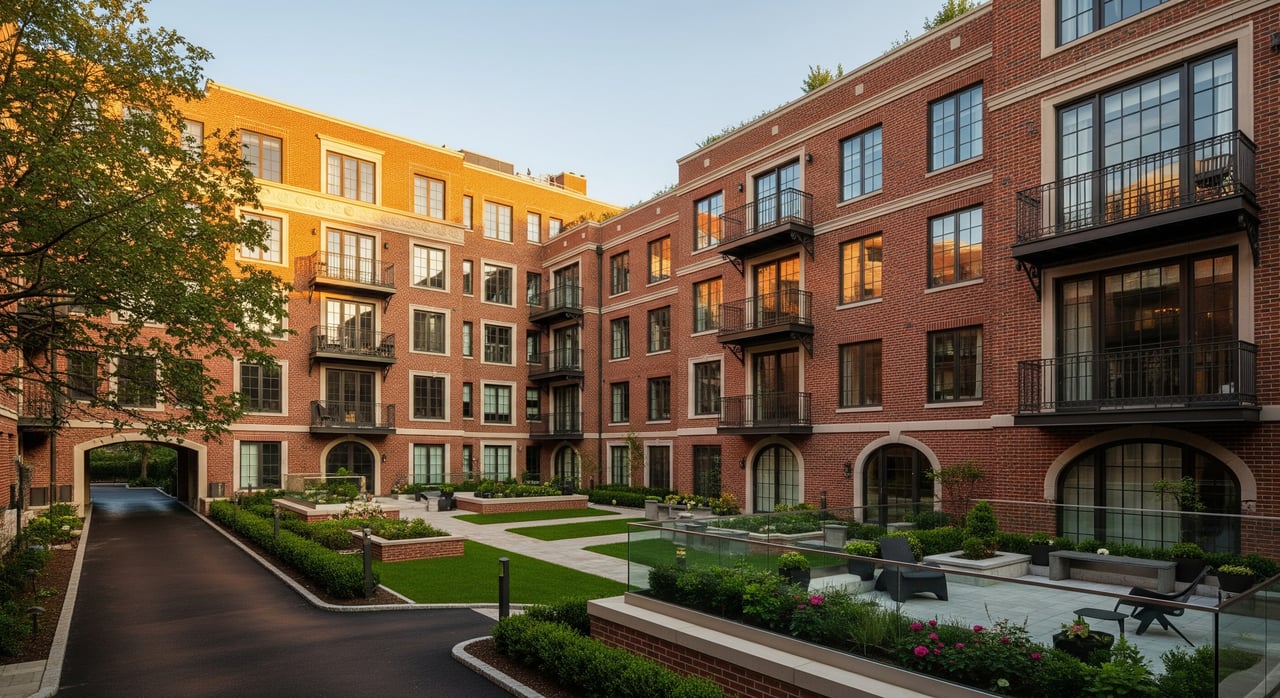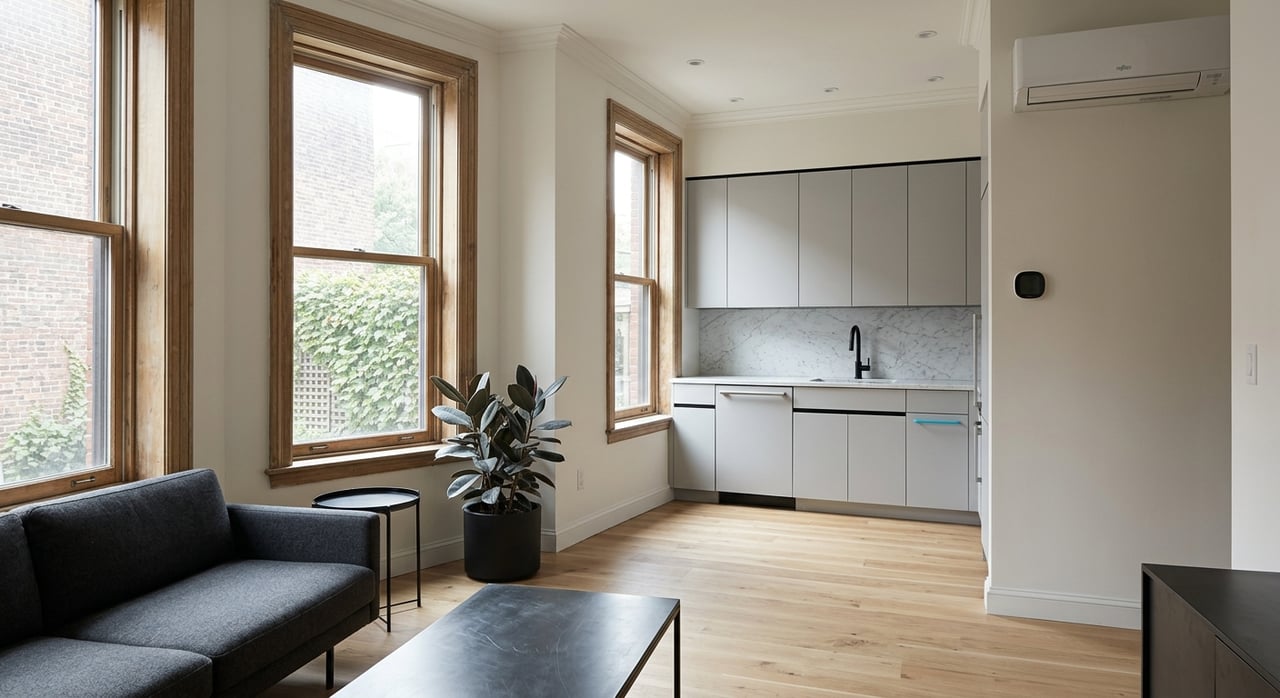
If you own or follow a small brownstone building in Brooklyn, you have probably noticed a clear shift in renter expectations. Charm still matters, but character alone is not enough. Today’s renters want historic space that works like a modern apartment, and that matters for buildings like 632 President Street in Park Slope. Let’s dive in.
Brownstone charm still opens the door
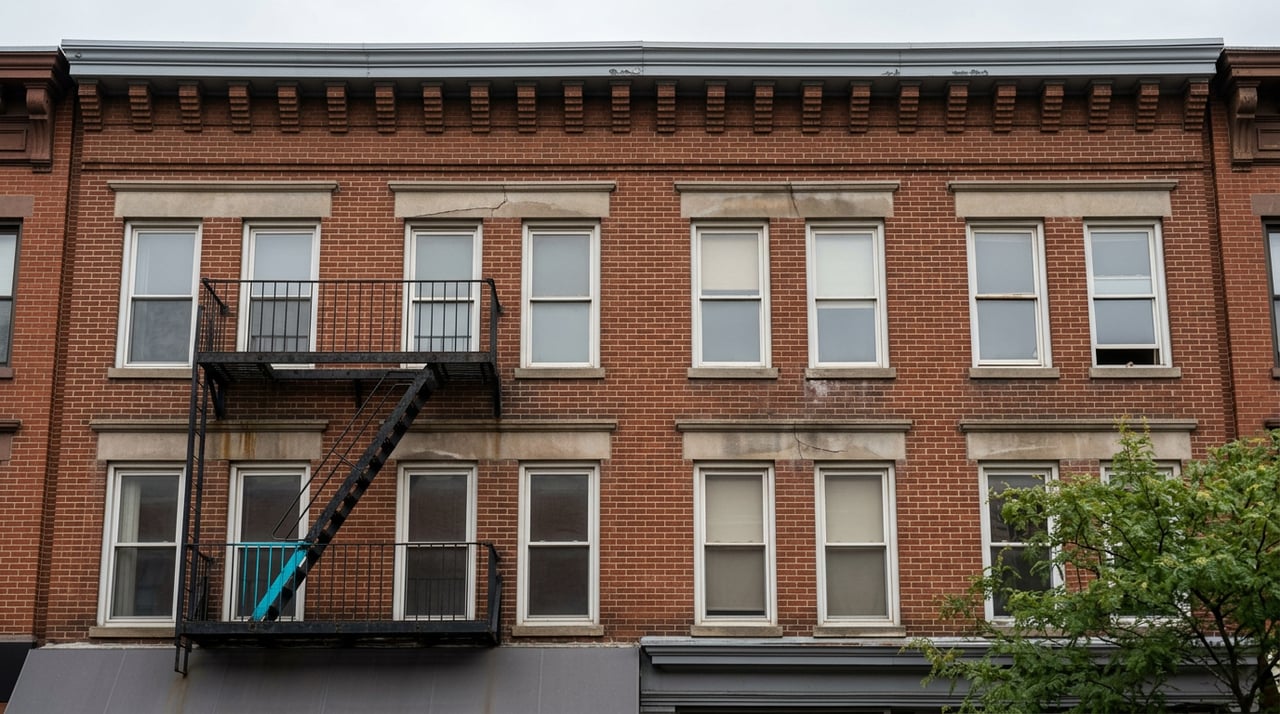
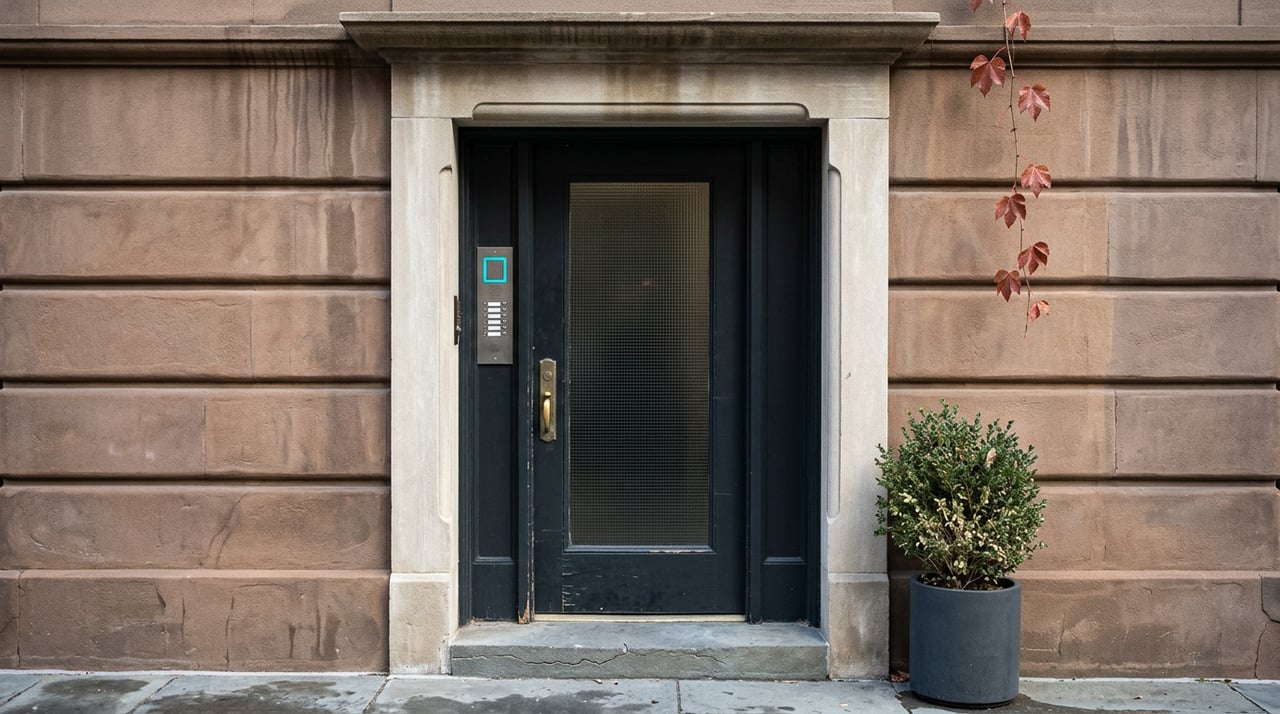
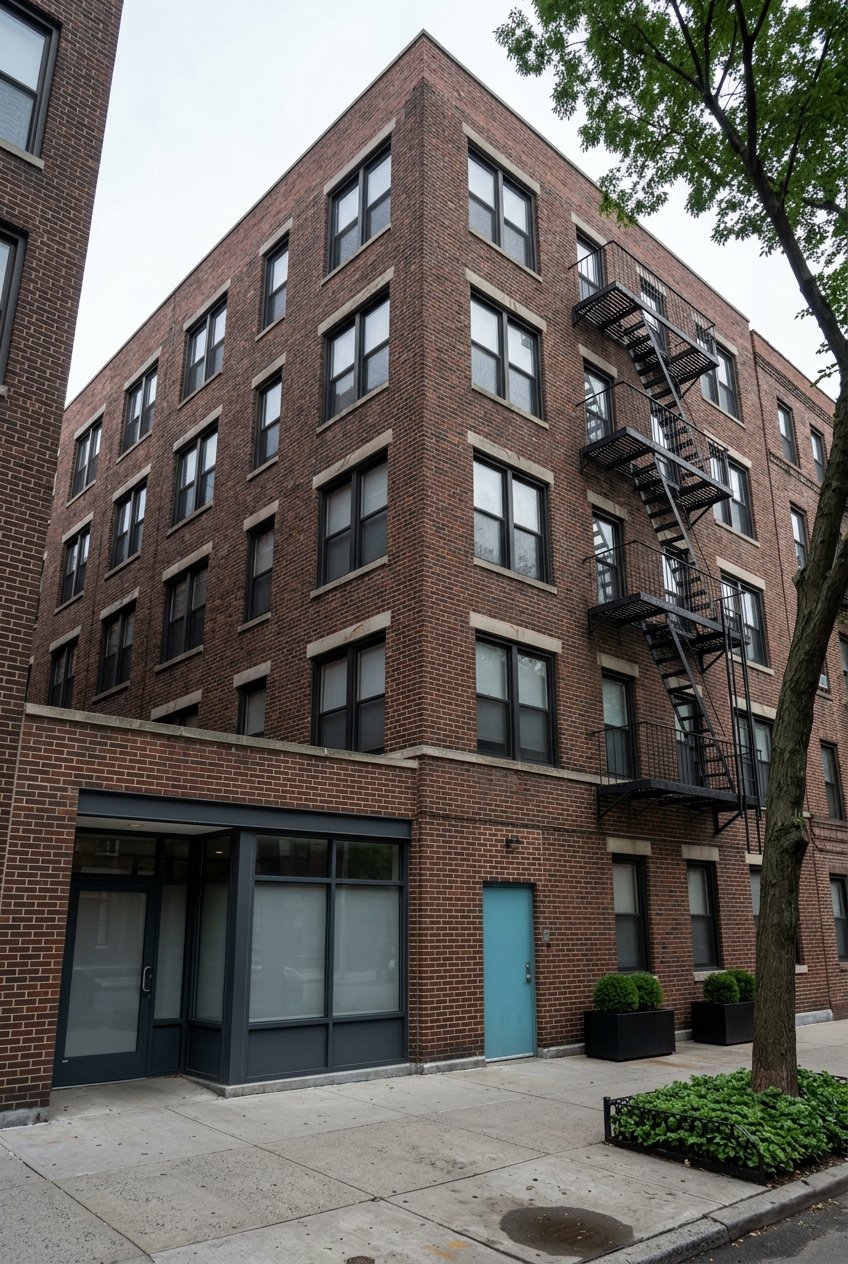
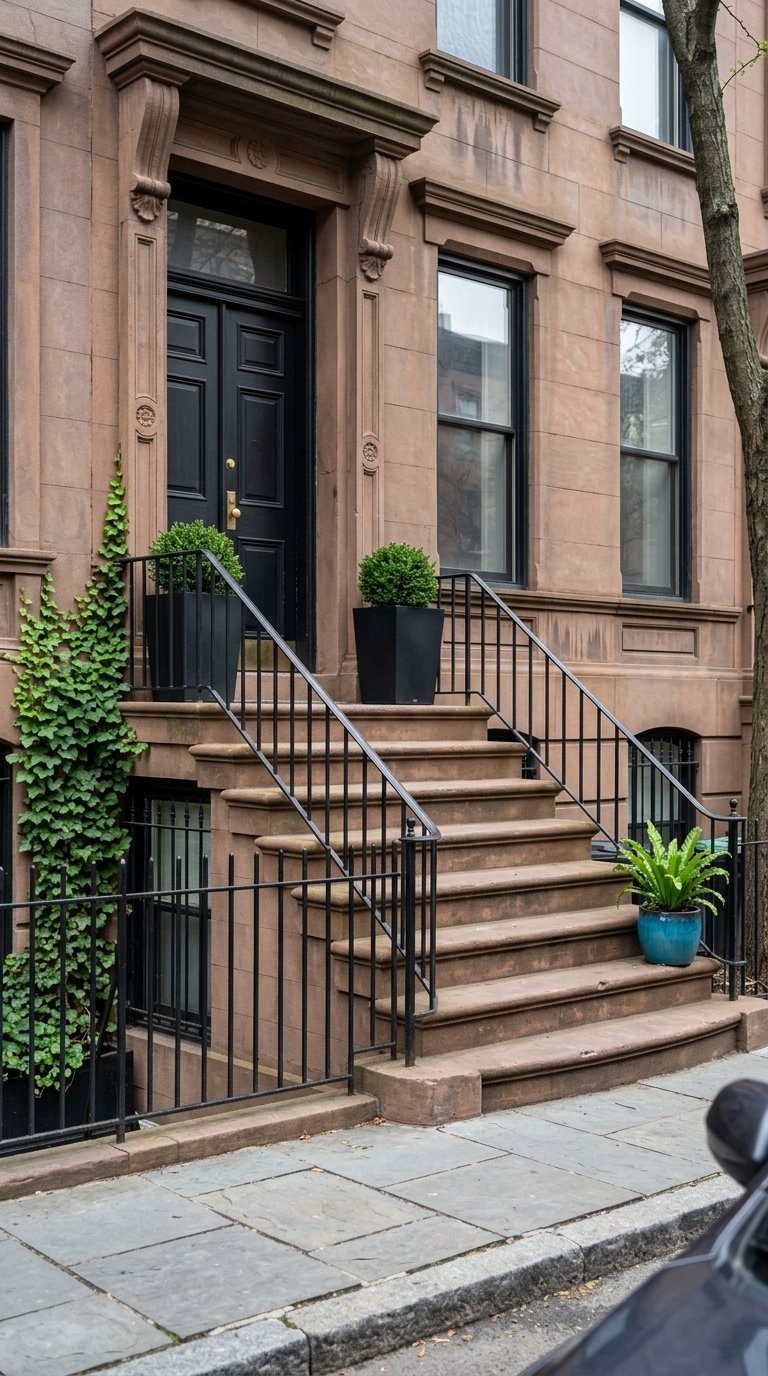
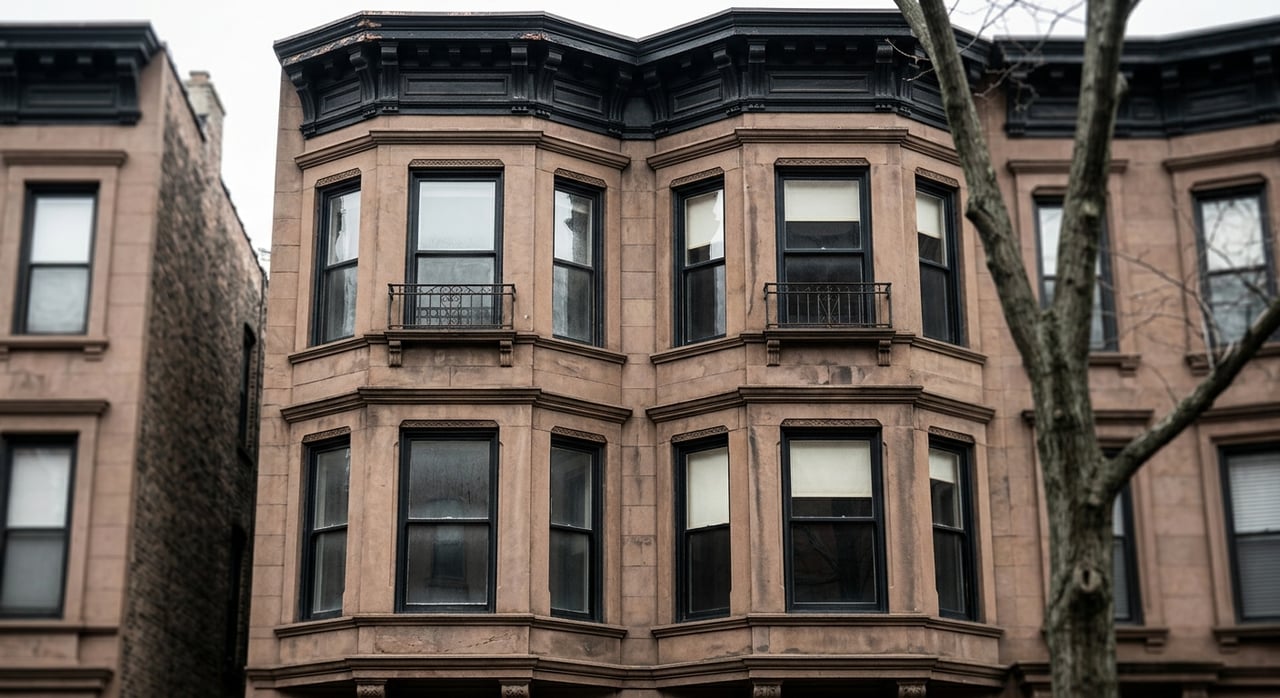
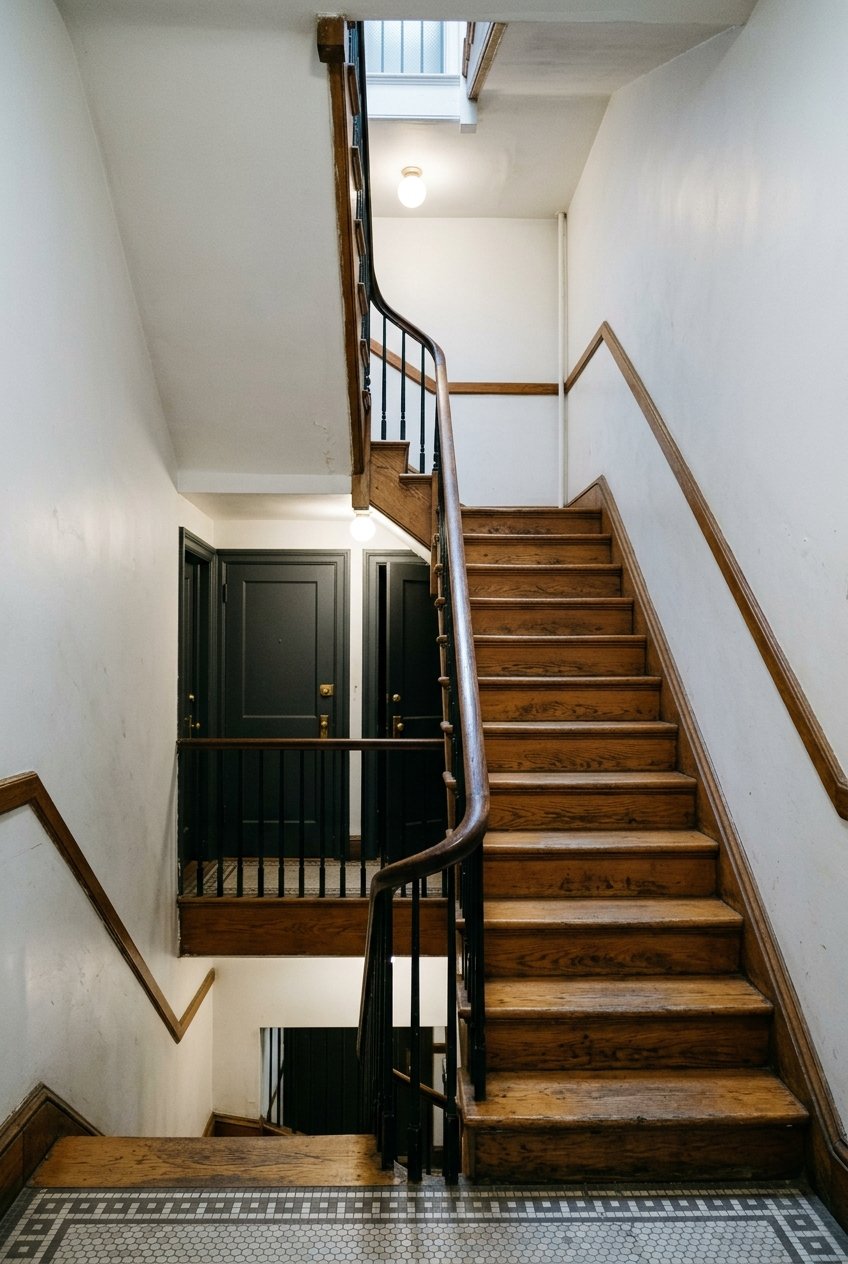
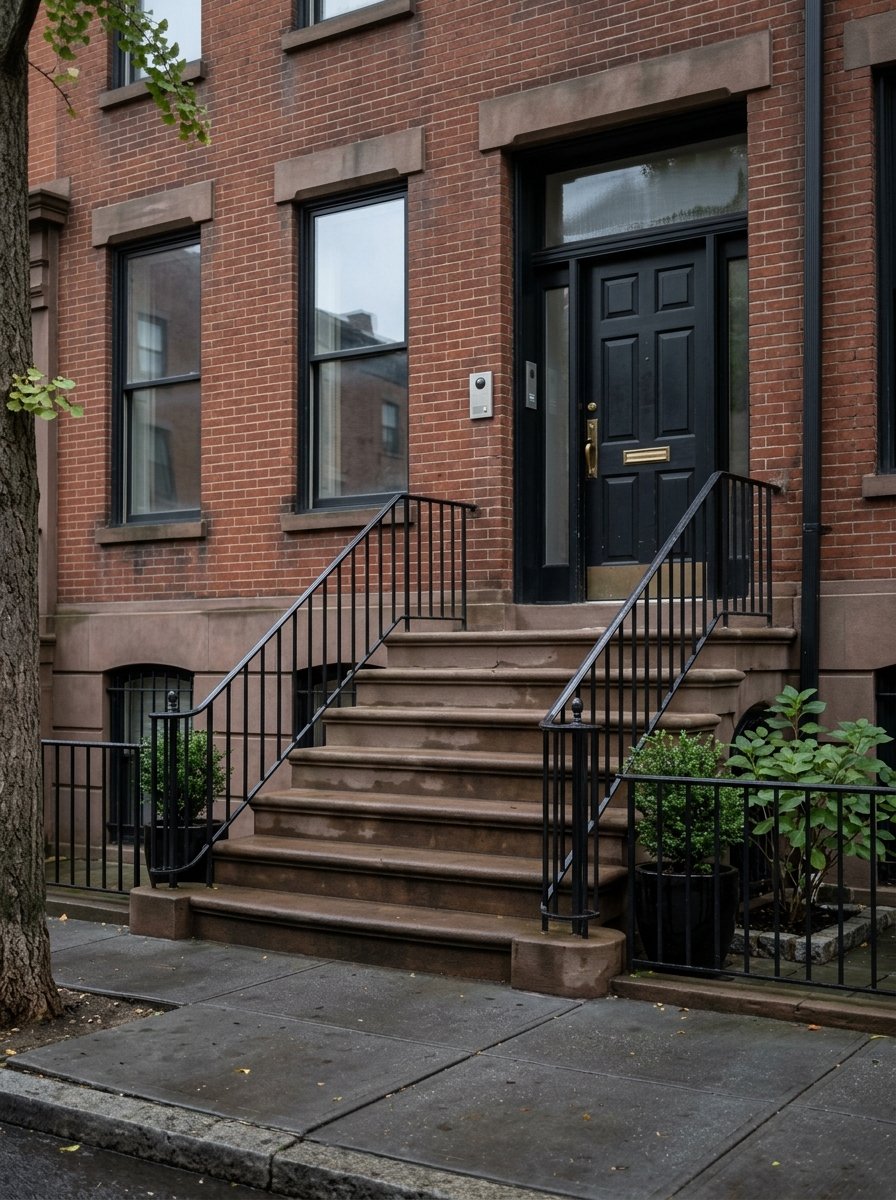
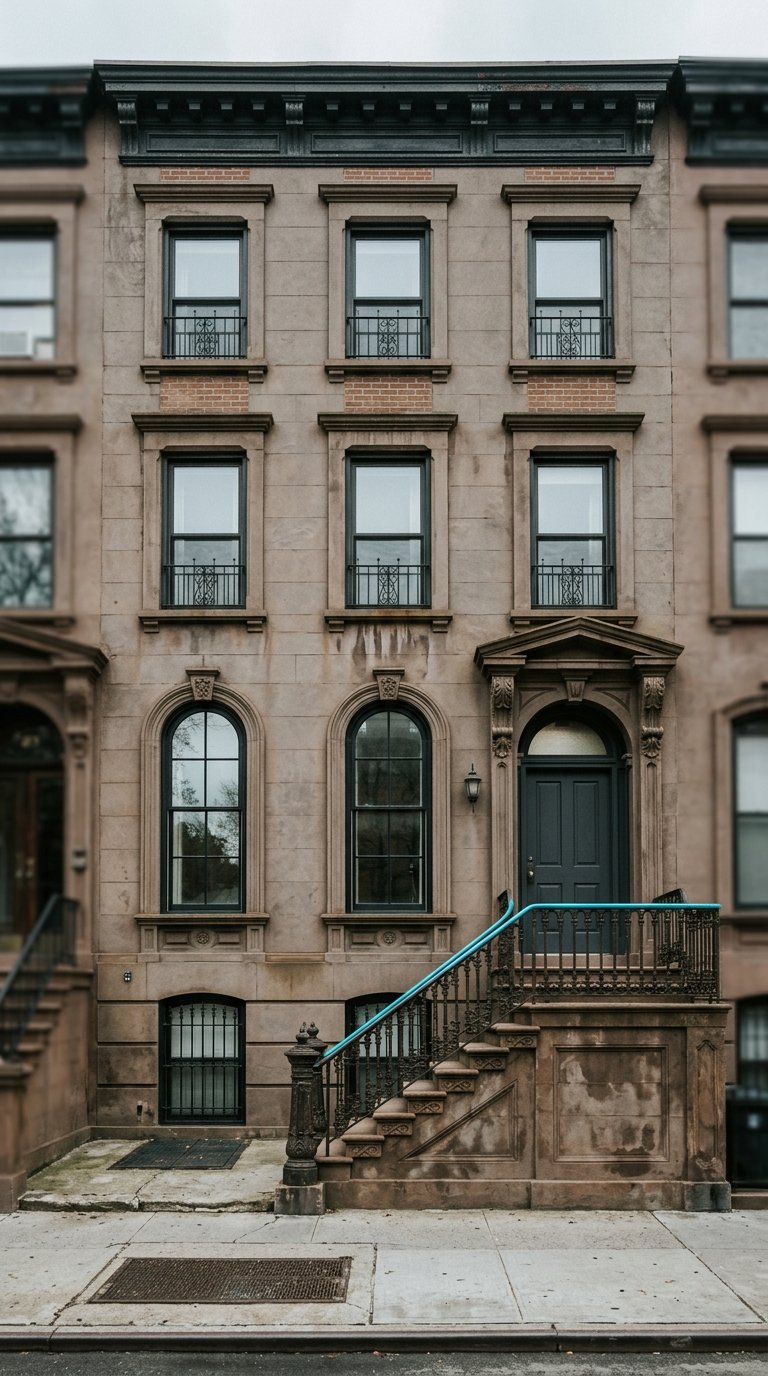
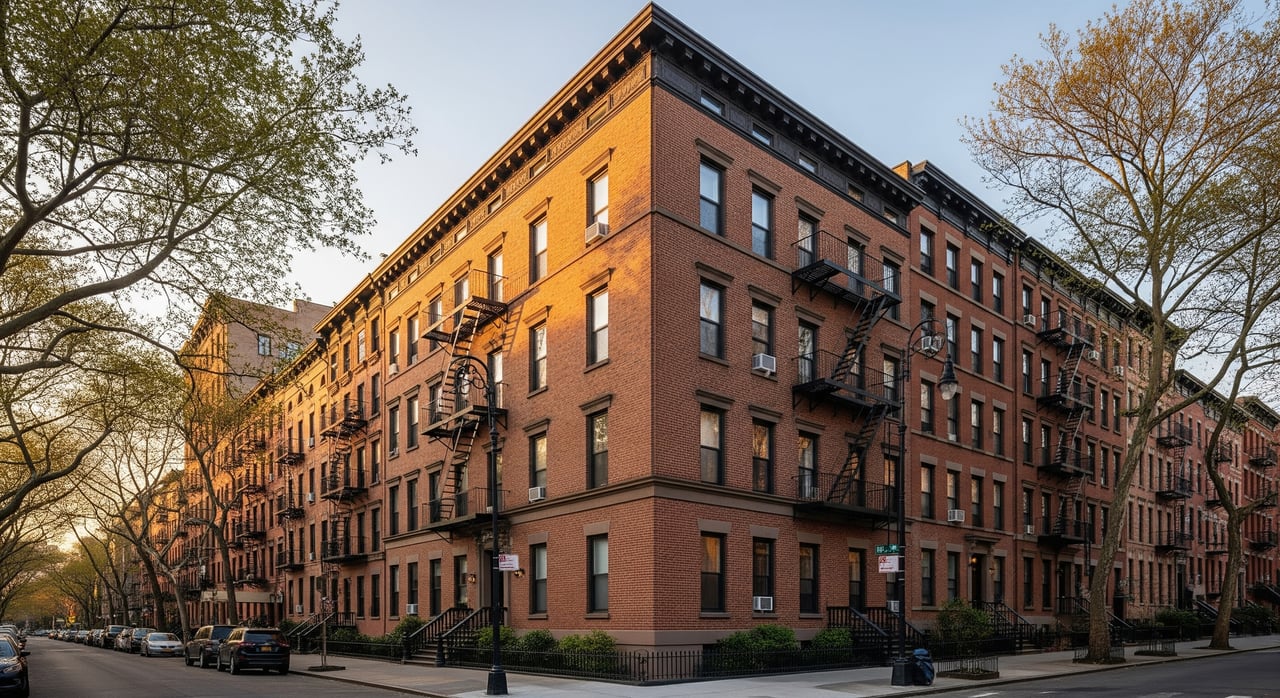
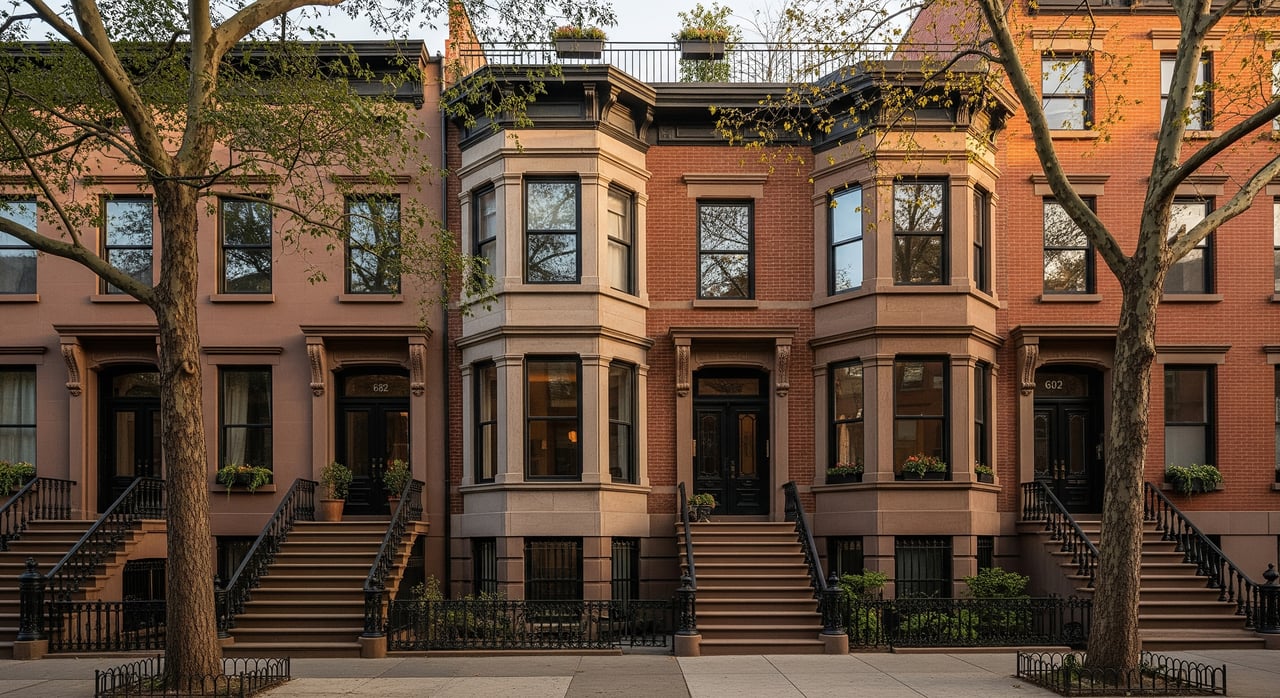
632 President Street is a useful example of what many Brooklyn owners are working with. It is a 1920-built, four-story, four-unit property in Park Slope, and past listings point to floor-through apartments of roughly 800 to 850 square feet. That puts it in the category of small multifamily brownstone-era housing, not a full-service rental building.
That distinction matters. In a building like this, renters are usually not comparing you to a tower with a pool or a long amenity list. They are comparing your apartments to other brownstones, prewar rentals, and newer Brooklyn units that offer better systems, cleaner layouts, and more day-to-day convenience.
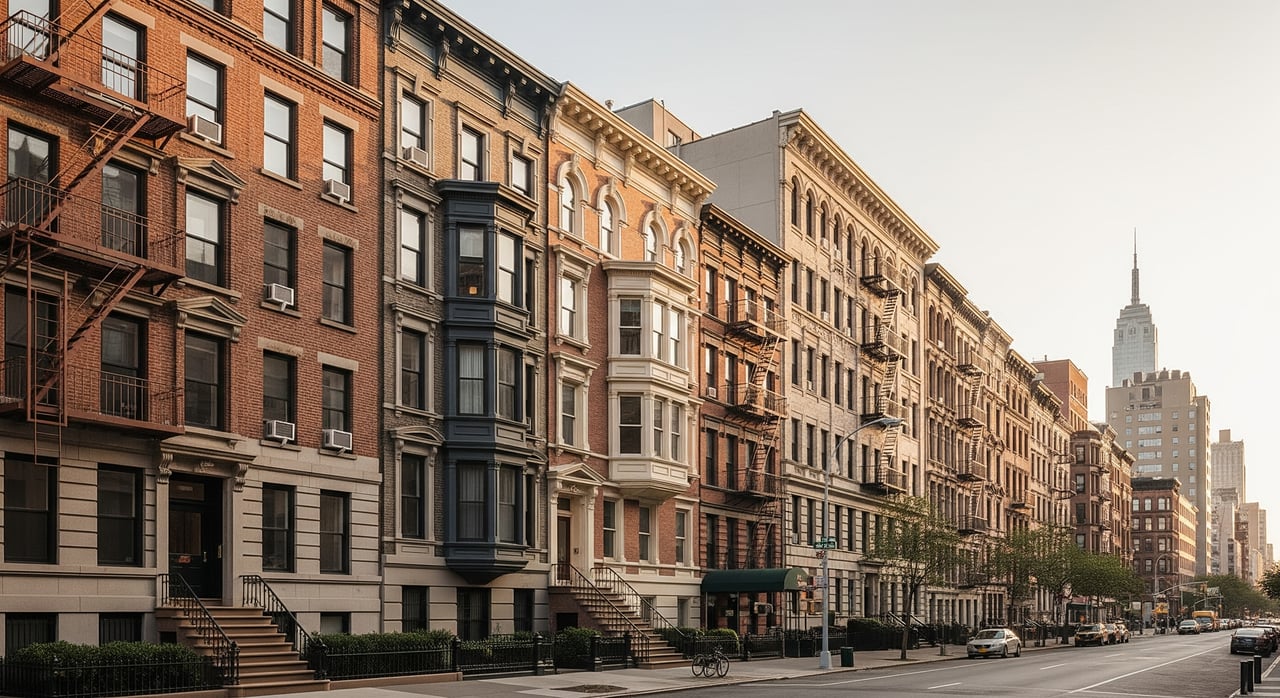
Park Slope adds real demand to that equation. StreetEasy describes the neighborhood as historic and brownstone-heavy, with a residential feel, walkability, and access to Prospect Park and transit. For many renters, that combination remains highly attractive, but the apartment itself still has to meet modern standards.
Today’s renters want function first
The biggest takeaway from current renter data is simple: practical features beat flashy extras. According to Apartments.com, 76% of renters say an in-unit washer and dryer is essential, 70% say air conditioning is non-negotiable, and 47% say a dishwasher matters. Those are not luxury add-ons anymore. They are part of the baseline many renters expect.
Zillow’s 2025 renter research supports the same pattern. It found that 64% of recent renters see broadband internet as essential, 56% say gigabit internet is essential, and 66% say a floor plan that fits their preferences is essential. For brownstone apartments, that gives efficient floor-through layouts a real advantage when they are updated and easy to live in.
This is an important point for older buildings. Renters may love original proportions, high ceilings, and brownstone character, but they do not want to trade away climate control, laundry, or internet readiness to get it. In today’s market, comfort basics often decide whether a unit feels competitive.
What Brooklyn renters expect inside
In practical terms, renters looking at a brownstone apartment in Brooklyn often expect a unit package that includes:
- In-unit washer and dryer
- Air conditioning, often central air or mini-split HVAC
- Dishwasher
- Updated kitchen finishes and appliances
- Refreshed bathroom
- Broadband-ready setup or verified strong internet options
- A layout that feels efficient and usable
These expectations are showing up in actual listing language across Park Slope and nearby brownstone blocks. StreetEasy examples in the market frequently highlight washer/dryer, dishwasher, central air or mini-splits, and renovated interiors. In other words, the market is telling owners exactly what renters notice first.
Layout matters more than you may think
In a small building like 632 President Street, layout can be one of the strongest selling points. Zillow found that 66% of recent renters consider a floor plan that fits their preferences essential. That helps explain why floor-through apartments continue to perform well when they are thoughtfully updated.
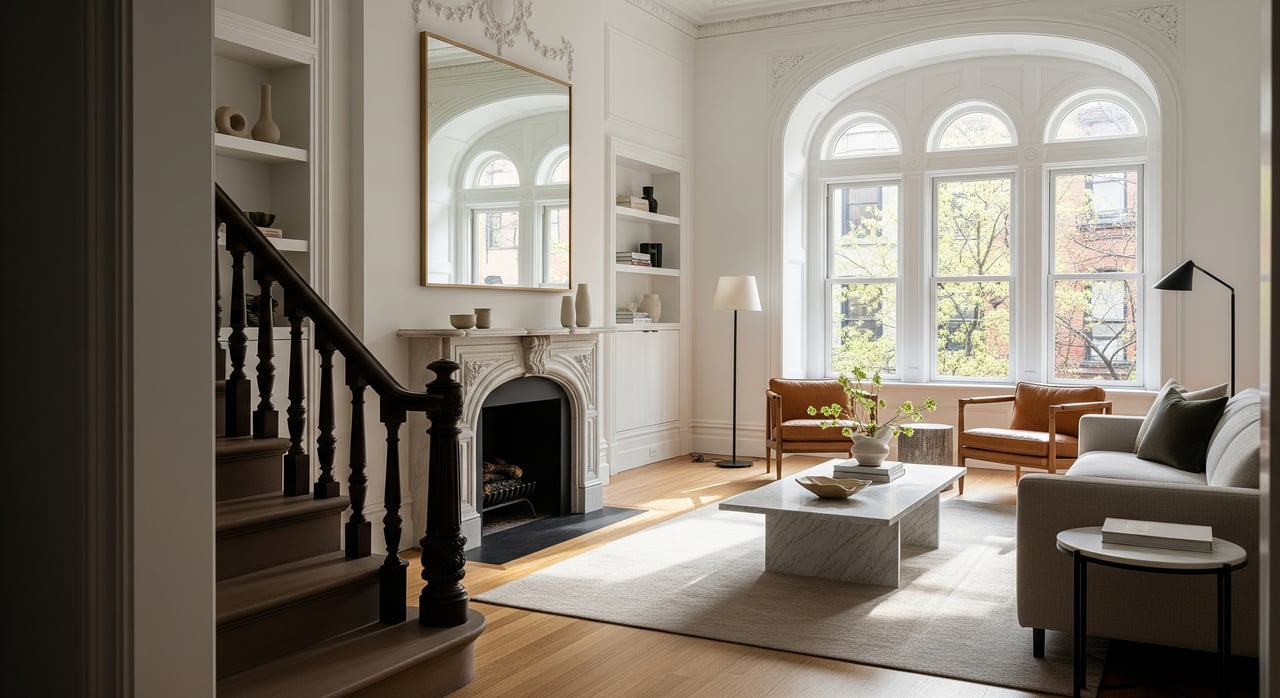
A clean two-bedroom layout with comfortable room sizes, natural light, and good separation between living and sleeping areas can compete very effectively. The problem comes when an older unit feels chopped up, dark, or inefficient. Renters may forgive less-than-new finishes more easily than they forgive a layout that feels awkward every day.
For owners, this means upgrades should support livability, not just appearance. A polished renovation works best when it improves how the apartment functions, not just how it photographs.
Neighborhood fit still drives decisions
Even with rising expectations inside the apartment, location remains a major part of renter demand. Zillow reports that recent renters most often rate commute, neighborhood walkability, and proximity to shopping, services, and leisure as very or extremely important. Access to public transportation also remains important.
That is where a Park Slope address has clear built-in appeal. StreetEasy notes the neighborhood’s walkable, residential character and transit access, with Midtown commutes that can reach 45 minutes depending on location. For many renters, that balance of neighborhood feel and city access is still worth paying for.
The key is making sure the unit matches the strength of the location. A strong address can get attention, but a dated interior can still lose the renter to a nearby apartment with better systems and more convenience.
Pet-friendly policies have become more mainstream
Pet friendliness is no longer a narrow niche feature. Zillow reports that 59% of renter households have at least one pet, while Apartments.com found that 41% of renters say pet-friendly policy or features matter. That does not mean every renter requires a pet-friendly setup, but it does mean flexibility can widen the pool.
In a small multifamily property, that can be meaningful. If the building and ownership strategy allow it, pet-friendly positioning may help increase interest. Still, the data suggests this is secondary to basics like laundry, air conditioning, and an updated interior.
Smart-home features help, but they are not the first priority
There is growing evidence that smart-home features are entering the competitive set for renovated brownstone rentals. Apartments.com found that 13% of renters care about smart lock entry and 11% value smart home appliances. StreetEasy listings at the premium end also show smart thermostats, doorbells, and alarm systems appearing alongside more established features.
That said, these items remain a second-tier consideration for most renters. In a four-unit building, spending on entry tech or connected systems usually makes the most sense after the apartment already offers the basics renters care about most. A smart lock is helpful, but it will not make up for missing laundry or weak cooling.
What listings show renters pay for
Current market listings across Brooklyn suggest renters are willing to pay more when a historic apartment comes with a modern finish package. In Park Slope and nearby areas, renovated brownstone units with in-unit laundry, central air, dishwasher, and outdoor space are commonly marketed as premium rentals. The pattern is consistent: renters respond to brownstone character when it is paired with ease and comfort.
That matters because a small building like 632 President Street does not need resort-style amenities to compete. In fact, the available market evidence points the other way. Renters care more about the apartment itself than about shared extras, especially in brownstone-scale buildings.
For owners and investors, that is a useful operating insight. Capital tends to work harder inside the unit than in building-wide amenity experiments that renters may not expect from this asset type.
Upgrade priorities for a Park Slope brownstone
For a property like 632 President Street, the most defensible upgrade stack is tied closely to renter demand and market comps. Based on the research, the priorities are likely:
- In-unit laundry
- AC or mini-split climate control
- Kitchen and bath refreshes
- Broadband readiness or verified internet service
- Improved entry or security tech where practical
Past property descriptions also mentioned a semi-finished basement used for storage and washer/dryer, along with newer furnace and hot-water systems. That is a useful reminder that back-of-house improvements matter too. Renters may not see the mechanicals right away, but reliable heating, hot water, and storage support the overall living experience.
Why this matters in the current rental market
StreetEasy reported Brooklyn’s median asking rent at $3,750 in February 2026, up 7.2% year over year, while Park Slope’s median base rent was $4,100. Active rentals in the neighborhood included one-bedrooms around $3,495 to $4,650 and two-bedrooms around $4,100 to $4,350. More fully renovated brownstone units with central air, washer/dryer, and outdoor space can push into the mid-$5,000s and above.
That pricing spread tells a clear story. Rent growth alone does not carry value. The stronger rents are often tied to clear product differences, especially updated systems and better in-unit functionality.
Competition is also broader than it used to be. StreetEasy reported that Brooklyn saw 11,167 new construction rental units in 2025, and 42.3% of those units offered two or three bedrooms. Older brownstone apartments are not just competing with similar vintage stock anymore. They are also competing with newer units that already offer the comfort package renters expect.
The bottom line for brownstone owners
Today’s Brooklyn renter still values what brownstone apartments do well: scale, character, layout, and location. But that appeal holds up best when the apartment also delivers on modern living standards. In-unit laundry, cooling, dishwasher, broadband readiness, and refreshed interiors have moved much closer to the expected baseline.
For a Park Slope asset like 632 President Street, that has a direct value implication. The most effective positioning is usually not about adding luxury-building amenities. It is about matching historic character with reliable systems, practical upgrades, and a unit-level finish package that feels current.
That is where disciplined asset strategy matters. If you are evaluating how a Brooklyn brownstone should be positioned, improved, or brought to market, a clear read on renter demand can shape everything from renovation scope to pricing strategy to exit timing. To discuss how today’s rental expectations may affect the value and saleability of your property, connect with Exodus Capital.
FAQs
What do Brooklyn renters expect from brownstone apartments today?
- Most renters prioritize practical features such as in-unit washer and dryer, air conditioning, dishwasher, broadband access, and a layout that feels efficient and comfortable.
How important is in-unit laundry in a Park Slope brownstone rental?
- Very important. Apartments.com found that 76% of renters say an in-unit washer and dryer is essential, making it one of the strongest upgrade priorities.
Do renters in Brooklyn care more about amenities or apartment features?
- In smaller brownstone buildings, renters generally care more about core apartment features like laundry, cooling, layout, and updated kitchens and baths than shared building amenities.
Does a Park Slope location still add value for renters?
- Yes. Park Slope’s historic housing stock, walkability, residential feel, access to Prospect Park, and transit connections remain central to renter appeal.
Are smart-home features necessary in a Brooklyn brownstone apartment?
- Not usually as a first priority. Smart locks and connected systems can help a unit feel more current, but most renters place greater value on laundry, air conditioning, and reliable internet.
What upgrades matter most for a property like 632 President Street?
- The strongest priorities are likely in-unit laundry, AC or mini-split climate control, kitchen and bath refreshes, broadband readiness, and practical entry or security improvements where feasible.