If you own a Brooklyn brownstone, waiting for the "perfect" time to sell can cost more than moving at the right time. With a property like 632 President Street, timing is not just about chasing a top-line price. It is also about rent performance, upcoming repairs, tax exposure, and your broader capital or family goals. This guide will help you think through when selling makes sense, what signals matter most, and how to plan your exit with more confidence. Let’s dive in.
Why Timing Is Different for 632 President Street
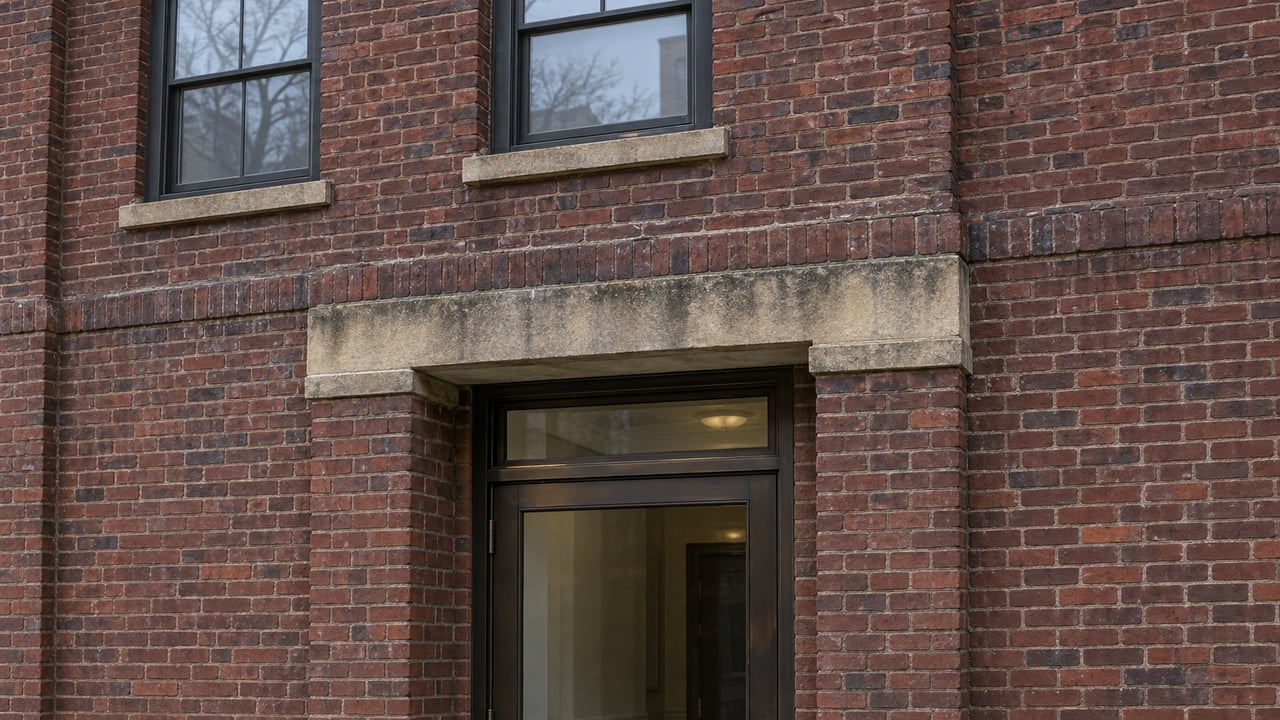
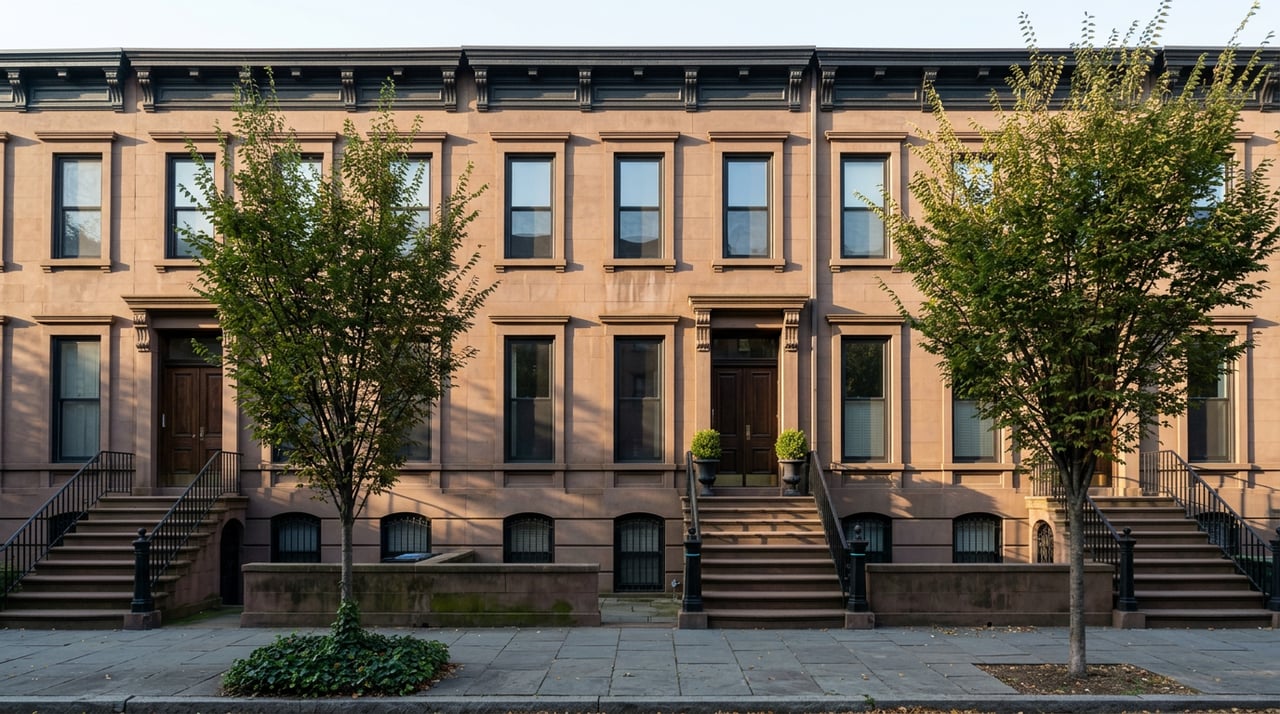
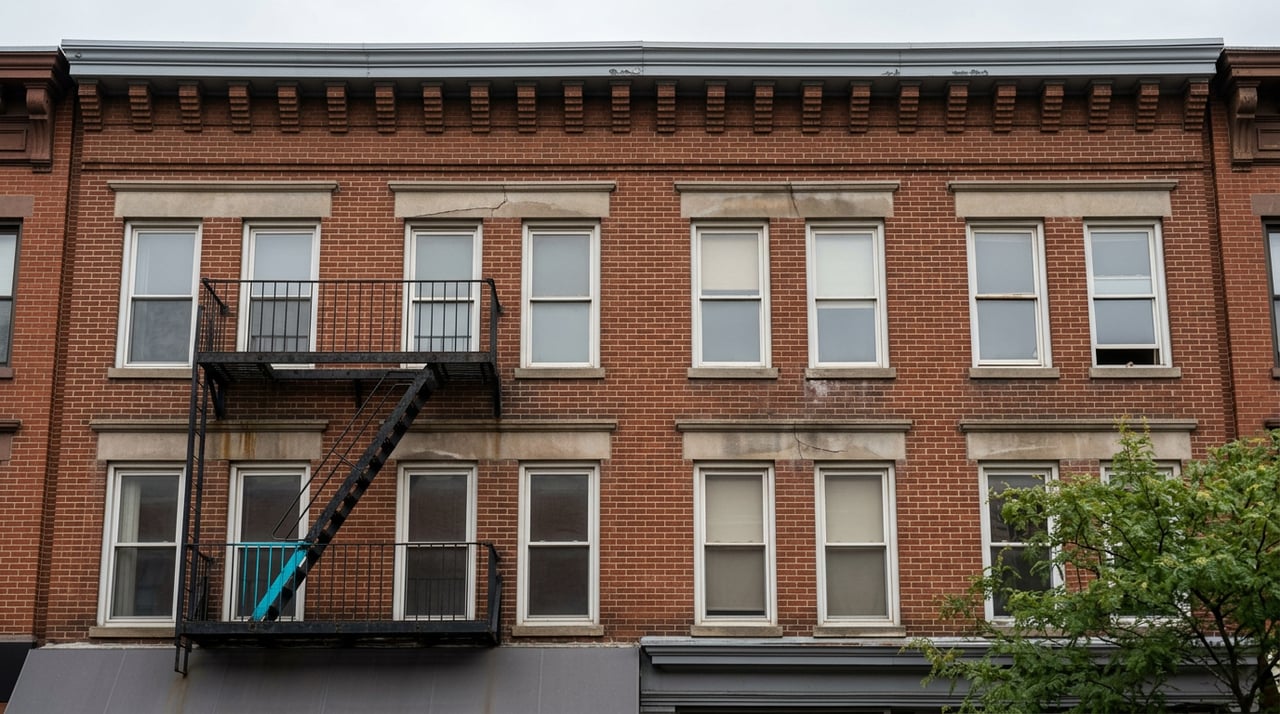
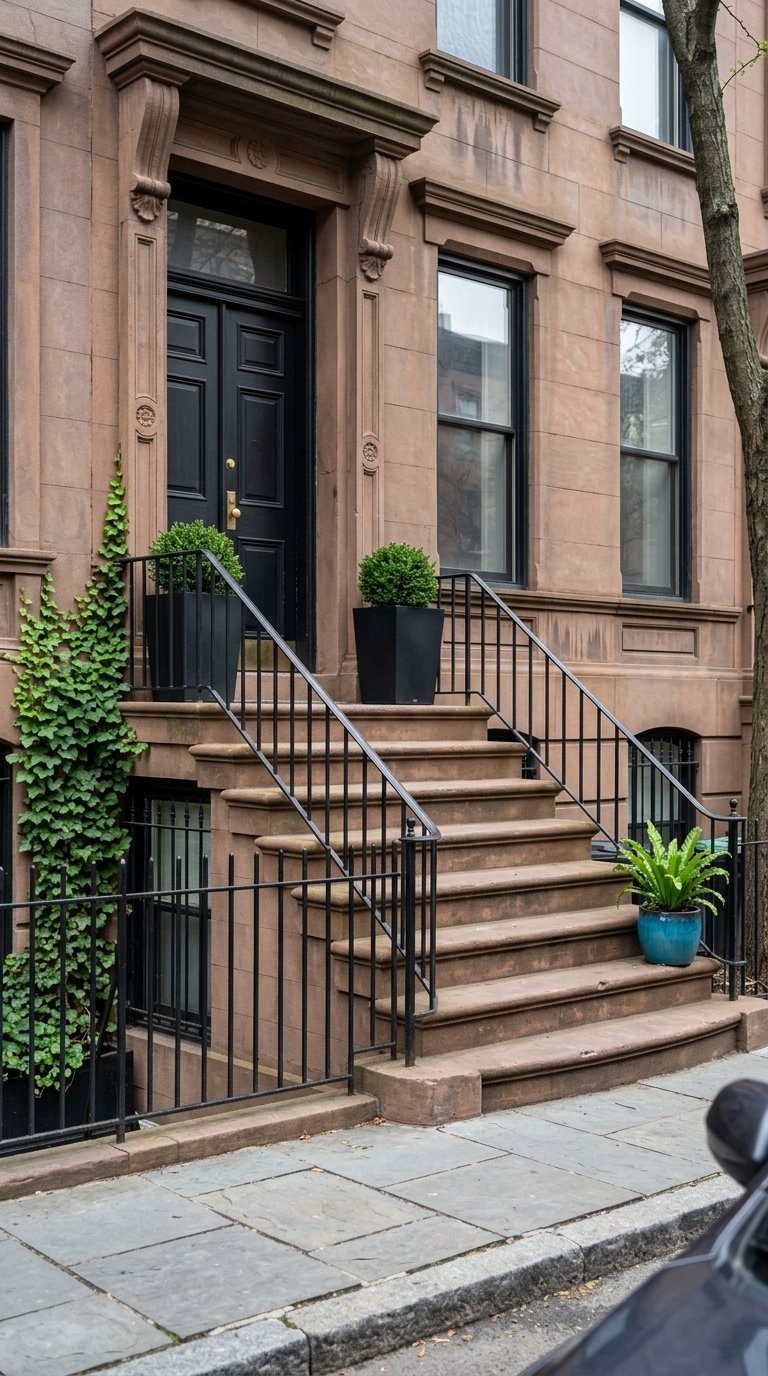
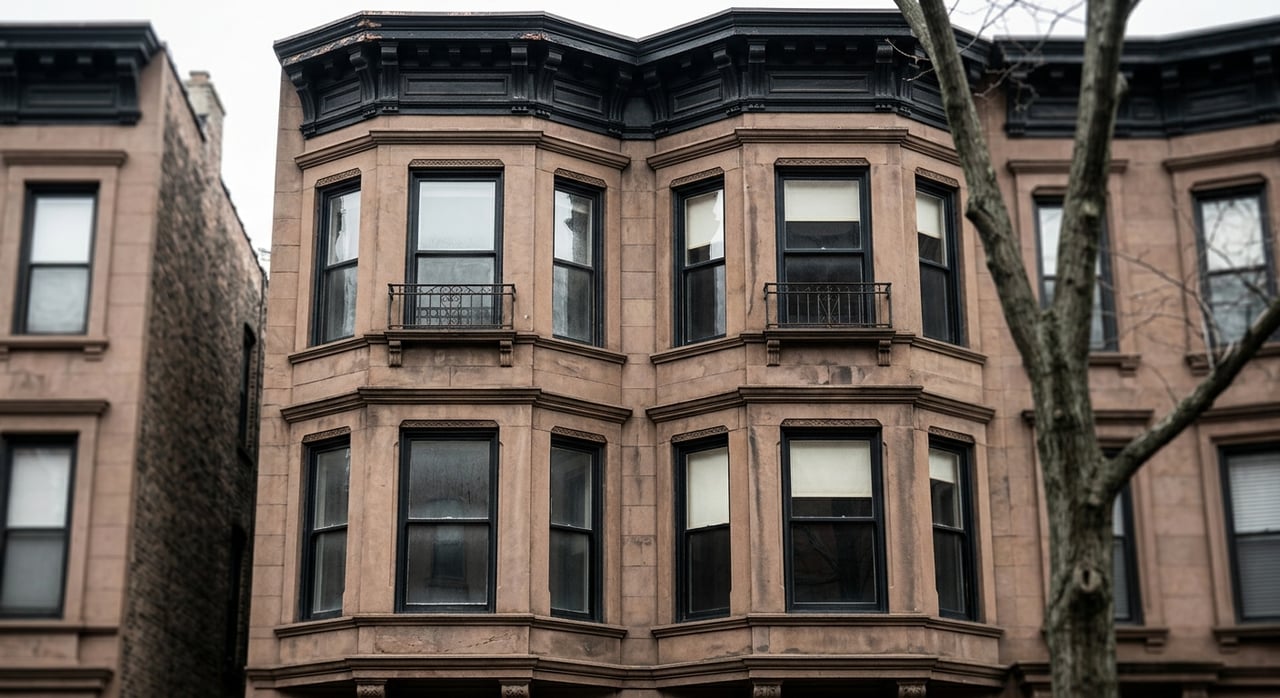
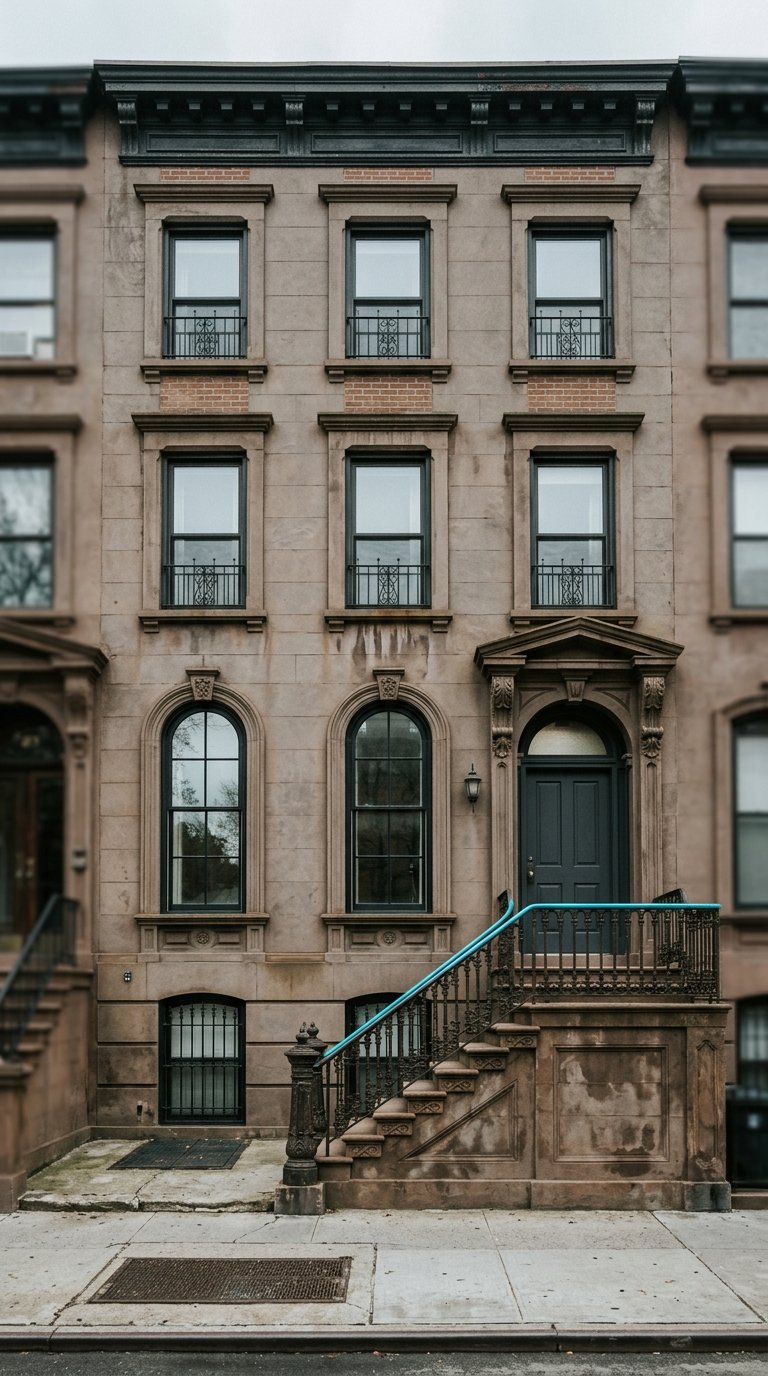
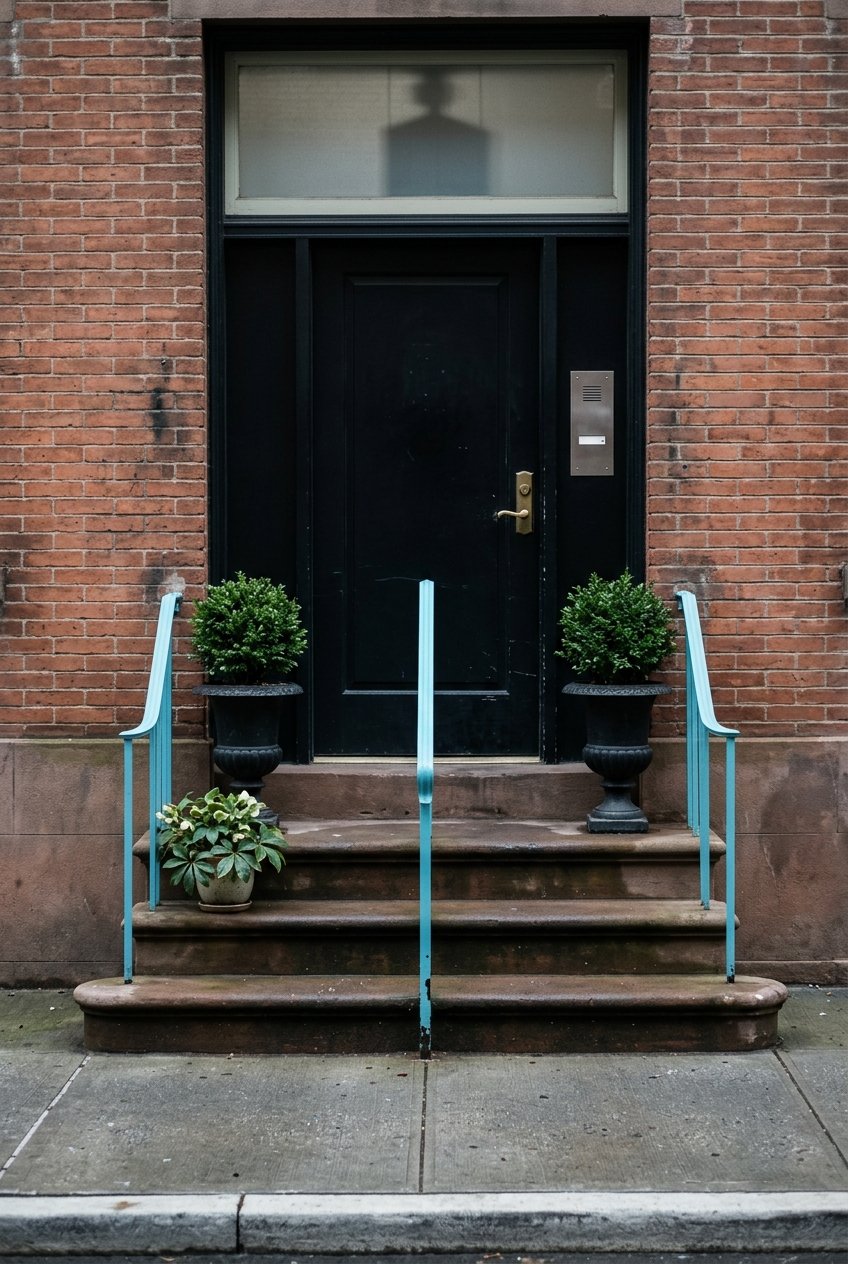
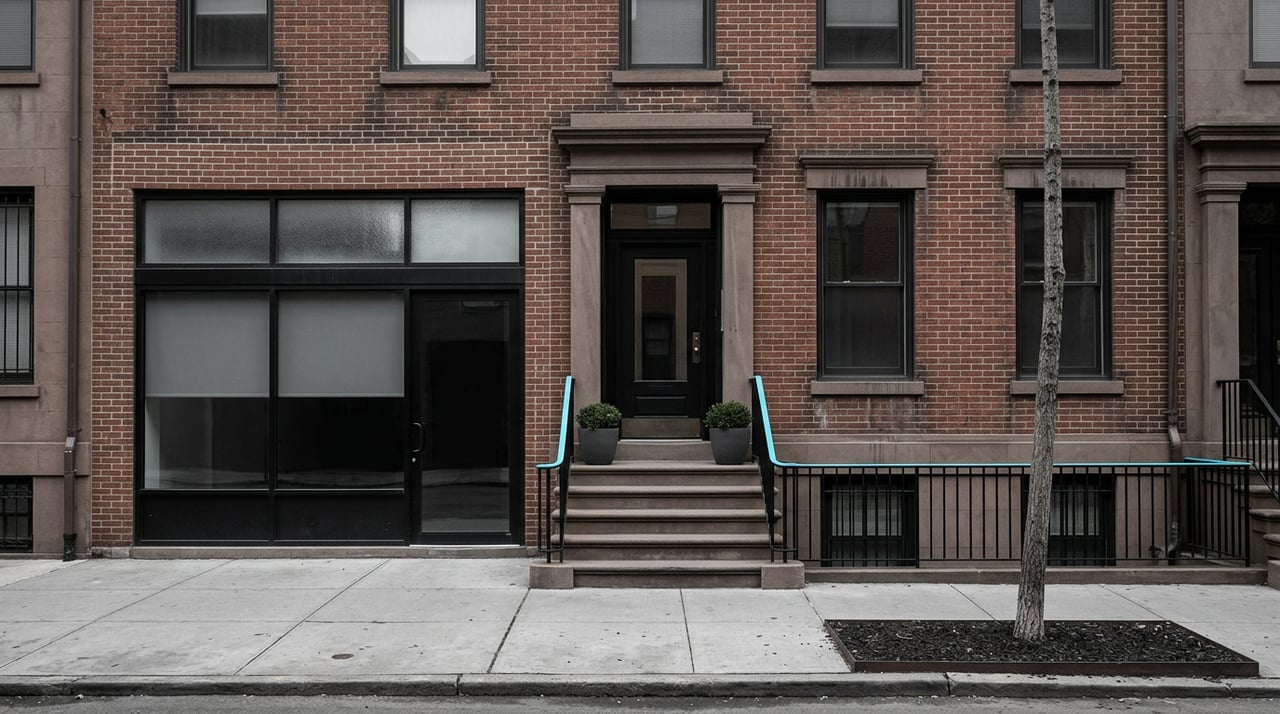
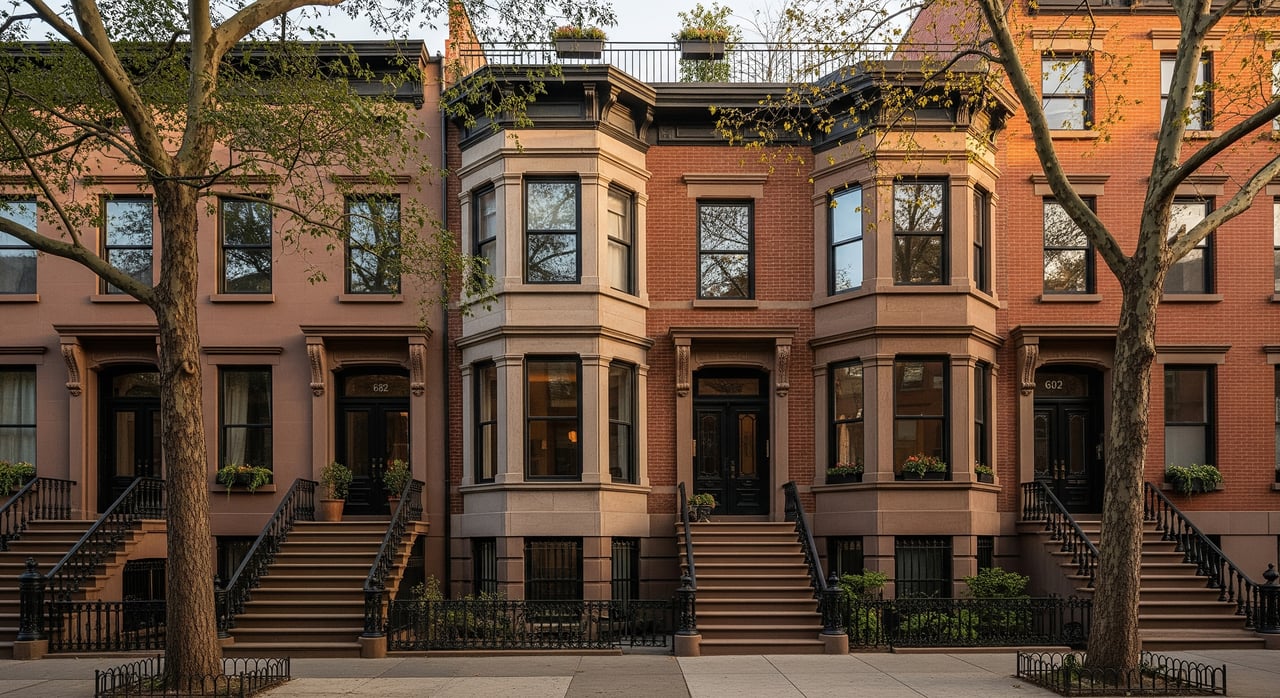
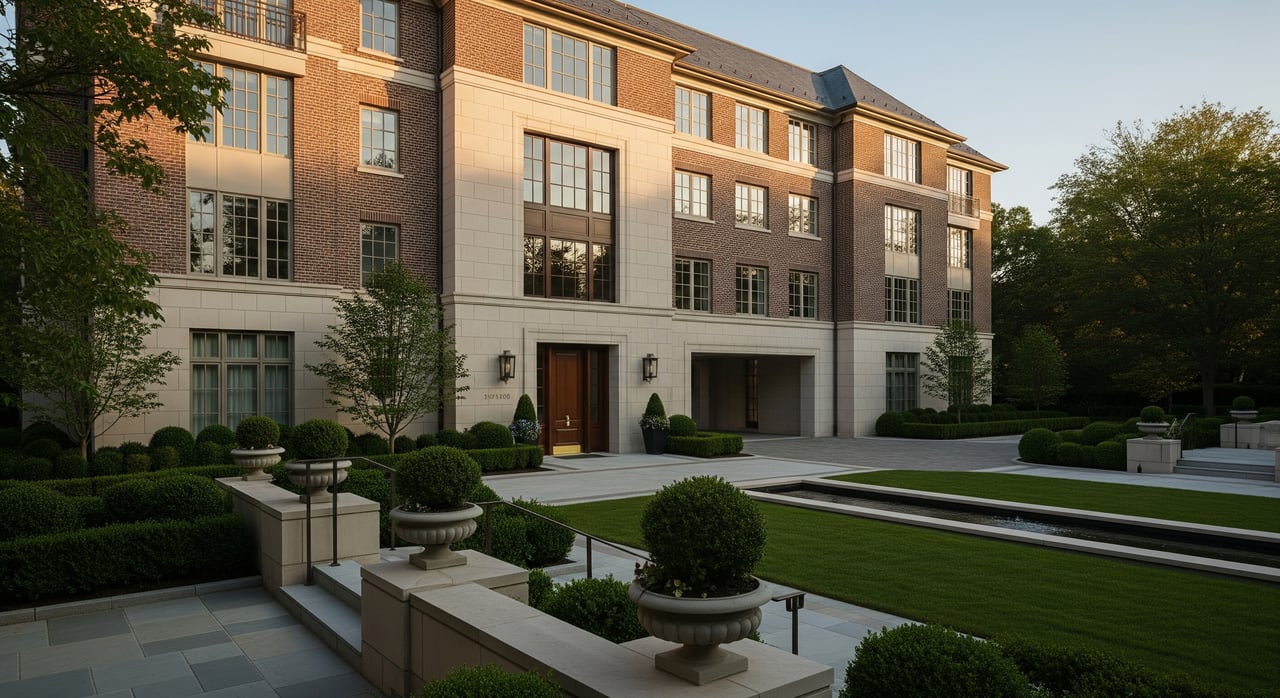
632 President Street is a 1920-built, four-story, four-family house in Park Slope. Public data places it near the R subway line, and that matters because location, building type, and neighborhood standards all shape buyer demand.
This is not the same as selling a single-family home or a small condo. A four-unit residential building like this generally falls under NYC Class 2, which the city values as an income-producing property. For Class 2 buildings with 10 or fewer units, assessed-value increases are capped at 8% per year or 30% over five years, which means your hold-versus-sell decision should account for income, carrying costs, and future tax drag, not just market headlines.
Park Slope also operates at a high standard. StreetEasy reports a median base rent of $4,100 in the neighborhood and notes that Park Slope brownstones can command $3 million or more. That creates real opportunity, but it also means buyers tend to be selective about pricing, condition, and deferred maintenance.
What Brooklyn Market Signals Say Now
Brooklyn's broader sales market in 1Q 2026 looked softer than the prior year, but it was still active. Signed contracts were down 14% year over year, closings fell 8%, active listings rose 12%, and average days on market reached 87.
That said, Park Slope and Gowanus moved a little differently. Corcoran reported listings in those neighborhoods fell 22% to 78, suggesting local supply remained tight even as the borough as a whole normalized.
StreetEasy's June 2026 market recap adds another important layer. Brooklyn remained New York City's most competitive sales market for quite some time, with a median sale-to-list price ratio of 98.6% in April, and nearly 1 in 5 homes sold above asking during spring 2026.
Mortgage rates still matter because they affect your buyer pool. Freddie Mac reported the 30-year fixed rate averaged 6.43% on July 2, 2026, down from 6.67% a year earlier. That points to a market where qualified buyers are still active, but they are less likely to overlook pricing mistakes or major repair risk.
When Selling Makes Sense
A sale often becomes more attractive when several factors line up at once. The strongest exit windows usually happen when market liquidity, capital needs, and personal planning goals all point in the same direction.
You may want to consider selling if:
- A major roof, boiler, facade, or unit-turn project is approaching
- Your rent roll is stable, but future upside looks limited without new investment
- You want to simplify ownership responsibilities
- You are planning around estate, succession, or family liquidity needs
- You want to convert long-held equity into cash for redeployment
For many legacy owners, this is the key point: the best sale year is not always the year with the loudest market buzz. It is often the year that produces the cleanest net outcome after repairs, taxes, timing, and family considerations are factored in.
When Holding May Still Be Better
Selling is not always the right answer. If the building is performing well and the next 12 to 24 months do not require major capital work, holding can be a reasonable strategy.
A hold is usually easier to defend when operating income is stable, vacancy is manageable, and the property has already reached an efficient operating state. In that case, you may be better off continuing to collect income rather than taking on the friction of a sale before you need to.
For a small Class 2 building, that analysis matters because the asset is treated as income-producing, and assessed-value growth is subject to the Class 2 cap structure. That gives owners another reason to look beyond headlines and focus on real cash flow and upcoming costs.
Major Repairs Can Change the Equation
One of the biggest timing questions is whether to sell before or after major work. In many cases, selling before a large repair program can preserve more net equity, especially if the return on that work is uncertain.
Exterior work deserves special attention in Park Slope. New York City requires owners of landmarked properties or buildings in historic districts to get Landmarks Preservation Commission permits before doing exterior work that affects the building, and the LPC regulates changes to the character of historic districts.
That does not automatically mean your building will face a complicated process, but it does mean exterior upgrades can involve more time and uncertainty. If a large facade or exterior package is approaching, a pre-sale exit may be more attractive than funding work with an unclear payoff.
Rent Strength Helps, But Buyers Still Underwrite Risk
Park Slope rents remain strong, and that supports value. Still, buyers of a four-family brownstone will look at more than neighborhood averages.
They will usually focus on the building's actual rent story, condition, and future capital needs. If your property already shows efficient operations and manageable upkeep, holding may continue to make sense. If the next phase of ownership requires meaningful reinvestment, selling may better protect your equity.
This is where disciplined pricing matters. In a market where the median sale-to-list ratio is 98.6%, buyers are showing up, but they are also doing the math.
Taxes Can Affect Your Sale Timeline
Taxes are one of the clearest reasons to plan ahead instead of listing quickly. If the property is or becomes a qualifying primary residence, the IRS allows up to $250,000 of gain to be excluded for a single filer and up to $500,000 for married couples filing jointly, as long as ownership and 24-month residence tests are met.
But rental or business use can limit how much gain qualifies, and depreciation allowed or allowable cannot be excluded because it is recaptured. For a multi-unit brownstone, that can materially change your net result.
Transfer taxes also matter at closing. New York City imposes a Real Property Transfer Tax on many transfers, and New York State also imposes a real estate transfer tax. For some residential transactions, the state also applies a 1% mansion tax on sales of $1 million or more.
The filing deadlines are also specific. New York City says the city return is generally due within 30 days after transfer, while New York State says the state filing is generally due within 15 days after delivery of the deed or similar document.
Estate and Legacy Planning Often Matter More
For many long-term owners, estate planning is the real driver behind a sale. Timing a disposition around family goals, succession planning, or liquidity needs can matter more than trying to squeeze out a slightly higher price in a different quarter.
The IRS says the federal estate-tax filing threshold for 2026 is $15 million. New York's basic exclusion amount for dates of death in 2026 is $7.35 million, and New York generally requires estate-tax filing and payment within nine months of death.
If your brownstone is part of a broader family balance sheet, the right time to sell may be the year that creates the cleanest administrative and tax outcome. That is why owners often benefit from thinking about sale timing as part of a larger transition plan, not as a standalone listing decision.
How Far Ahead You Should Prepare
If you have a target closing window, work backward early. With Brooklyn averaging 87 days on market in 1Q 2026, waiting until you are fully ready to sell can compress your options.
A more strategic approach is to start several months in advance. That gives you time to review leases, building expenses, maintenance history, and any open physical issues that could affect pricing or buyer confidence.
Early preparation also gives you room to decide whether a light pre-sale cleanup makes sense or whether a discreet as-is process is the better move. In a selective market, preparation often has a bigger impact than trying to outguess the next rate move.
A Practical Decision Framework
If you are deciding whether to sell a brownstone like 632 President Street, use a simple framework:
Review income performance
- Is the rent roll stable?
- Is vacancy manageable?
- Does the building still generate acceptable cash flow?
Map upcoming capital needs
- Are roof, boiler, facade, or unit-turn costs approaching?
- Could exterior work involve LPC review or delays?
Estimate tax exposure
- Does any primary residence exclusion apply?
- Has depreciation reduced your expected net proceeds?
- What transfer taxes may apply?
Clarify personal goals
- Are you solving for estate planning, family liquidity, or simplification?
- Do you want to redeploy proceeds into another investment?
Test current market fit
- Is your asset likely to meet current buyer expectations on price and condition?
- Would waiting improve the building, or just delay an inevitable decision?
If most of these answers point toward rising costs, limited upside, or changing family priorities, selling may be the stronger move.
A thoughtful exit is rarely about one data point. It is about aligning market conditions with the building's economics and your next chapter.
If you are weighing a sale of a Brooklyn brownstone or another mid-market multifamily asset, Exodus Capital can help you assess timing, position the asset, and plan a discreet, strategy-driven exit.
FAQs
When should you sell a Brooklyn brownstone like 632 President Street?
- You should usually consider selling when market liquidity, upcoming capital needs, and your personal or family planning goals align.
Should you sell a Park Slope brownstone before major repairs?
- In many cases, yes, especially if the work is large or exterior improvements could require LPC review and add time or uncertainty.
How does rental use affect taxes when selling a Brooklyn four-family property?
- Rental or business use can limit any home-sale gain exclusion, and depreciation allowed or allowable is generally recaptured.
How far in advance should you prepare to sell a Brooklyn brownstone?
- A good rule is to start planning several months ahead, especially since Brooklyn averaged 87 days on market in 1Q 2026.
Is now a reasonable time to evaluate selling a Park Slope brownstone?
- Yes, current data suggest Brooklyn remains competitive, but buyers are more selective on pricing and condition, so preparation is important.