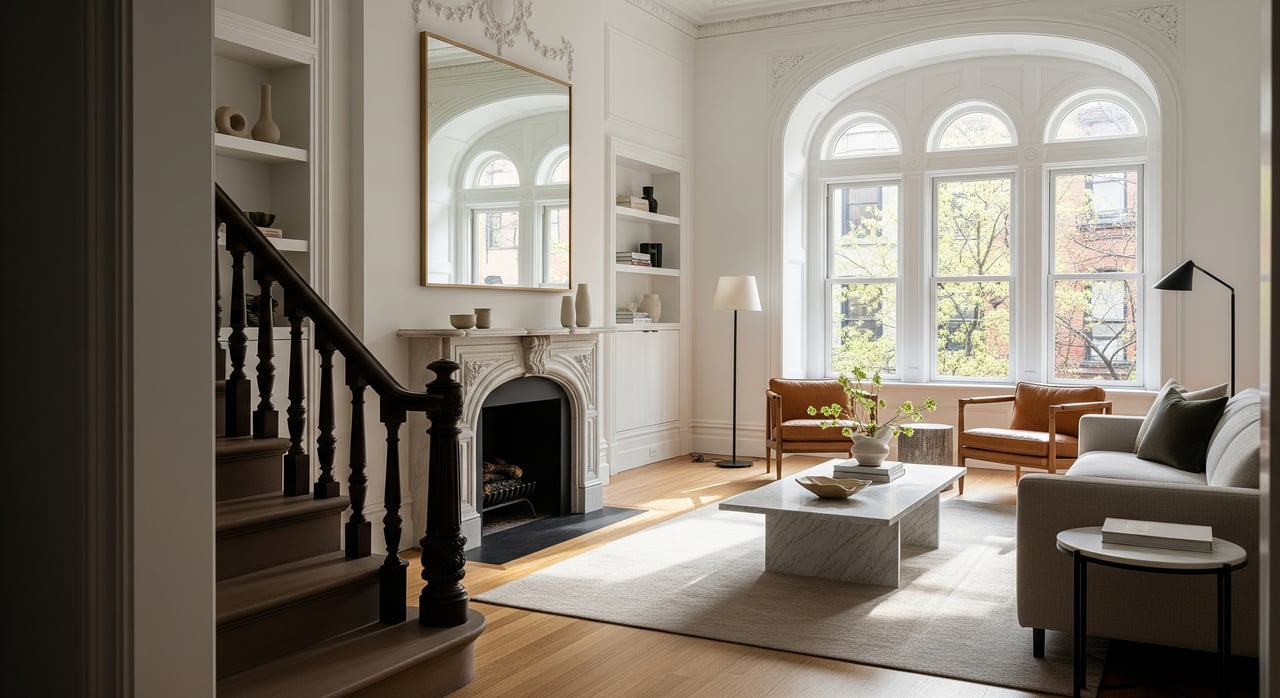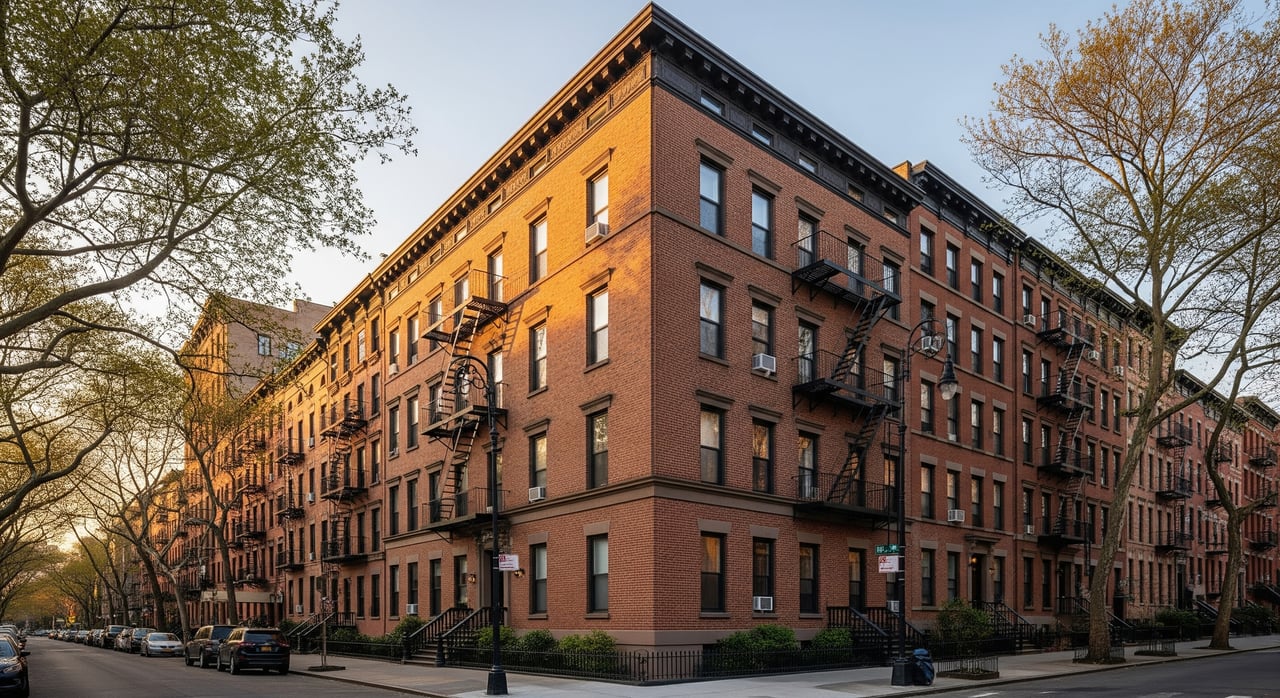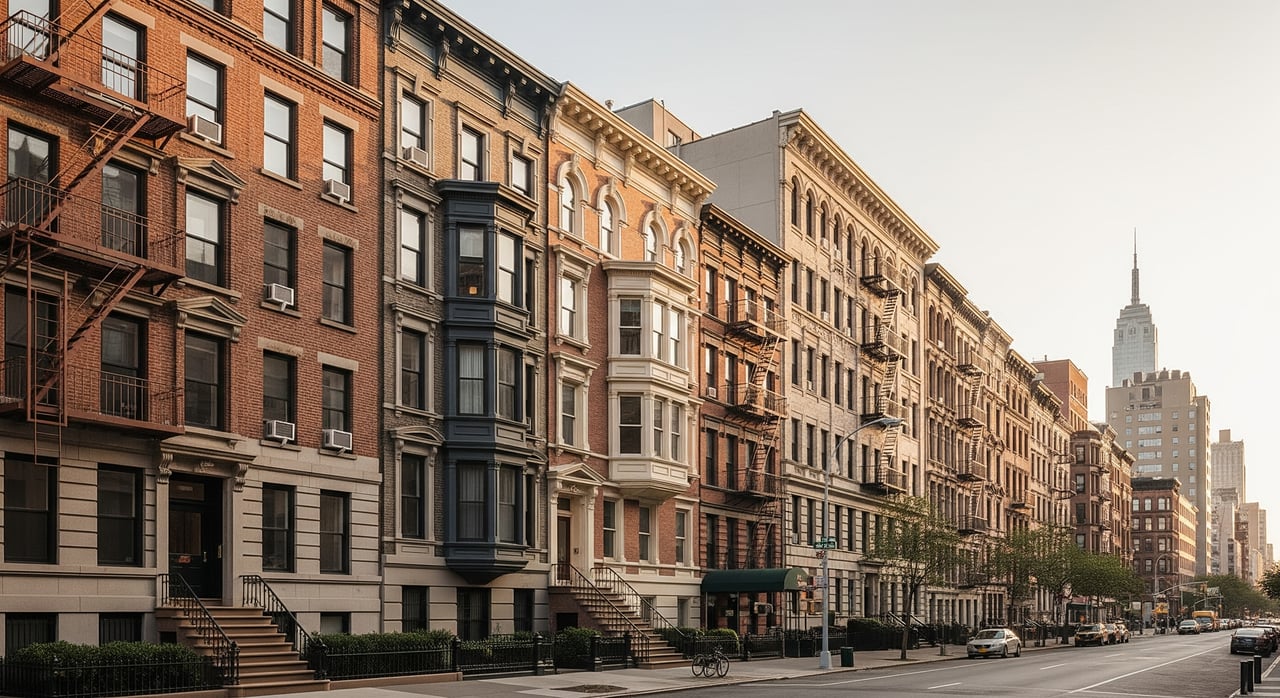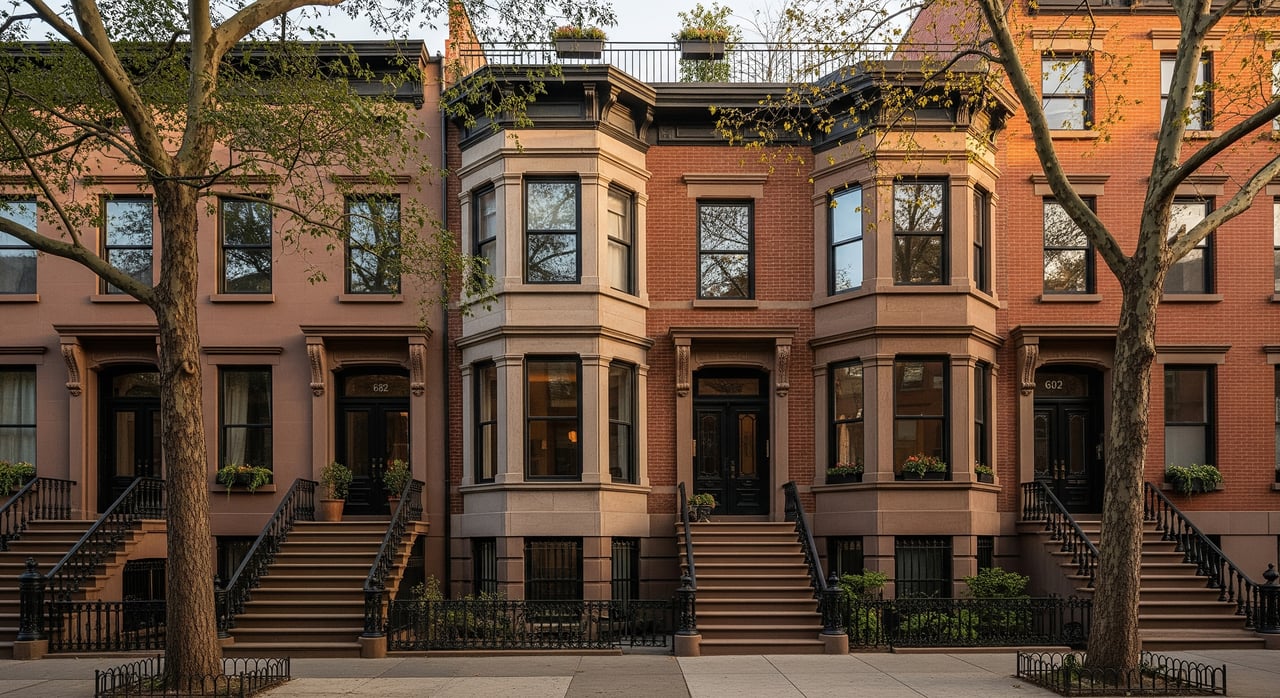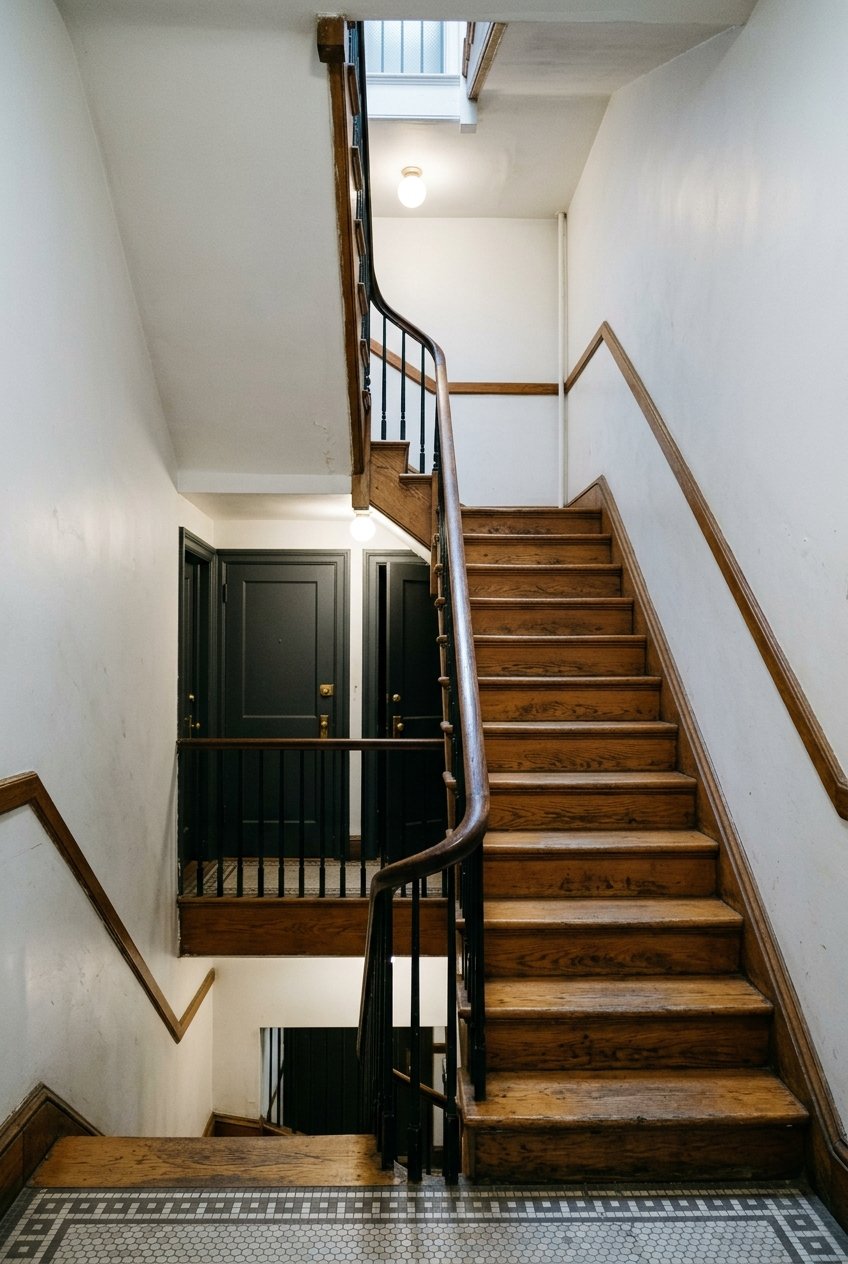
If you own a Park Slope brownstone, the biggest value question is often not whether to renovate. It is whether your current unit mix is actually the best use of the building. At a property like 632 President Street, small layout decisions can affect rent levels, leasing speed, refinance assumptions, and eventual sale positioning. This guide breaks down what current Park Slope data suggests about unit mix strategy and where owners should focus first. Let’s dive in.
Why unit mix matters at 632 President
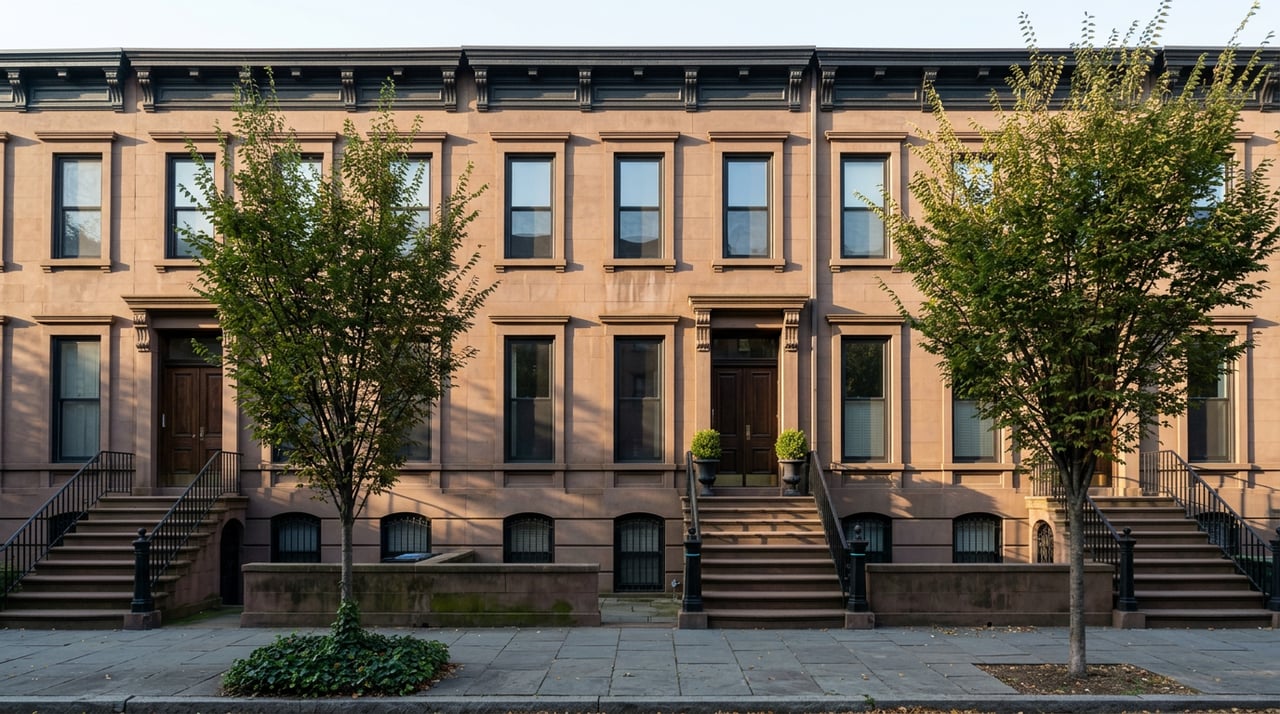
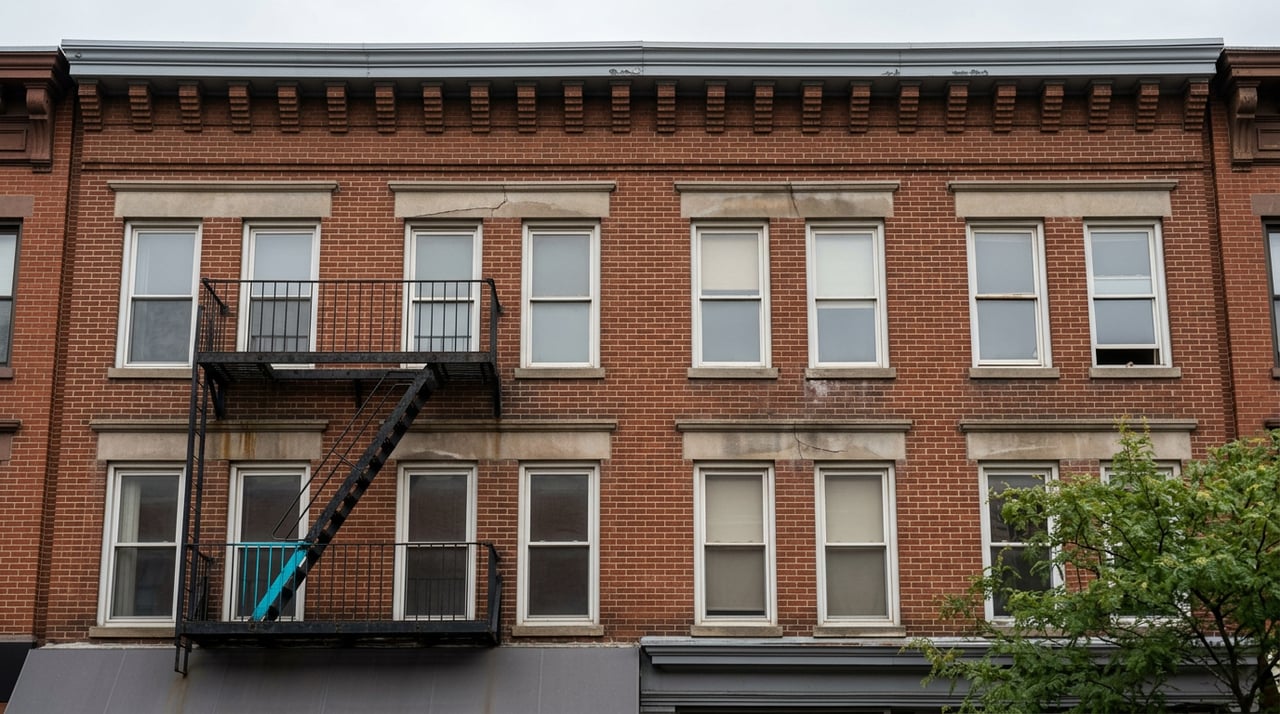
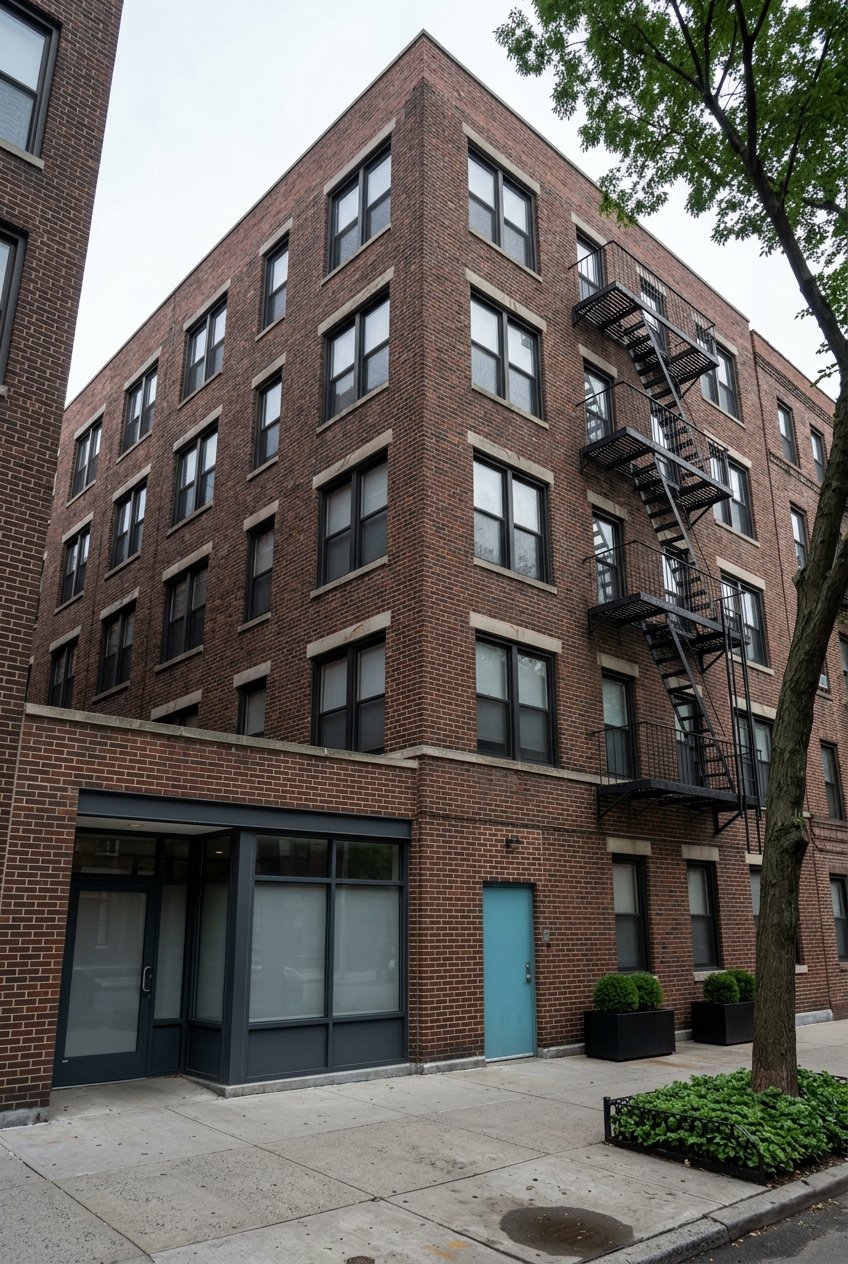
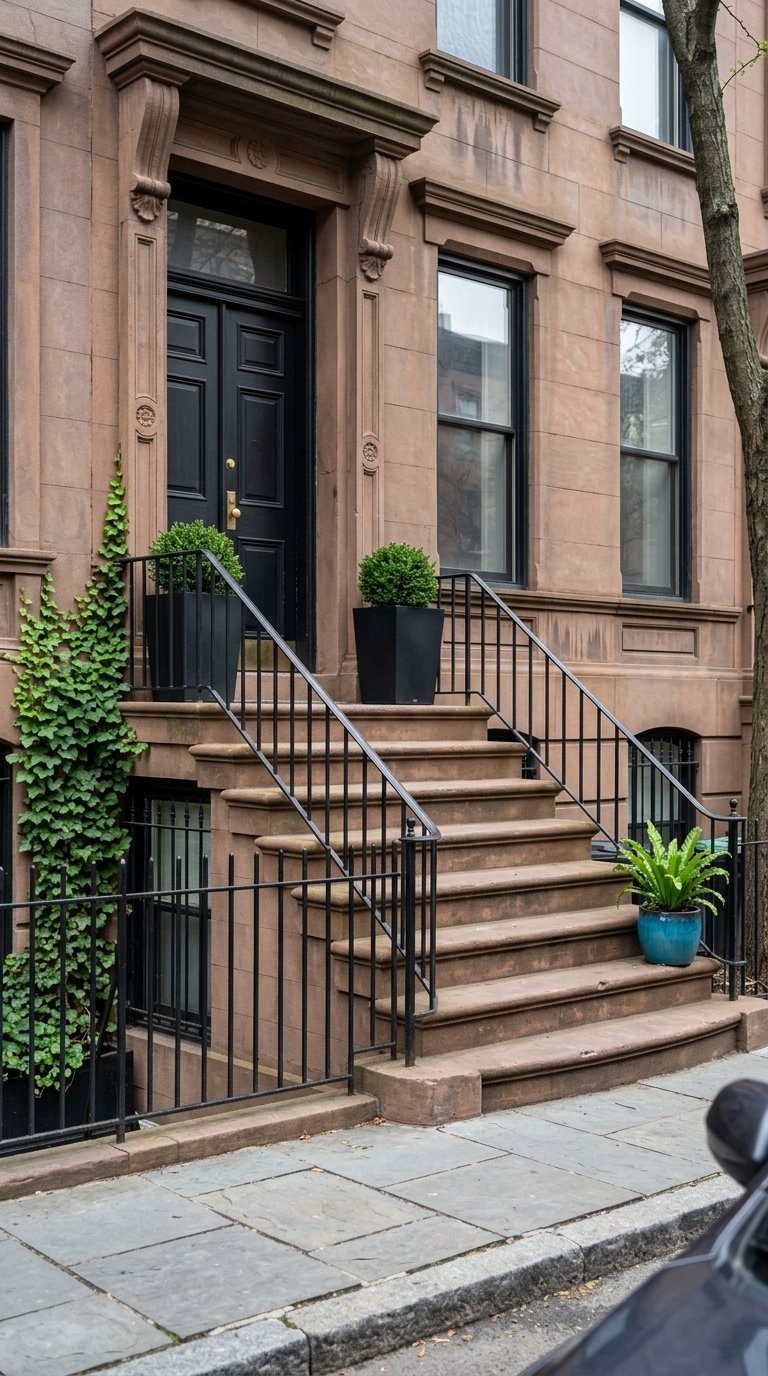
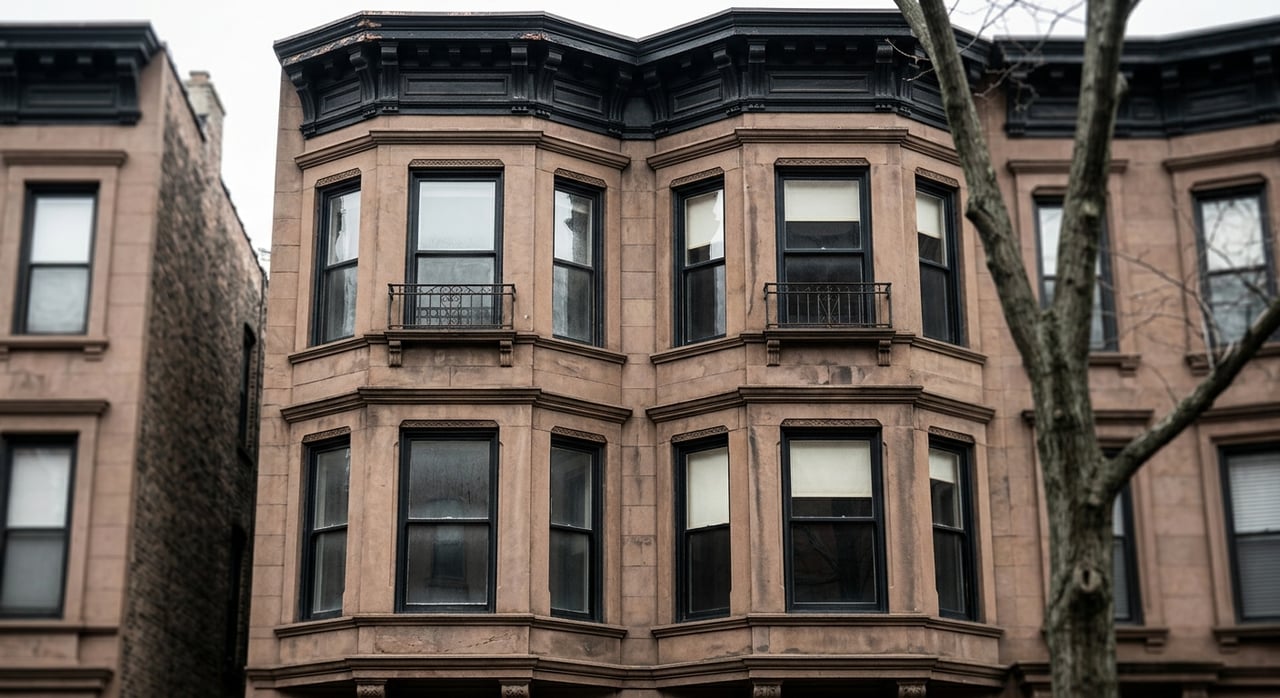
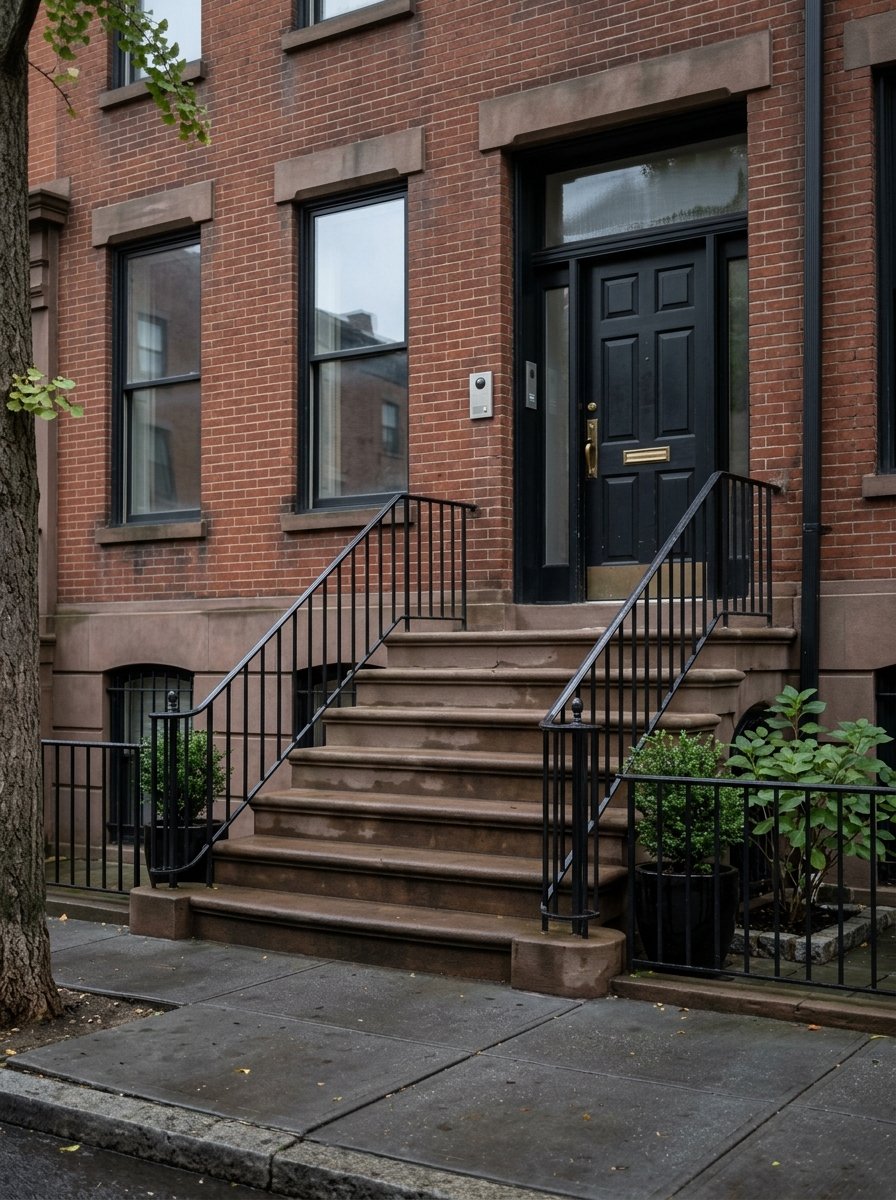
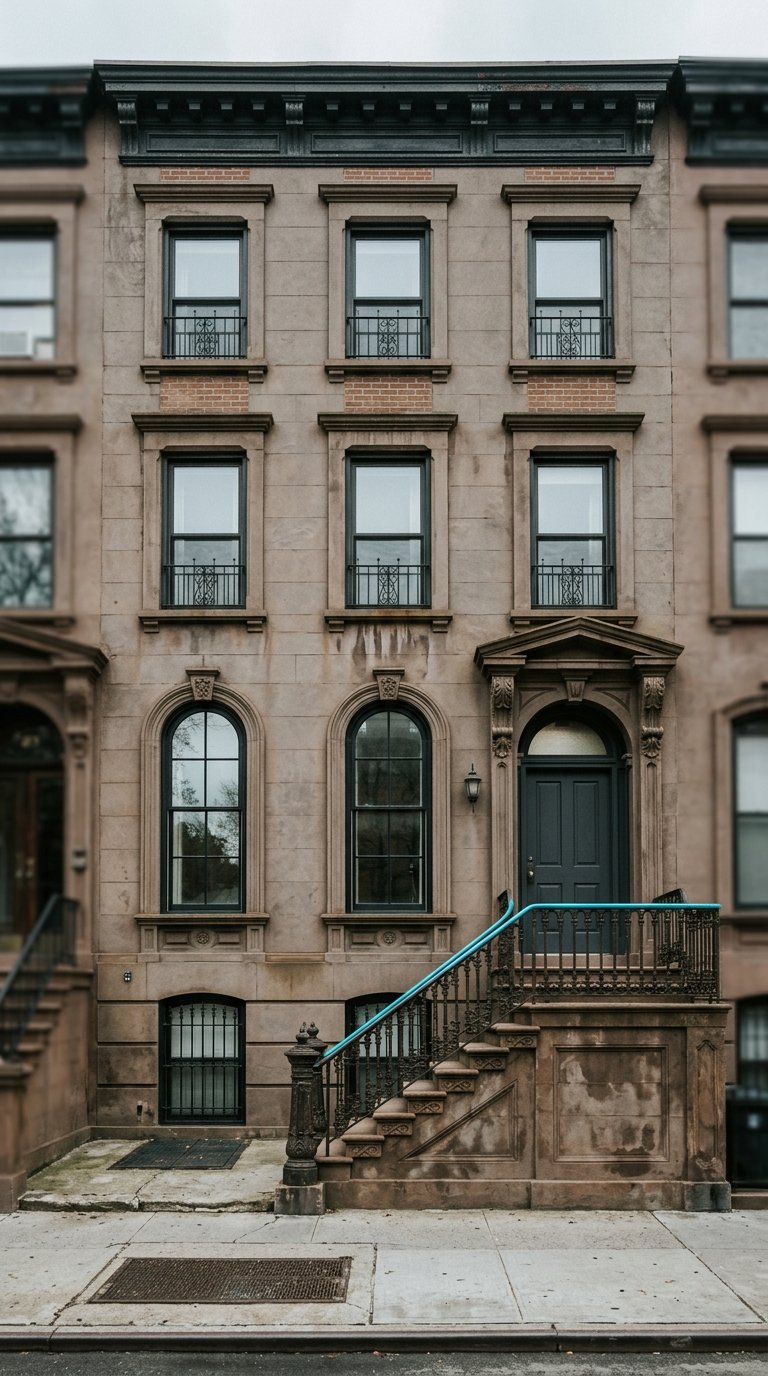
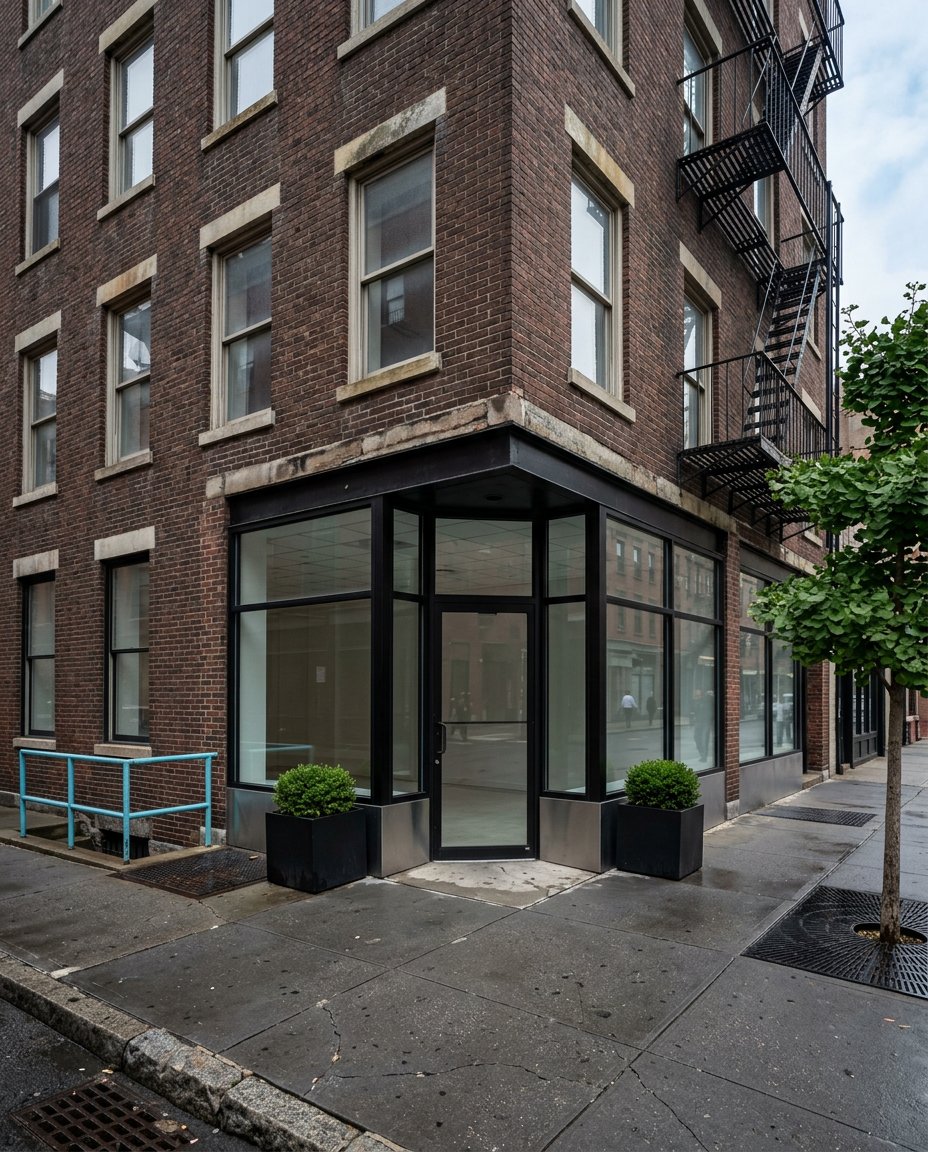
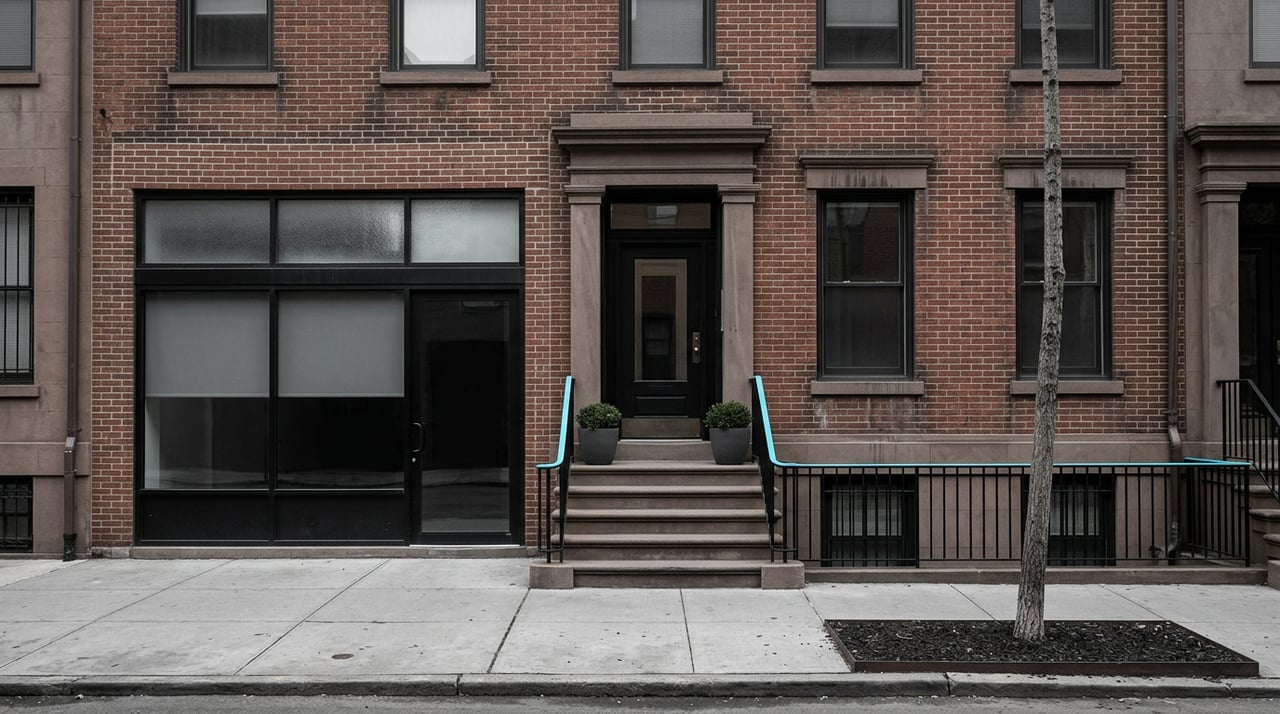
632 President Street is a 1920 four-story, four-family rowhouse-style building with about 3,060 square feet on a 1,387-square-foot lot. Public listing history also shows a mix of layouts over time, including a 2-bedroom garden unit, other 2-bedroom units, and 3-bedroom rentals.
That matters because it shows the building has already supported more than one apartment strategy. For an owner, that creates flexibility. Instead of assuming every floor should look the same, you can evaluate which layout best fits each level of the stack.
Park Slope favors function over unit count
In Park Slope, demand appears strong across more than one unit type. PadMapper’s June 2026 median rents show about $3,780 for 1-bedrooms and $5,100 for 2-bedrooms, while Corcoran’s May 2025 Brooklyn rental report put Brooklyn-wide averages at $3,926 for 1-bedrooms and $5,261 for 2-bedrooms.
The gap is meaningful. It suggests that moving from a 1-bedroom to a true 2-bedroom can create a sizable rent premium when the layout feels practical and livable.
Speed matters too. Corcoran reported average days on market of 34 for Brooklyn 2-bedrooms versus 38 for 1-bedrooms. That is not a dramatic difference, but it supports the idea that larger, well-planned units can lease efficiently.
The bigger takeaway is simple: in Park Slope, maximizing unit count at all costs is not always the smartest move. Current market signals point more toward preserving usable bedroom count, privacy, and natural flow.
Why 2-bedrooms look like the sweet spot
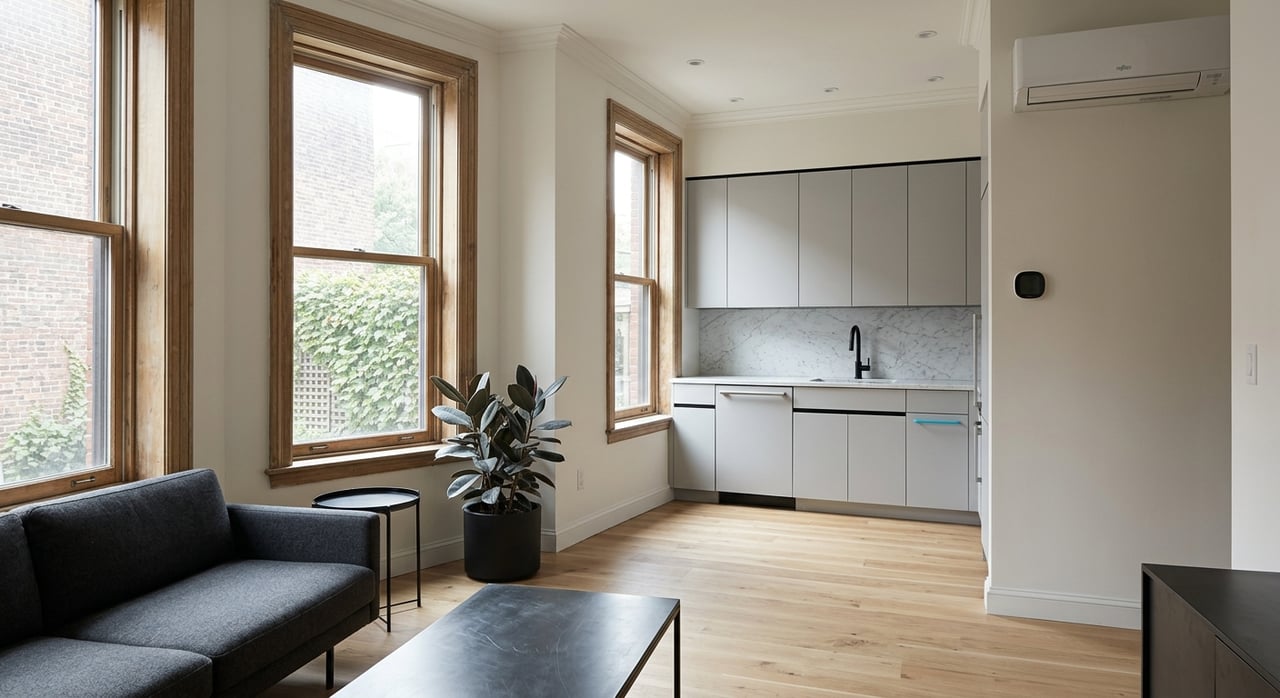
For brownstones like 632 President, true 2-bedroom units often hit the most balanced point between rent level and broad tenant demand. They are large enough to appeal to a wide renter pool, but still efficient enough to fit comfortably within many traditional rowhouse floor plates.
Current listing patterns in Park Slope support that. Brownstone and duplex listings commonly highlight features like separate bedrooms, office flexibility, eat-in kitchens, and in-unit washer and dryer as reasons for stronger pricing.
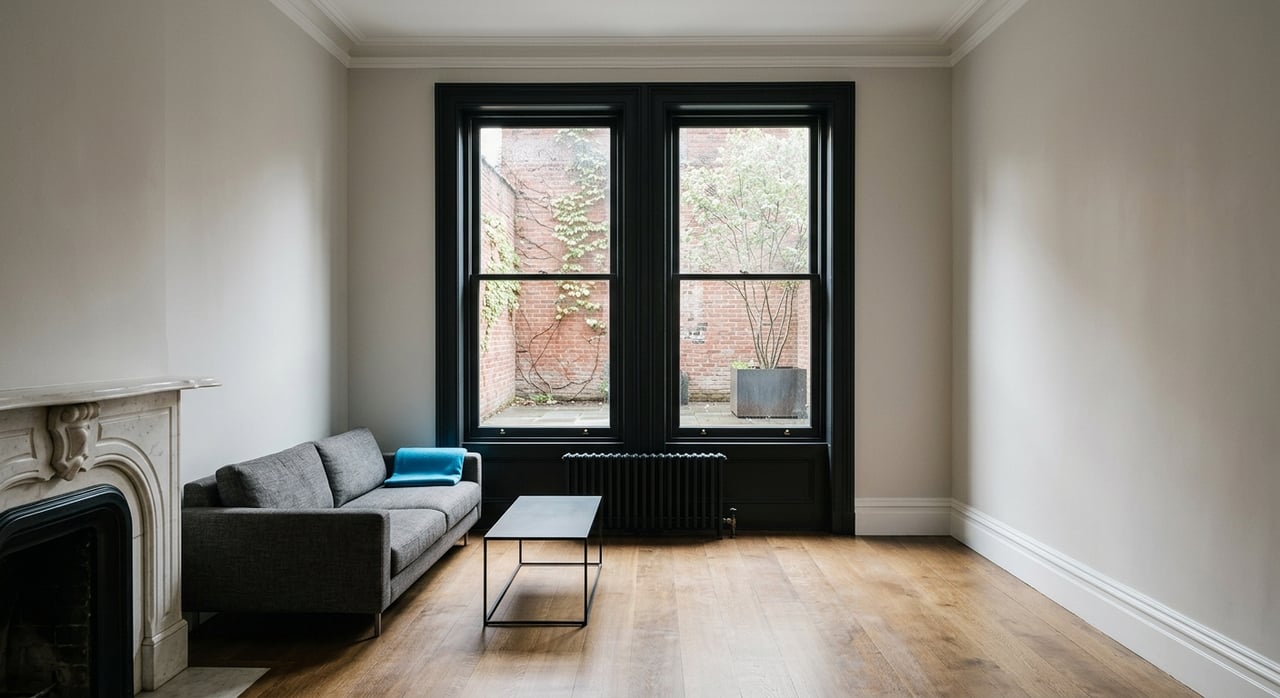
This is especially relevant in a four-story building where not every floor has equal light, ceiling height, or privacy. A clean, functional 2-bedroom can often outperform an awkwardly carved 3-bedroom or an oversized 1-bedroom that leaves value on the table.
Where 1-bedrooms still make sense
That does not mean every apartment should become a 2-bedroom. One-bedrooms remain a liquid format in Park Slope, with current median rent around $3,780, and renovated garden examples often asking roughly $4,000 to $4,500 when they offer privacy or quality finishes.
In a brownstone stack, the best 1-bedroom candidate is usually not the best floor in the building. In practical terms, owners often get stronger overall results by placing a 1-bedroom on the least family-oriented floor plate rather than using premium parlor-level space for a smaller layout.
That kind of placement strategy matters. You want your strongest square footage working hardest for you.
Garden and duplex layouts can punch above their weight
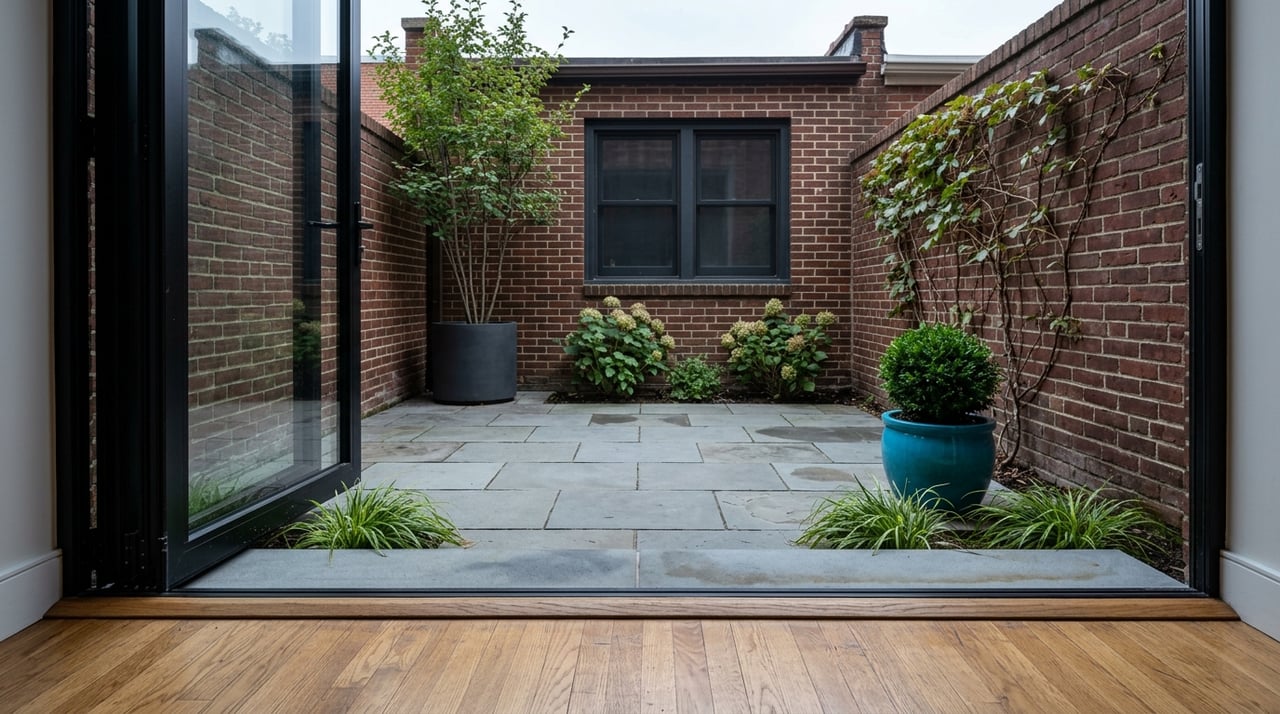
At a property like 632 President, the garden level deserves special attention. Recent Park Slope examples show that renovated garden units with privacy or outdoor access can command strong rents, including 623 President Street #GARDEN at $4,500, 427 First Street #GARDEN at $4,000, and 339 1st Street #GARDEN at $4,050 for a renovated 2-bedroom with private backyard access.
Duplexes can also outperform standard floor-throughs when they create a clear split between living and sleeping areas. In Park Slope, an upper duplex at 227 Garfield Place was marketed at $8,000 for 3 bedrooms and 2 baths, showing the premium that can come from more functional larger-format product.
For owners, the lesson is not that every duplex will automatically win. The lesson is that a duplex or garden configuration can outperform when it adds something tangible, like outdoor space, better privacy, or a more natural room layout.
A practical unit-mix strategy for buildings like this
For a four-unit Park Slope brownstone, the most defensible approach is often a mixed stack rather than four near-identical apartments. Based on the building history at 632 President and current neighborhood data, a strategy like this may be worth evaluating:
- One premium garden or garden-parlor duplex
- One or two true 2-bedroom units
- One smaller 1-bedroom or flexible unit
Why does this structure make sense? Because it aligns the building with how the market is actually pricing space. It also gives you product diversity, which can reduce leasing risk and broaden the future buyer pool.
A mixed stack may also support better sale storytelling. Buyers often respond well when a building offers both stable, rentable layouts and one or two premium units that help lift the overall income profile.
Historic district rules shape the best value-add path
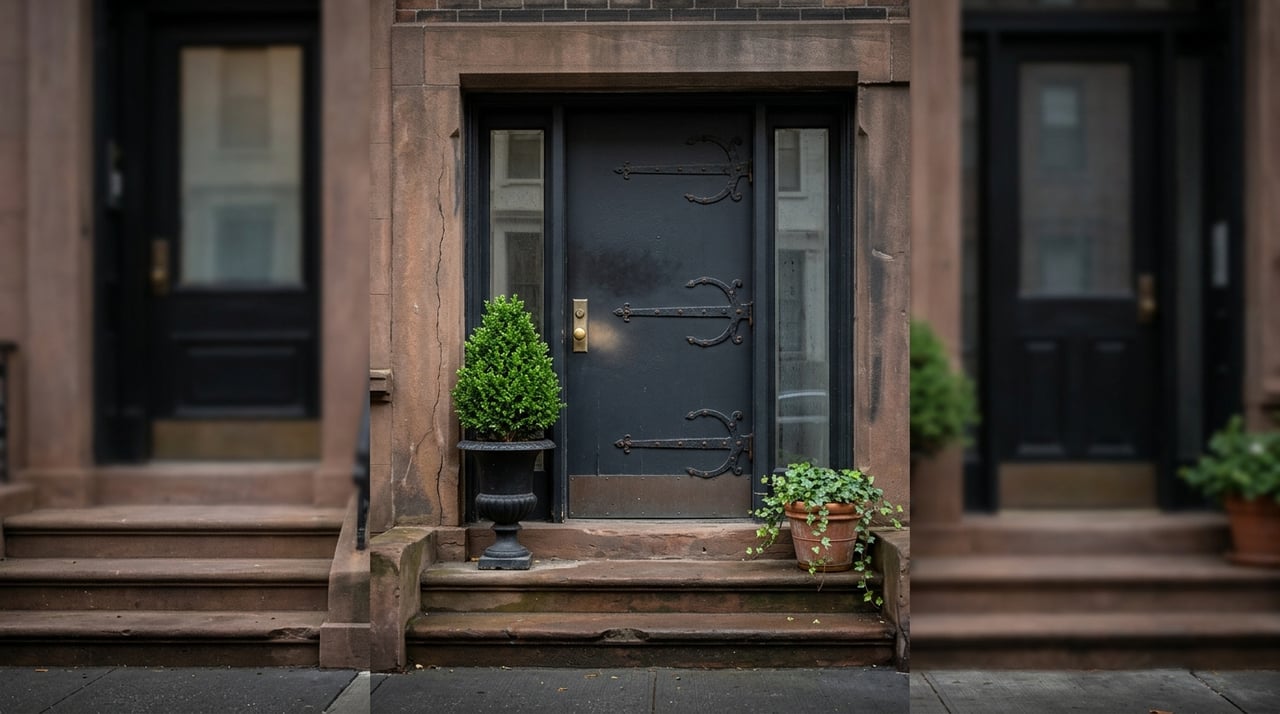
Park Slope is known for its consistent rowhouse fabric and architectural integrity. If a building is designated or located in a historic district, the Landmarks Preservation Commission generally must approve most exterior changes before work begins, while interior work is usually outside LPC review unless it affects the exterior or requires a Department of Buildings permit.
That has a direct impact on strategy. In many cases, the most realistic value-add plan is not a major exterior expansion. It is interior reconfiguration, bedroom-count optimization, and amenity upgrades that fit the existing structure.
For owners, this means the highest-return work may be less visible from the street but more powerful in the rent roll. Better layouts, upgraded kitchens and baths, improved storage, and in-unit laundry can do more for income than a complicated exterior plan.
Refinance and sale decisions depend on the rent story
Unit mix is not only about monthly rent. It also affects how a lender or buyer reads the asset. A building with practical, market-aligned layouts can present as more durable income, especially in a neighborhood with strong fundamentals.
Park Slope’s resale market remains active. Redfin reports a median sale price of $1,749,350 over the last three months, up 8.7% year over year, with 49 median days on market and a 100% sale-to-list ratio.
If you are thinking about refinancing or selling, layout strategy becomes part of your underwriting story. Buyers are not just buying the current rent roll. They are buying the future income potential of the building.
Confirm rent regulation before projecting upside
Before underwriting major rent growth, you should confirm whether any units are rent stabilized. New York State Homes and Community Renewal notes that rent stabilization in New York City generally depends on building age, unit count, and tax-benefit history.
For leases beginning between October 1, 2025 and September 30, 2026, the Rent Guidelines Board apartment order allows 3% increases on one-year renewals and 4.5% on two-year renewals. That means projected upside should reflect actual regulatory status, not assumptions.
For owners, this is a key discipline point. A good unit-mix plan only works when it is matched with realistic legal and financial assumptions.
What owners should evaluate first
If you own a building like 632 President, start with the fundamentals before making layout changes:
- Review each floor’s light, privacy, and access
- Identify which level can support the strongest premium layout
- Compare the income tradeoff between a true 2-bedroom and a smaller 1-bedroom
- Assess whether a garden or duplex configuration adds real utility
- Confirm any landmark, permit, or rent-regulation constraints
- Underwrite the effect on refinance proceeds and sale positioning
This kind of review helps you avoid cosmetic decisions that do not move value. The goal is to match the building’s physical reality with today’s Park Slope demand.
In a neighborhood like this, owners often create the strongest outcomes by being selective, not aggressive. A smart mix of larger, functional units can produce a better rent story and a better exit story than simply chasing the highest apartment count.
If you are weighing whether to hold, refinance, or sell a Park Slope brownstone, the right unit-mix analysis can clarify your next move. For discreet, data-driven guidance on positioning multifamily assets for maximum value, connect with Exodus Capital.
FAQs
What unit mix tends to work best in Park Slope brownstones?
- Current Park Slope data suggests that a mix with strong 2-bedroom product, plus a premium garden or duplex unit and possibly one smaller 1-bedroom, is often more compelling than an all-small-unit layout.
Why are 2-bedroom units important in Park Slope rentals?
- Current rent data shows 2-bedrooms command a meaningful premium over 1-bedrooms, and Brooklyn-wide leasing data indicates they also move slightly faster on average.
Can a garden unit at 632 President support premium rent?
- Public Park Slope rental examples show garden units can achieve strong pricing when they offer privacy, renovation quality, and in some cases outdoor access.
Do historic district rules limit brownstone renovations in Park Slope?
- Exterior changes often require prior LPC approval, while interior work is usually outside LPC review unless it affects the exterior or requires a DOB permit.
Should owners of four-family buildings in Park Slope create more small apartments?
- Not necessarily. Current market signals suggest owners may see better results by preserving livable layouts, usable bedroom count, and privacy instead of maximizing unit count alone.
Why does unit mix matter when selling a Park Slope multifamily property?
- Unit mix shapes the rent roll, future income potential, and buyer perception of the asset, all of which can influence refinance options and sale positioning.