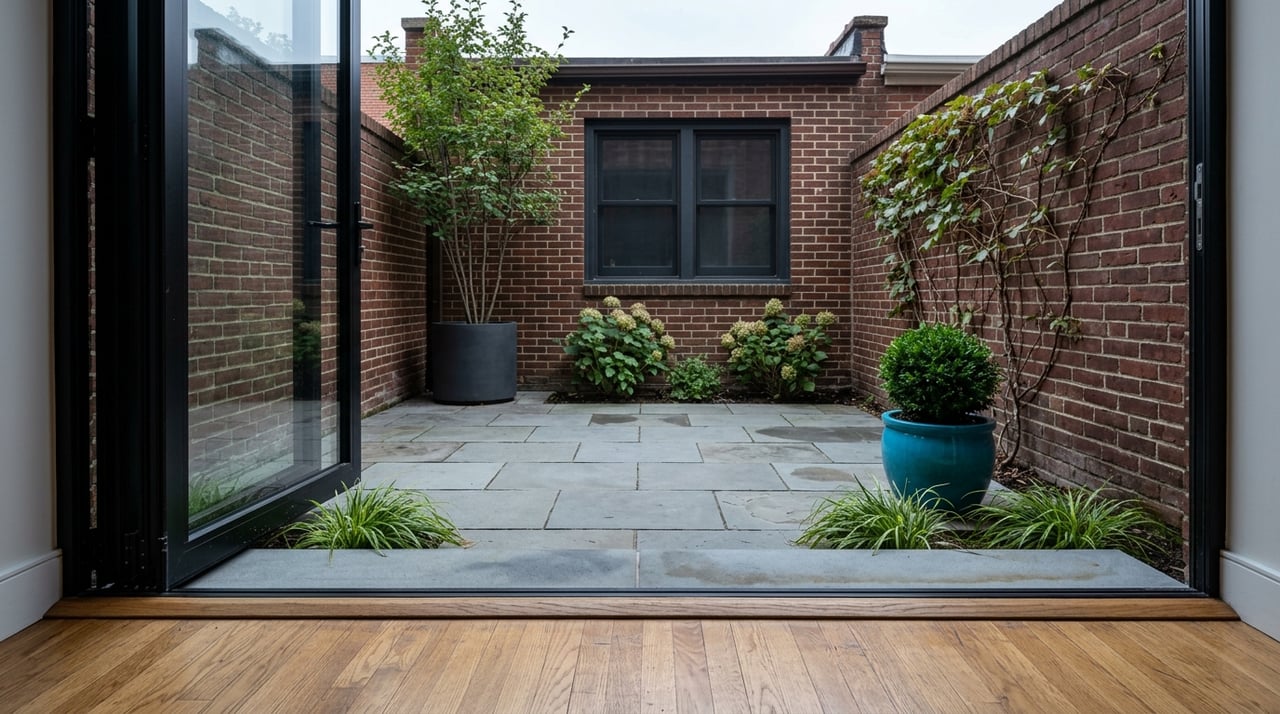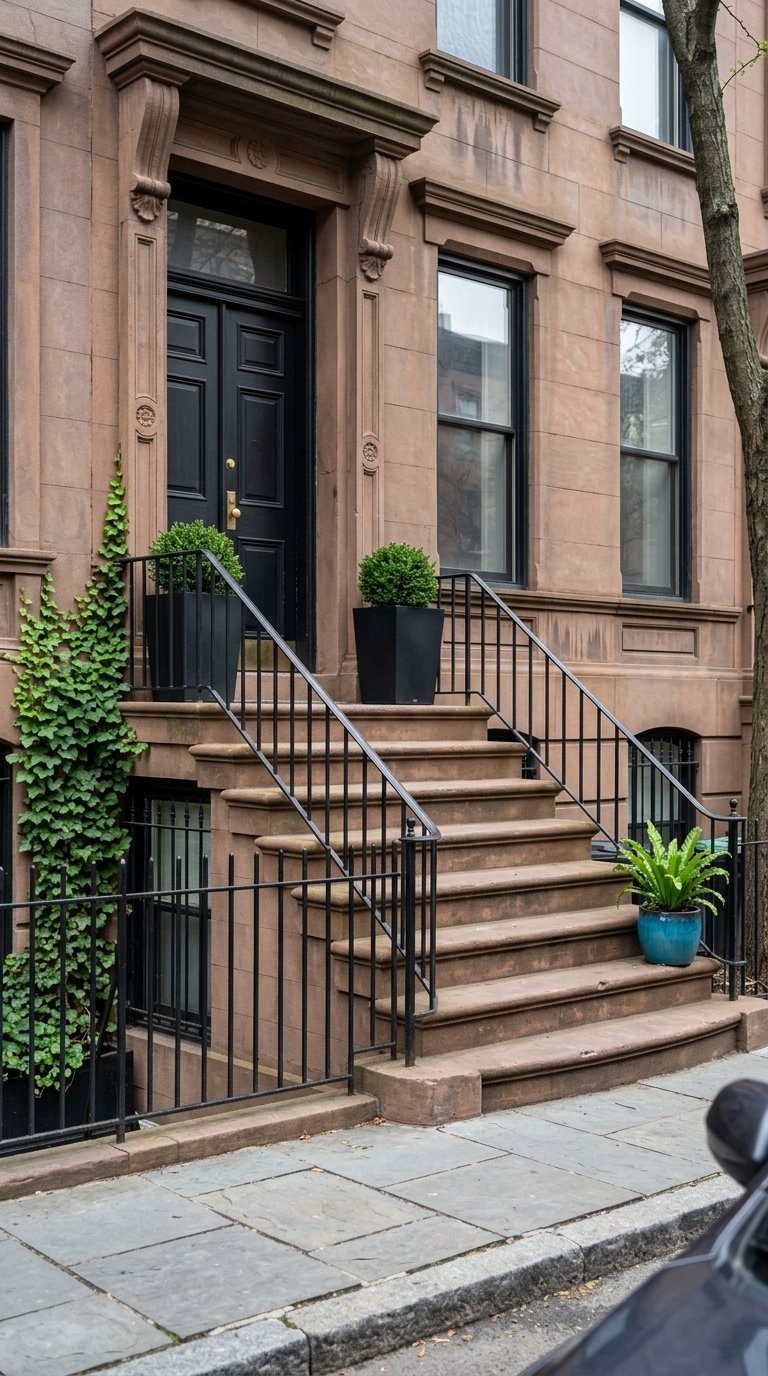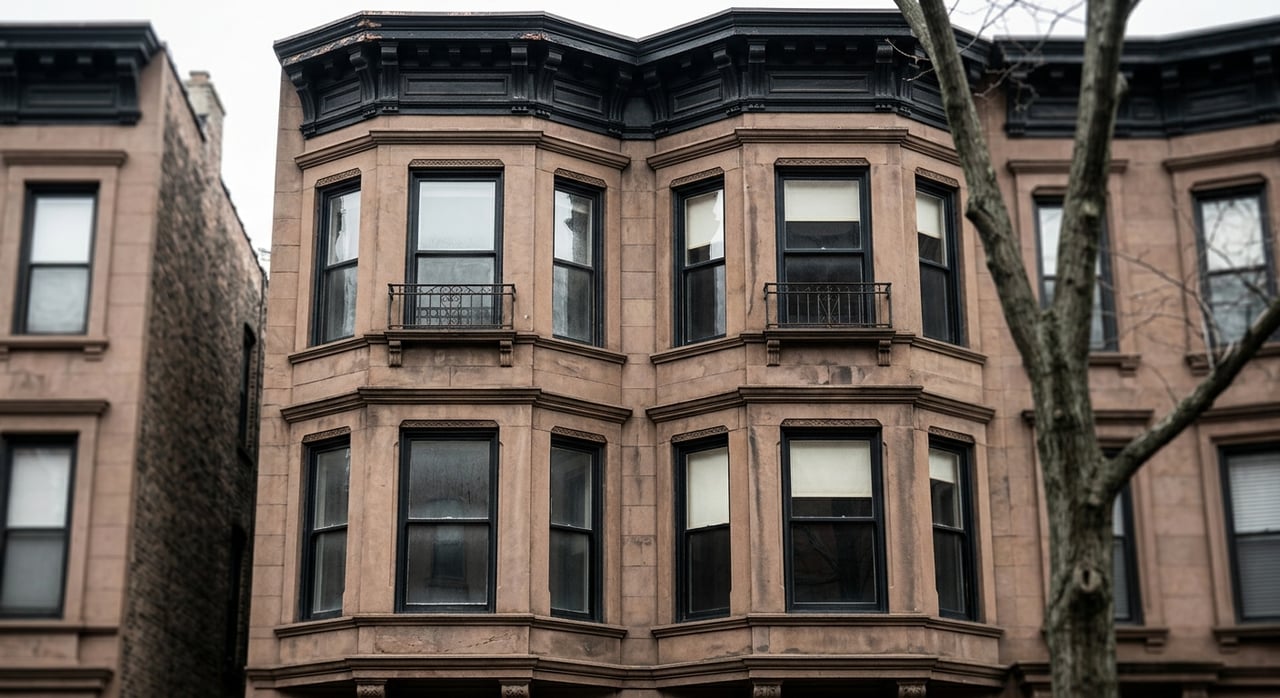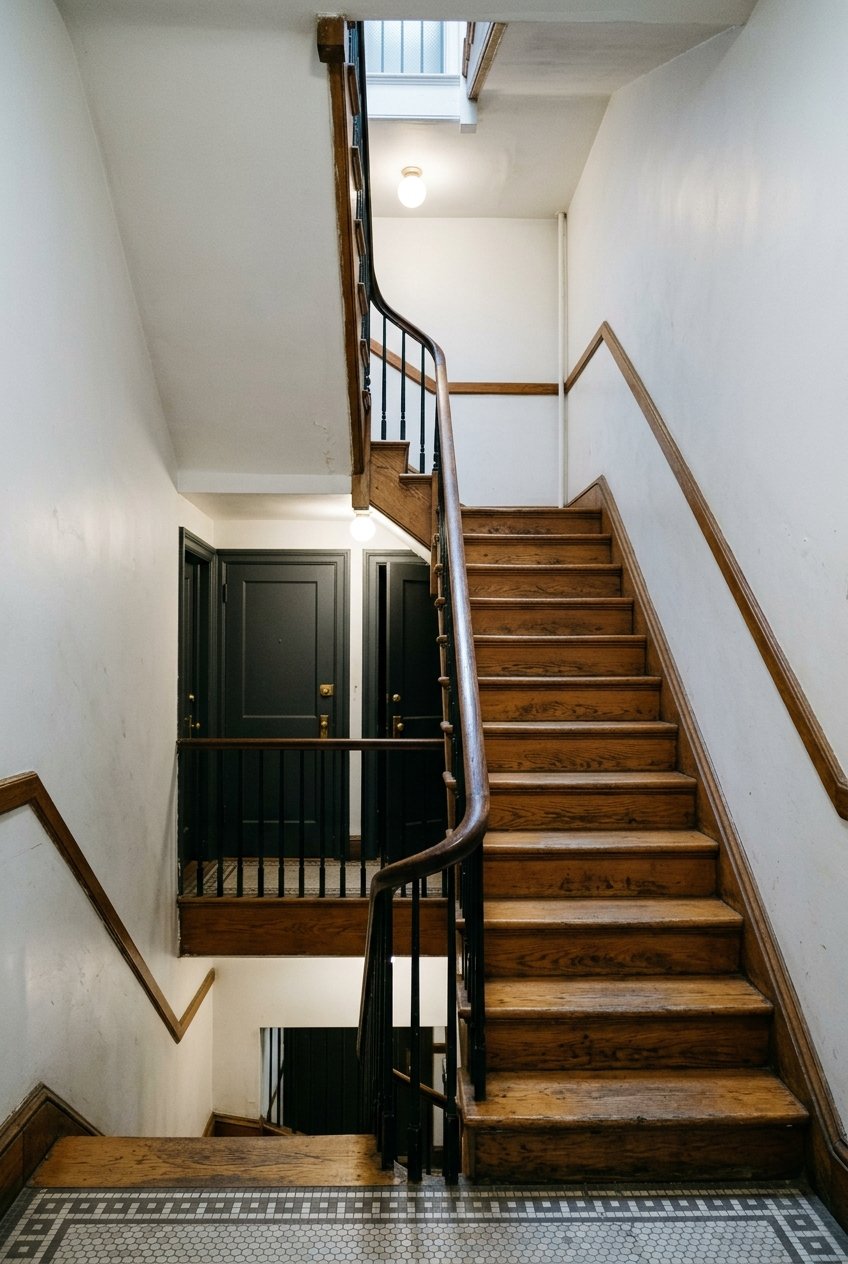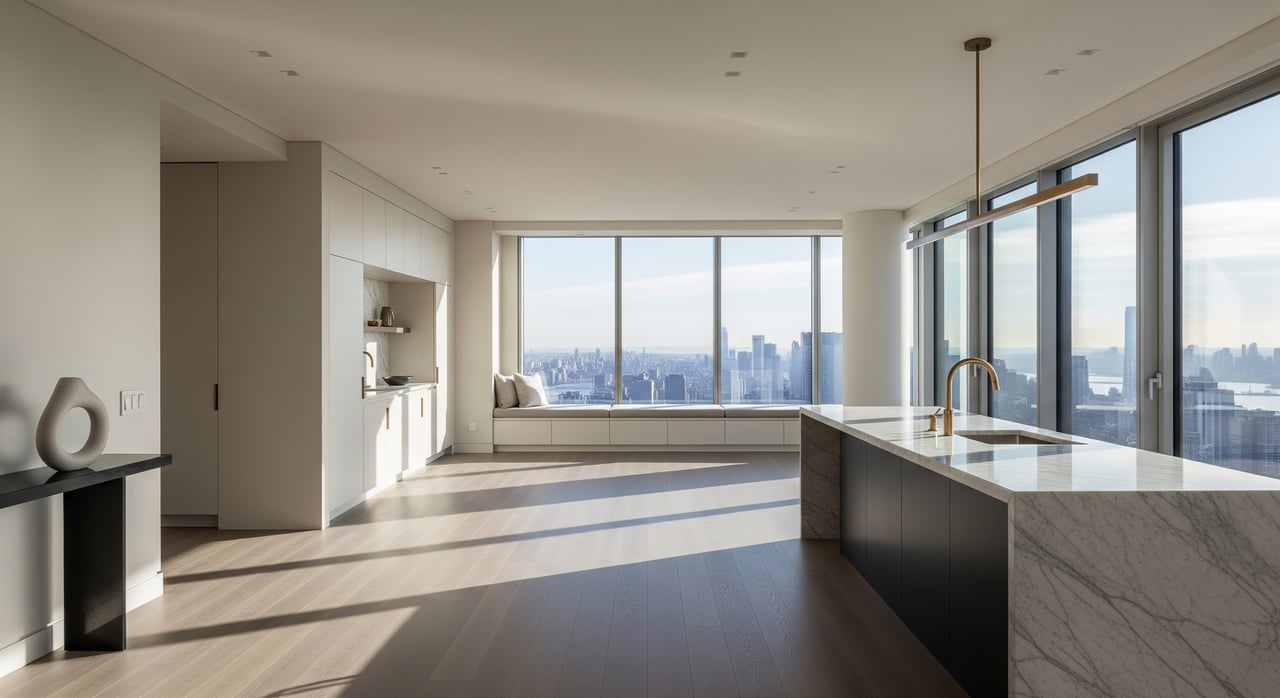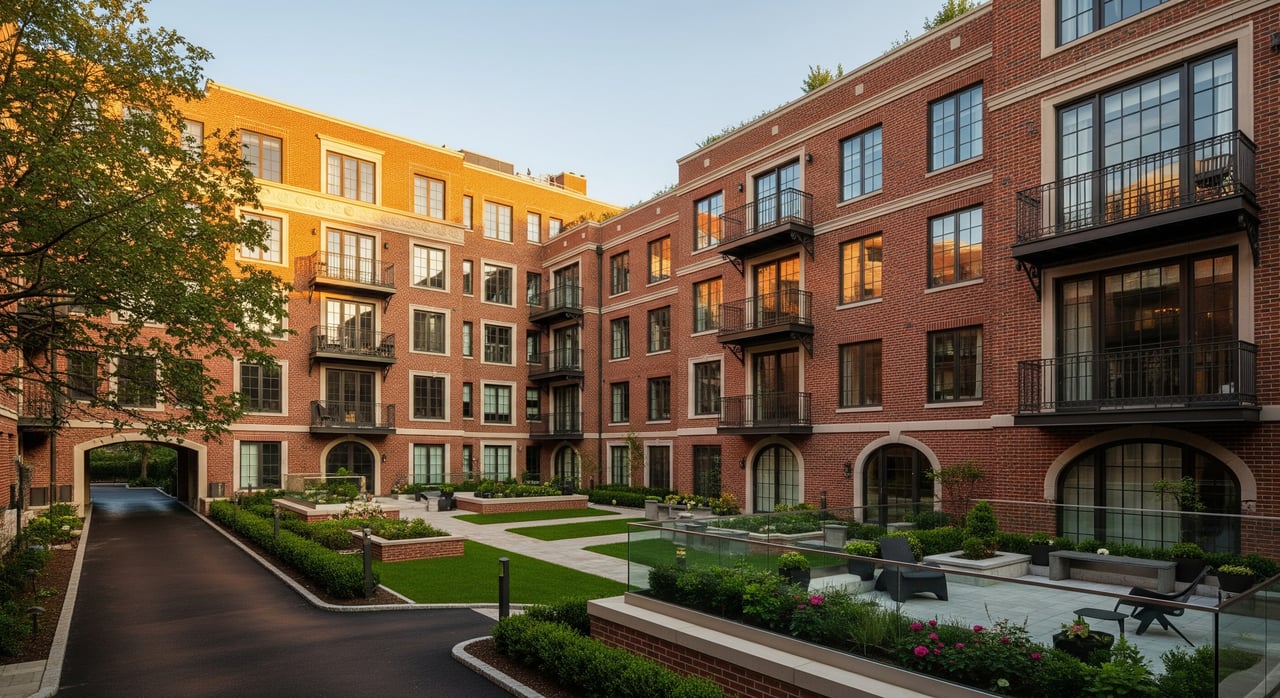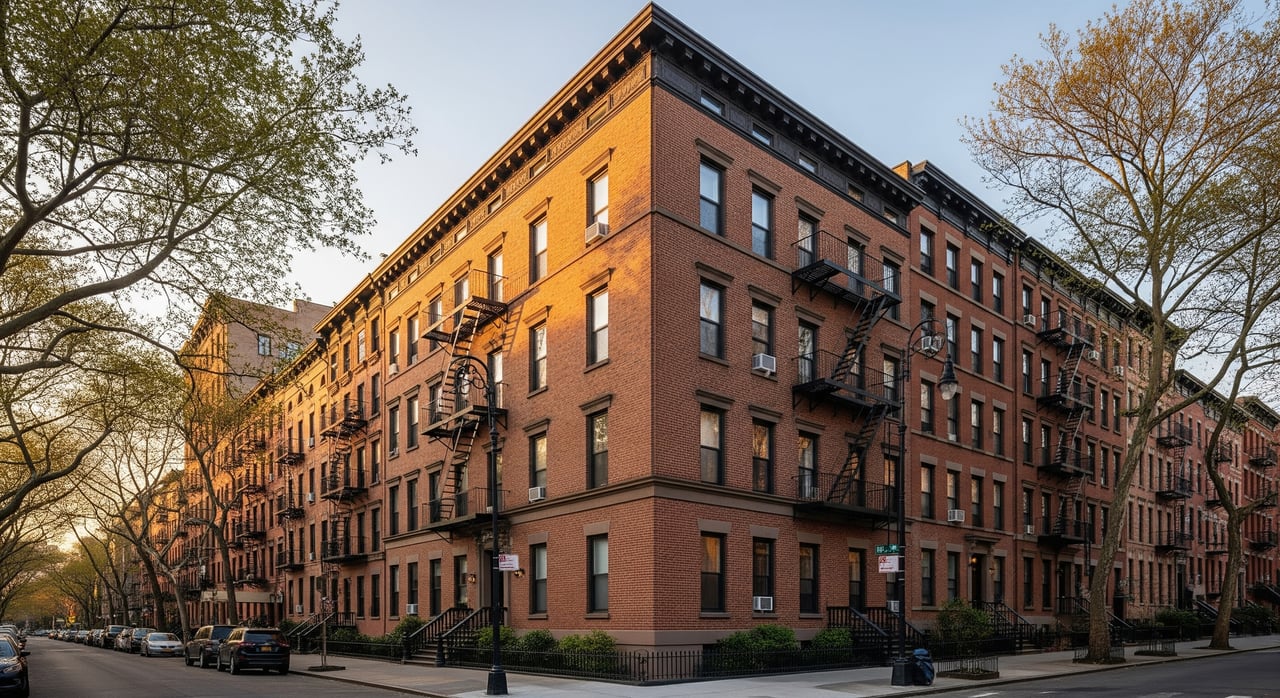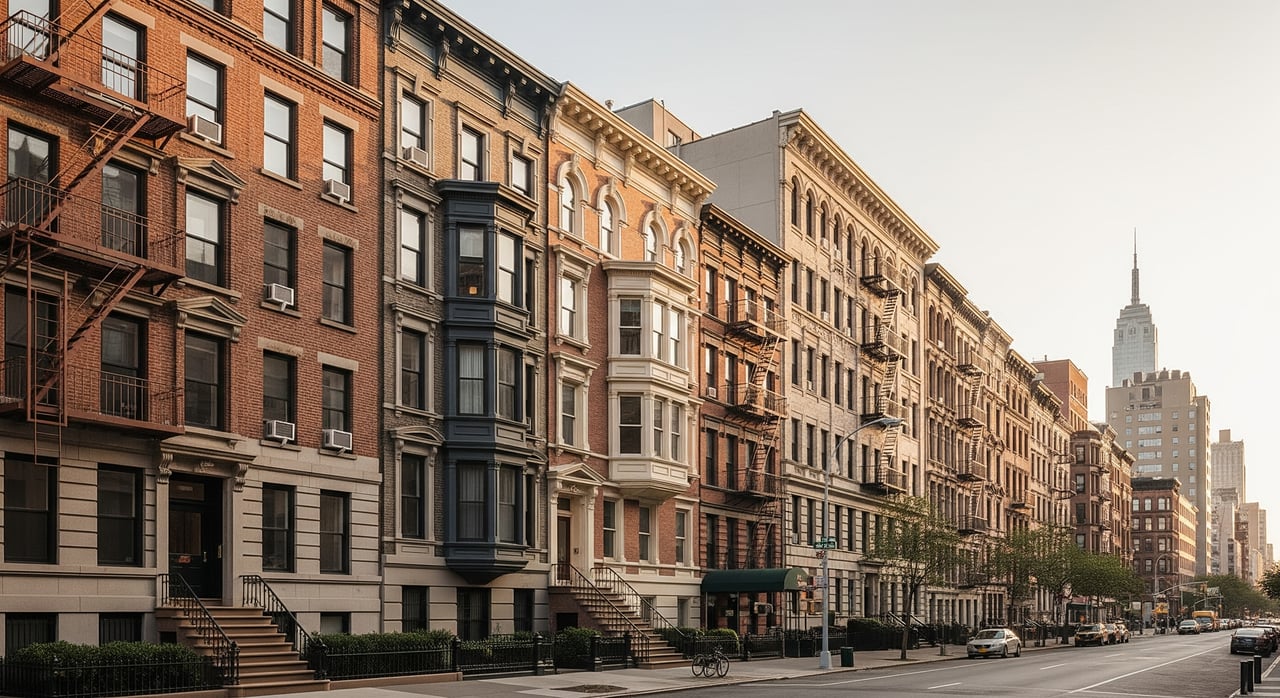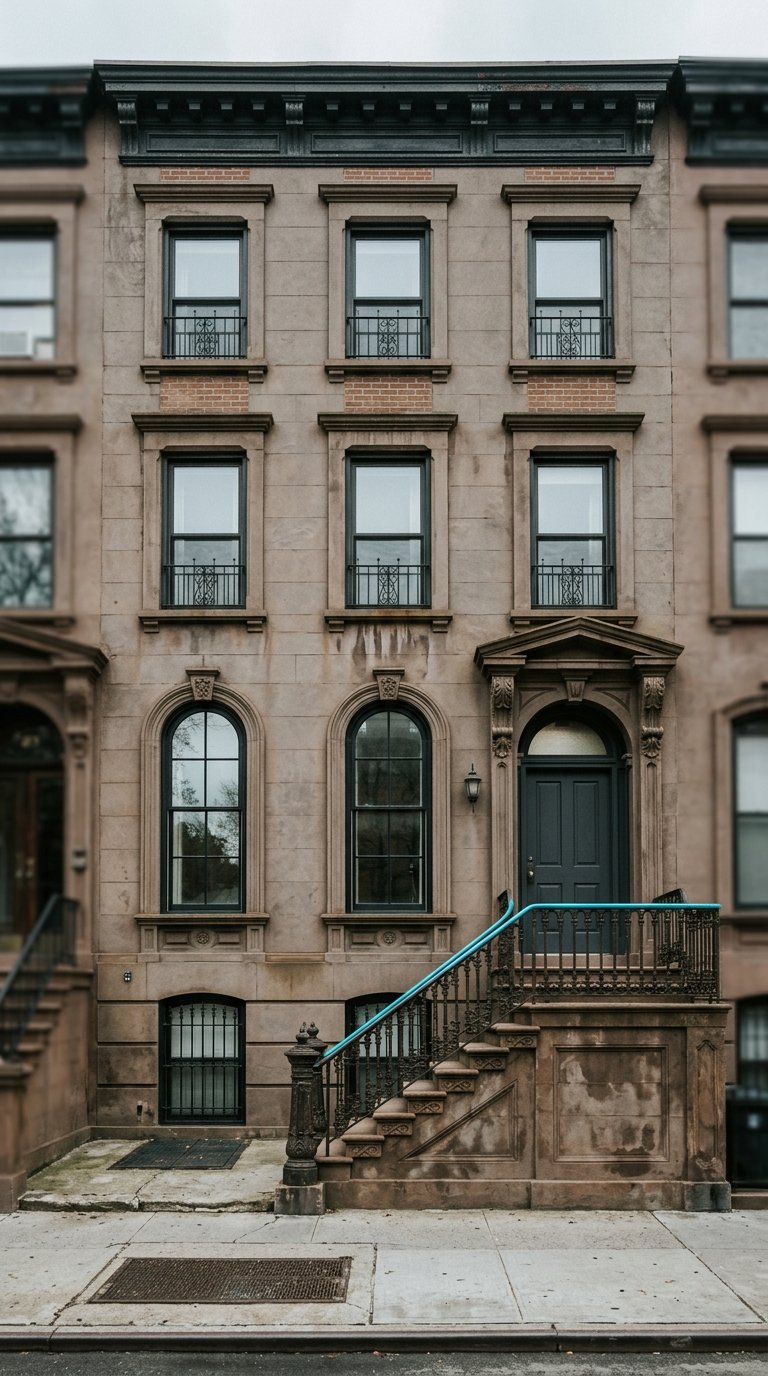
If you own or are evaluating a property like 632 President Street, one question matters more than most: who is actually in the buyer pool? A Brooklyn brownstone-style 2-4 family asset does not trade like a large NYC multifamily portfolio, even when both sit in strong markets. Knowing the difference can help you price more accurately, market more effectively, and avoid the wrong sales strategy. Let’s dive in.
Why 632 President Street Is Different
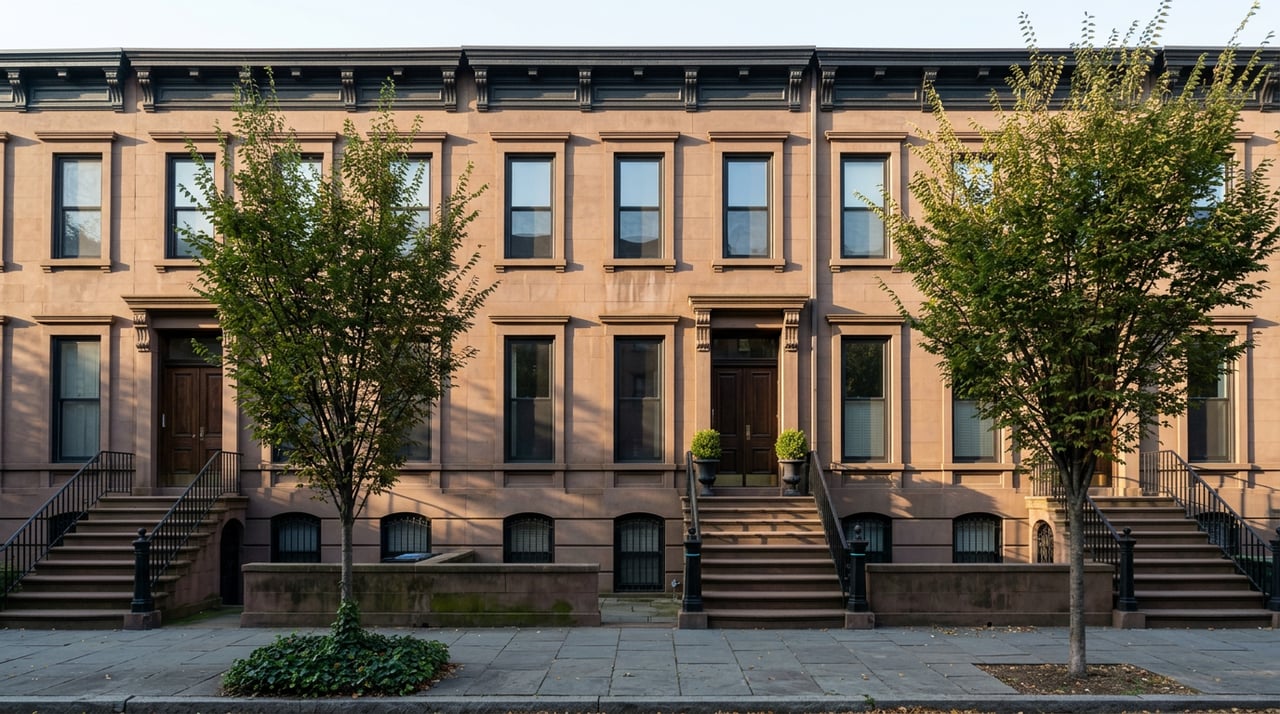
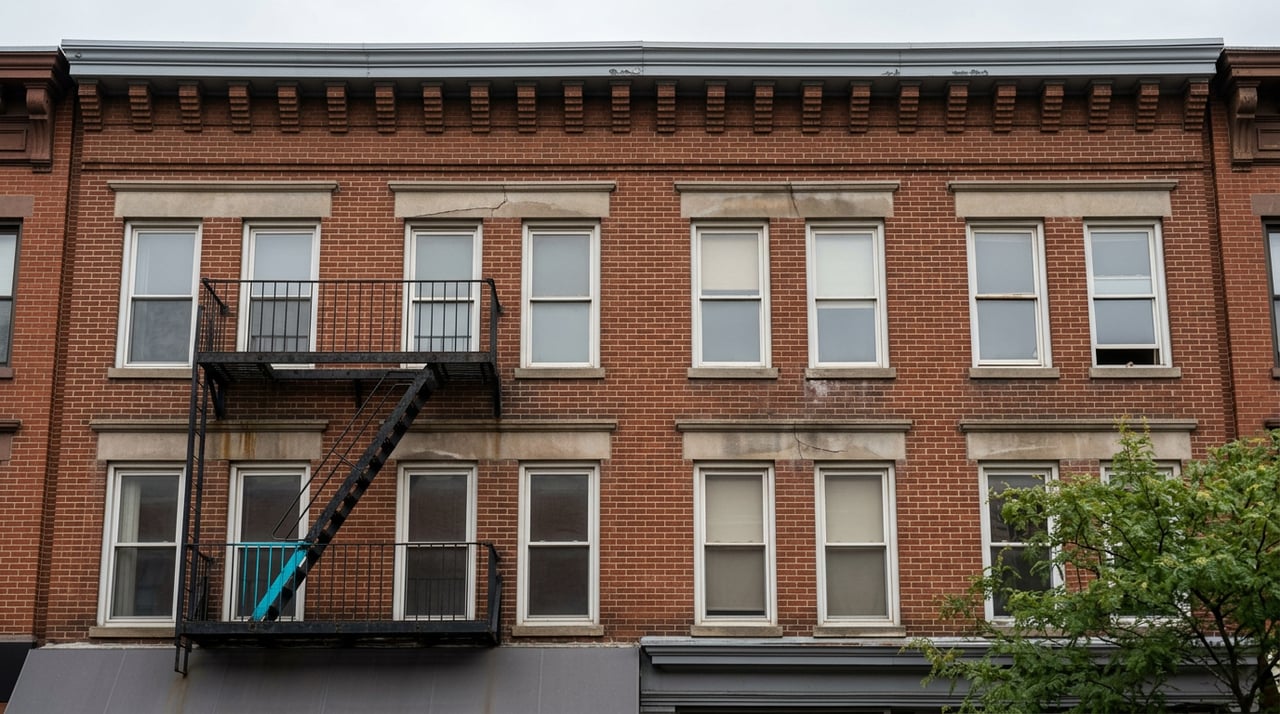
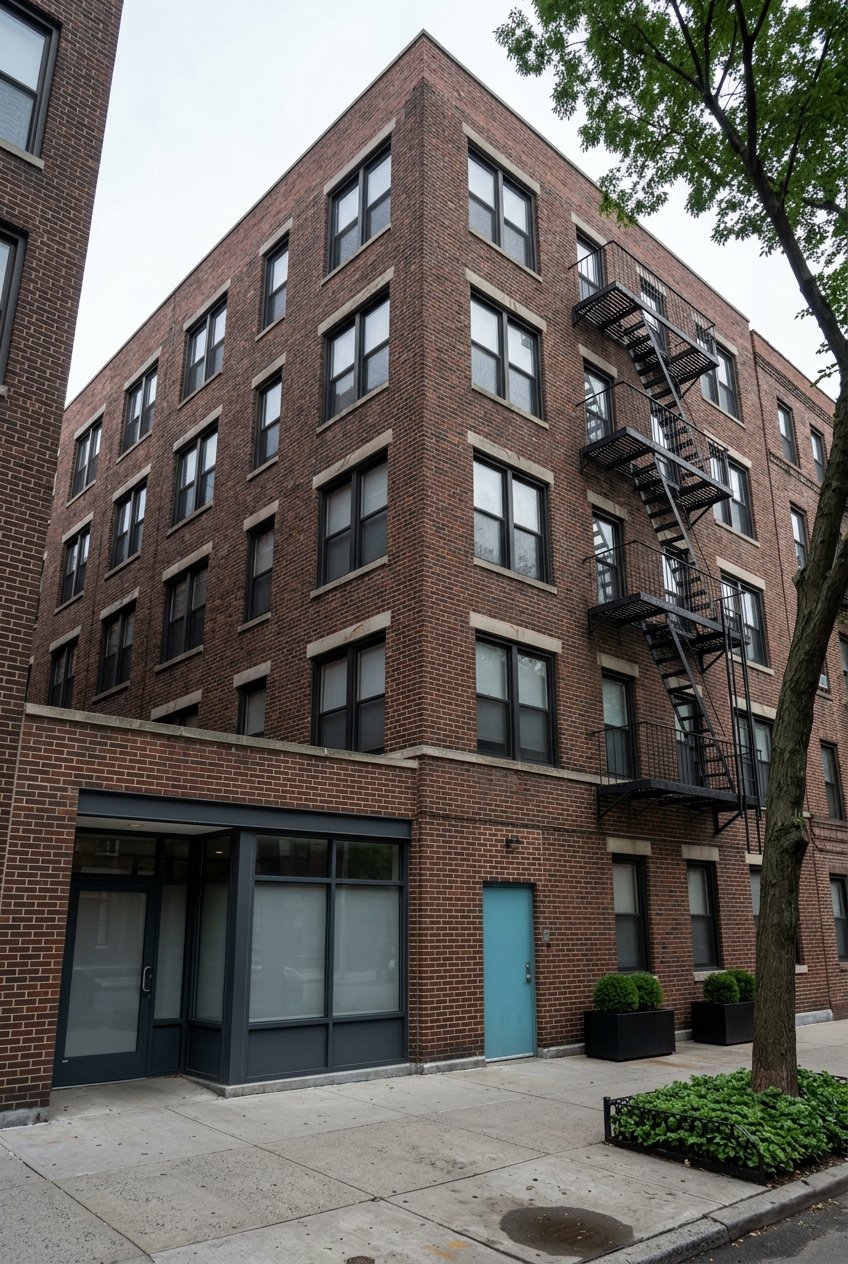
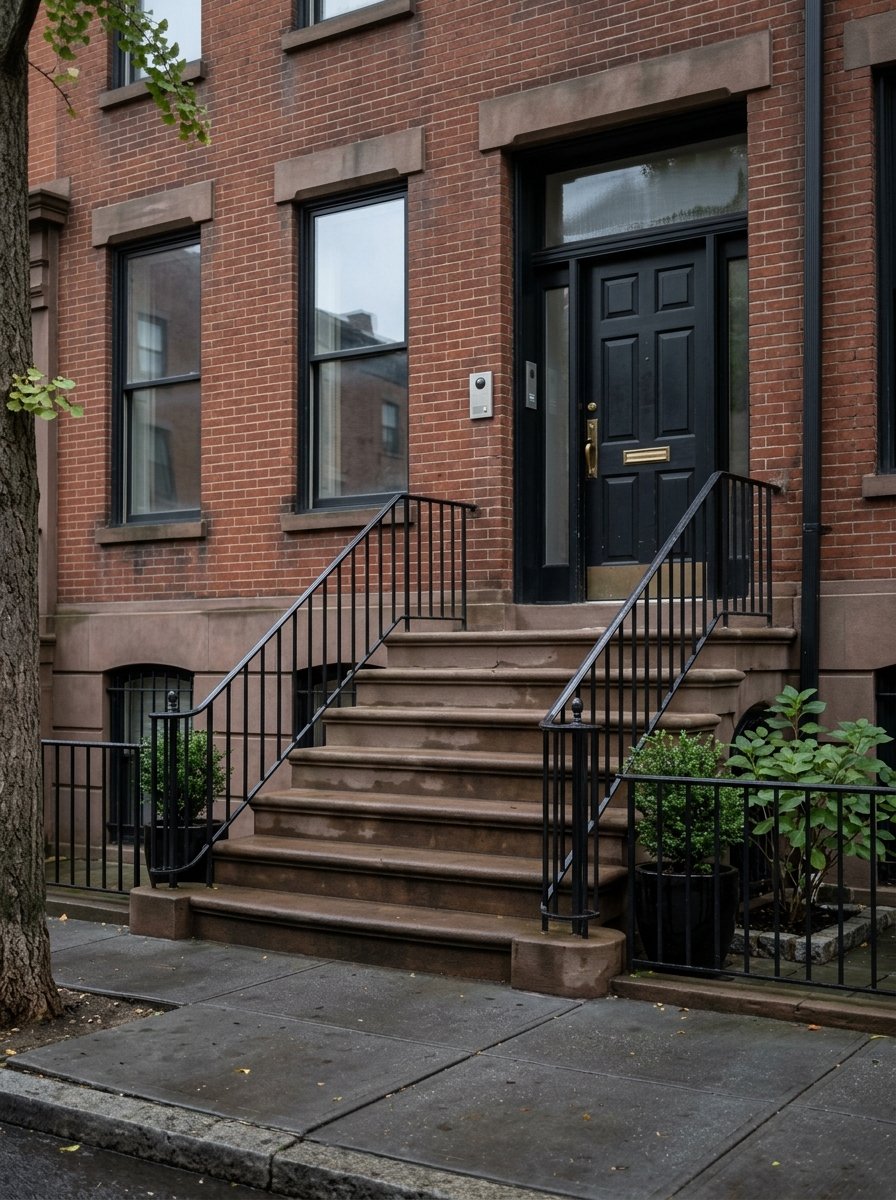
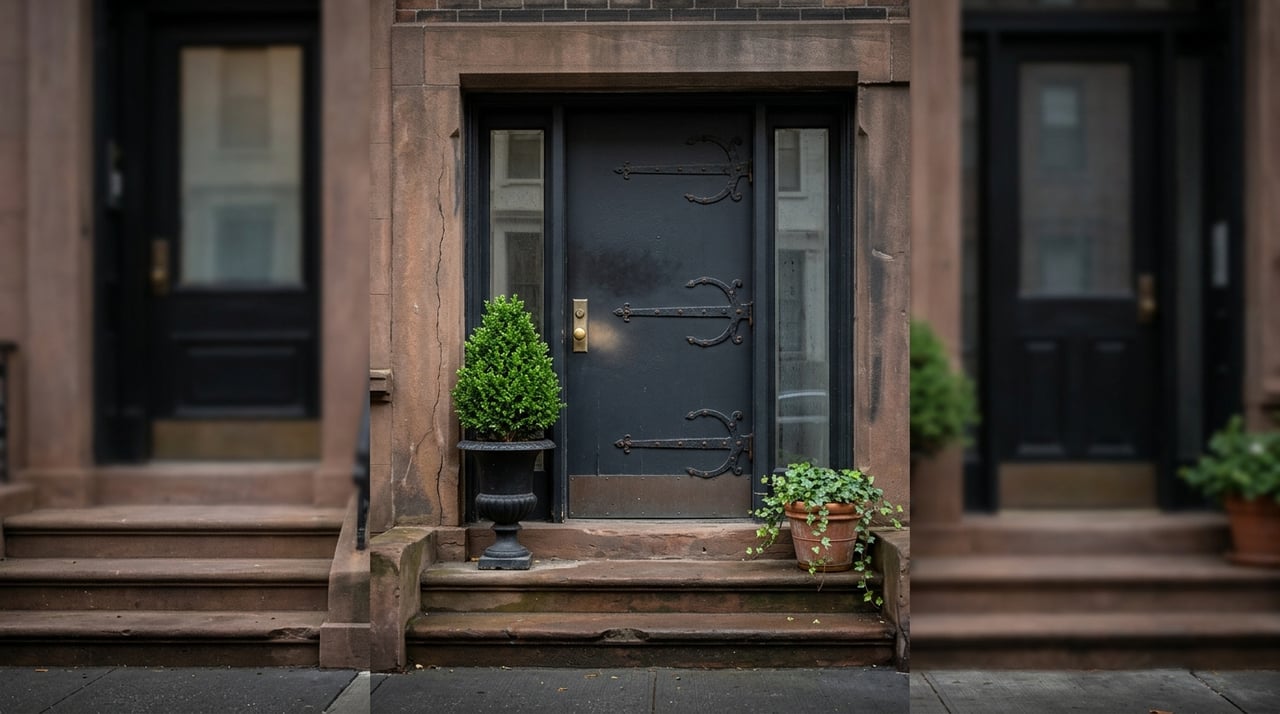
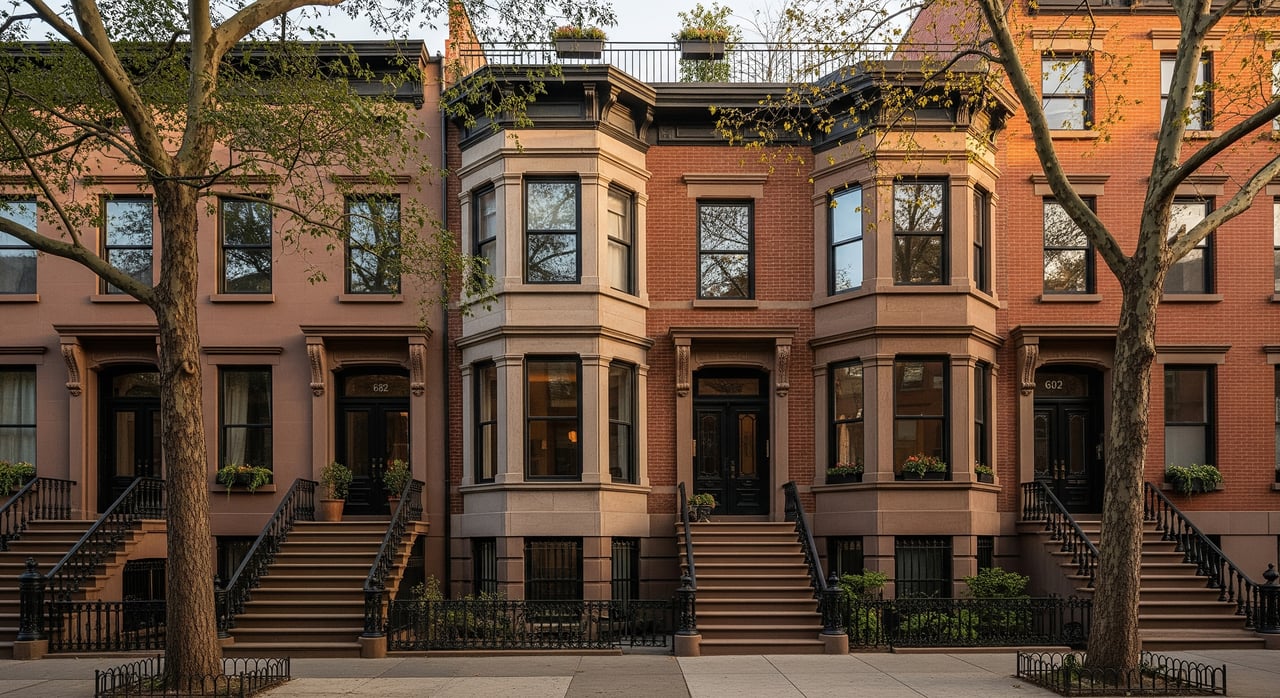
632 President Street is a 4-family, 4-story townhouse in Park Slope built in 1920, with roughly 3,060 square feet and a C3 four-family classification, according to StreetEasy’s building profile. That places it firmly in the category of a single-asset small multifamily townhouse, not a larger apartment portfolio.
That distinction matters because Brooklyn townhouse buyers do not behave like portfolio buyers. In Corcoran’s 1Q 2024 Brooklyn townhouse report, 2-4 family townhouses made up 130 of 170 closed sales, compared with 40 single-family trades. In other words, the small multifamily townhouse segment is not niche in Brooklyn. It is a major part of the market.
Who Buys Brooklyn Brownstones
For a property like 632 President Street, the buyer pool is usually more targeted and more personal than many owners expect. These are often buyers who care about both economics and optionality.
Small multifamily buyers
The most likely buyers for a Park Slope 4-family are typically:
- Local owner-operators
- Private investors
- High-liquidity household buyers seeking a live-plus-rent setup
This lines up with the property type itself and with broader Brooklyn townhouse demand. Because 632 President Street is a single small multifamily in a prime townhouse neighborhood, it usually attracts buyers focused on flexibility of use, neighborhood positioning, and long-term hold potential.
Cash-rich and mortgage-backed buyers
A useful way to understand this market is to break the buyer pool into two groups: cash-rich buyers and mortgage-backed end users. According to PropertyShark’s NYC buyer analysis, cash buyers tend to be investors and high-net-worth individuals, while financed buyers are more often end users and long-term residents.
That split matters in Brooklyn. Brick Underground, citing Elliman data as referenced in the research report, noted that 53.2% of Brooklyn sales in Q3 2024 were all-cash. For a well-located townhouse asset in Park Slope, that means cash and liquidity can play a major role in deal certainty.
Space, privacy, and scarcity still drive demand
Brooklyn townhouse demand has been supported by buyers looking for more space and privacy. The research report notes that The Real Deal found Brooklyn townhouse contracts rose 88% from July to November 2024, with strong activity from affluent buyers targeting prime neighborhoods such as Park Slope.
Pricing trends reinforce that point. Brownstoner’s summary of the 2024 Brooklyn market reported that the borough’s townhouse median rose 18.2% to $1.2 million, while northwest Brooklyn townhouses rose 25.8% year over year. Buyers in this segment are often paying for scarcity, location, and flexibility, not just current income.
How Brownstone Buyers Think
A small multifamily townhouse is rarely underwritten on rent roll alone. Buyers usually weigh the building’s financial profile alongside how the asset can fit their personal or operational goals.
Beyond the numbers
For a property like 632 President Street, buyers often look at:
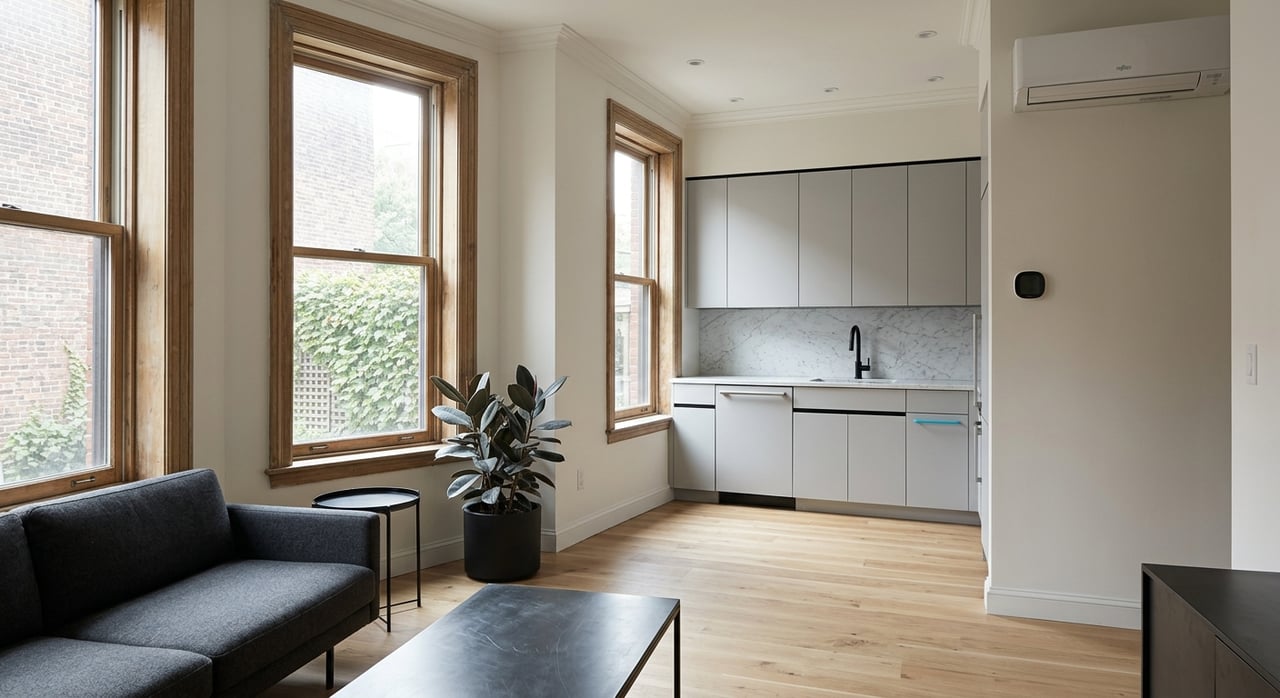
- Layout and unit mix
- Vacancy status
- Physical condition
- Carrying costs
- Ability to occupy part of the property
- Long-term hybrid home-plus-income potential
That is one reason these assets can trade differently from larger buildings. As reflected in Corcoran’s townhouse reporting, 2-4 family townhouses are a core market segment, and buyers often blend financial logic with personal-use flexibility.
Typical financing sources
Brownstone and small townhouse buyers also tend to use simpler capital structures. Common sources include:
- Cash
- Jumbo residential financing
- Small-balance multifamily debt
The financing profile is important because a 4-unit property sits below the scale of many institutional lending programs. As Freddie Mac’s small-balance lending platform notes, its small-balance product is aimed at 5- to 50-unit apartment buildings with loans from $1 million to $7.5 million. A 4-family townhouse like 632 President Street is therefore operating in a more localized and less institutional capital environment.
Who Buys Larger NYC Portfolios
Once you move from a single townhouse to a larger multifamily portfolio, the buyer universe changes significantly. The deal becomes less about optionality and more about scale, income, and capital deployment.
Institutional and scaled private capital
Larger NYC multifamily portfolios are commonly purchased by:
- Family offices
- Fund shops
- Syndicators
- Separate account managers
- REITs
- Private investors with scale
According to Berkadia’s multifamily market update, many of the biggest apartment buyers recently came from exactly those groups. Ariel Property Advisors’ 2024 New York City multifamily year-end release also noted that family offices and private individuals were active in rent-stabilized properties, often using all cash or minimal leverage and underwriting for long holds.
Broader capital stacks
Portfolio buyers usually have access to more financing options and more complex structures than brownstone buyers. The research report identifies active sources such as:
- Bank lenders
- Agency lenders
- CMBS lenders
- Debt funds and bridge lenders
- Preferred equity and mezzanine capital
That breadth creates more flexibility, but it also creates more diligence and more execution steps. Larger buyers often have greater dry powder and can tolerate longer underwriting timelines, especially when the asset fits a larger portfolio strategy.
How Portfolio Buyers Underwrite
For larger multifamily deals, underwriting becomes more formula-driven. The emotional and lifestyle component fades, and core metrics take center stage.
Metrics drive decision-making
Portfolio buyers usually focus first on:
- Net operating income
- Debt service coverage ratio
- Loan-to-value ratio
- Sponsor quality
- Regulatory risk
- Physical condition
Fannie Mae’s multifamily guide emphasizes underwritten net cash flow, DSCR, and LTV as core metrics. The research report also notes that lenders in Brooklyn have become more selective on older properties, with deeper due diligence around physical condition and operational risk.
Regulation matters more at scale
In larger NYC multifamily transactions, building-level details such as regulation, tax class, and capital needs can materially affect value. That is one reason portfolio transactions often involve more legal review, lender scrutiny, and recapitalization analysis than a small townhouse sale.
This is also why larger deals are more likely to be influenced by debt maturities, fund timelines, liquidity constraints, and distressed situations. Those pressures show up far more often in portfolio sales than in a single-asset Park Slope townhouse transaction.
What This Means for Pricing
Pricing strategy should match the actual buyer pool. That sounds obvious, but it is where many owners lose time.
Brownstone pricing behavior
For a small multifamily townhouse, pricing is often shaped by:
- Vacancy and income profile
- Layout efficiency
- Renovation quality
- Personal-use appeal
- Comparable neighborhood sales
The pool may be smaller than for a broadly marketed institutional asset, but it can also be more motivated. As reflected in the research report’s summary of The Real Deal’s townhouse coverage, buyers can be willing to pay for a specific fit, especially in prime brownstone neighborhoods.
Portfolio pricing behavior
Larger portfolio pricing tends to be more disciplined and less emotional. Buyers anchor value to:
- NOI
- Cap rate
- Financing assumptions
- Asset management upside
- Execution certainty
That difference affects not just price, but also negotiation. Brownstone buyers may stretch for the right property. Portfolio buyers are more likely to retrade if underwriting, debt terms, or diligence findings change.
What This Means for Marketing
The right marketing strategy depends on the kind of buyer you want to attract.
Marketing a Park Slope townhouse asset
A property like 632 President Street usually benefits from a more curated process. The story needs to highlight:
- Park Slope location
- Small multifamily economics
- Use flexibility
- Building condition and configuration
- Why the asset stands out in a tight buyer pool
That is very different from marketing a portfolio. A single brownstone-style multifamily sale often performs best when buyer outreach is selective, polished, and matched to the likely audience rather than blasted broadly.
Marketing a larger portfolio
Portfolio sales usually require a heavier institutional process, including more formal underwriting materials and deeper diligence support. Buyers expect a process that can withstand financing review, legal diligence, and sponsor-level approval.
In practical terms, that means portfolio marketing is usually more data-room driven, while a property like 632 President Street often calls for sharper positioning and more targeted buyer sourcing.
Why Execution Risk Is Different
Execution risk changes with asset size. That is one more reason owners should avoid using a one-size-fits-all sales plan.
Risks in a brownstone sale
For a small townhouse or 4-family asset, the main risks are often:
- Financing sensitivity
- Renovation uncertainty
- Buyer thesis mismatch
- Personal-use assumptions changing mid-deal
These risks are manageable, but they require careful buyer qualification. A buyer who loves the neighborhood may still walk if the building does not fit their exact occupancy or renovation plan.
Risks in a portfolio sale
For larger multifamily portfolios, risk tends to shift toward:
- Regulatory exposure
- Debt maturity timing
- Recapitalization complexity
- Lender diligence
- Sponsor execution risk
Those are different problems and they require a different sales process. Owners selling larger assets usually need a strategy built around diligence control, financing realism, and disciplined buyer management.
The Bottom Line for 632 President Street
632 President Street is best understood as a single-asset small multifamily townhouse, not a portfolio trade. That means the most likely buyers are local operators, private investors, and select high-liquidity household buyers who value a blend of income, flexibility, and prime Park Slope positioning.
By contrast, larger NYC multifamily portfolios draw from a much broader institutional and scaled private-capital universe. Those deals are underwritten more like financial assets, with greater focus on NOI, leverage, regulation, and execution structure. If you are selling a property like 632 President Street, your pricing, marketing, and buyer outreach should reflect that reality.
If you want a sales strategy built around the actual buyer pool for your asset, Exodus Capital can help you evaluate positioning, timing, and execution with a disciplined, seller-focused process.
FAQs
Who typically buys a Park Slope 4-family townhouse like 632 President Street?
- The most likely buyers are local owner-operators, private investors, and select high-liquidity household buyers looking for income plus flexibility of use.
How is a Brooklyn brownstone sale different from a larger NYC portfolio sale?
- A brownstone or small multifamily sale is usually driven by layout, condition, location, and optionality, while a portfolio sale is driven more by NOI, DSCR, leverage, and institutional underwriting.
Are Brooklyn townhouse buyers often paying cash?
- Yes. The research report notes that 53.2% of Brooklyn sales in Q3 2024 were all-cash, which shows how important liquidity can be in this market.
Why does 632 President Street attract a narrower buyer pool than a portfolio?
- Because it is a single 4-family townhouse asset, it appeals to buyers seeking a specific neighborhood, property type, and use case rather than large-scale portfolio allocation.
What matters most when pricing a 4-family townhouse in Brooklyn?
- Key factors include vacancy, layout efficiency, renovation quality, carrying costs, neighborhood comparables, and whether the property has owner-user or hybrid-use appeal.
What kind of sales approach works best for a property like 632 President Street?
- A curated, targeted buyer outreach strategy usually fits best, with marketing focused on neighborhood positioning, flexibility of use, and the economics of a small multifamily asset.