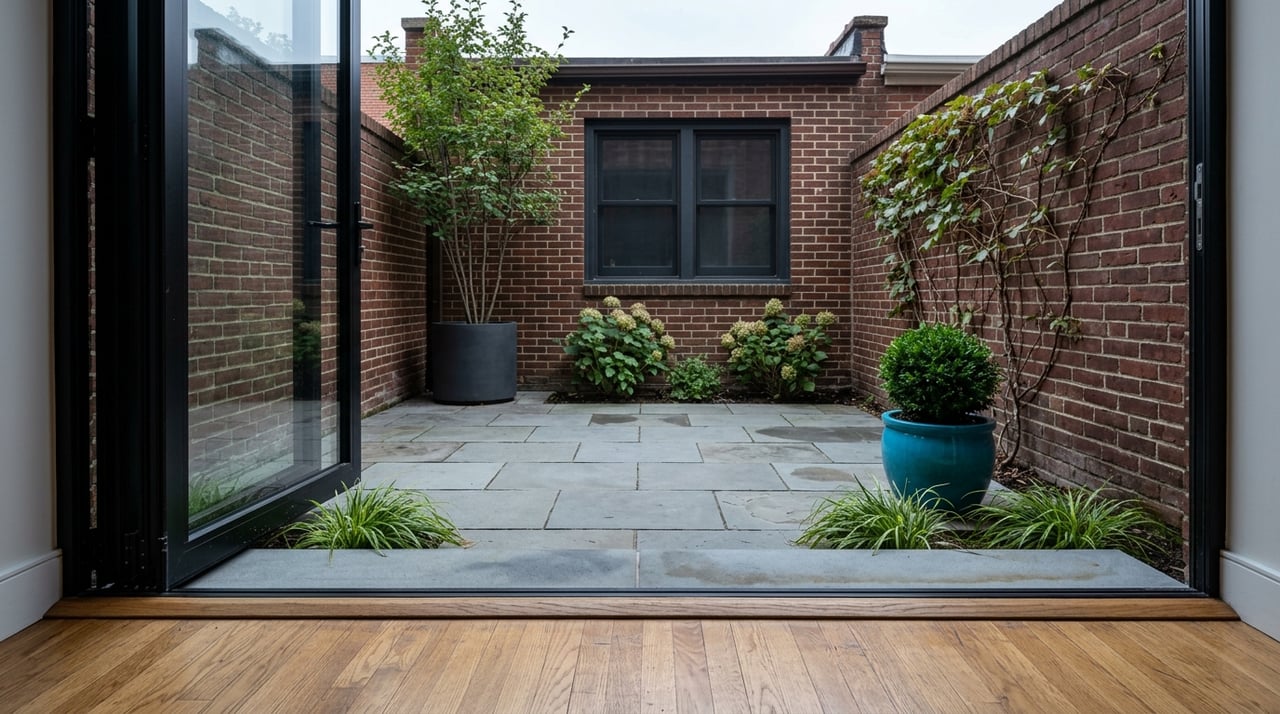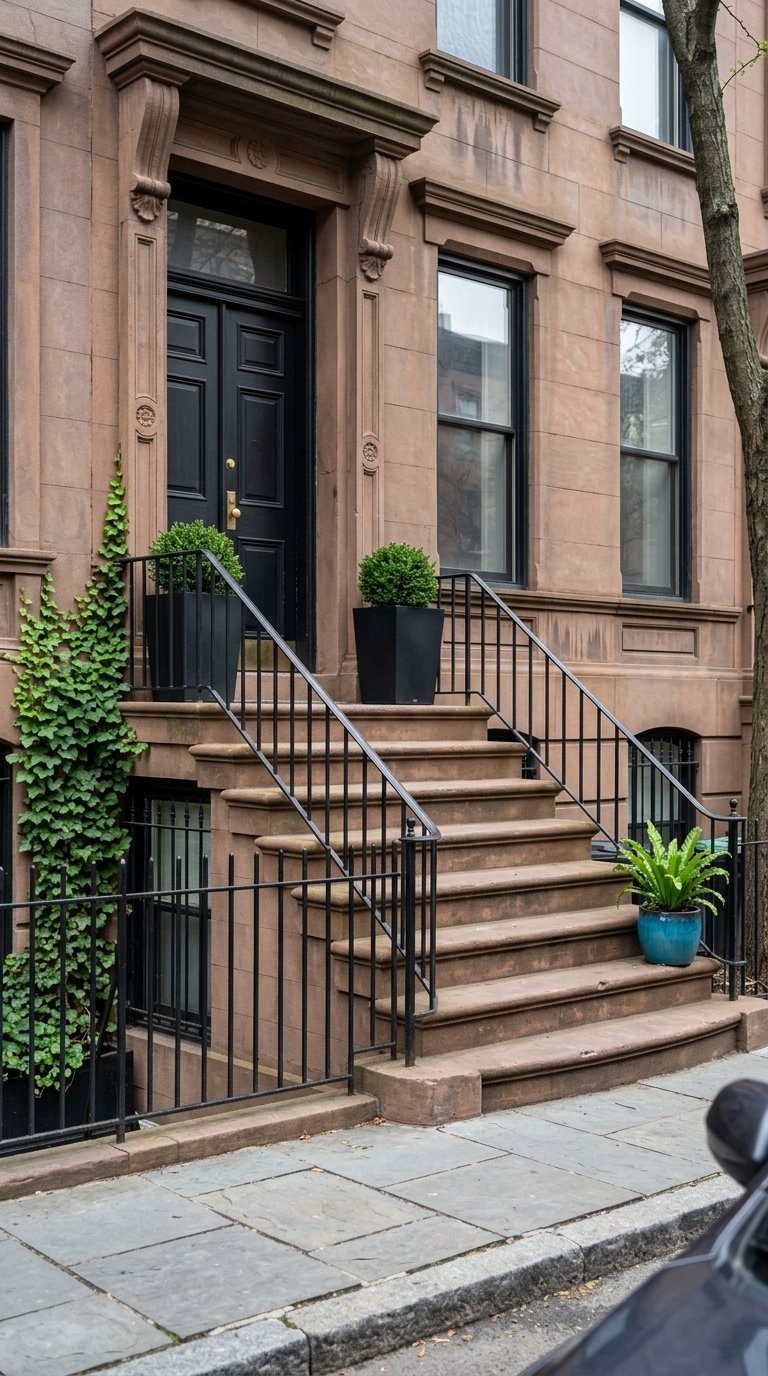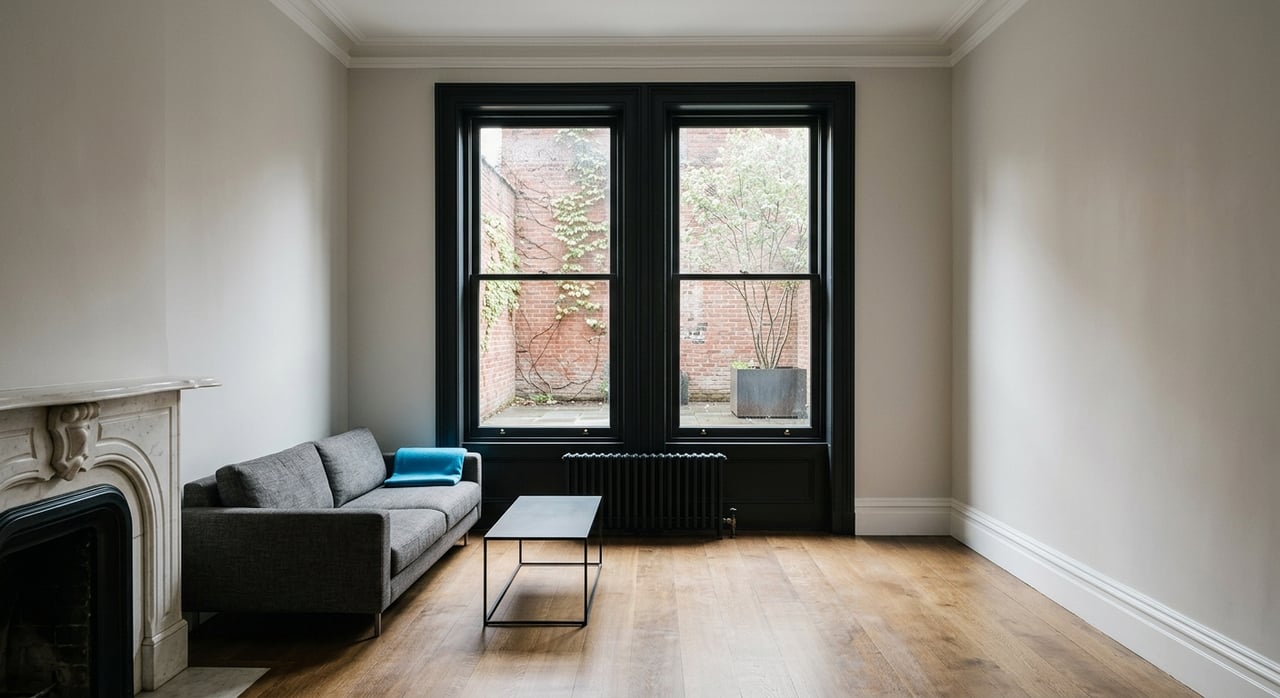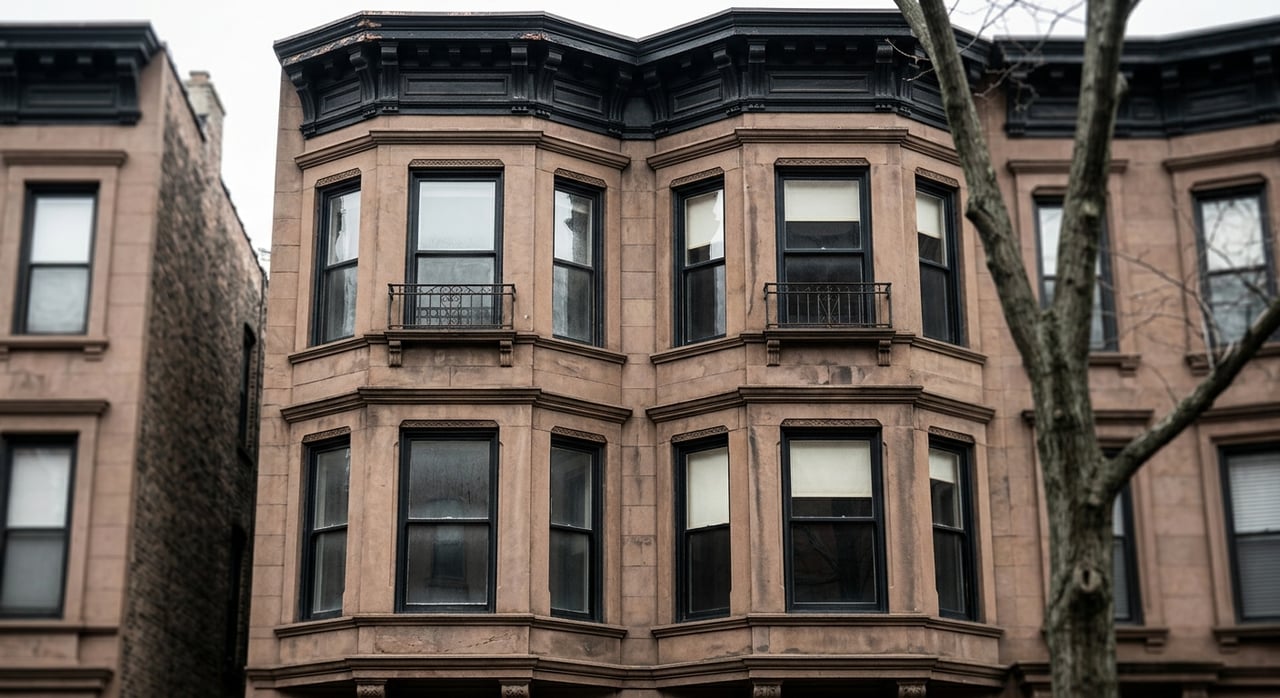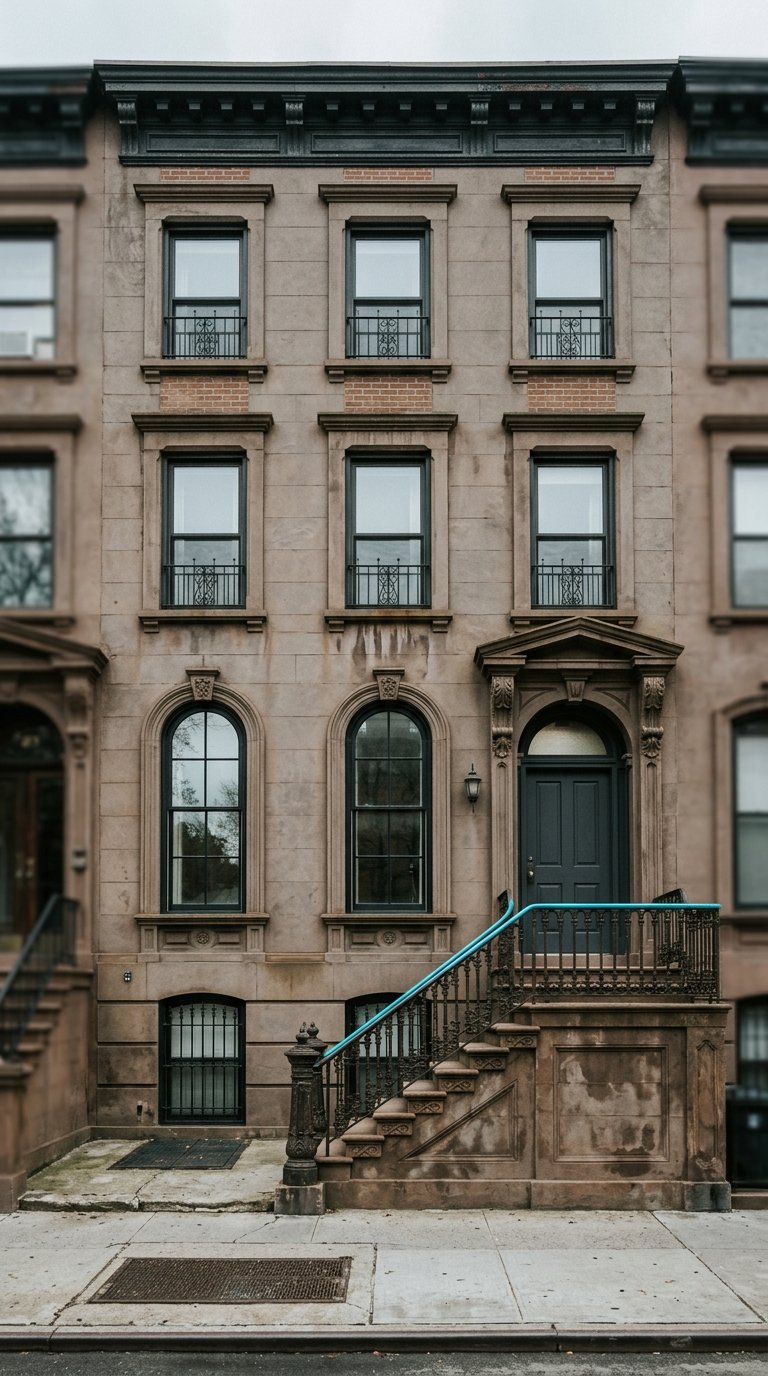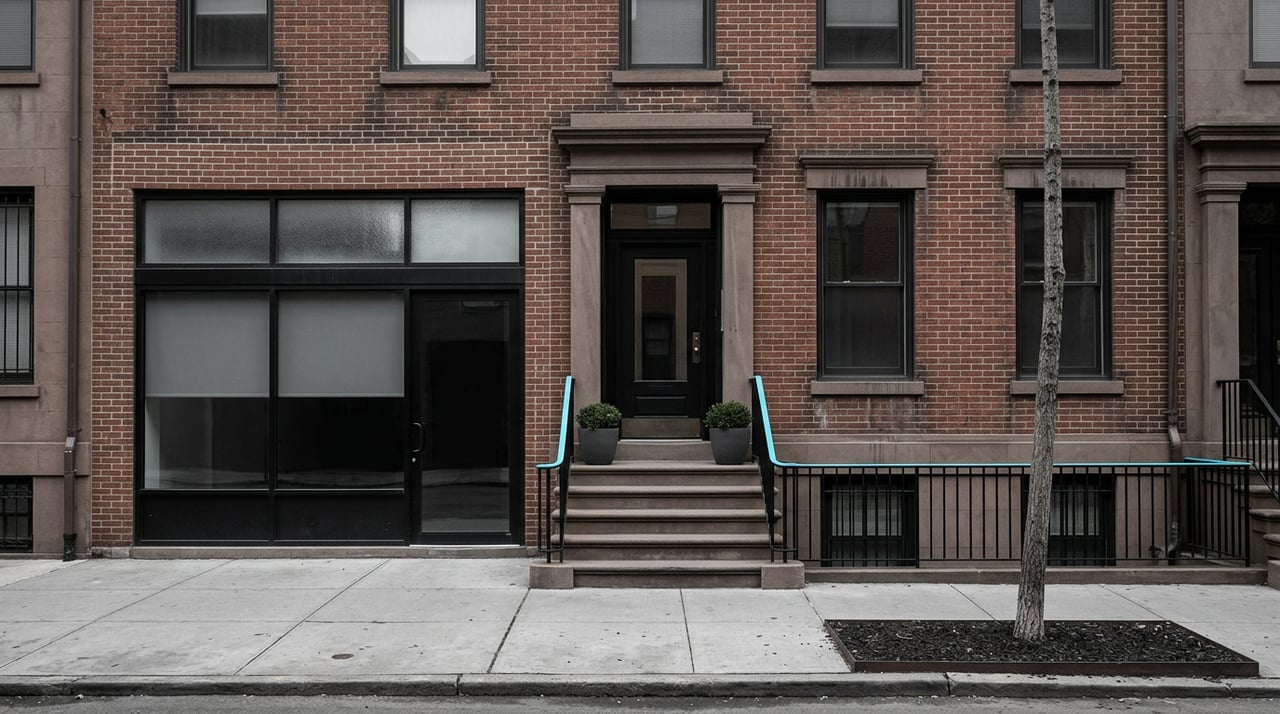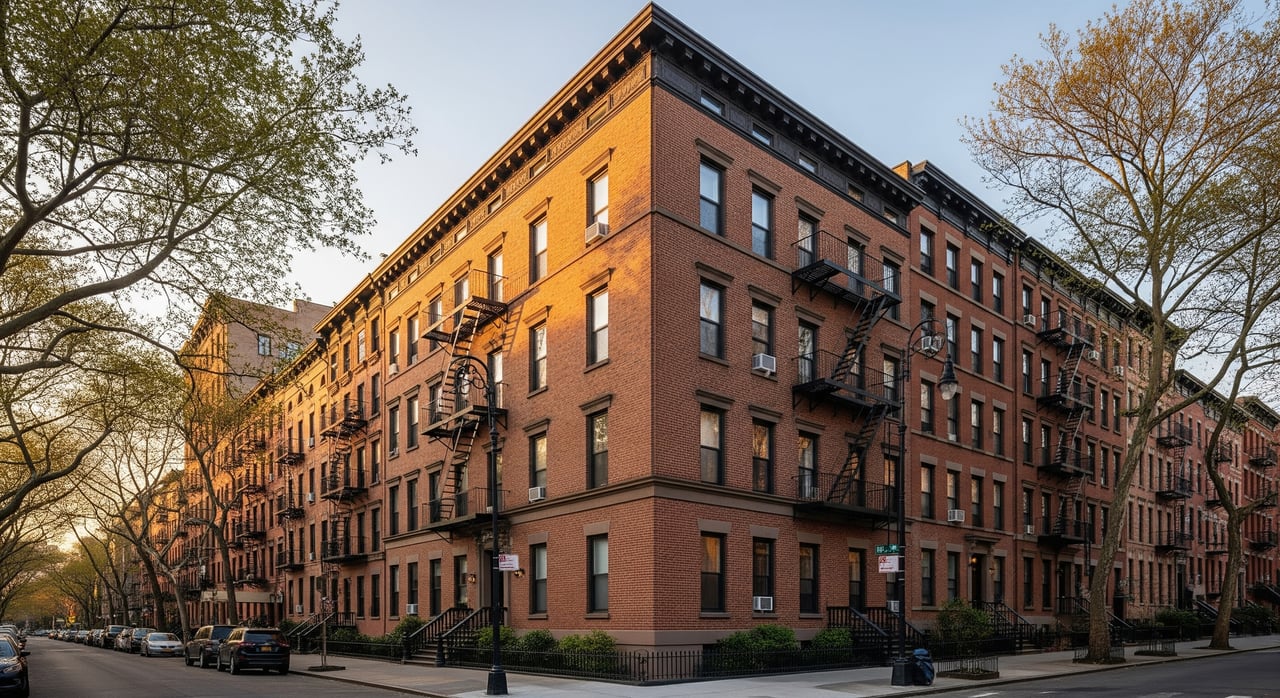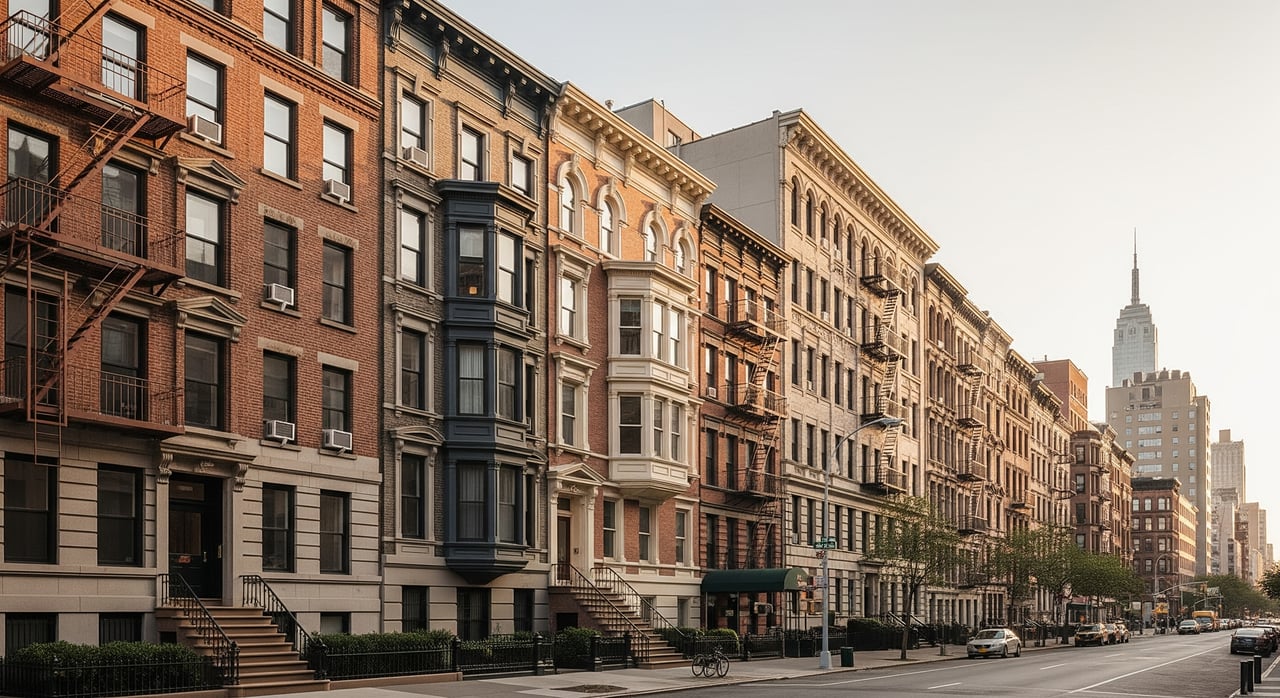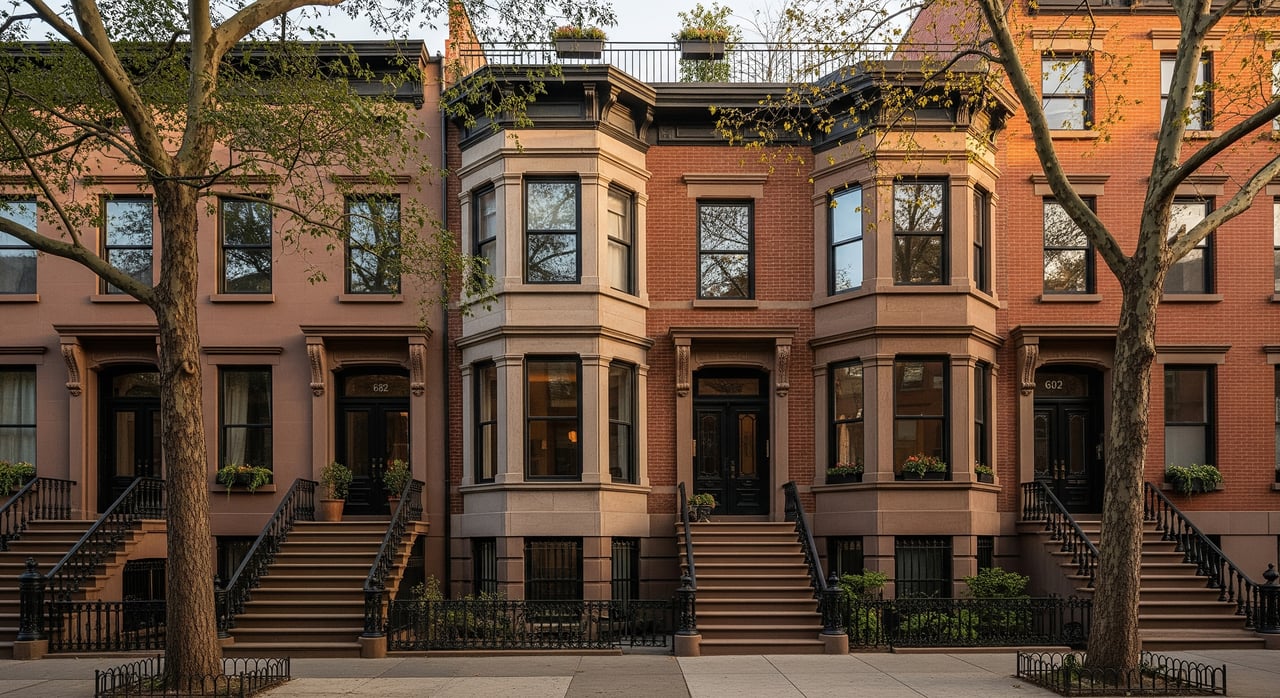
If you are thinking about selling a Brooklyn brownstone investment property, the biggest surprise is usually not buyer demand. It is how many moving parts have to line up before you can close and record the sale. If you own a building like 632 President Street, understanding the timeline upfront can help you avoid delays, answer buyer questions faster, and protect your leverage. Let’s dive in.
Why the timeline is different
An investment brownstone sale in Brooklyn usually takes longer than a typical condo resale. That is because buyers, attorneys, title companies, and lenders need to confirm income, legal use, public records, and transfer paperwork before the deed can be recorded.
In Brooklyn, that extra diligence matters. Market reports cited in the research show Brooklyn recorded $6.66 billion in commercial sales across 951 transactions in 2025, with continued demand for small multifamily and mixed-use assets. Park Slope was also identified as a key investment hotspot, which matters for an address like 632 President Street.
Typical sale timeline
For a brownstone or small mixed-use investment sale, a realistic planning range is usually:
- 60 to 90 days for a clean cash deal
- 90 to 180 days for a typical financed transaction
- 6+ months if the property has open violations, title issues, missing registrations, or lender-related delays
These are practical timeframes based on the transaction steps involved. They are not legal deadlines, but they are useful benchmarks if you are trying to plan an exit or redeploy capital.
Step 1: Value and readiness
Timeline: about 1 to 2 weeks
The sale process starts with valuation, but pricing alone is not enough. For an investment property, value depends on the rent roll, expenses, occupancy, legal use, public record condition, and likely buyer pool.
This is also the stage when smart sellers model transfer-tax exposure. In New York City, Real Property Transfer Tax treatment can depend on the sale price and the type of conveyance. If an LLC is part of the deed transfer for a one- to four-family dwelling, the city also requires enhanced member information on the transfer return.
For a seller, the key takeaway is simple: price and paperwork should be reviewed together. A strong pricing strategy can lose momentum quickly if the file is not ready.
Step 2: Build the document file
Timeline: about 1 to 3 weeks
Once value is set, the next step is building a clean document package. This is often where timelines either stay tight or start to slip.
For a Brooklyn brownstone investment sale, the seller should gather:
- Certificate of Occupancy, if one exists
- Proof of legal use if no CO applies
- DOB violation history
- HPD registration status
- HCR rent registration history, if applicable
- Lead-based paint disclosure materials for pre-1978 housing
- Basic operating information like leases, rent roll, and expense history
New York City states that a Certificate of Occupancy shows the legal use and permitted occupancy of a building. Some buildings built before 1938 may be exempt unless later alterations changed use, egress, or occupancy. In some cases, a prewar brownstone may rely on other proof of legal use instead.
Why this step matters
Open DOB violations are public and can appear in title searches. According to the research, they can also prevent a sale or refinance and may block a new or amended CO.
Registration status matters too. HPD annual registration is due by September 1 for covered residential buildings, and HCR annual rent registrations are due by July 31 for rent-regulated units. If these records are stale or missing, buyers may slow down, ask for credits, or push for additional conditions.
Step 3: Launch to the market
Timeline: about 2 to 5 weeks
Once the file is organized, marketing can begin. In a market with active buyer demand for Brooklyn mixed-use and multifamily assets, preparation often matters more than exposure alone.
A clean launch helps buyers move from interest to underwriting faster. If they can quickly review occupancy, legal use, violations, leases, and expenses, they are more likely to submit strong offers with fewer unknowns.
For a property like 632 President Street, a focused investment-sales process matters because buyers are not just evaluating curb appeal. They are evaluating income, risk, and closing certainty.
Step 4: Negotiate offers and contract terms
Timeline: about 1 to 3 weeks
After marketing, buyers typically request the same core information. They want the rent roll, leases, operating history, and clear answers on violations, registrations, and legal use.
This stage moves faster when the seller can answer from one organized file. That reduces back-and-forth and helps avoid uncertainty that can weaken pricing.
Another practical issue is signatures. New York City transfer forms must be signed by all parties and notarized, so coordination becomes important when there are multiple owners, trusts, or entity members involved.
Step 5: Buyer diligence and financing
Timeline: about 3 to 8 weeks
This is often the longest phase of the sale. The buyer’s attorney, title company, and lender, if financing is involved, review the property in detail.
They will typically examine:
- Title condition
- Public violations
- CO or legal-use status
- HPD and HCR records, if applicable
- Lead disclosure compliance
- Income and expense support
- Closing and recording requirements
For most pre-1978 residential housing, federal rules require the seller to disclose known lead-based paint information and give the buyer an opportunity for an independent lead inspection. That requirement can become a delay point if the material is missing or incomplete.
If the buyer is financing, the deal can take longer because the mortgage recording package must also be correct at recording. In Brooklyn, property documents are recorded electronically through ACRIS, so accuracy matters right up to closing.
Step 6: Closing and recording
Timeline: about 1 to 2 weeks once conditions are met
A deal is not truly done when everyone agrees on a closing date. In New York City, the tax and recording package still has to be complete and ready for filing.
The research notes that the RPTT packet must be filed and paid within 30 days after transfer, while current TP-584-NYC instructions say the form and applicable taxes are due no later than the 15th day after deed delivery. The practical point for sellers is that the closing process includes more than just signing. It also includes getting the tax, registration, and recording package right.
The RPTT filing package can include the transfer return, instructions, and registration forms related to real estate tax, water, sewer, and smoke-detector affidavit compliance. If one item is incomplete, recording can be delayed.
Common issues that slow a sale
Even in an active Brooklyn market, a few recurring problems can stretch the timeline.
Open DOB violations
DOB violations are public, and they often show up in title review. If they are unresolved, they can delay the sale, trigger negotiation pressure, or affect financing.
Missing CO or legal-use proof
This is especially common in older brownstones. A building may not have a modern CO, but buyers still need proof that the current use is lawful.
Stale HPD or HCR records
If required registrations are missing or outdated, buyers may view that as operational risk. It can also limit an owner’s ability to address certain property issues through normal channels.
Lead-disclosure gaps
For pre-1978 residential housing, lead-based paint disclosure should be handled before contract. If that step is skipped, the deal can slow down late in the process.
Incomplete transfer forms
Every signature and filing detail matters. Incomplete forms, missing notary acknowledgments, or entity-level signature issues can create avoidable closing delays.
Financing friction
A financed buyer may need extra time for underwriting, lender review, and recording coordination. Even a strong buyer can be slowed by document issues that a cash buyer might tolerate or solve faster.
How sellers can keep the process moving
A smoother sale usually comes down to preparation, not luck. The most effective way to protect timing is to front-load the work before the property hits the market.
Start with a public-record audit
Review violations, CO status, registration records, and likely transfer-tax treatment early. That lets you identify issues before a buyer uses them to renegotiate.
Create one organized data room
Put the core sale documents in one place before buyer outreach begins. That makes the property easier to underwrite and helps serious buyers move faster.
Target qualified buyers
A buyer who already understands NYC small-building diligence is less likely to get stuck on routine process items. In an active market, targeted outreach can save real time.
Keep parties working in parallel
The fastest transactions do not wait for one issue to finish before the next begins. Attorneys, title, and financing contacts should all be moving at the same time whenever possible.
Triage issues early
Some problems can be fixed. Others should be disclosed clearly and priced into the strategy. Either way, early action gives you more control than late-stage surprises.
What this means for 632 President Street
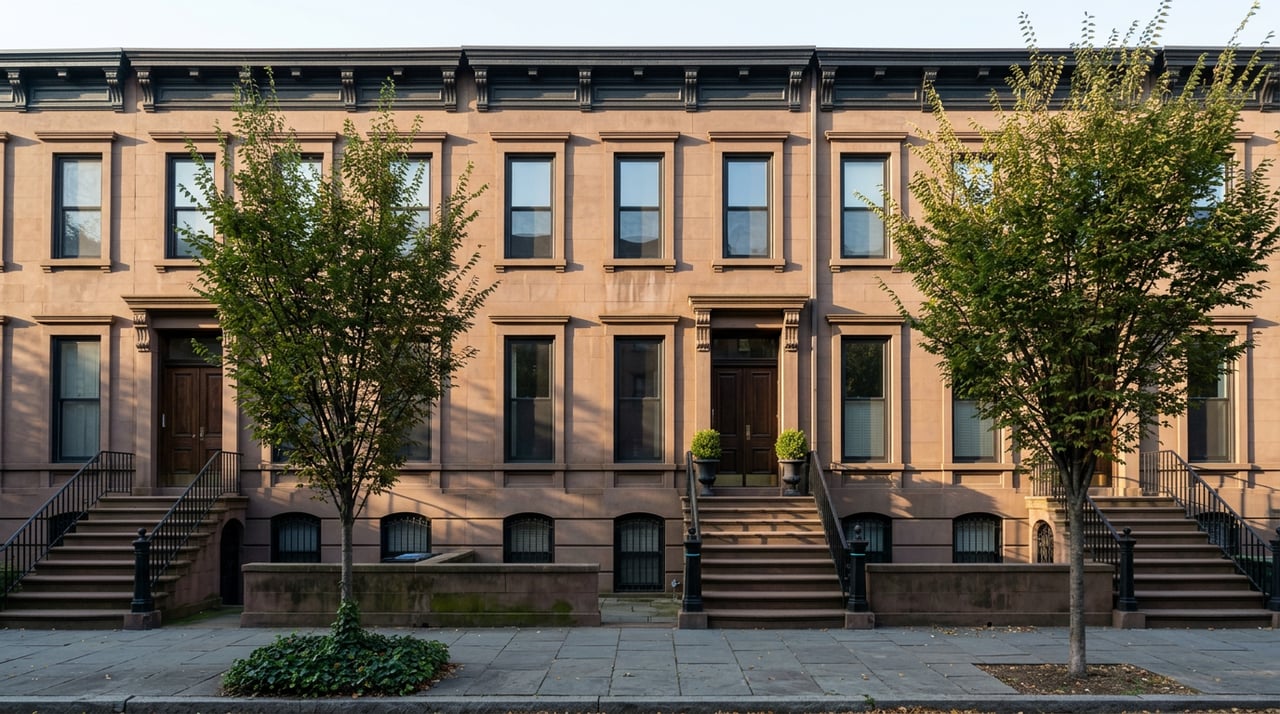
For a brownstone investment sale at 632 President Street, the likely timeline depends less on market interest and more on file readiness. In a neighborhood with ongoing investor attention, buyers will usually engage if the building can be underwritten clearly and closed with confidence.
That is why sellers benefit from a process built around public-record review, organized documentation, and qualified buyer outreach. The goal is not to change legal requirements. The goal is to reduce avoidable delays, preserve negotiating strength, and move from launch to closing with fewer surprises.
If you are evaluating a sale, planning an estate-related disposition, or thinking about how to redeploy capital after closing, a disciplined process can make the outcome more predictable. That is especially true for legacy-owned Brooklyn assets where documentation and timing matter just as much as pricing.
If you want a discreet, high-touch approach to selling a Brooklyn brownstone or small investment property, connect with Exodus Capital to discuss your exit strategy.
FAQs
How long does a Brooklyn brownstone investment sale usually take?
- A clean cash deal often takes about 60 to 90 days, a financed sale often takes 90 to 180 days, and a sale with violations or title issues can take 6 months or longer.
What documents matter most for a Brooklyn brownstone sale?
- The key documents often include the Certificate of Occupancy or proof of legal use, DOB records, HPD registration, HCR rent registrations if applicable, lead-disclosure materials for pre-1978 housing, leases, rent roll, and expense history.
Why do DOB violations affect a Brooklyn investment sale?
- DOB violations are public, can appear in title searches, and may delay a sale, refinance, or updates related to occupancy documentation.
When are HPD and HCR registrations due for a Brooklyn residential building?
- Based on the research, HPD annual registration is due by September 1, and HCR annual rent registrations are due by July 31 for rent-regulated buildings.
Does a prewar Brooklyn brownstone always need a Certificate of Occupancy?
- Not always. New York City notes that some buildings built before 1938 may be exempt unless later alterations changed use, egress, or occupancy, but buyers still need proof of lawful use.
What can delay recording after a Brooklyn property closing?
- Recording can be delayed by incomplete transfer forms, missing signatures, incorrect tax filings, financing-related recording issues, or other gaps in the closing package submitted through ACRIS.