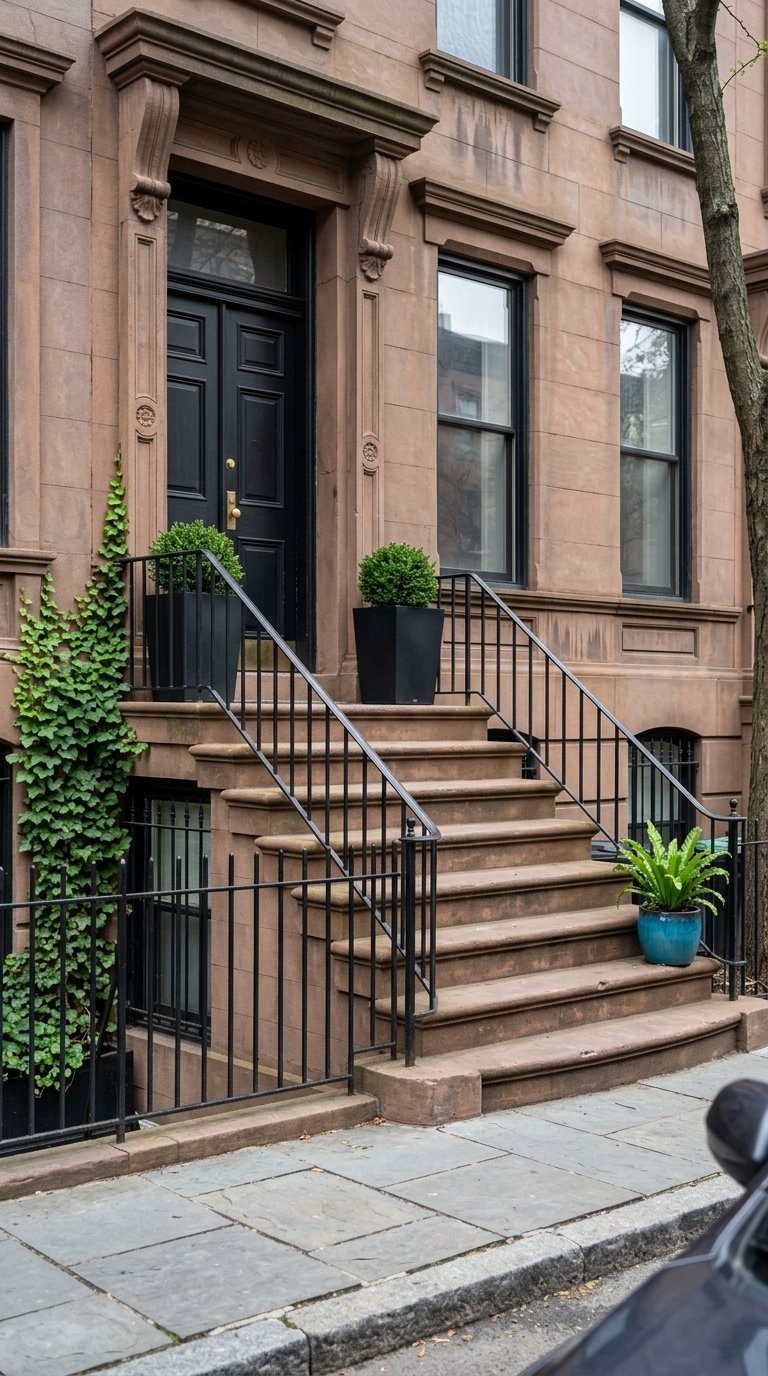
What keeps sophisticated buyers focused on streets like 632 President Street when market conditions shift? In core Brooklyn, the answer usually is not hype. It is a durable mix of scarce supply, strong renter demand, transit access, and a neighborhood setting that is hard to replicate. If you own, track, or underwrite brownstone Brooklyn assets, understanding that mix can help you see why blocks like this continue to attract long-term capital. Let’s dive in.
632 President Street in context
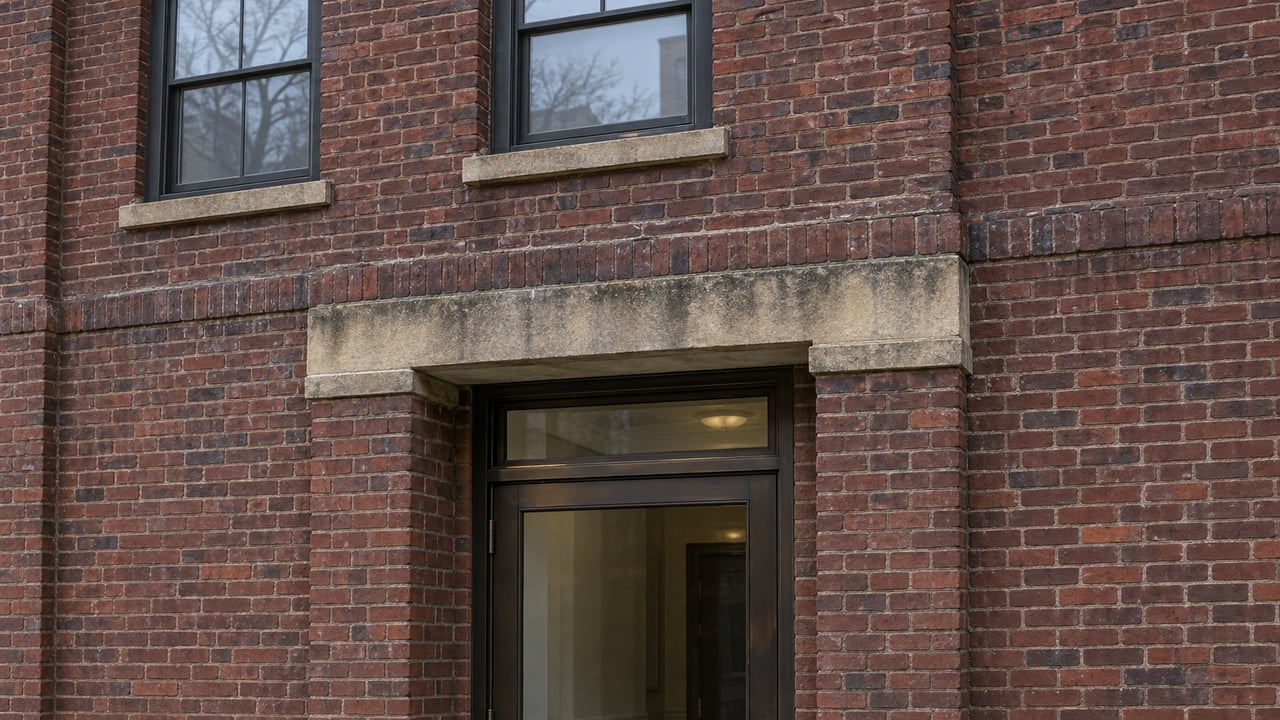
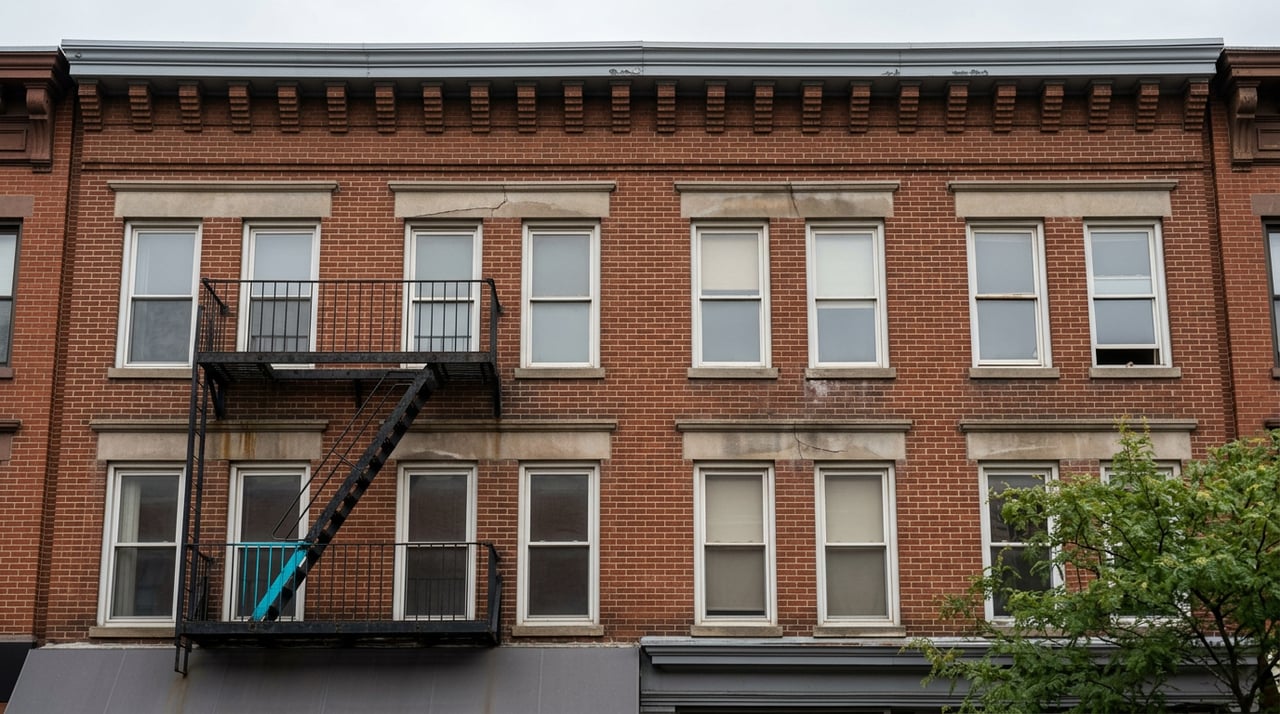
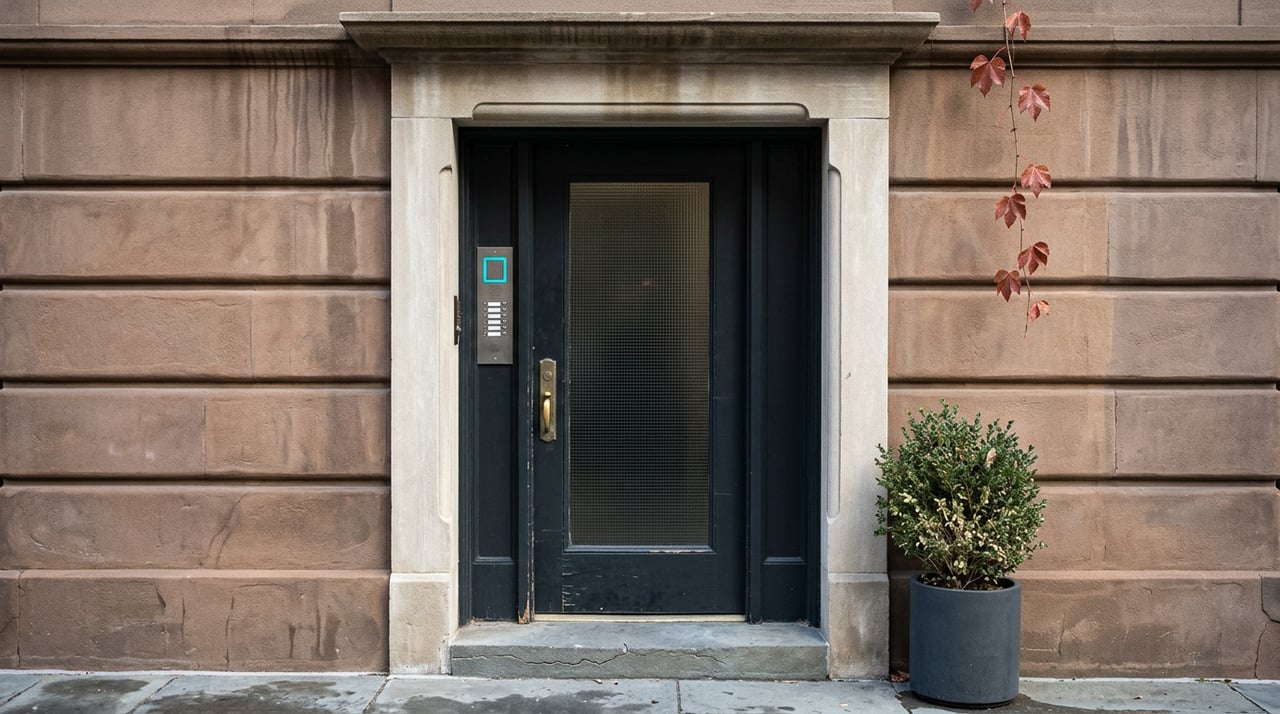
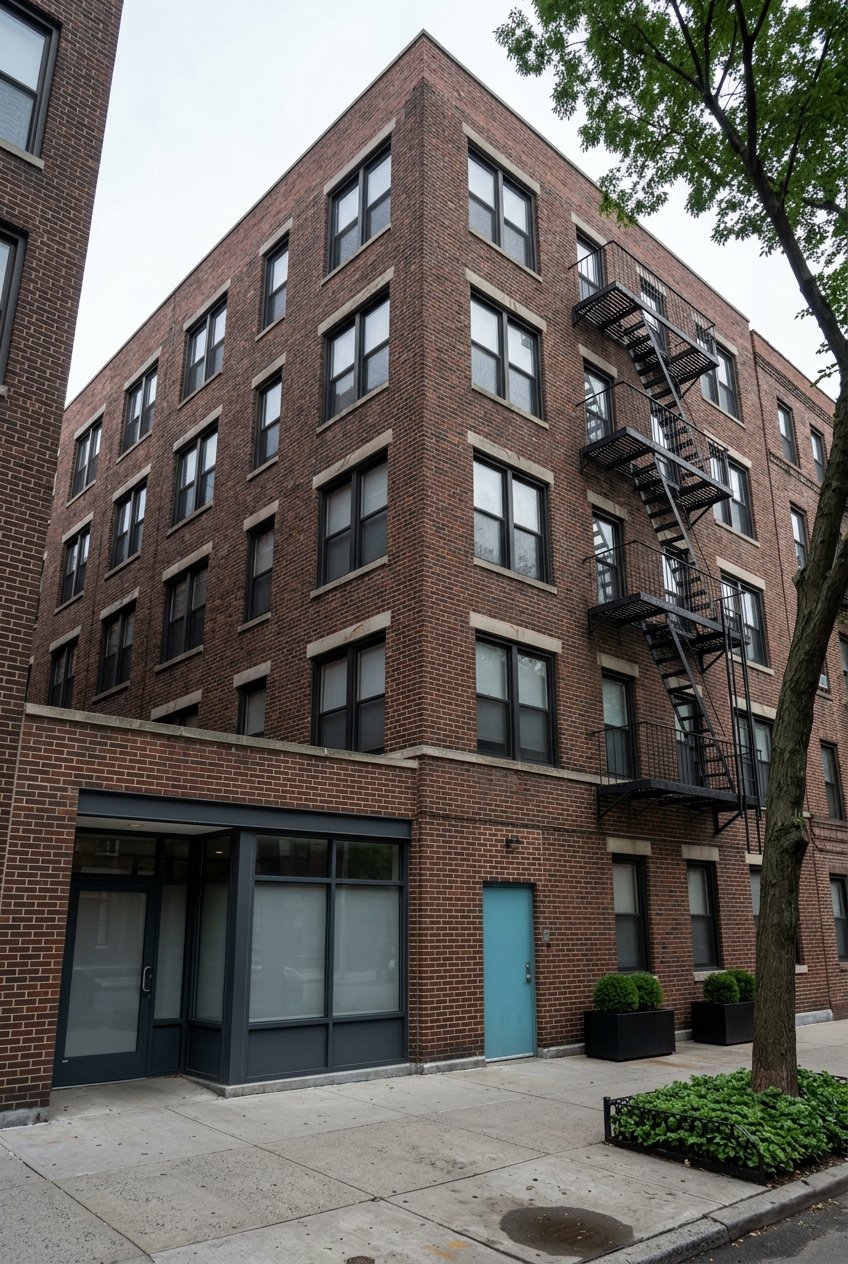
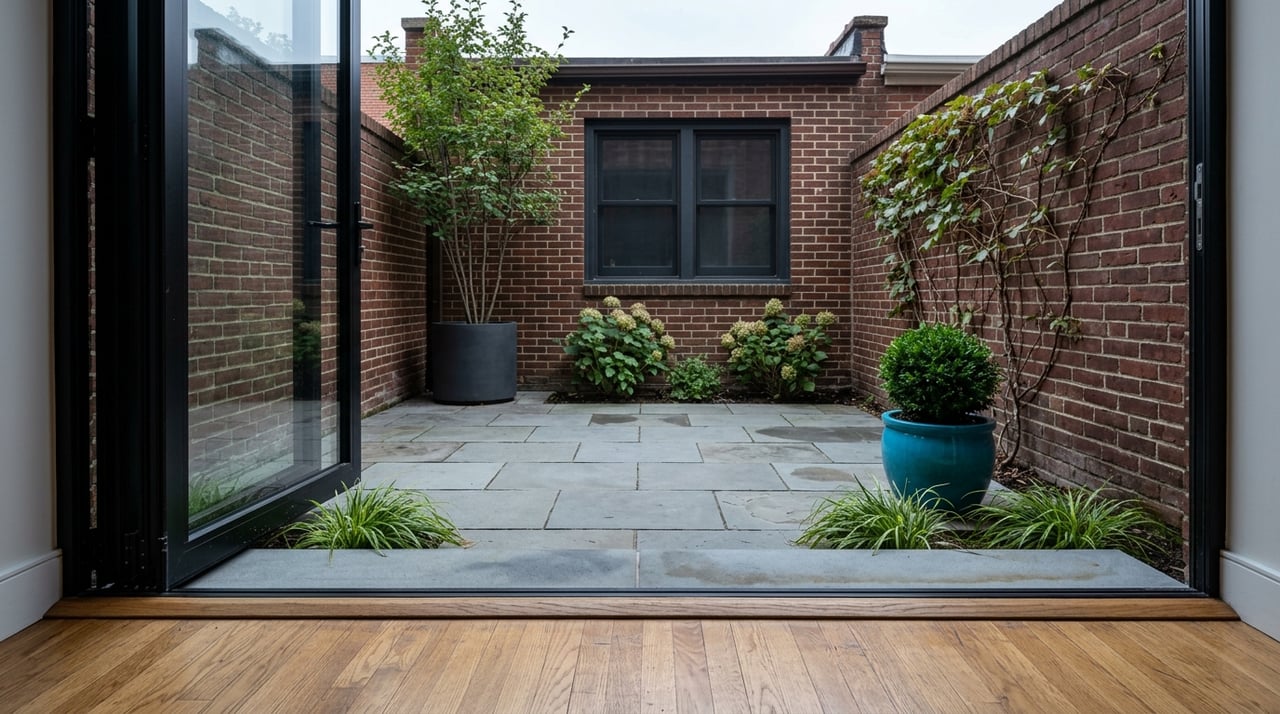
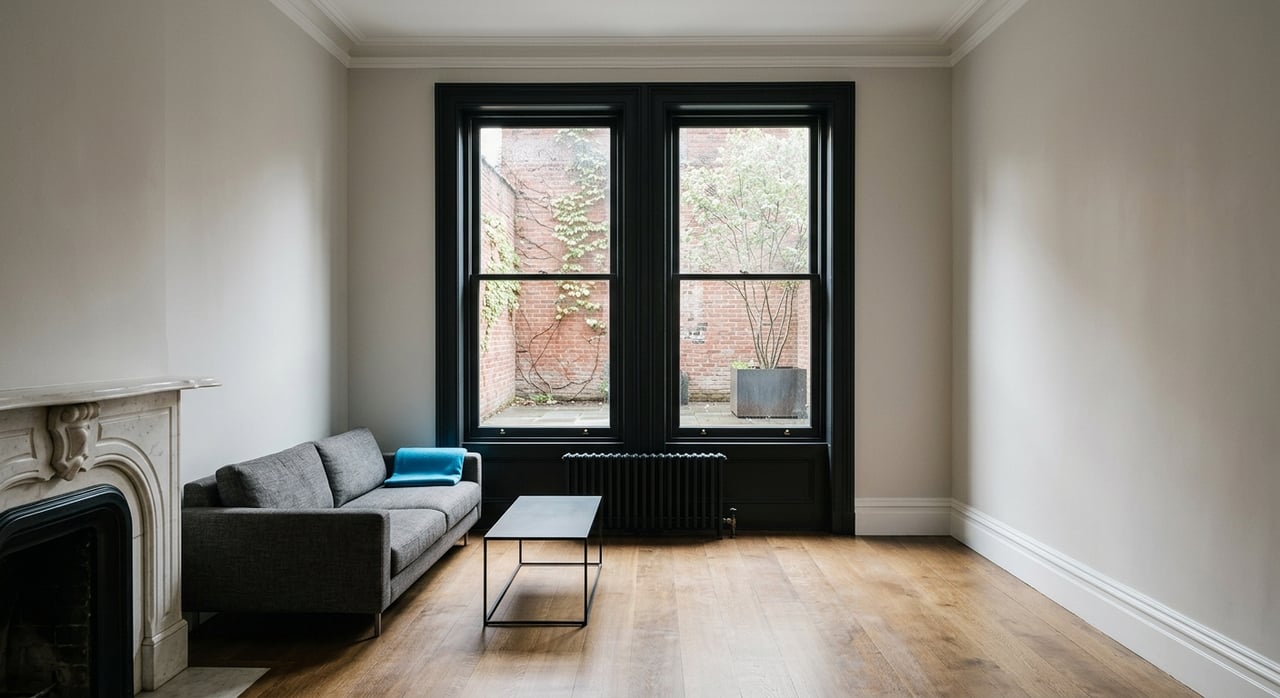
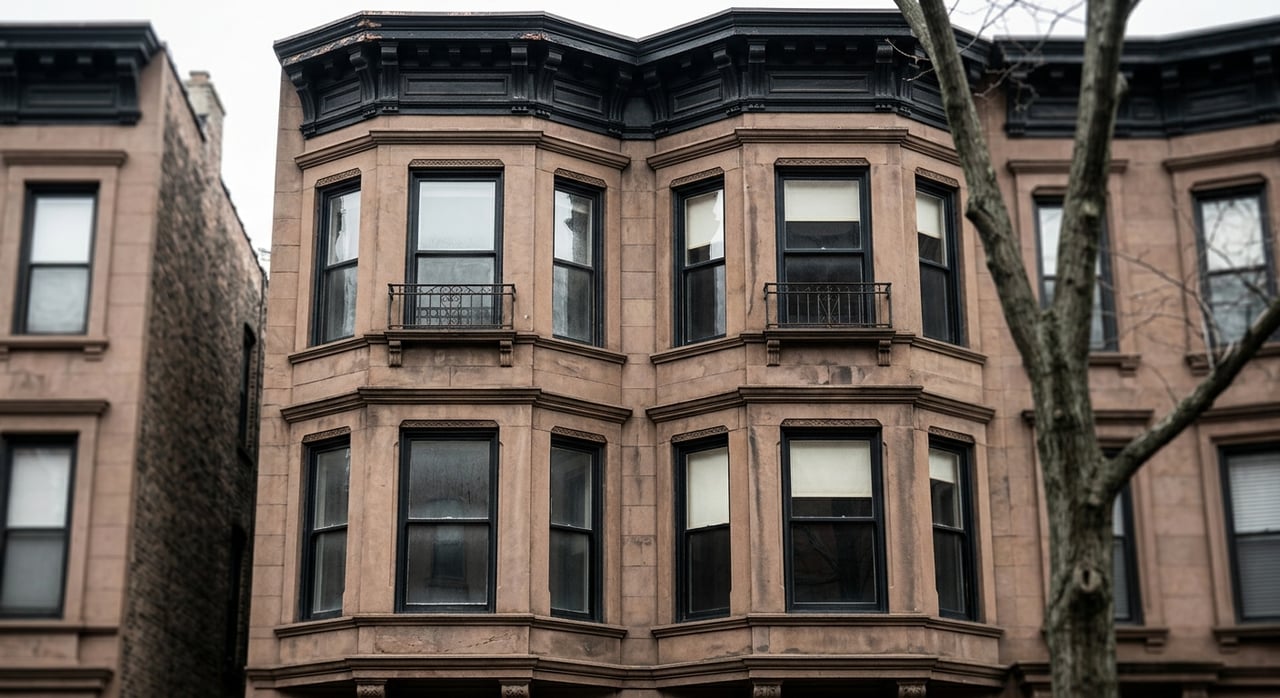
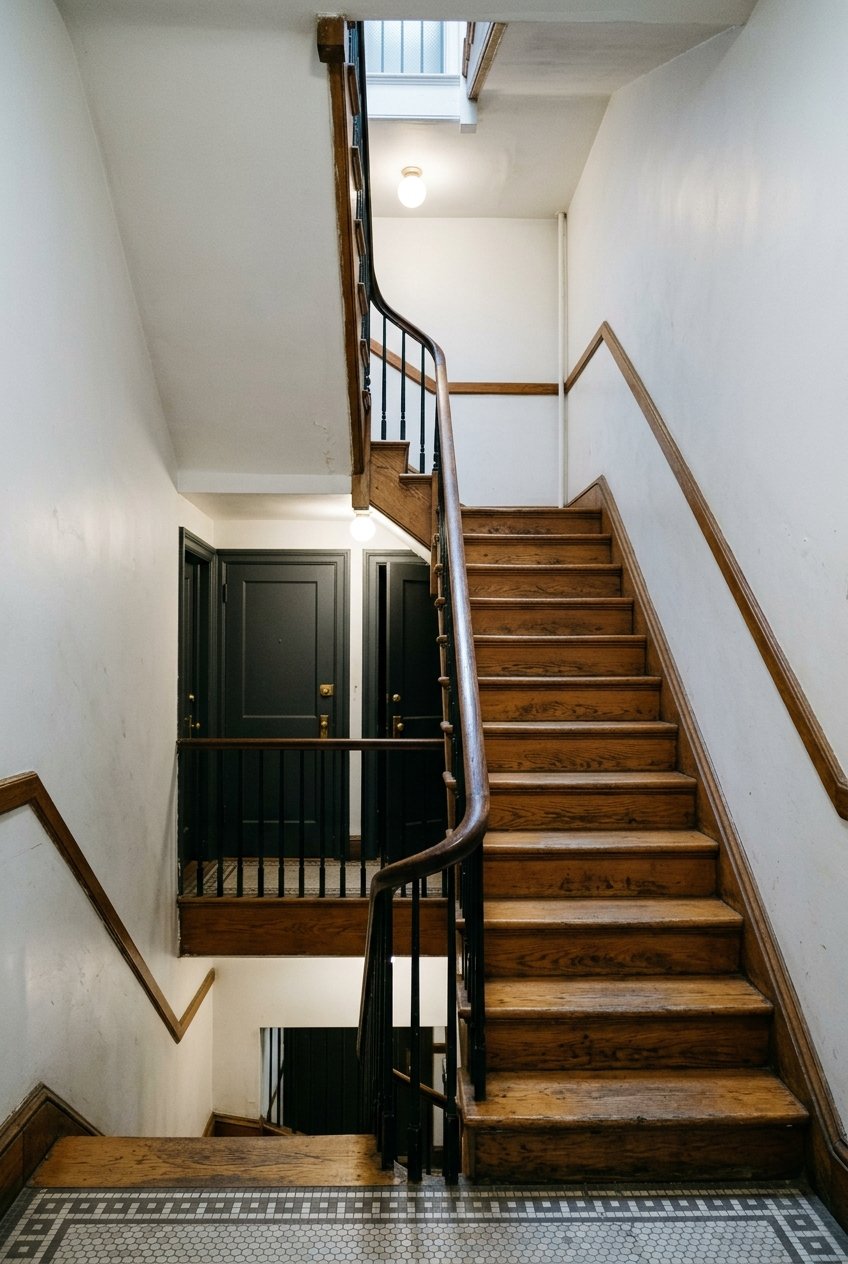
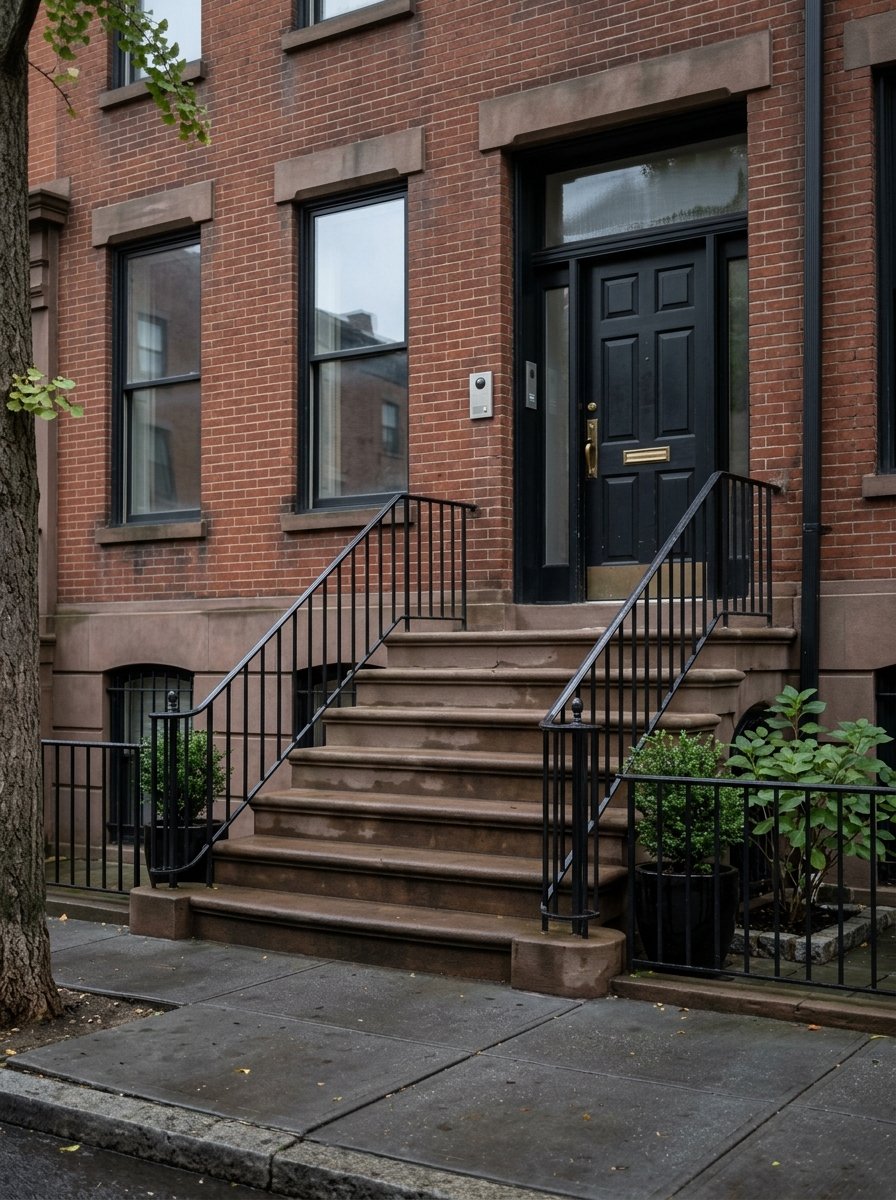
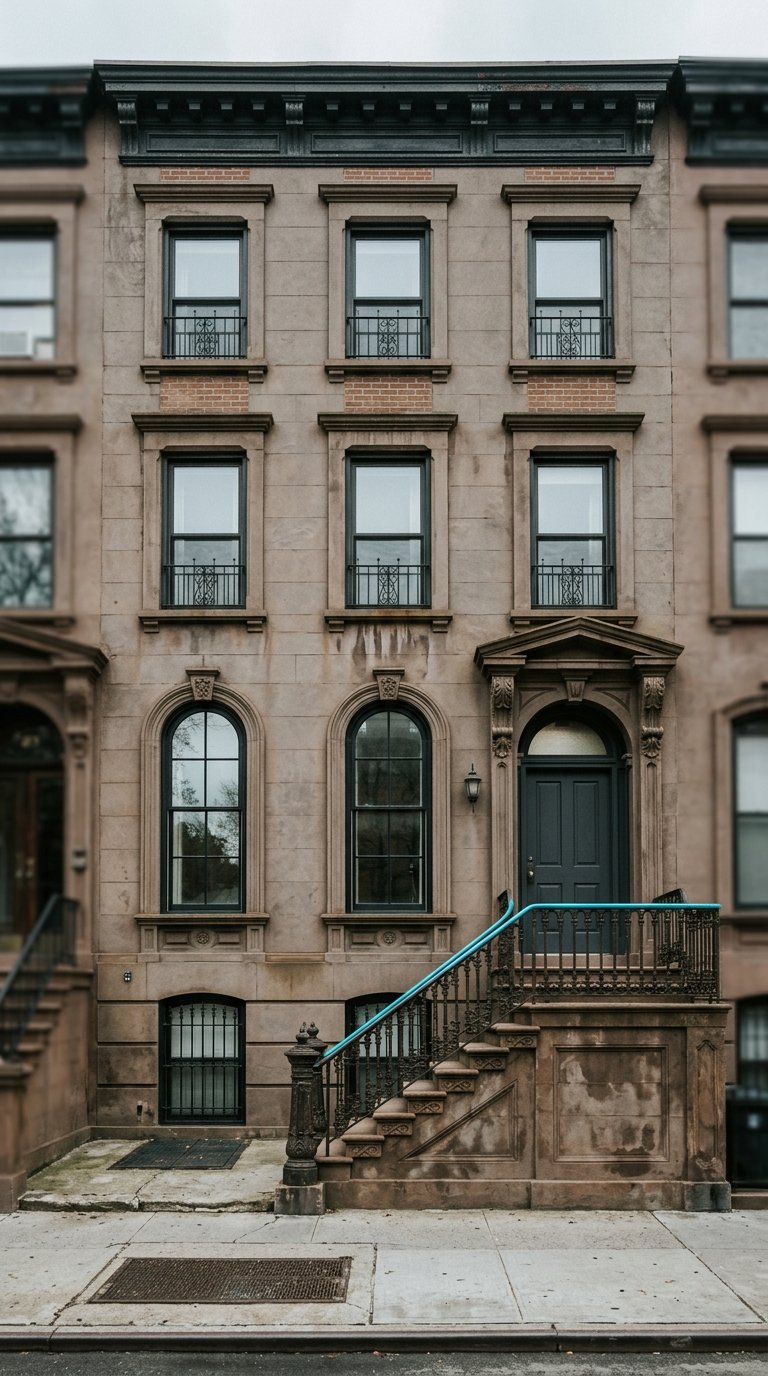
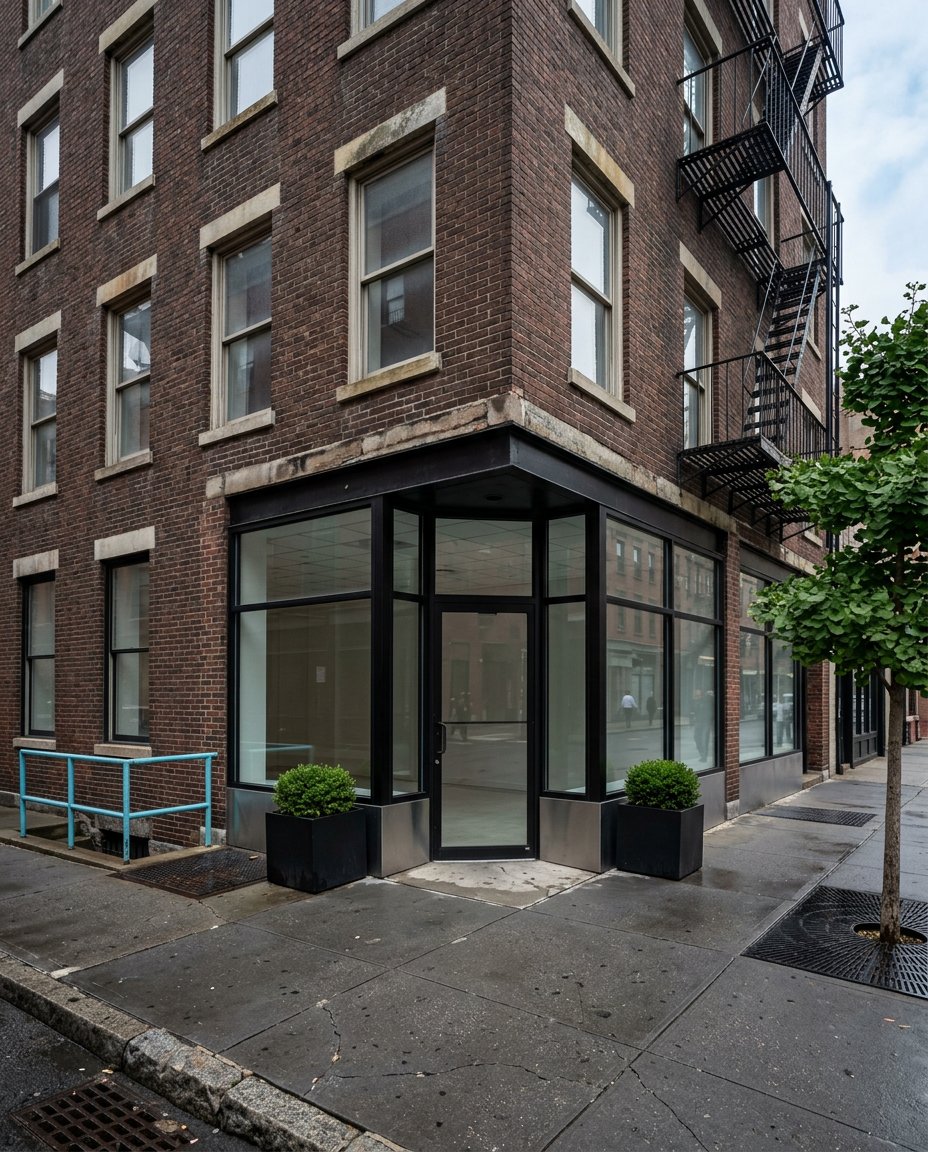
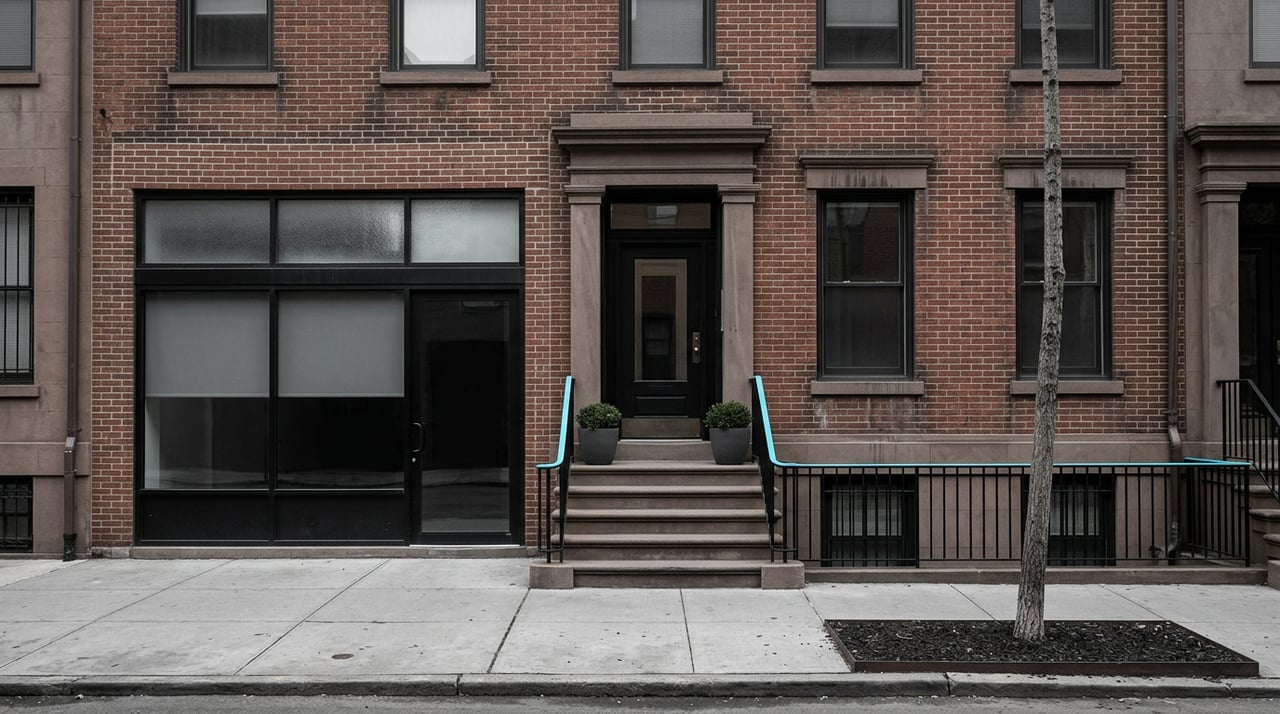
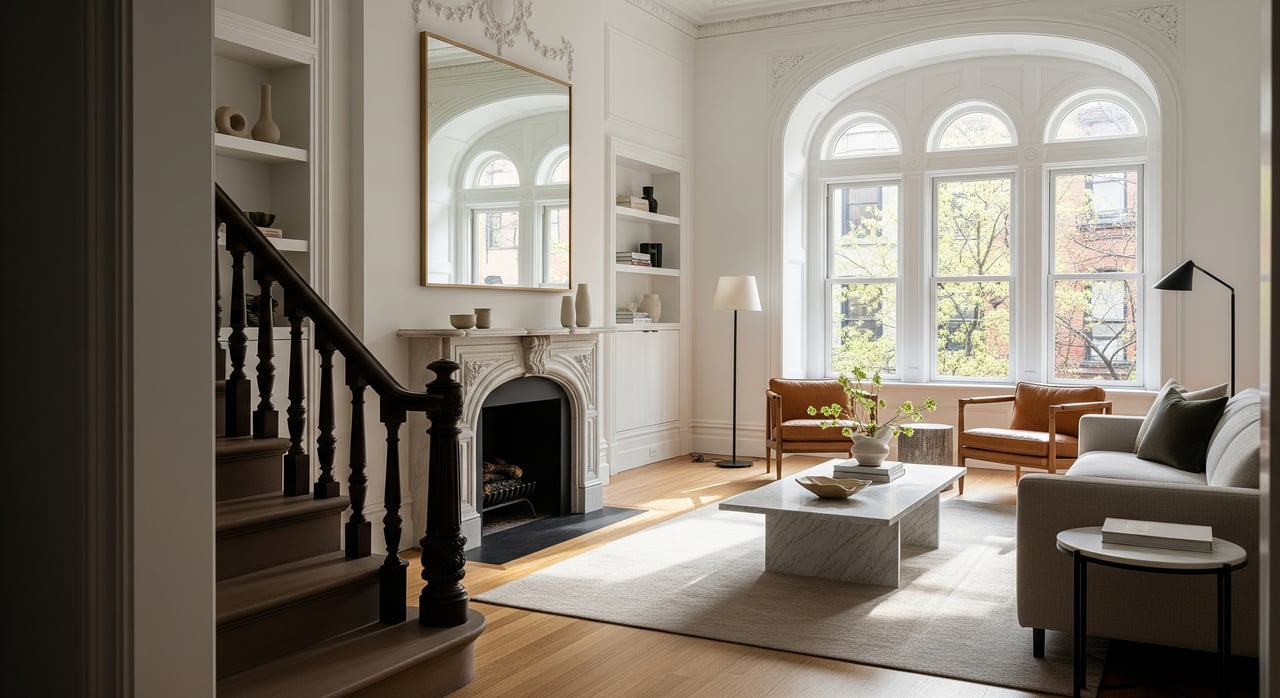
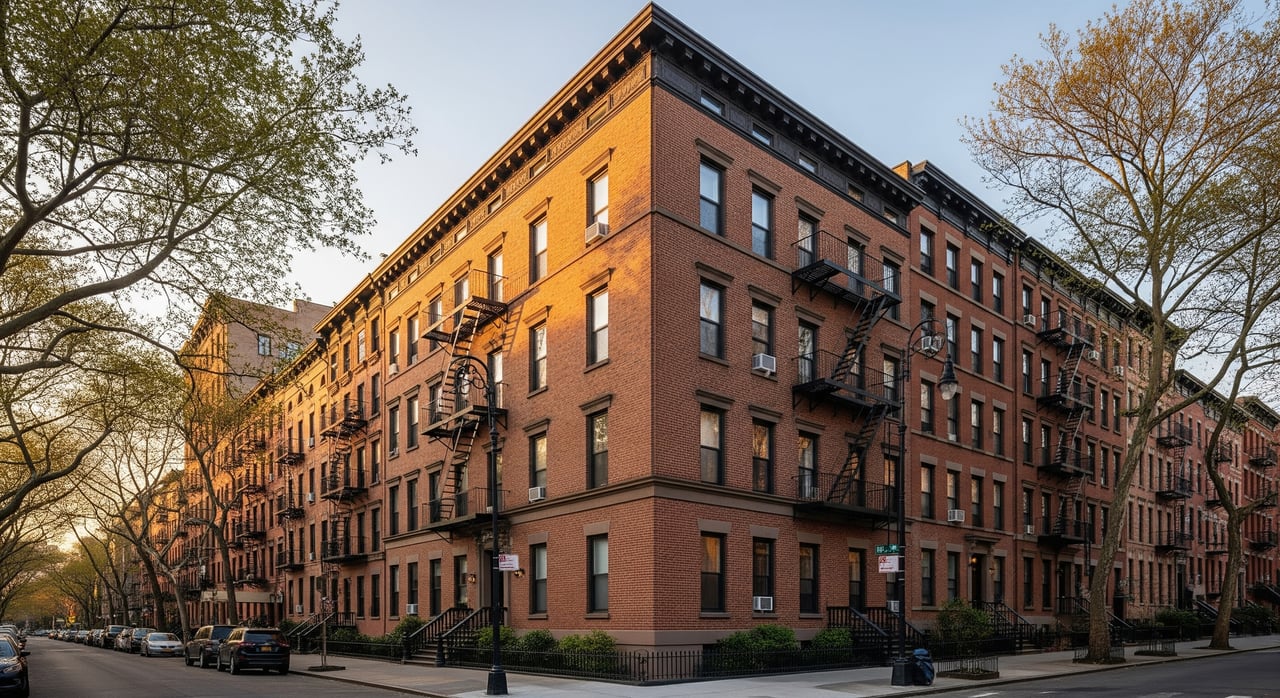
632 President Street is a 1920-built, four-story, four-family rental building in Park Slope. In market terms, that places it in a classic small multifamily category that appeals to both private investors and long-term owners who value stable neighborhood fundamentals.
The location also matters. The property is very close to the R subway line, with Union Street about 0.1 mile away and Bergen Street and 4 Avenue-9 Street about 0.6 mile away. That makes it a transit-served side-street location in brownstone Brooklyn, not a low-access pocket that depends on car use.
Park Slope supports long-term value
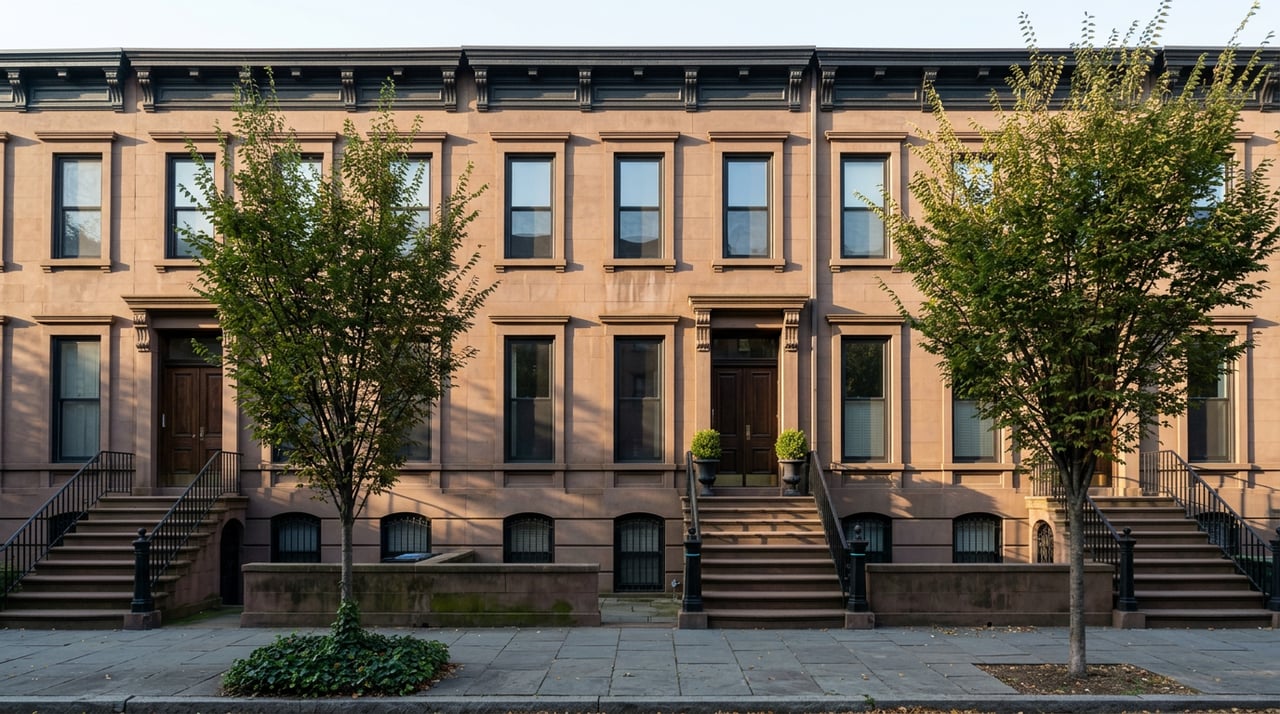
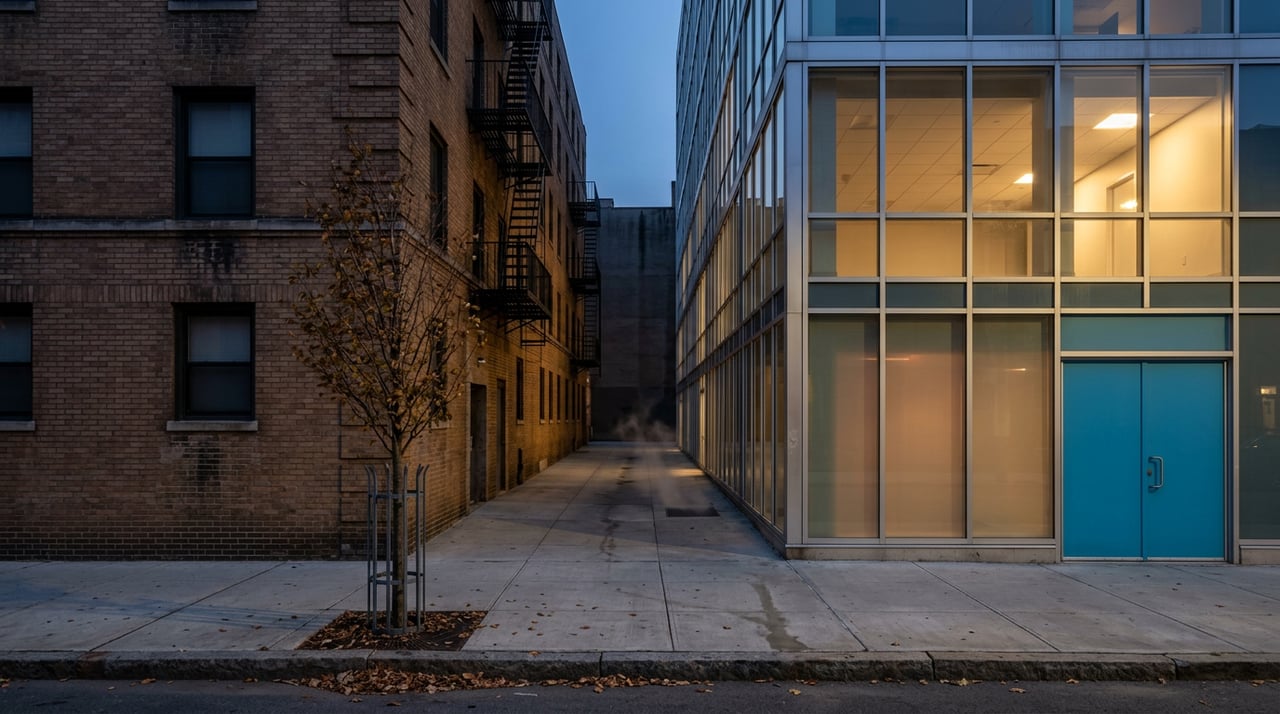
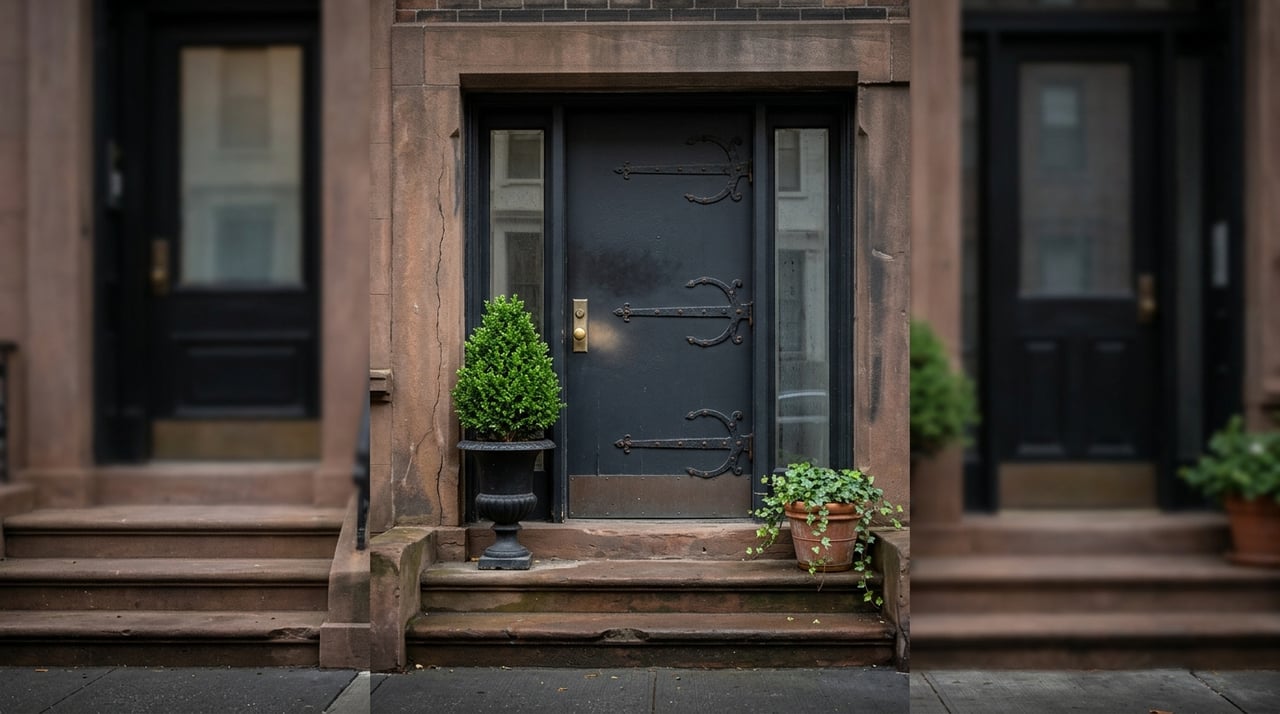
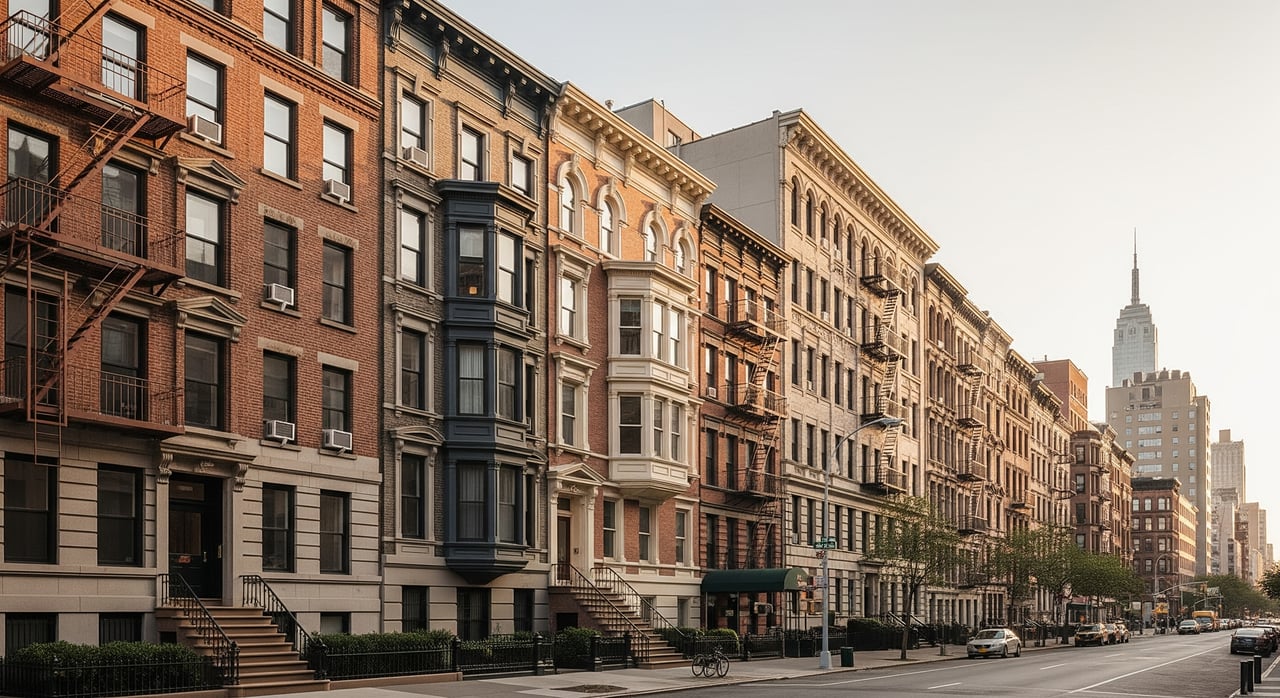
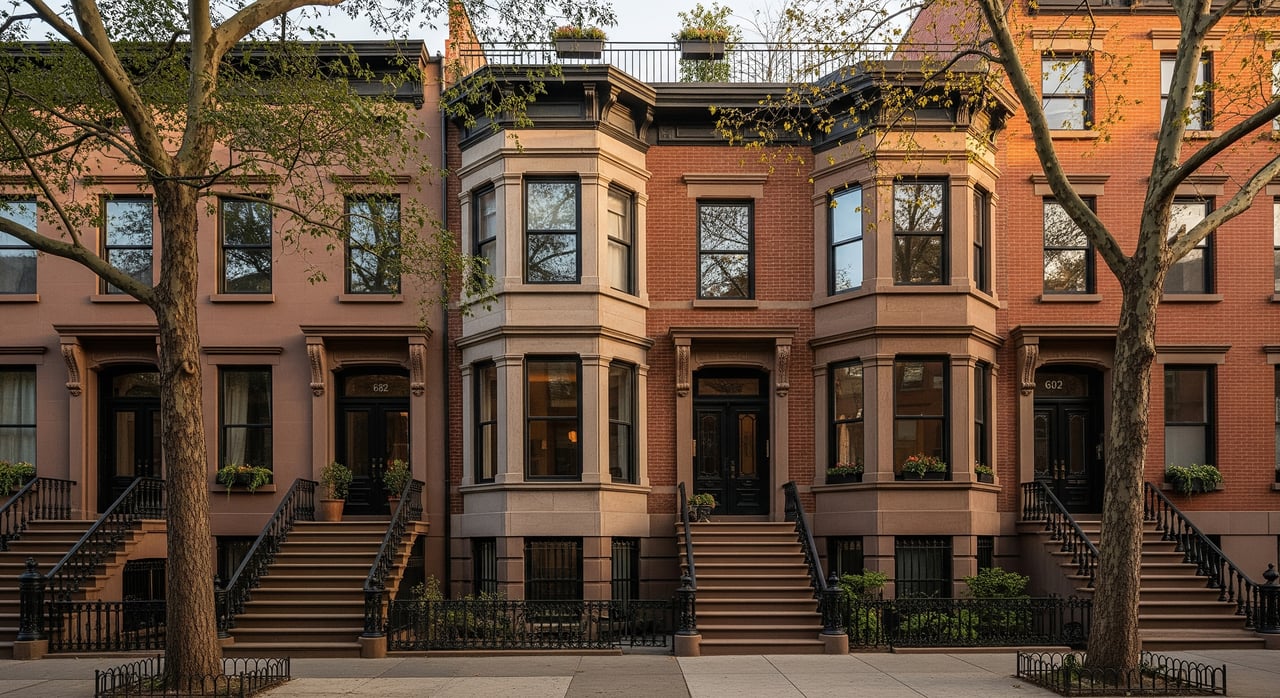
Park Slope has a built-in identity that buyers understand quickly. New York City Planning describes it as a classic brownstone neighborhood, and preservation efforts have focused on maintaining historic scale and limiting out-of-scale infill.
That kind of physical consistency matters for capital. The Landmarks Preservation Commission describes the neighborhood character through tree-lined blocks, modest building scale, mostly residential uses, and strong architectural continuity. For investors and legacy owners alike, that usually reads as a place where the surrounding block fabric is less likely to change dramatically.
Historic district protections shape supply
President Street sits within Park Slope's historic district fabric, based on Landmarks Preservation Commission map files for the original district and Extension II. The extension added 292 buildings and described an area made up mainly of row houses, flats buildings, apartment houses, and institutional structures from the mid-19th to early 20th centuries.
In practical terms, that points to a mature housing stock with limited room for wholesale replacement. Buyers looking at blocks like 632 President Street are often responding to that reality. There are few true modern substitutes for this type of asset in this type of setting.
New supply exists, but scarcity remains
Park Slope and Carroll Gardens did add housing from 2010 to 2025. According to the NYU Furman Center, the area added 6,563 units in buildings with four or more units over that period, and 80% of those units were market-rate.
That is real growth, but it is not a transformative surge when compared with Brooklyn's 131,035 added units over the same broad period. For owners and investors, that helps explain why a scarcity premium can persist. Supply increases, but the neighborhood's core character and limited replaceable stock still keep competition for well-located assets high.
Demand drivers stay strong on blocks like this
Core capital usually follows everyday fundamentals, not just headline pricing. At 632 President Street, the demand story is supported by transit, park access, and an affluent renter base that keeps the local market active.
Transit access widens the renter pool
Being near multiple subway stops supports day-to-day convenience and broadens the pool of renters and buyers who will consider the location. In a neighborhood where many residents prioritize access over car ownership, that matters in underwriting and resale conversations.
For a small multifamily building, that kind of transit proximity can support durable interest across market cycles. It is one of the reasons side streets near established transit nodes continue to attract attention from regional private buyers and long-hold capital.
Prospect Park adds daily-use value
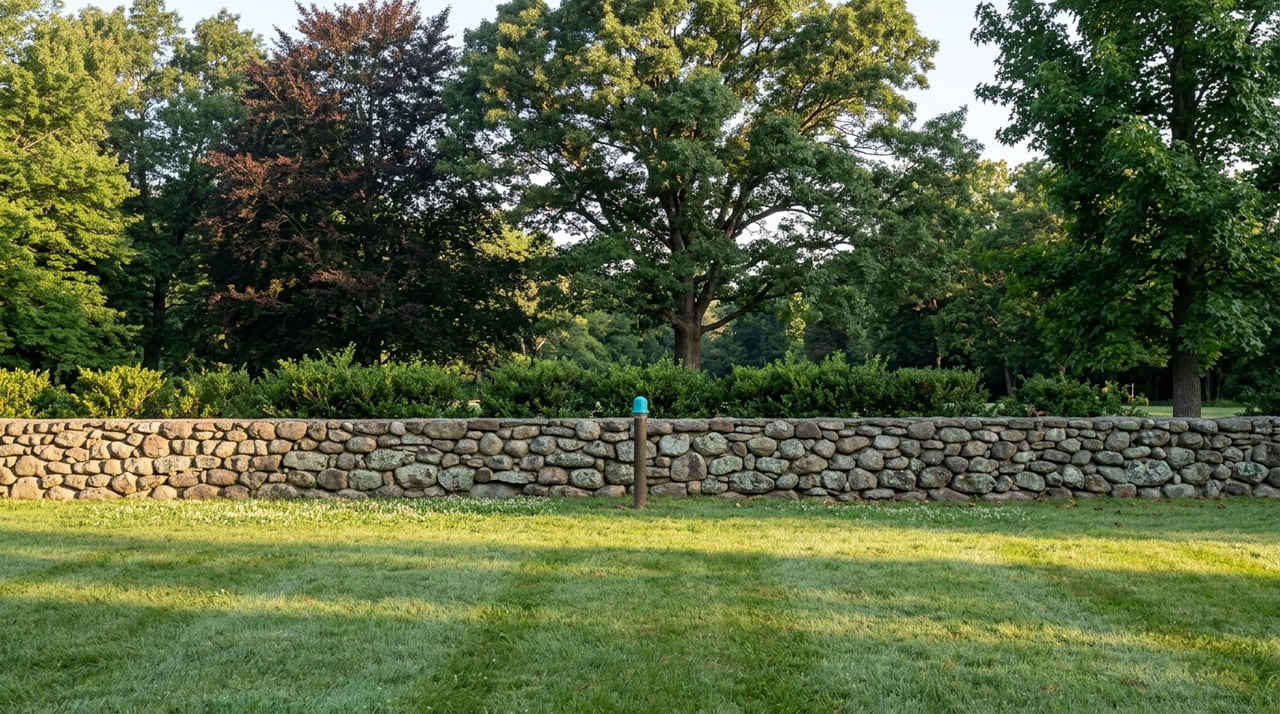
Prospect Park is central to the Park Slope story, not just a nearby amenity. NYC311 reports that the park covers more than 526 acres, is open from 5 AM to 1 AM, and has been permanently closed to motor vehicles since January 2, 2018.
That means park access is woven into daily neighborhood life. For the market, this supports a location premium that goes beyond simple distance. Buyers recognize that direct access to a major public space can strengthen renter appeal and long-term neighborhood demand.
Income and rents support pricing power
The Furman Center's 2024 profile for Park Slope and Carroll Gardens shows a median household income of $188,730, a 3.3% rental vacancy rate, and a real median gross rent of $2,900. The same profile ranks the area as the city's third-highest median-income neighborhood and fifth-most expensive rent neighborhood.
Those numbers help explain why investors view this submarket as a top-tier Brooklyn residential market. A low vacancy rate and high income base support the idea that demand remains deep, even when pricing is competitive.
StreetEasy's current Park Slope snapshot points in the same direction, showing a $1.7 million median sale price and a $4,100 median base rent. While those figures are not directly comparable to Furman's rent measure, they reinforce the same market conclusion: Park Slope remains a premium submarket.
The renter base is deep and competitive
Furman reports that 14.7% of renter households were severely rent-burdened in 2024, while the largest income band in the area was $100,001 to $250,000. That suggests a renter base with meaningful earning power, but also a market where demand for housing remains competitive.
Census Reporter's 2024 PUMA profile for the broader Park Slope and Carroll Gardens area also shows a median household income of $182,554, with 74.8% of adults holding a bachelor's degree or higher and poverty at 7.4%. For owners and buyers, that points to a strong base of professional households supporting neighborhood demand.
Household mix supports stability
Park Slope and Carroll Gardens is not driven by a single renter type. Furman reports that households with children under 18 made up 28.9% of area households in 2024.
That mix matters because it suggests broad-based demand rather than a narrow tenant profile. A neighborhood that attracts higher-income renters, owner-occupants, and households seeking long-term stability often supports steadier occupancy over time.
Why core Brooklyn capital stays interested
When experienced buyers look at a block like 632 President Street, they are usually not chasing a short-term story. They are reading a layered market with proven demand, constrained supply, and a location profile that tends to preserve relevance over time.
Park Slope outperforms borough norms
The contrast with borough-wide numbers is clear. Furman reports Brooklyn's 2024 median household income at $83,770, median rent at $1,900, and homeownership rate at 29.1%.
Against that backdrop, Park Slope and Carroll Gardens stands well above borough norms on income and rent. That is a key reason many buyers see this area as one of Brooklyn's core residential capital markets rather than simply another neighborhood with brownstones.
Appreciation supports long-hold thinking
Furman reports that residential property prices in Park Slope and Carroll Gardens have risen 120% since 2009, compared with 104% for Brooklyn overall. That does not guarantee future performance, but it does show that the submarket has historically compounded ahead of the borough.
For many buyers, that supports a preservation-of-capital mindset. On streets like President Street, the appeal is often as much about holding value and compounding steadily as it is about maximizing near-term cash flow.
What owners can take from this
If you own a small multifamily building on a block like 632 President Street, the capital story is bigger than unit count alone. Buyers are often underwriting the surrounding block fabric, neighborhood protections, transit access, park adjacency, and the income profile of the local renter base.
That matters if you are thinking about timing, pricing, or whether to hold versus sell. In tightly supplied submarkets, execution can depend on presenting not just the building, but the market logic that supports buyer conviction.
For generational owners especially, this type of asset can attract interest because it sits at the intersection of scarcity and stability. That is often where discreet, well-run sale processes create the best outcomes.
If you are evaluating how a Park Slope asset may be received in today's market, a cycle-aware approach can help you frame the opportunity clearly and reach the right buyer pool. To discuss positioning, timing, and buyer demand for Brooklyn multifamily assets, connect with Exodus Capital.
FAQs
Why does 632 President Street attract investor attention?
- 632 President Street combines a small multifamily format, transit access, historic district context, and placement within a premium Park Slope submarket with high incomes, low vacancy, and limited replaceable supply.
Why is supply limited around President Street in Park Slope?
- Historic district protections, a mature building stock, and preservation of neighborhood scale limit wholesale replacement and reduce the number of true substitutes for existing brownstone-era multifamily assets.
How does Park Slope support rental demand near 632 President Street?
- Rental demand is supported by nearby subway access, daily-use access to Prospect Park, a 3.3% rental vacancy rate, and high local household incomes reported for Park Slope and Carroll Gardens.
Why do buyers view Park Slope as core Brooklyn real estate?
- Park Slope and Carroll Gardens posts much higher income and rent levels than Brooklyn overall, and residential property prices in the area have risen 120% since 2009 versus 104% borough-wide.
What should owners consider before selling a building like 632 President Street?
- Owners should consider buyer demand, block-level scarcity, neighborhood positioning, and whether a well-timed, professionally marketed process could better capture the value of a long-held asset.