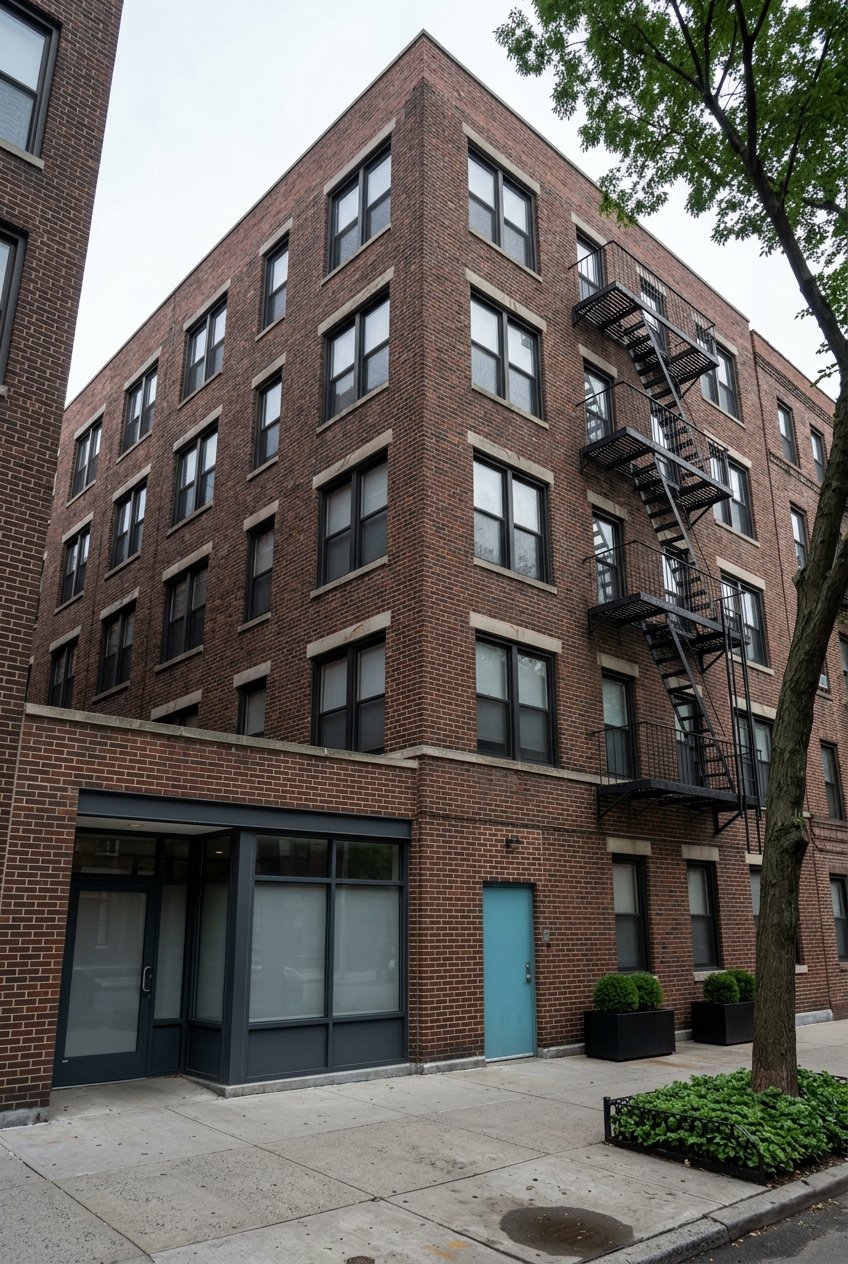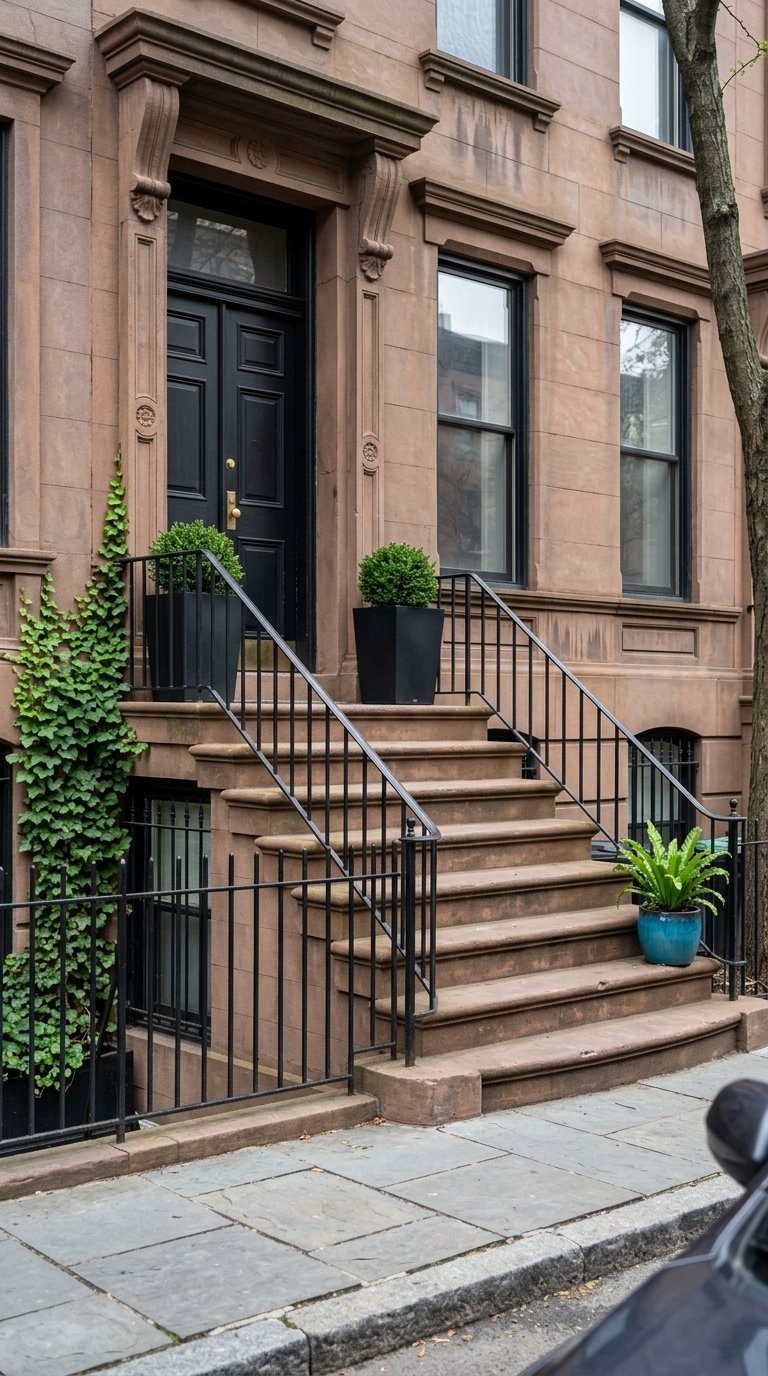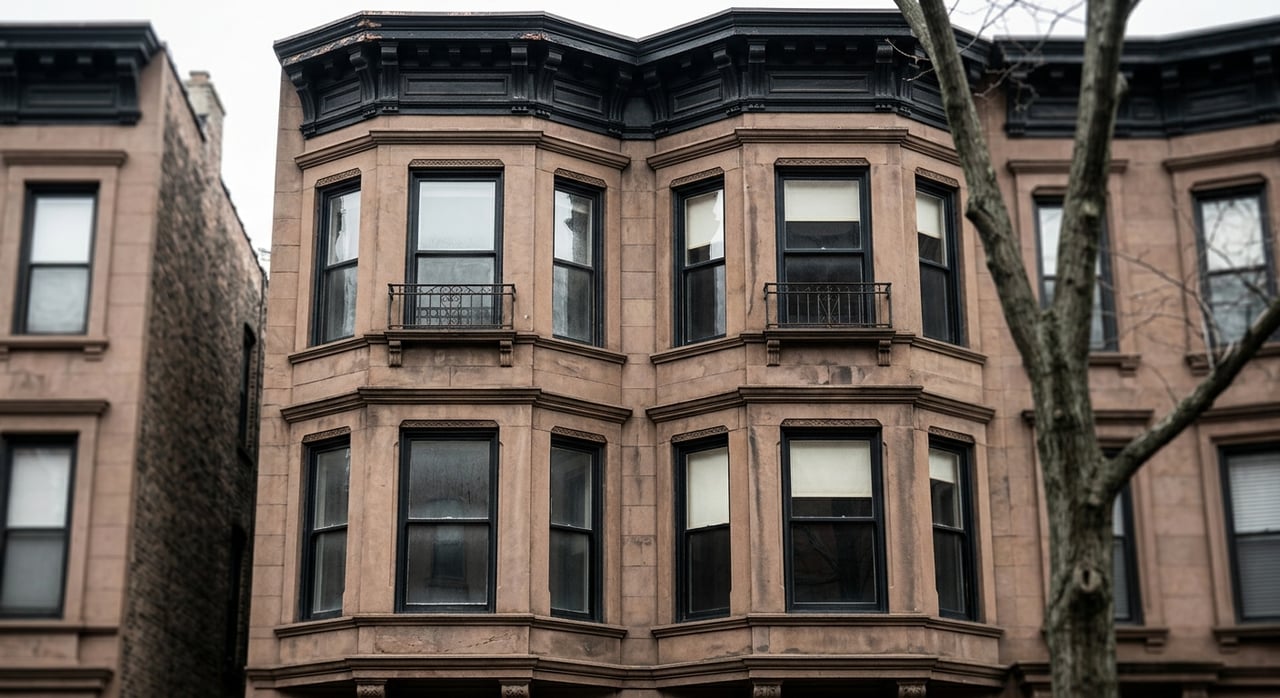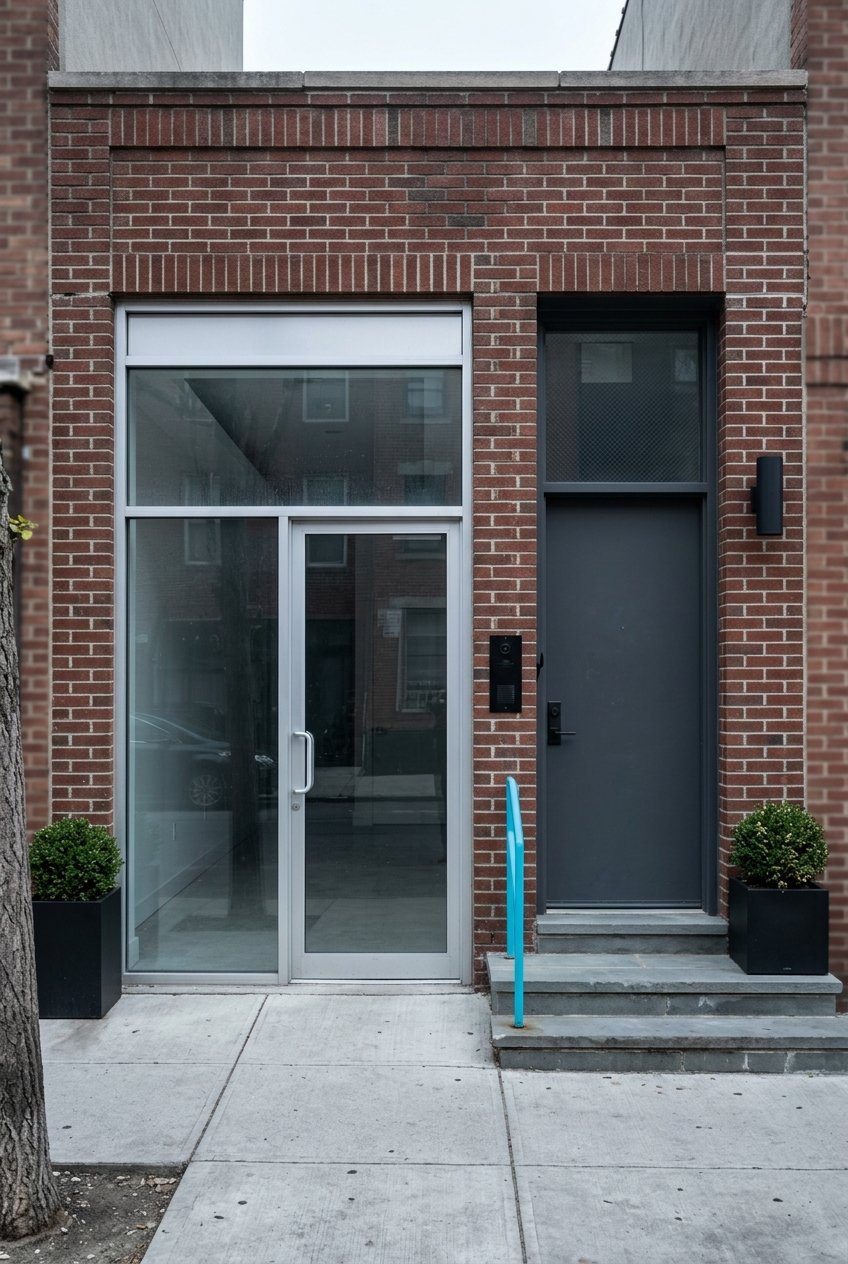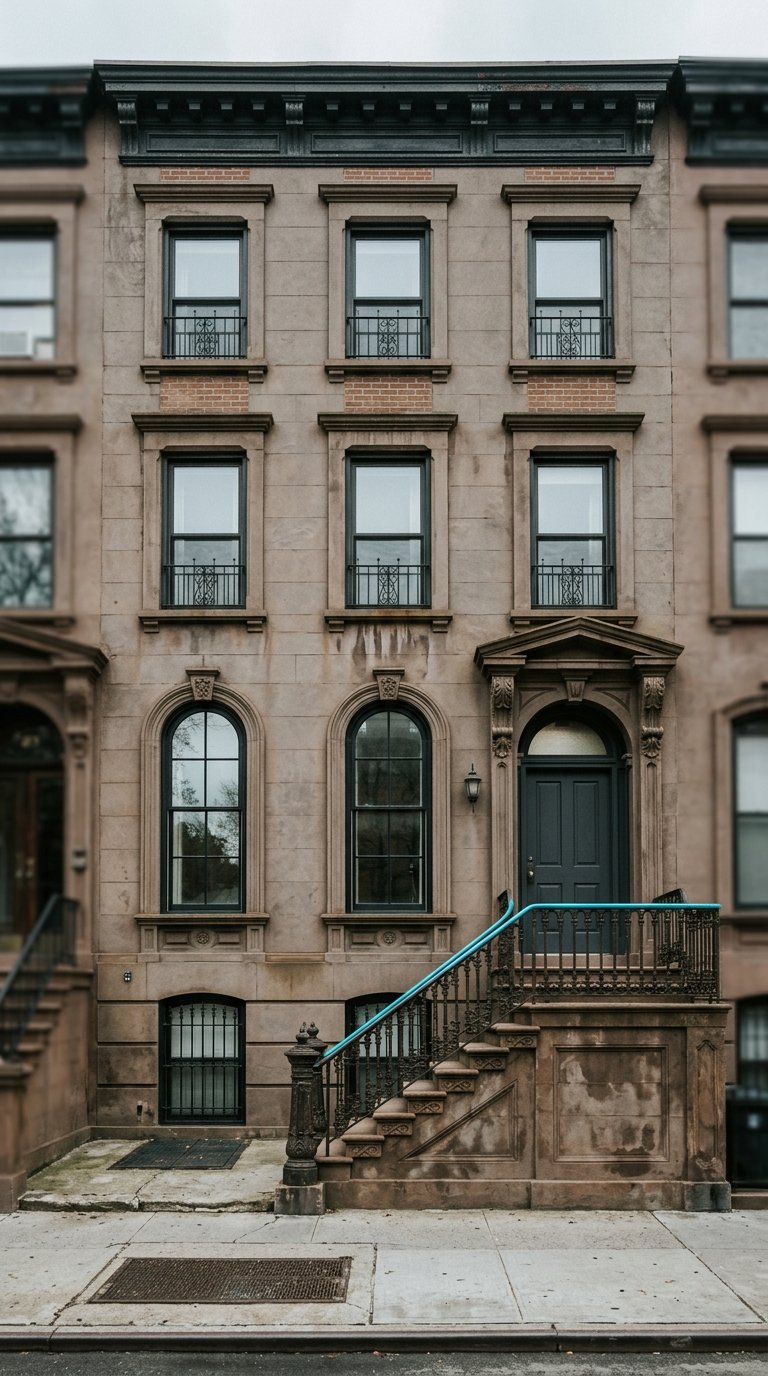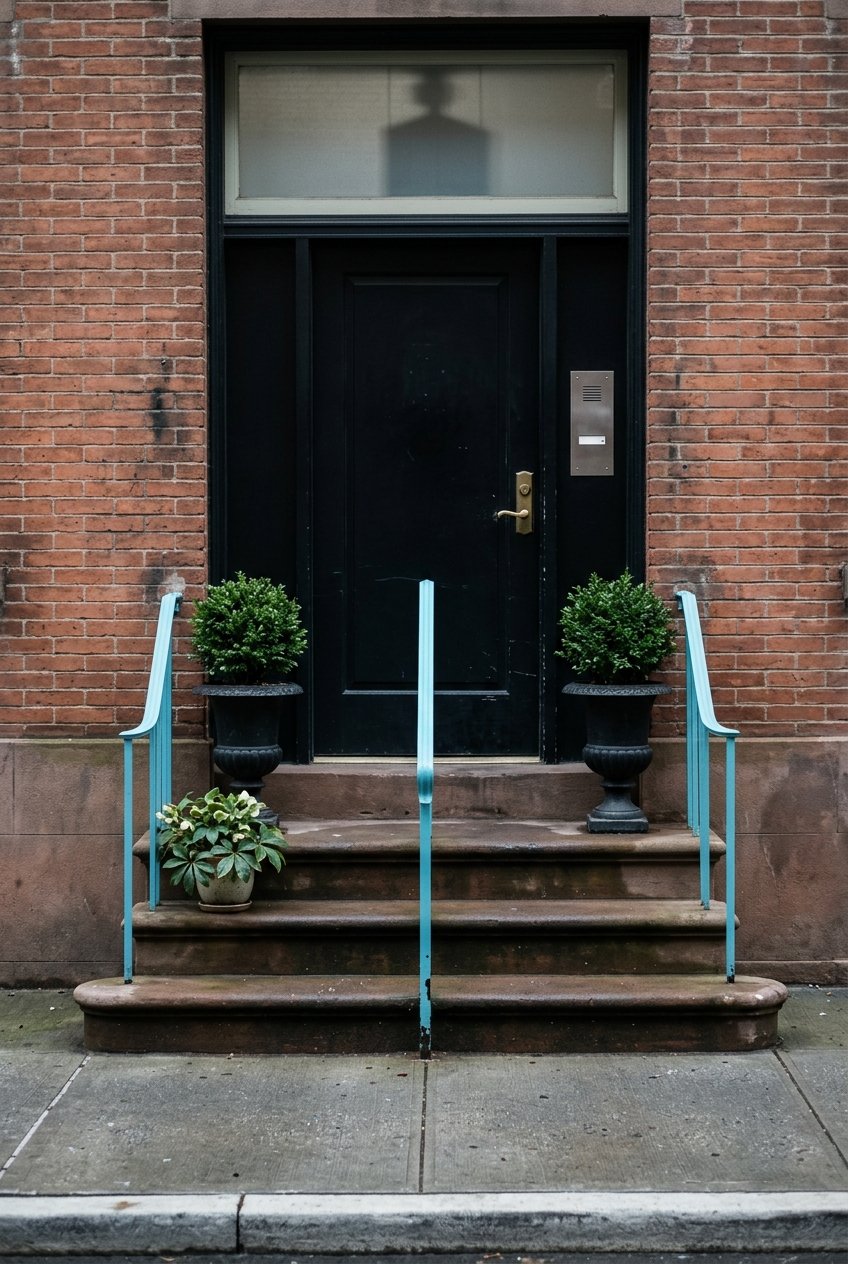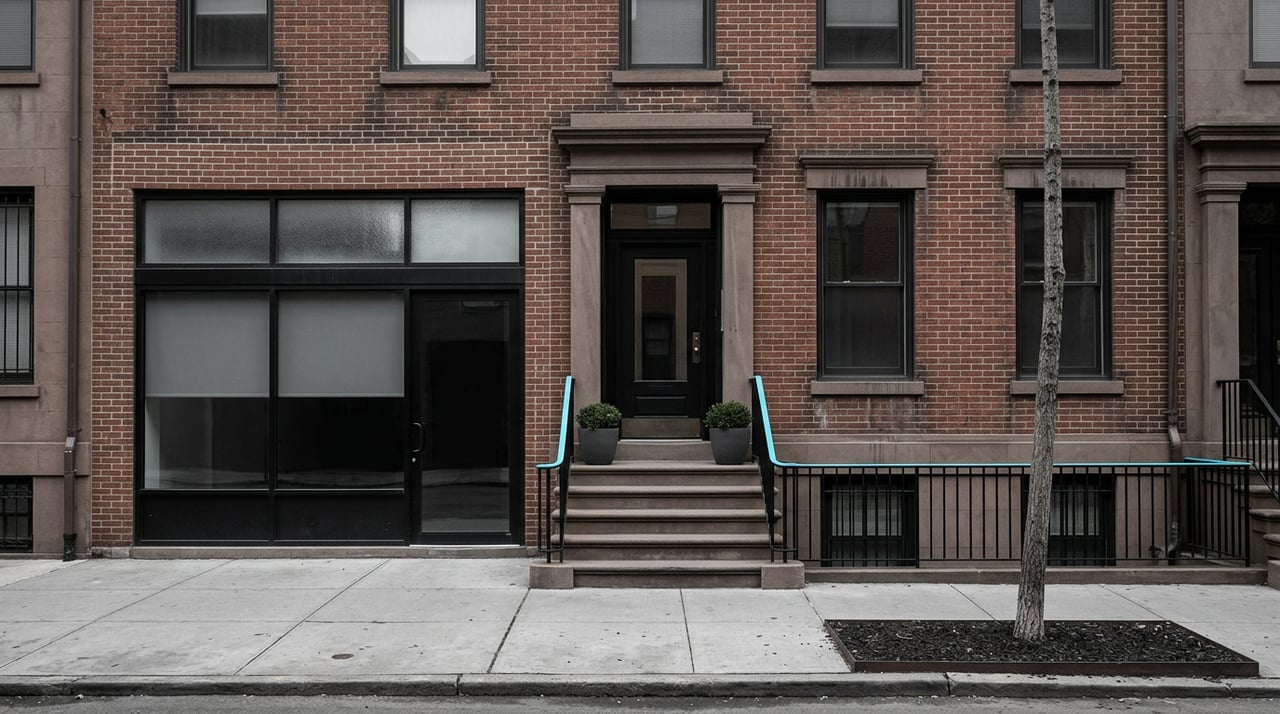
Selling a Park Slope brownstone quietly sounds simple, but the prep work often decides whether the process feels controlled or chaotic. If you own 632 President Street, you are not just selling an address. You are presenting a 1920 four-unit building in a premium Brooklyn market where buyers move quickly, but still expect clean records, organized access, and fewer surprises. This guide walks you through the practical steps that can help you prepare for a discreet sale with more confidence. Let’s dive in.
Why prep matters on President Street
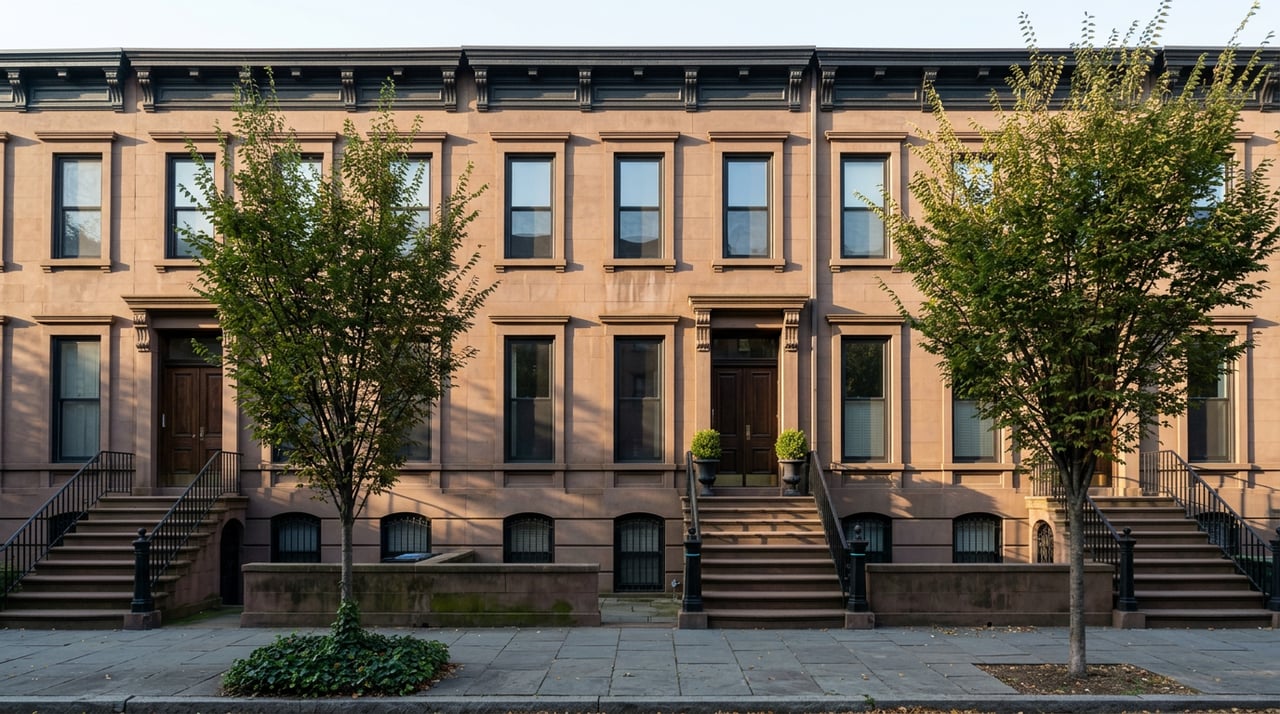
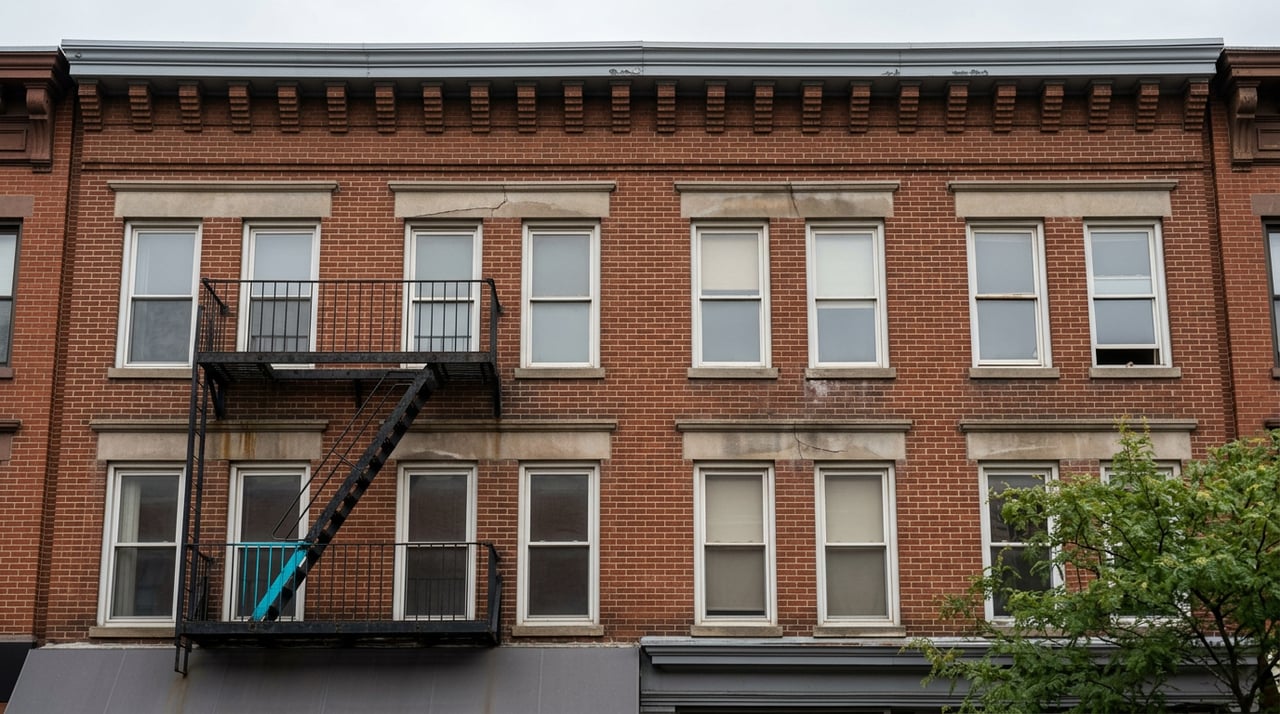
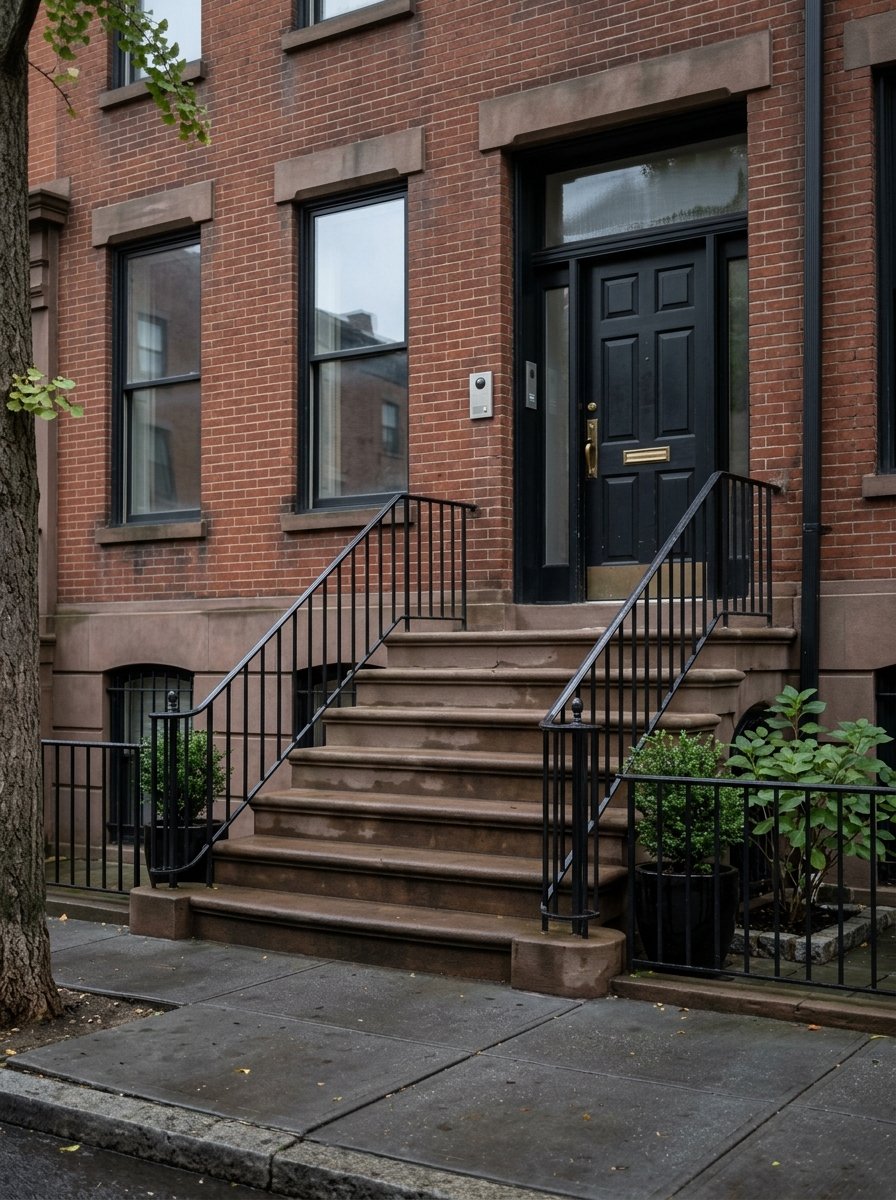
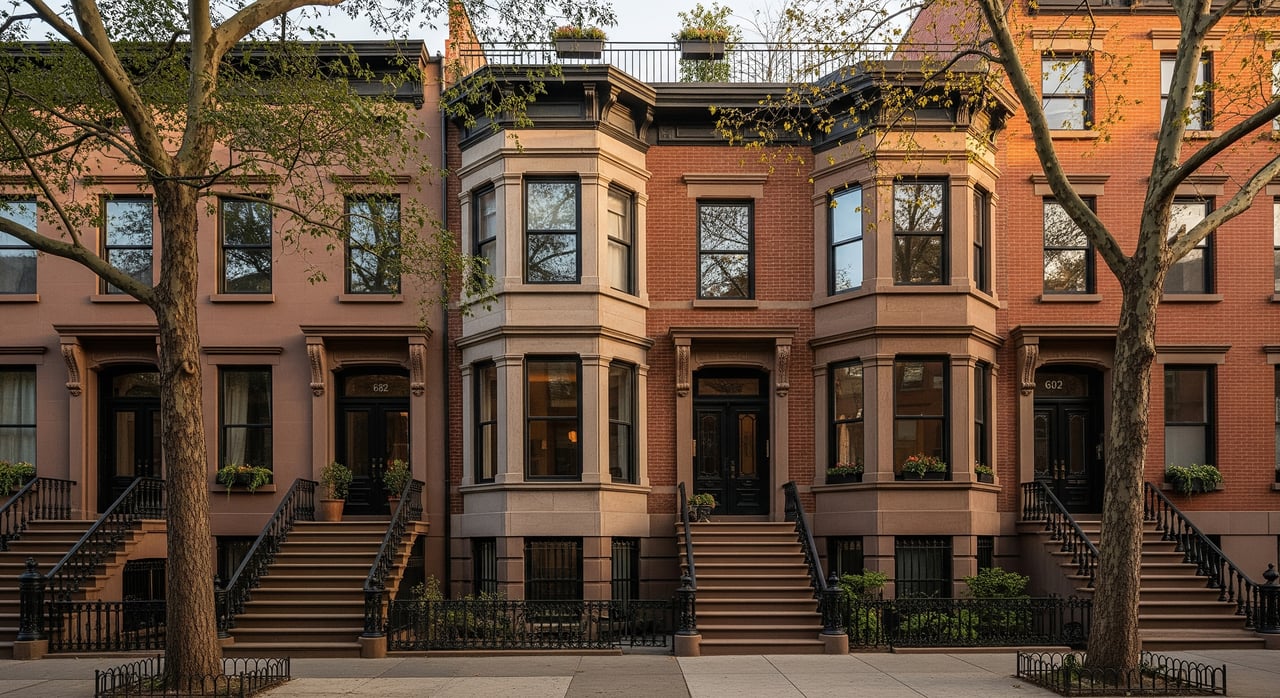
632 President Street is a pre-war Park Slope building that CityRealty identifies as a 1920 property with four rental apartments across four floors, close to the R subway line. That setup creates a very specific sale dynamic. You are dealing with an occupied small multifamily asset, where paperwork, tenant coordination, and visible condition can shape buyer confidence early.
The local market supports a thoughtful approach. Zillow reported Park Slope’s average home value at $1,567,629 as of May 31, 2026, up 6.6% year over year, with homes going pending in about 25 days. That tells you demand remains strong, but buyers still respond to a building that feels organized and ready for diligence.
Build your sale file first
A quiet sale works best when your records are already assembled before any marketing begins. In practice, that means creating a clean file that answers the first questions a serious buyer will ask. If you can deliver that information on day one, you reduce friction and keep the process moving.
At a minimum, your file should include:
- Deed and recorded transfer history
- Tax and assessment records
- Current ownership and contact information
- Leases and lease renewals
- Current rent roll
- Service contracts
- Recent capital improvement invoices
- Current violation status
For Brooklyn properties, ACRIS is the city system for recorded property documents and document images. The Department of Finance Property Information Portal lets you review assessed value, building and land descriptions, and recent recordings. DOB Building Information System, DOB NOW, and HPD Online help you check public records tied to complaints, violations, inspections, permits, and property registration.
Confirm registration status early
For a four-unit residential building, property registration is not optional. HPD requires annual property registration for residential buildings with three or more units, and the agency uses that contact information for official notices and emergencies. If registration is outdated, that can raise avoidable diligence questions.
If any unit is rent stabilized, the file needs another layer of review. HCR requires annual apartment registrations, and the filing window runs from April 1 through July 31. It is smart to verify registration status and rent history before launch, rather than waiting for a buyer to uncover gaps during diligence.
Match the rent roll to the lease file
One of the fastest ways to lose credibility in a multifamily sale is to present numbers that do not align. Before you market 632 President Street, make sure each unit’s lease file supports the rent roll exactly. Buyers will look for consistency, and lenders often will too.
Review each apartment for:
- Current lease amount
- Renewal date
- Security deposit details
- Vacancy history, if relevant
- Preferential rent history, if relevant
- Supporting registration records, if applicable
For non-regulated units, HPD states that legal rent is what the lease says and can only be increased as permitted by the lease or at lease expiration. For rent-stabilized units, the registration history should match the rent roll and the tenant-facing paperwork. The cleaner this alignment is, the easier your underwriting story becomes.
Clear visible maintenance issues
In a quiet sale, buyers notice small issues quickly because they are already looking for reasons to discount value. A tidy building does not need to be fully reinvented, but it should feel maintained. That is especially true in a 1920 brownstone where age-related concerns can become part of the discussion right away.
Focus first on issues that create an immediate negative impression or could trigger a public-record concern, including:
- Peeling paint
- Active leaks or water stains
- Loose or broken window hardware
- Missing or outdated smoke detectors
- Missing or outdated carbon monoxide detectors
- Conditions that could prompt HPD or DOB complaints
HPD also requires occupied apartments in multiple dwellings to be painted every three years. If the building shows visible wear, handling that work before launch can help support a stronger first impression.
Review lead paint compliance
For a pre-war building like 632 President Street, lead-based paint compliance should be checked early. HPD states that buildings built before 1960 must presume paint is lead-based unless testing shows otherwise and the property is exempted. That makes this one of the most important files to review before photography, tours, or repair work begins.
If a child under six resides in a unit, annual notice and inspection obligations apply. Owners must also retain records for at least 10 years. If repair work disturbs painted surfaces, certified workers and safe work practices are required.
This is not an area to leave vague. Either clear the issue, document the compliance file, or be prepared to answer direct questions from buyers during diligence.
Check boiler and building systems
Pre-war sellers sometimes assume every older building has the same boiler filing rules. That is not the case. DOB says annual boiler inspections are required for commercial and mixed-use buildings, residential buildings with six or more families, and SROs.
For a four-unit brownstone, low-pressure boilers in residential buildings with five families or fewer do not require an annual inspection. Still, you should confirm the boiler type and make sure your filing and maintenance approach matches the actual rule for the property. It is a small step that can prevent confusion later.
Pull DOB and HPD history before buyers do
Quiet sales still involve diligence. In fact, they often involve more focused diligence because the buyer pool is smaller and more targeted. That means you should review the public record before the first conversation with a serious prospect.
DOB and HPD public tools can show complaints, violations, permits, inspections, registration details, and other building history. If there are open issues, clear what you can and document the rest. A buyer is more likely to stay engaged when the issue is disclosed clearly rather than discovered unexpectedly.
Create a predictable tenant access plan
Occupied apartments require a steady hand. New York City access rules matter here because they shape how a discreet sale is actually executed. The NYC courts state that in non-emergency situations, a landlord may enter at reasonable hours with reasonable notice for repairs, improvements, or inspection.
HPD also states that a landlord may enter at a reasonable time after appropriate notice to show an apartment to prospective tenants or purchasers. For your sale process, that means access should be planned, batched, and predictable. Repeated one-off requests create friction and can make a building feel harder to buy.
A practical showing plan often includes:
- Grouping showings on specific days or time blocks
- Giving consistent notice to affected tenants
- Prioritizing common areas and vacant space first
- Limiting repeat visits where possible
- Coordinating repairs and tours to avoid disruption
Handle photography carefully
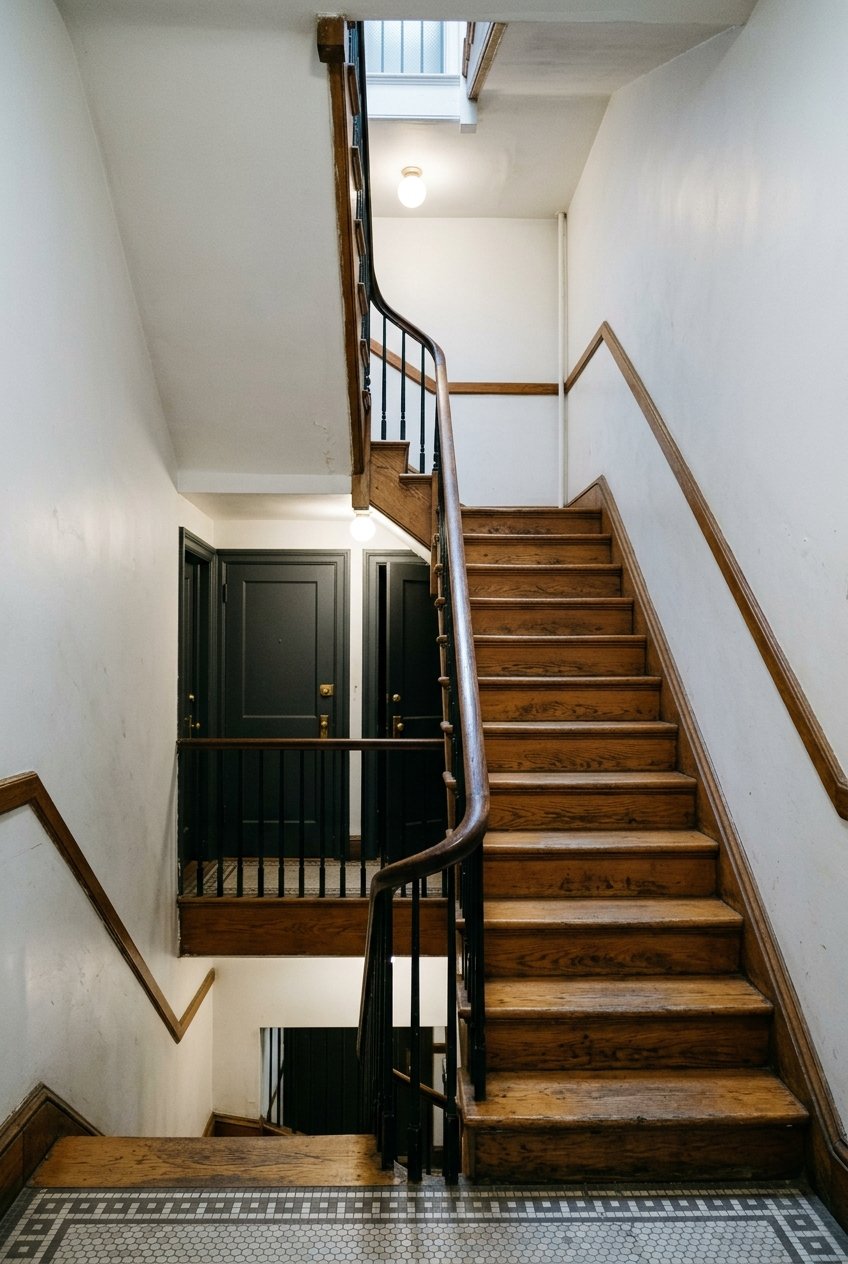
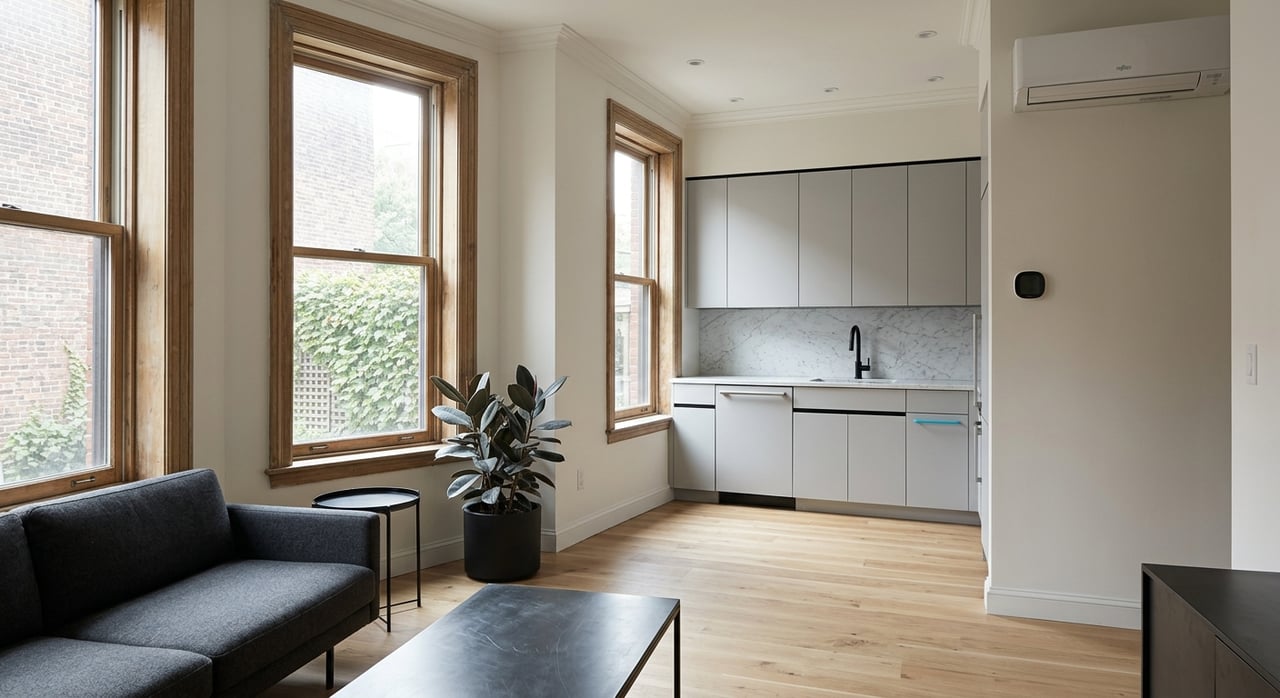
Photography in an occupied four-unit building should be intentional. The least disruptive approach is usually to photograph the exterior, common areas, and any vacant units first. Then, if needed, you can add a limited set of occupied-unit images where the tenant is comfortable and the scope is clear.
That approach supports a quieter process. It also helps reduce repeated visits, broad room-by-room shooting, and unnecessary exposure of personal belongings or private information. In a discreet sale, good preparation often matters more than a large volume of photos.
What buyers want to see in a quiet sale
A quiet sale is not a casual sale. It is a controlled sale where the building already reads as well-managed before it is broadly discussed. For 632 President Street, that means the buyer should see a clear operating story, organized records, and a realistic access plan.
The highest-friction items are usually the same ones that deserve your attention first:
- Lead paint compliance
- Boiler and heat system review
- Visible deferred maintenance
- Rent roll accuracy
- Lease file consistency
- Current HPD and DOB status
- Registration status, including any HCR filings if applicable
When these items are addressed up front, you create better conditions for discretion, stronger buyer confidence, and a smoother path to contract.
If you are thinking about a quiet sale for a legacy brownstone or small multifamily asset, disciplined preparation can protect both value and privacy. To discuss a discreet disposition strategy for your building, connect with Exodus Capital.
FAQs
What records should you gather before quietly selling 632 President Street?
- You should assemble the deed, transfer history, tax and assessment records, ownership details, leases, renewals, rent roll, service contracts, capital improvement invoices, and current DOB and HPD status before marketing begins.
Can occupied apartments at 632 President Street be shown to prospective buyers?
- Yes. New York City guidance says a landlord may enter at a reasonable time after appropriate notice to show an apartment to prospective purchasers.
Why does lead paint matter when selling a 1920 Park Slope brownstone?
- Because buildings built before 1960 must presume paint is lead-based unless testing shows otherwise, and additional notice, inspection, recordkeeping, and safe work practice rules may apply.
What should you verify about rent records before marketing 632 President Street?
- You should make sure the rent roll matches each lease, renewal, security deposit record, and any applicable registration history for regulated units.
What public records should you review before launching a quiet sale in Brooklyn?
- You should review ACRIS, the Department of Finance Property Information Portal, DOB public records, and HPD Online so you can address or explain issues before a buyer finds them.
Does a four-unit brownstone in Brooklyn always need annual boiler inspections?
- No. DOB says low-pressure boilers in residential buildings with five families or fewer do not require annual inspection, so you should confirm the actual boiler type and applicable rule for the building.