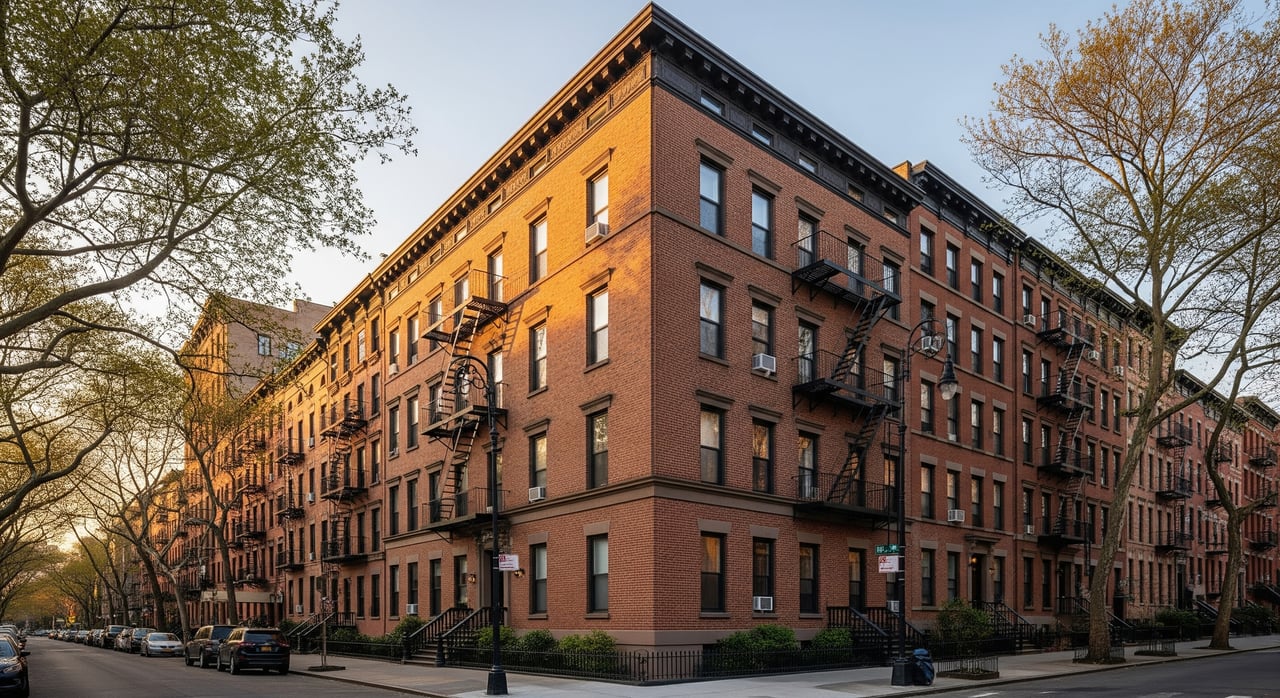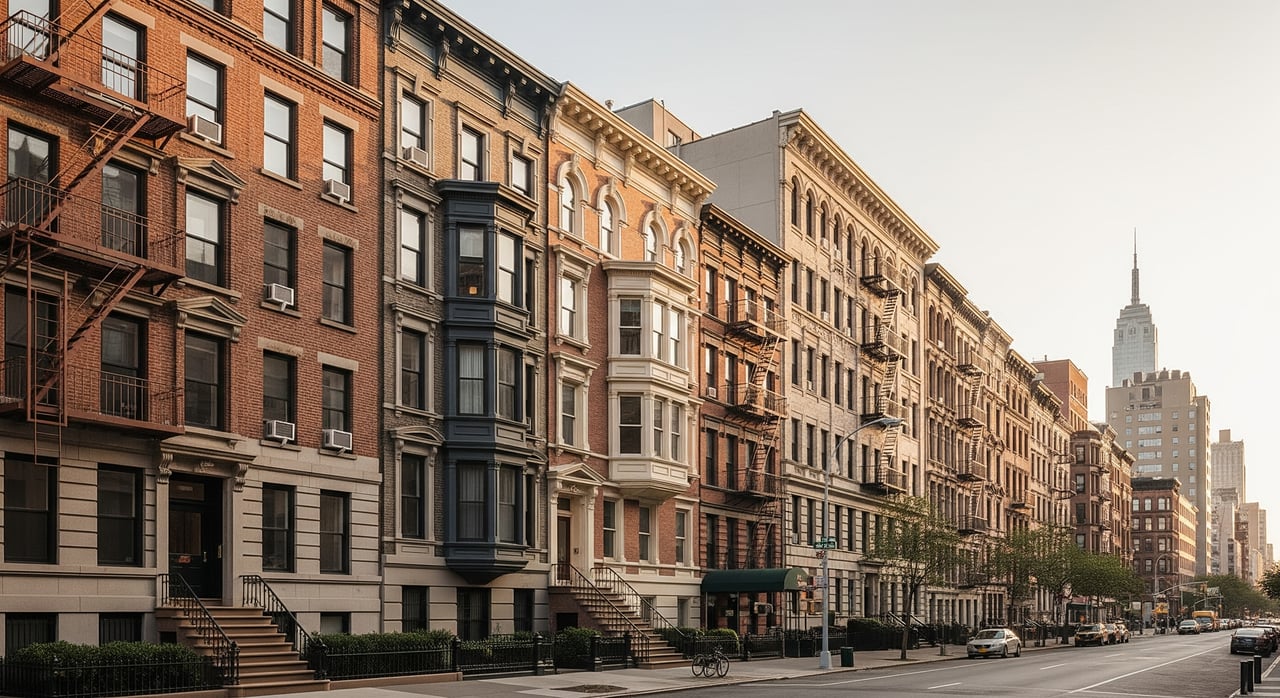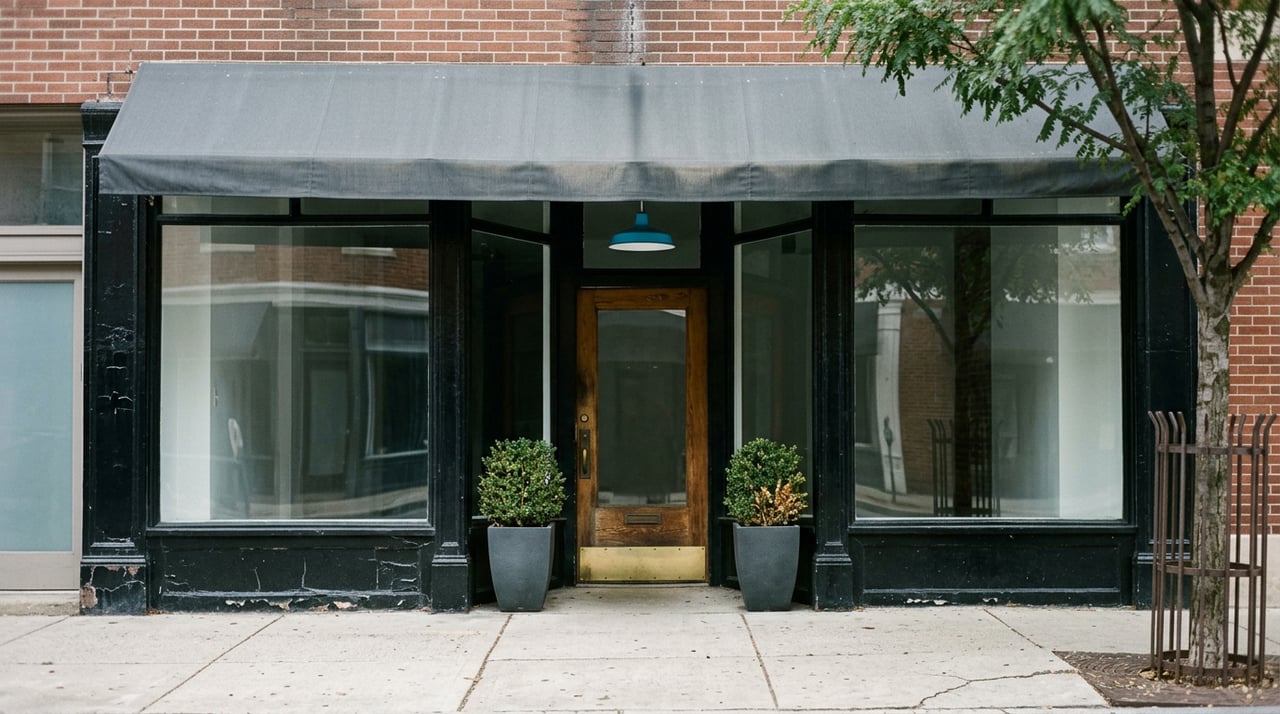
Every Saturday from May through October, a three-block stretch of Fifth Avenue between Union Street and 4th Street shuts down to cars. Folding tables go up outside the boutiques. A jazz trio plays near Carroll Street. Kids ride bikes in a lane that's usually reserved for the B63. Then August arrives and none of it happens. Open Streets goes dark for the entire month, a scheduled pause that's been baked into the program's calendar for 2026 the same way it was in past seasons.
If you've lived here more than a summer, this isn't news. What's easy to miss is what's filling the silence. This has been the busiest year for chef-driven openings Fifth and Seventh Avenues have seen in a while, and none of those restaurants are waiting for a Saturday street closure to draw a line. They're open Tuesday through Sunday, rain or shine, Open Streets or not. The avenue's weekly performance used to be the thing worth planning around. In 2026, the better plan is walking in on a random Wednesday.
The Avenue's Calendar Used to Run on One Clock
Open Streets built its reputation on Saturdays. The 2026 season kicked off May 2 with a neighborhood picnic at 4th Street Plaza organized by the Fifth Avenue BID, live jazz on Carroll Street, and dining specials at Annie's Blue Ribbon General Store. The season runs through late October with programming themes for nearly every week: Bike Brooklyn Day, Brooklyn Pride, a Restaurant Week Saturday in late July. Then the calendar simply stops for four weeks. No entries. Nothing scheduled. It picks back up September 5 with "Meet Your Neighbors."
That gap used to mean something different than it does now. A few years ago, an August without Open Streets meant an Avenue that actually felt emptier, because so much of the neighborhood's dining and retail activity was tied to the weekend foot traffic the closures generated. That's no longer true, because the businesses that have opened in the last year weren't built around the street fair model. They were built to be destinations on their own.
Six Openings, One Pattern
Start with Andamiro, the Korean restaurant that opened last fall at 276 Fifth Avenue between First Street and Garfield Place. Chef Suho Lee grew up in Suwon, near Seoul, moved to Downtown Brooklyn in 2013, and built the entire menu around gukbap, a rice-and-soup dish that's a street cart staple in Korea but was hard to find done well anywhere in New York. Brooklyn Magazine reviewed it in March 2026 and singled out the gukbap as one of the best dishes of the year. Lee's own explanation for the location is simple.
"I love the vibe of Park Slope. And I love seeing people eat my food."
A few blocks up, the team behind Corima, a Michelin-starred restaurant, opened Vato at 226 Seventh Avenue. Chef Fidel Caballero runs it with his wife and partner Sofia Ostos, pastry chef Erick Rocha, and wine director Mariano Garay. During the day it's counter service: Chihuahuan-style burritos and the sourdough flour tortillas that became a cult item at Corima, now sold by the dozen to take home. At night the same room turns into a sit-down restaurant built around Caballero's years cooking in the Basque Country.
Then there's KOMENORI, a Japanese restaurant announced for 397 Fifth Avenue in the former Flatiron Steakhouse space. Co-owner Sean Kang spent over a decade in kitchens from Korea to New York, including running the kitchen at DOMODOMO during the years it held a Michelin Bib Gourmand. The restaurant filed its liquor license with Brooklyn Community Board Six and, as of a February 2026 announcement, planned to open that spring with a three-tier menu built around hand rolls and omakase-style sushi courses.
Further south, Pies 'n' Thighs arrived at 244 Flatbush Avenue this spring, bringing its fried chicken and biscuit sandwiches to Park Slope from its original Williamsburg location. Co-founder Sarah Sanneh already has a stake in the neighborhood: she also co-founded Heaps Ice Cream, a Park Slope shop. In July 2026, Badshah Social opened as a modern take on Indian street food, built as what its own team calls a social dining destination rather than a standard sit-down restaurant. And in an April 2026 announcement, Kings Co Imperial, the Chinese-American spot with a following in Williamsburg, said it would take over the former Stone Park Cafe events space next door on Third Street, bringing soy sauce on tap and wok-fired dishes to a block that already had one well-known kitchen.
Six openings. Two of them carry a Michelin credit on the resume. None of them needed Park Slope specifically. Every one of them chose it anyway.
The Retail Corridor Hasn't Slowed Down Either
Restaurants are the loudest part of the story, but they're not the only businesses treating Fifth Avenue as worth a bet right now. Villager, the specialty coffee shop that built a following on Classon Avenue for its multi-roaster espresso program, is planning a second location at 374 Fifth Avenue, a storefront long occupied by the florist Zuzu's Petals. As of May 2026 reporting, the team hadn't announced a firm opening date, with the timeline depending on lease finalization and city permitting. It's a small addition on paper. It matters because Fifth Avenue has historically been considered under-served by third-wave coffee, and a shop with an existing following elsewhere in Brooklyn is choosing to test that gap here first.
None of this is happening in a vacuum. The Fifth Avenue Business Improvement District, which represents 30 blocks of independently owned businesses from Dean Street to 18th Street, spent part of last year working with the urban design firm WXY on a long-term vision plan for the corridor's public space, released in October 2025. The stated goal was making the street safer and more supportive of the small businesses that define it, developed through a process that pulled in residents, merchants, and other stakeholders. Whatever comes of that plan long-term, the timing lines up with what's already happening at street level: an avenue where the businesses are getting more ambitious, not less.
What an August Saturday on Fifth Avenue Actually Looks Like Now
Without the car-free crowds, an August Saturday on Fifth Avenue runs on a different rhythm, but it's not a quieter one so much as a more personal one. Community Bookstore on Seventh Avenue, open since 1971, still has its garden out back with the resident turtle. Annie's Blue Ribbon General Store is still slinging its curated mix of gifts and homewares regardless of whether the street outside is closed to traffic. The Park Slope Food Coop keeps its usual hours. And now you can walk into Andamiro for a bowl of gukbap or grab a burrito from Vato's daytime counter without threading through a street fair crowd to get there.
That's the actual shift worth understanding if you live here. The avenue's identity used to be inseparable from its Saturday programming, the thing that made it feel different from a normal commercial strip. What's replacing that isn't a void. It's a set of restaurants and shops confident enough to draw people on their own terms, on a Tuesday in August as easily as a Saturday in June.
Some Things Don't Change
Fifth Avenue will still shut down to cars again come September, and the block between Union and 4th Street will fill back up with the same folding tables and jazz sets that have defined the last several Open Streets seasons. But the four weeks in between are worth paying attention to, because they're the clearest evidence yet that the avenue's value doesn't depend on the calendar anymore. It's built into the buildings themselves, into who's willing to sign a lease on Fifth or Seventh Avenue and bet that the neighborhood will show up without a street closure to draw the crowd.
We've written before about why streets like President Street still attract serious Brooklyn capital, and the same logic applies a few blocks over on Fifth Avenue. A corridor doesn't need programming to prove it's working. It needs operators willing to open there without a subsidy, a street fair, or a special occasion, and stick around after.
If you own a building on or near this stretch and you're thinking about what a market like this means for your equity, Exodus Capital spends its time on exactly these blocks. Discuss your exit strategy whenever you're ready to talk.