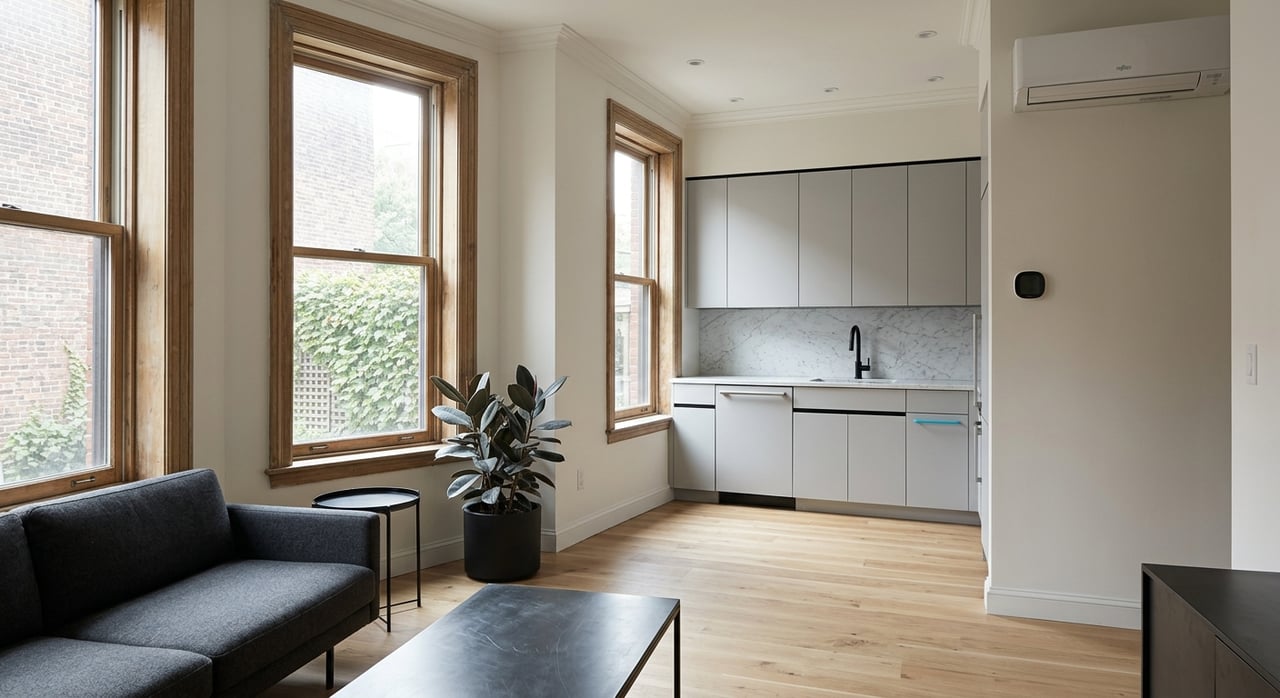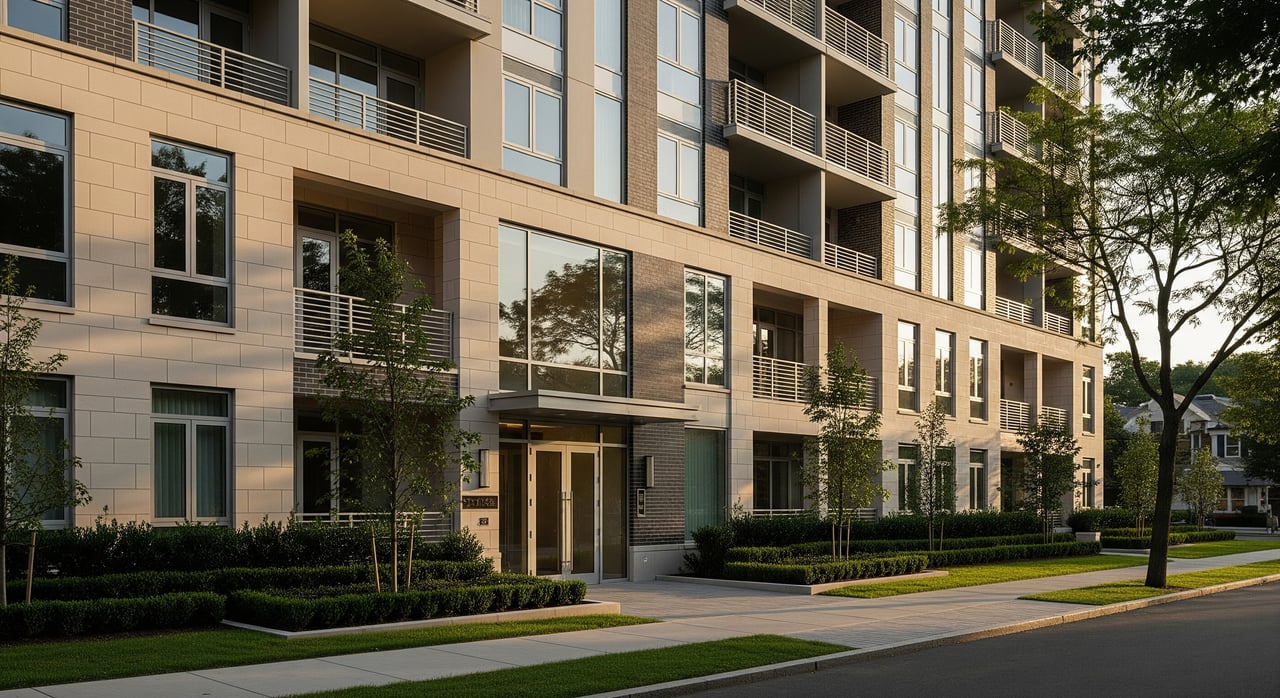
The question comes up in diligence, usually about ten days in, usually from an analyst who has never walked the block. He pulls up a lease-up tower four hundred feet west, points at a studio asking $3,250, and asks why the garden unit in your President Street building rents for less.
It is a fair question with a bad premise. The tower is not asking $3,250. That is the number on the sign. What the tenant signs is a fourteen-month lease with two months free, and what the building actually collects, month by month, is closer to $2,800.
If you own a small building on Park Slope's western blocks and you are watching Gowanus Wharf rise over the rooftops, this is the distinction that decides whether the supply wave costs you money. It is not competing with your rents. It is competing with your comps, and only if you let someone use the wrong number.
Two rents on one street
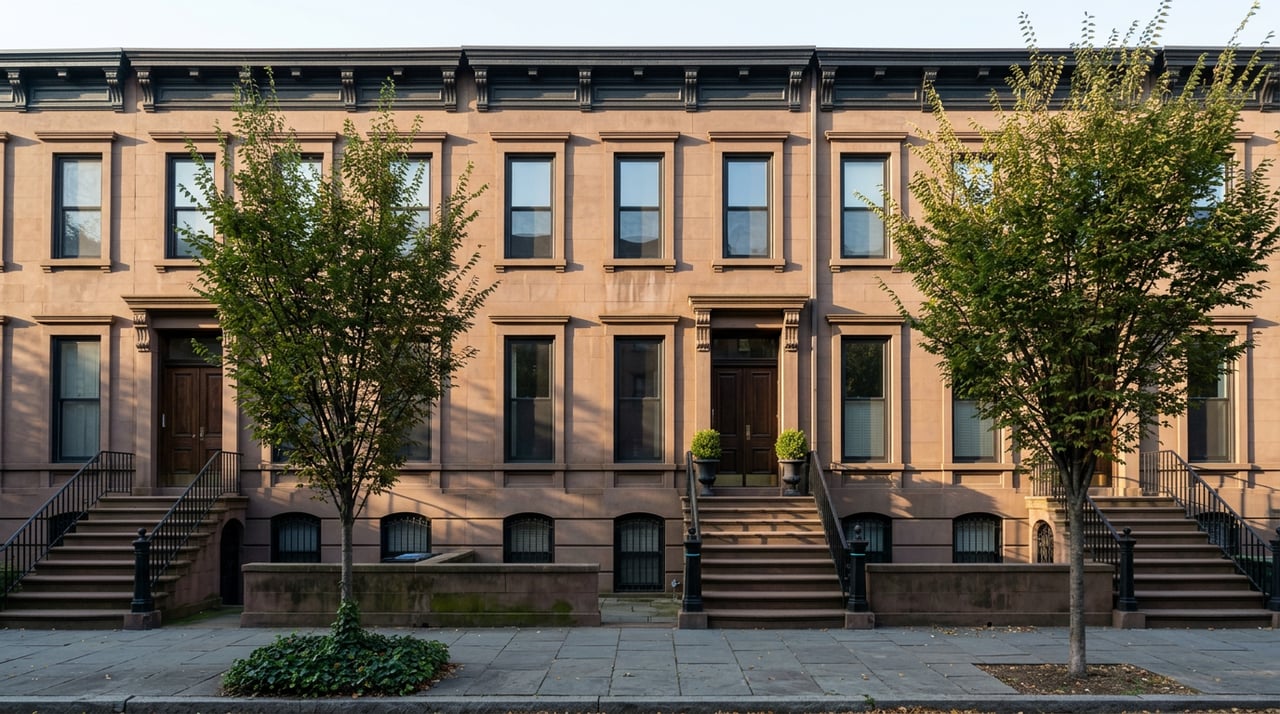
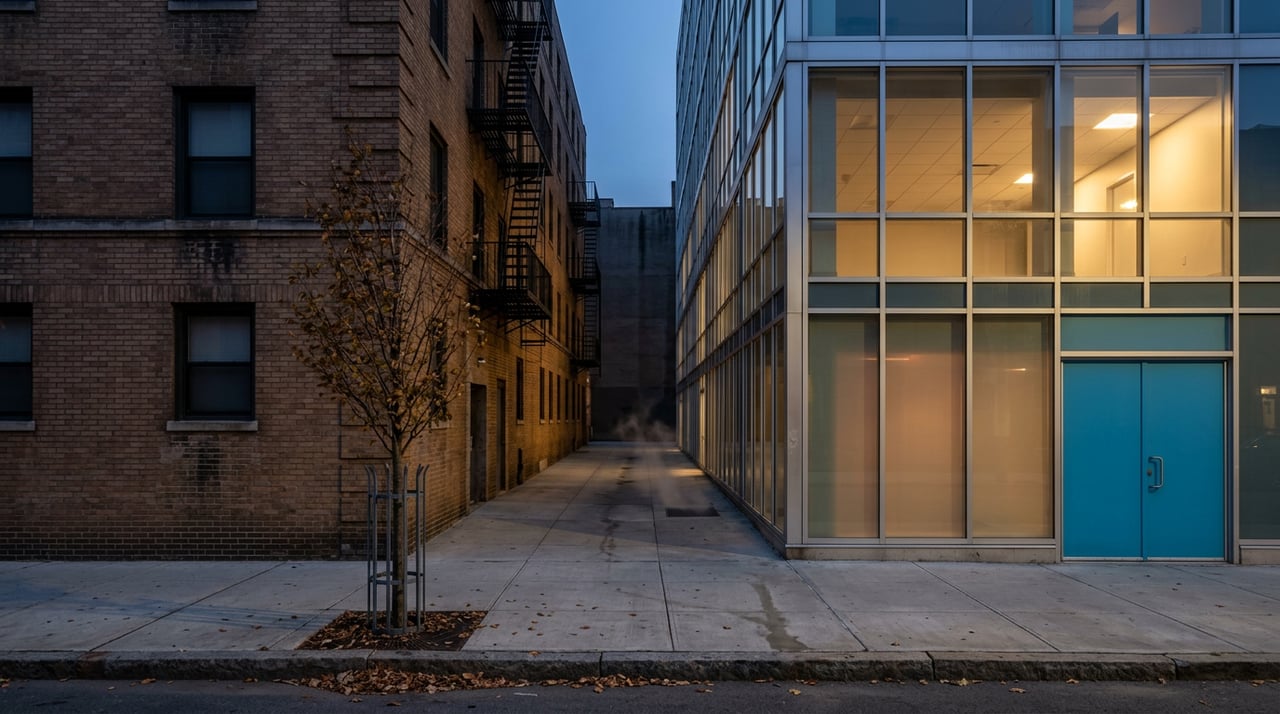
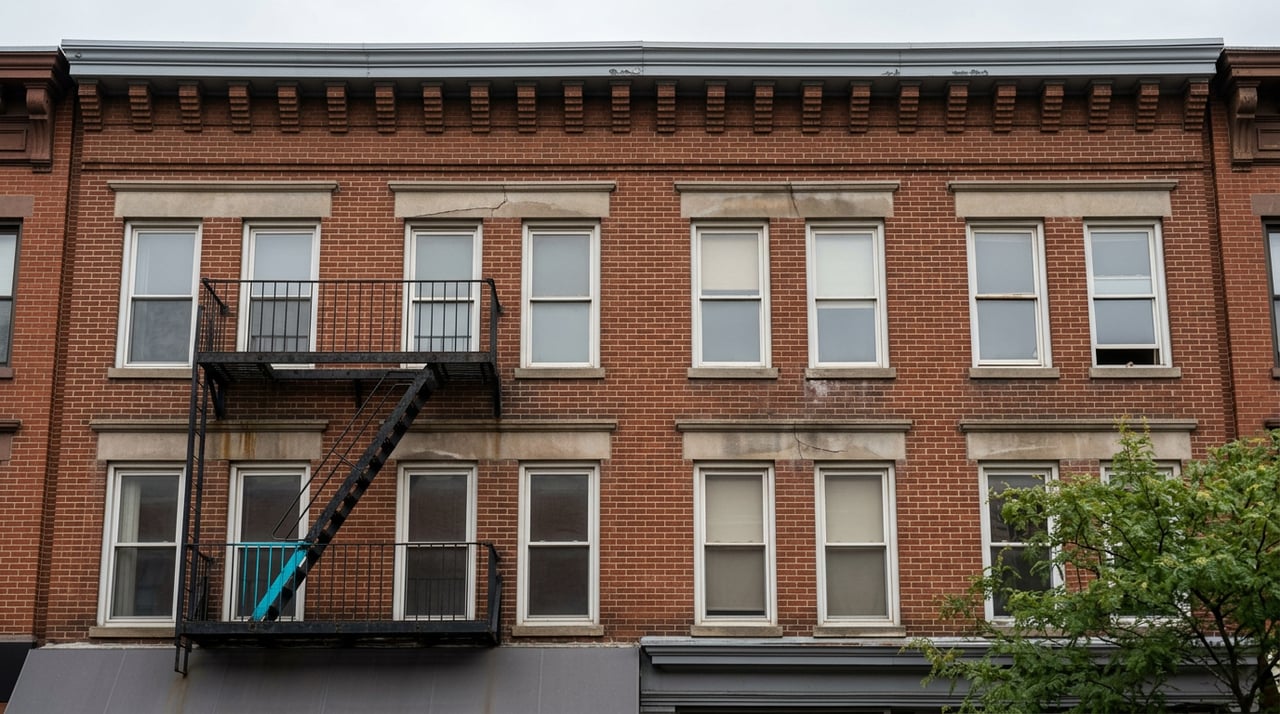
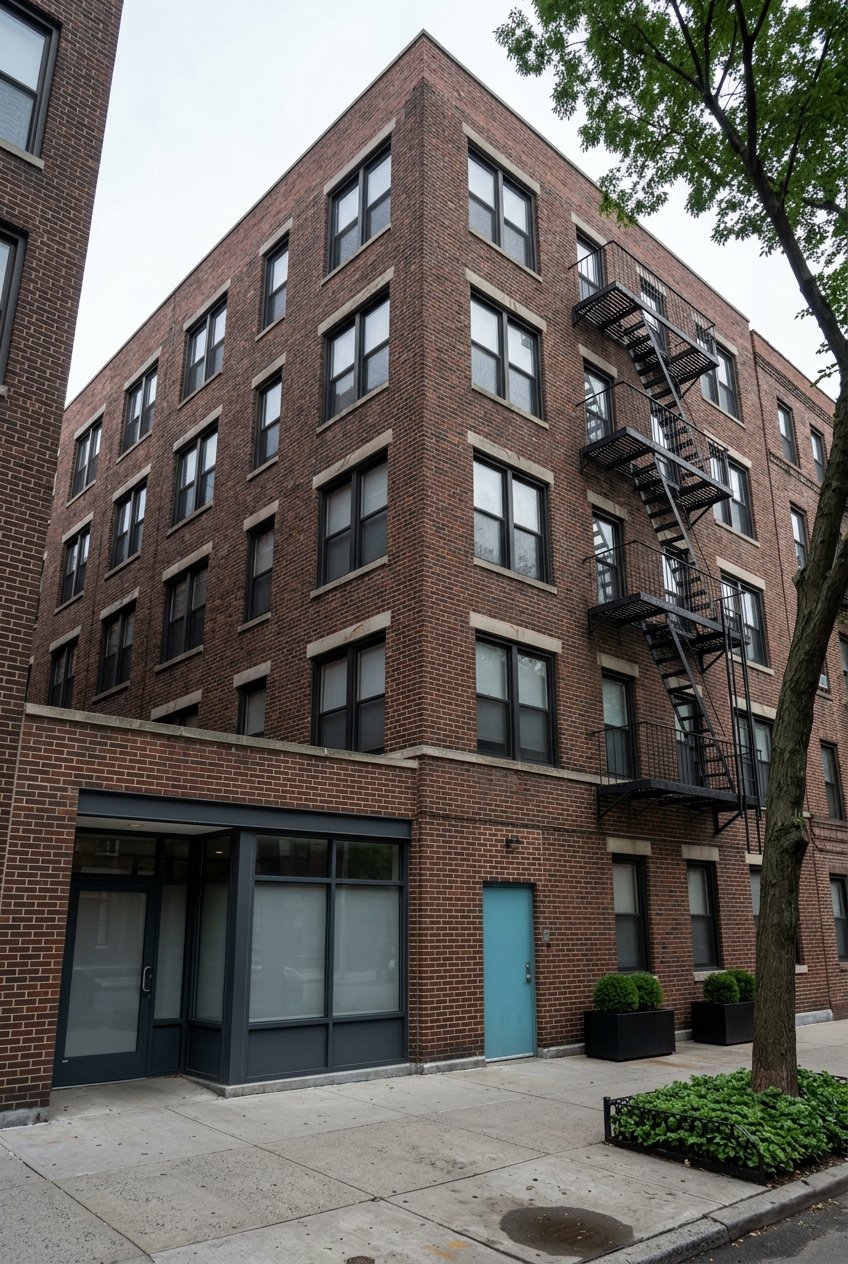
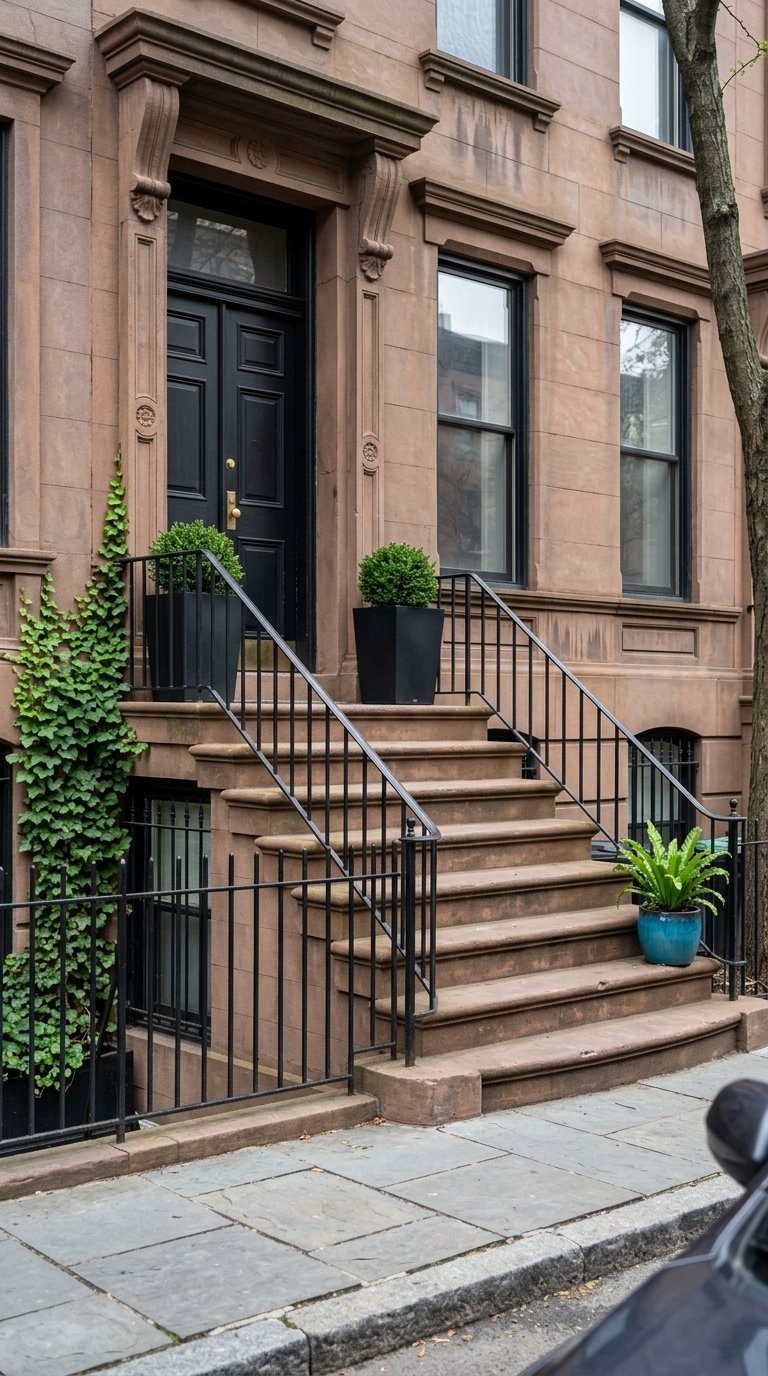
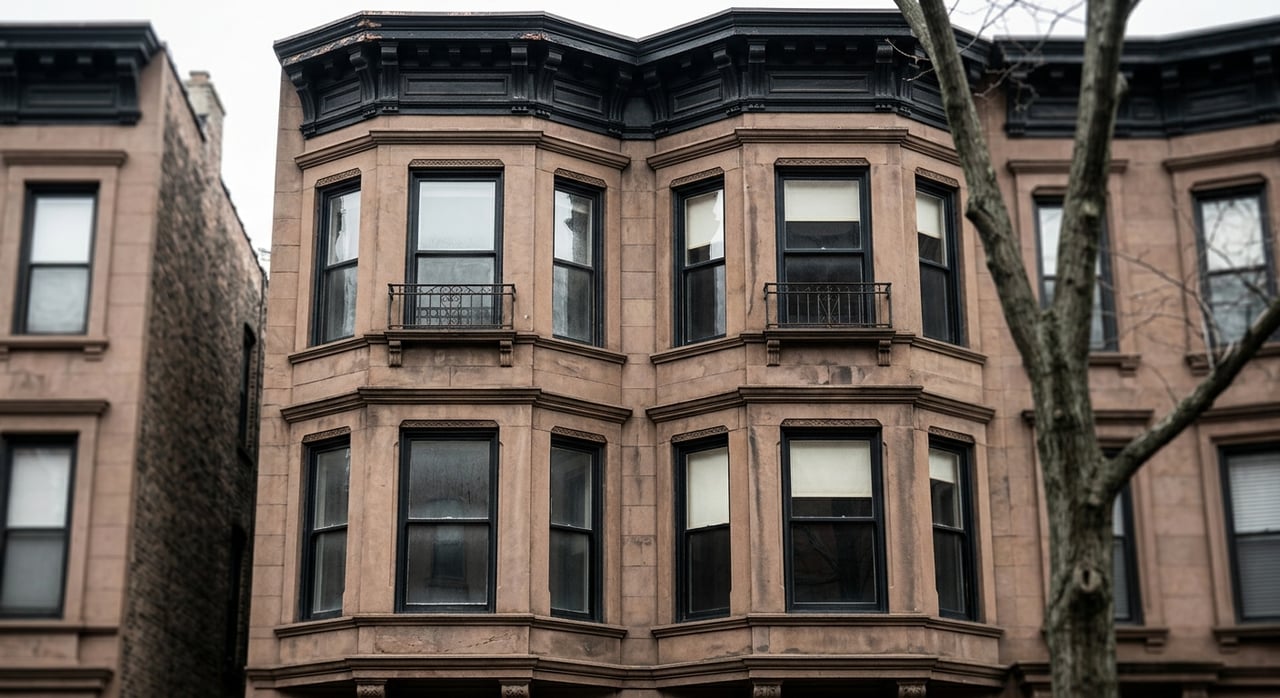
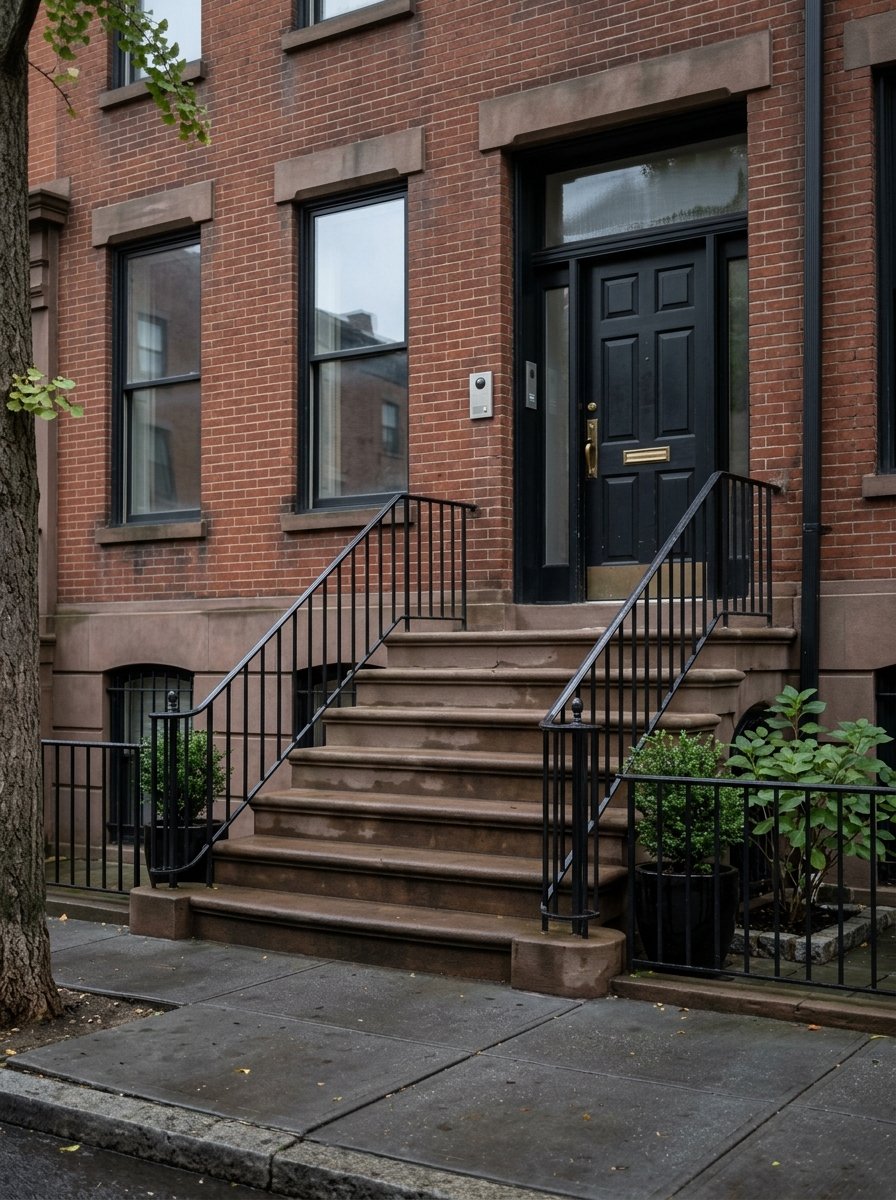
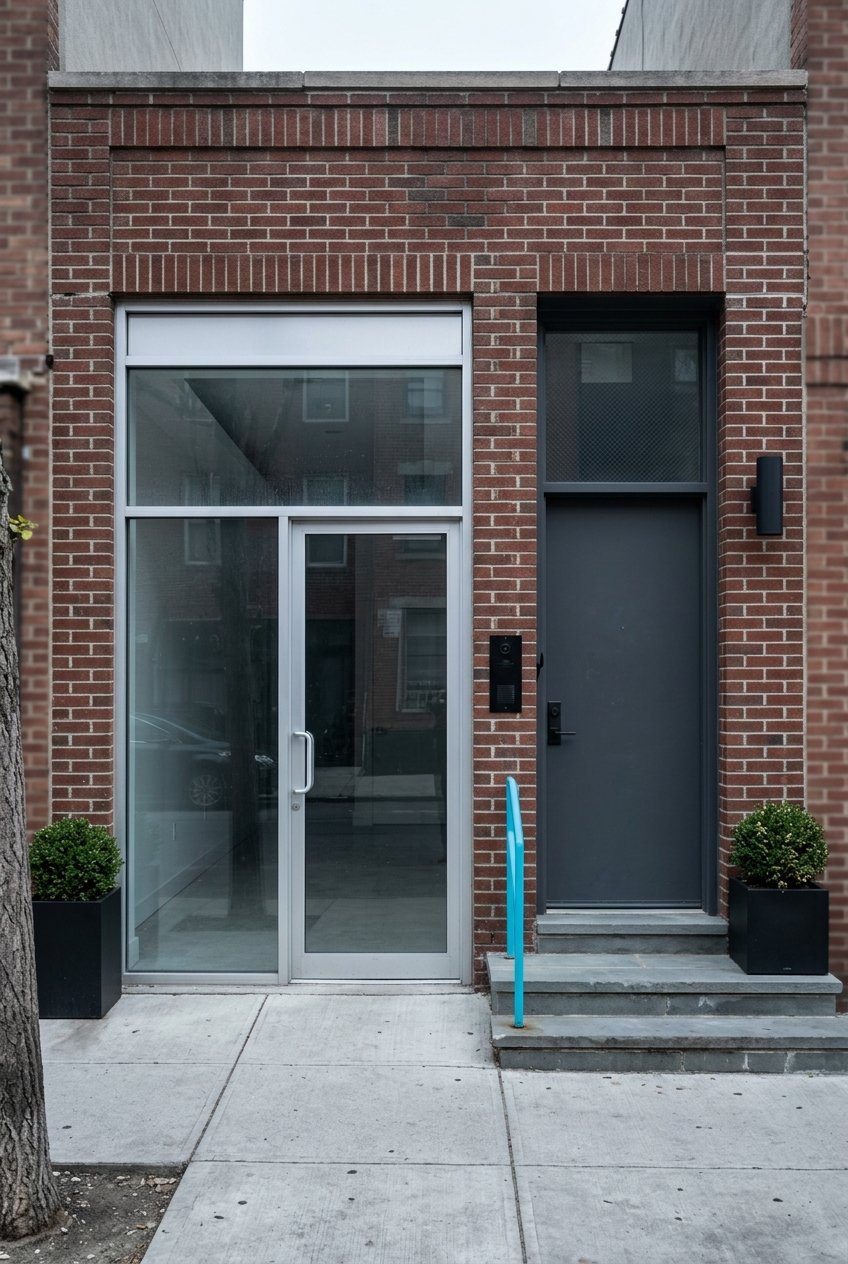
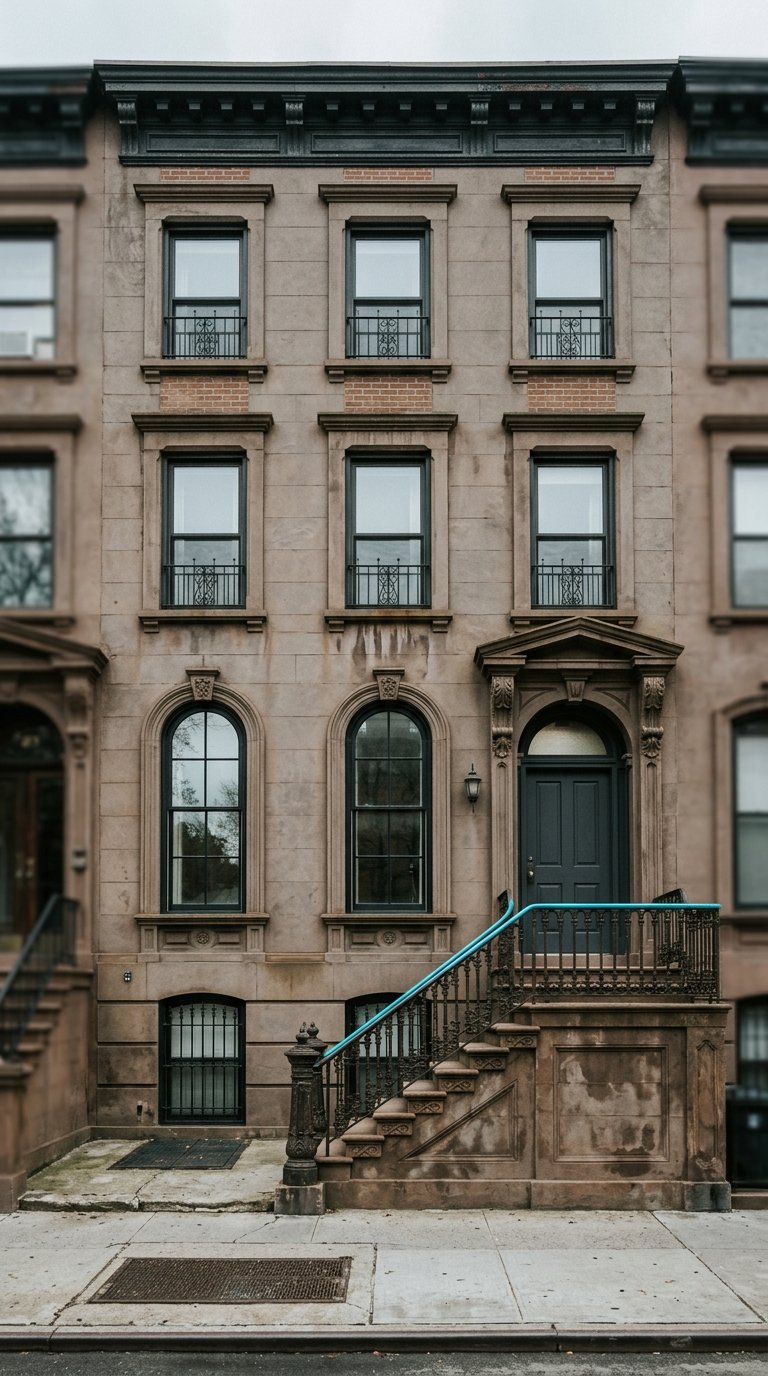
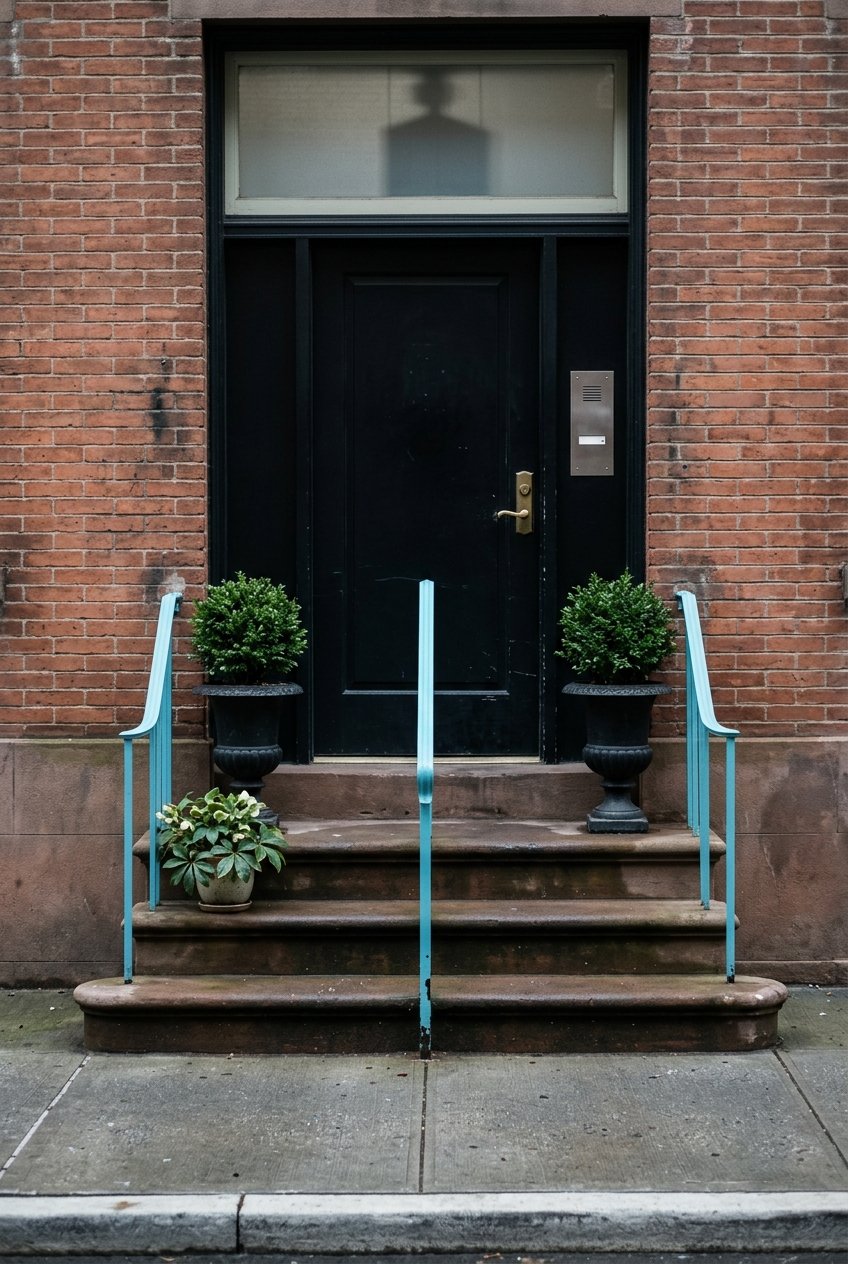
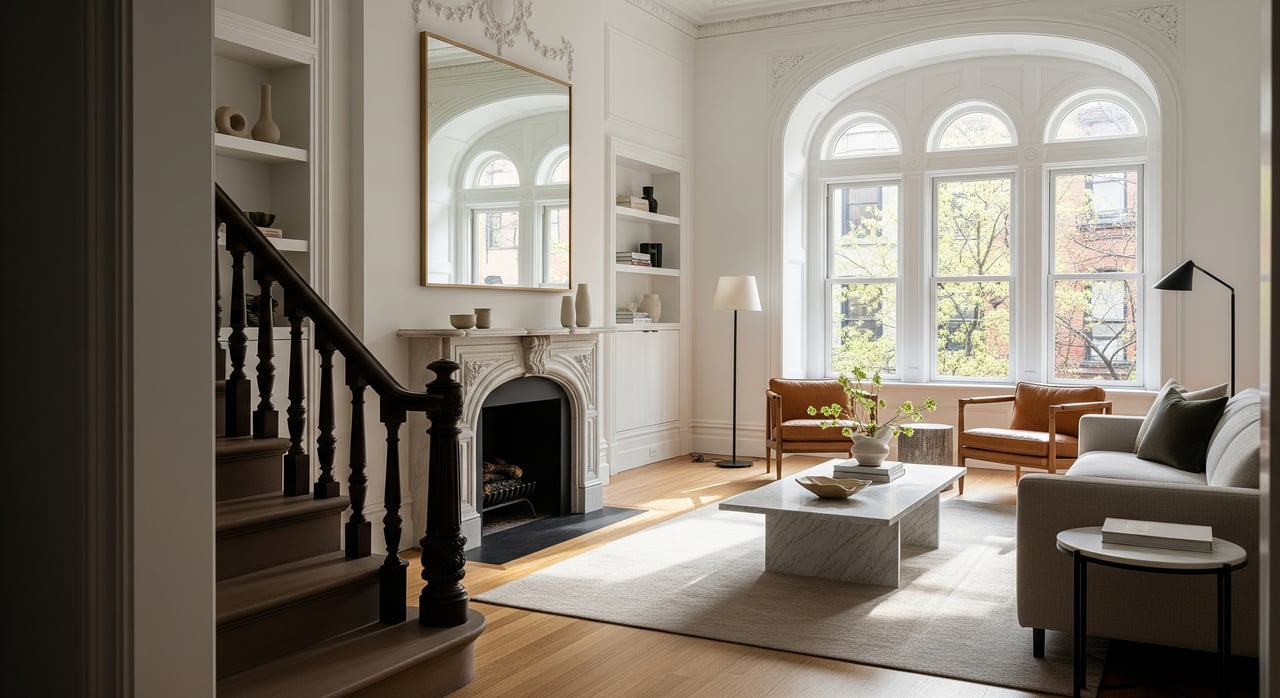
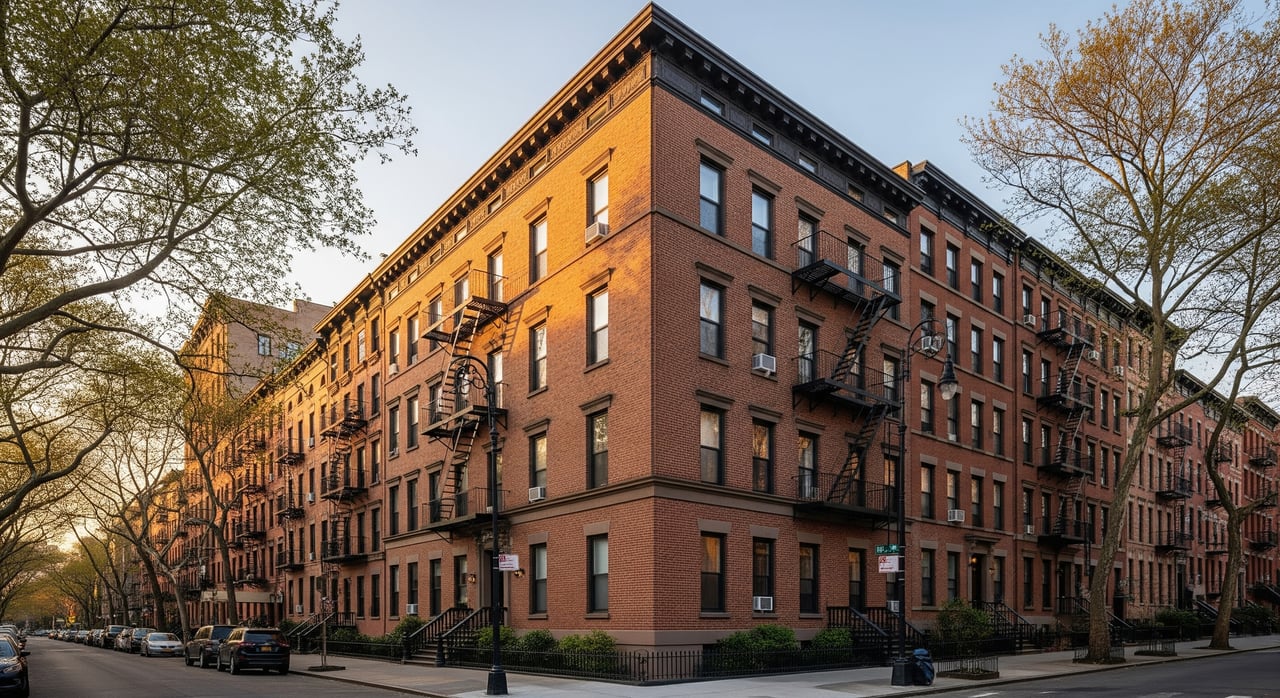
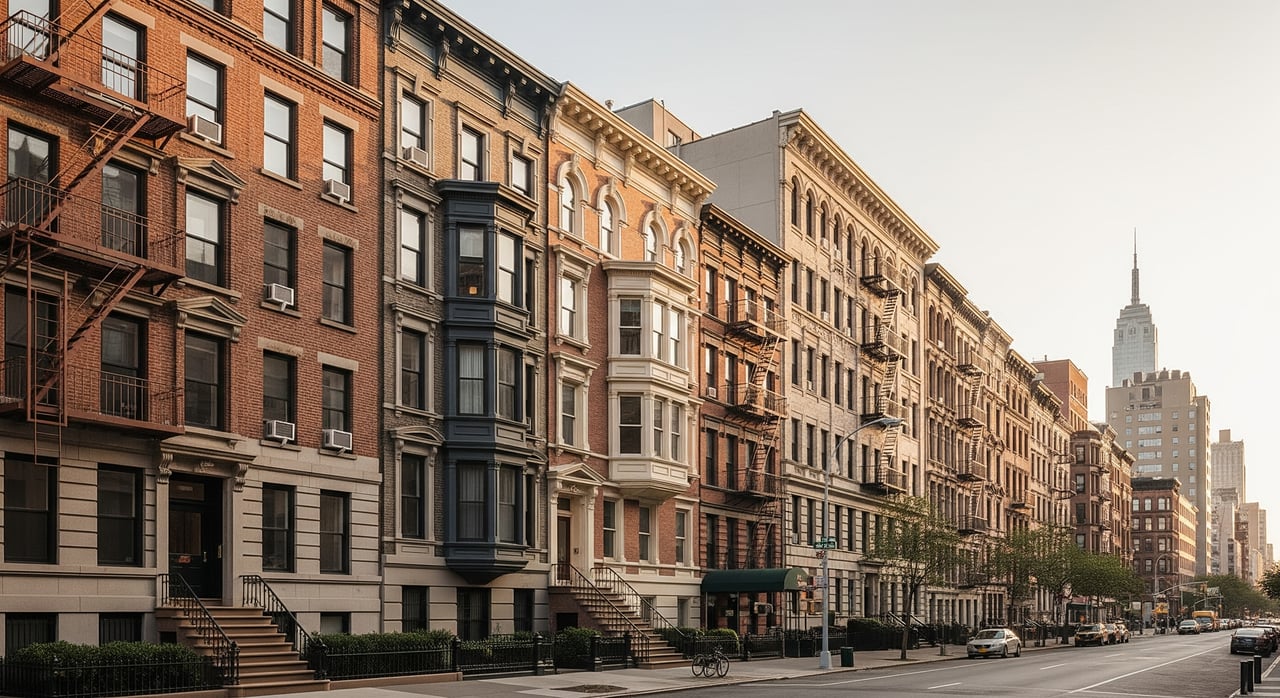
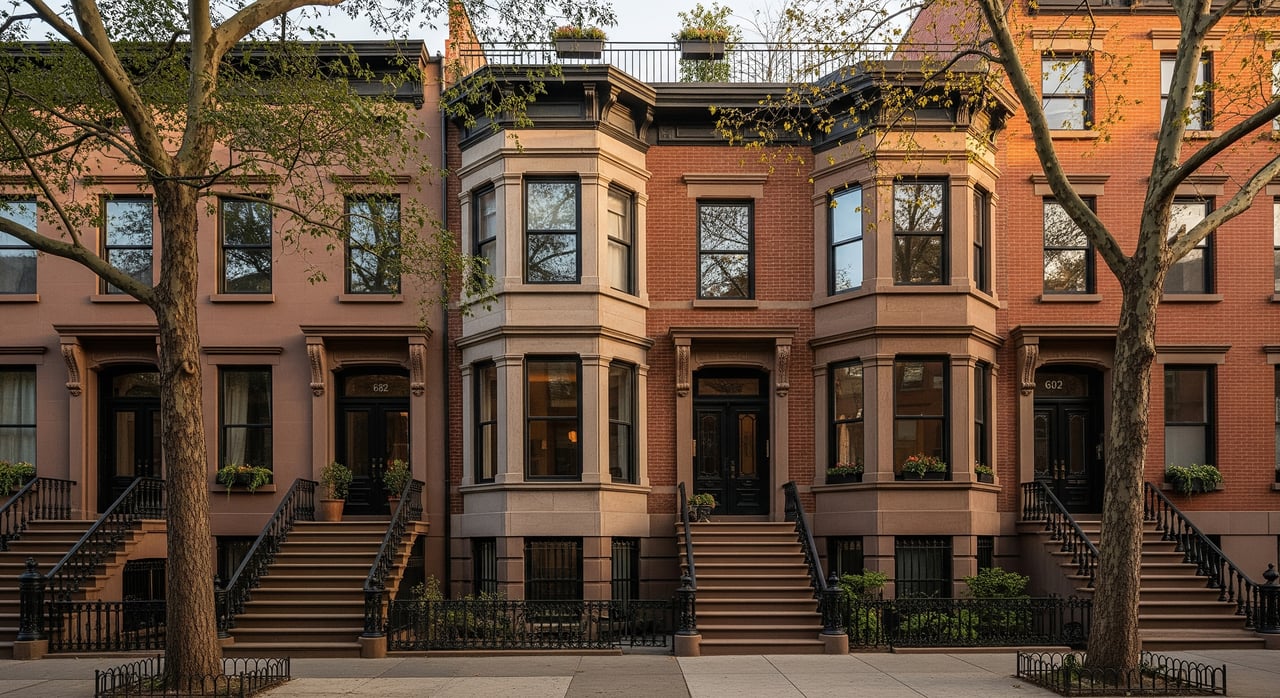
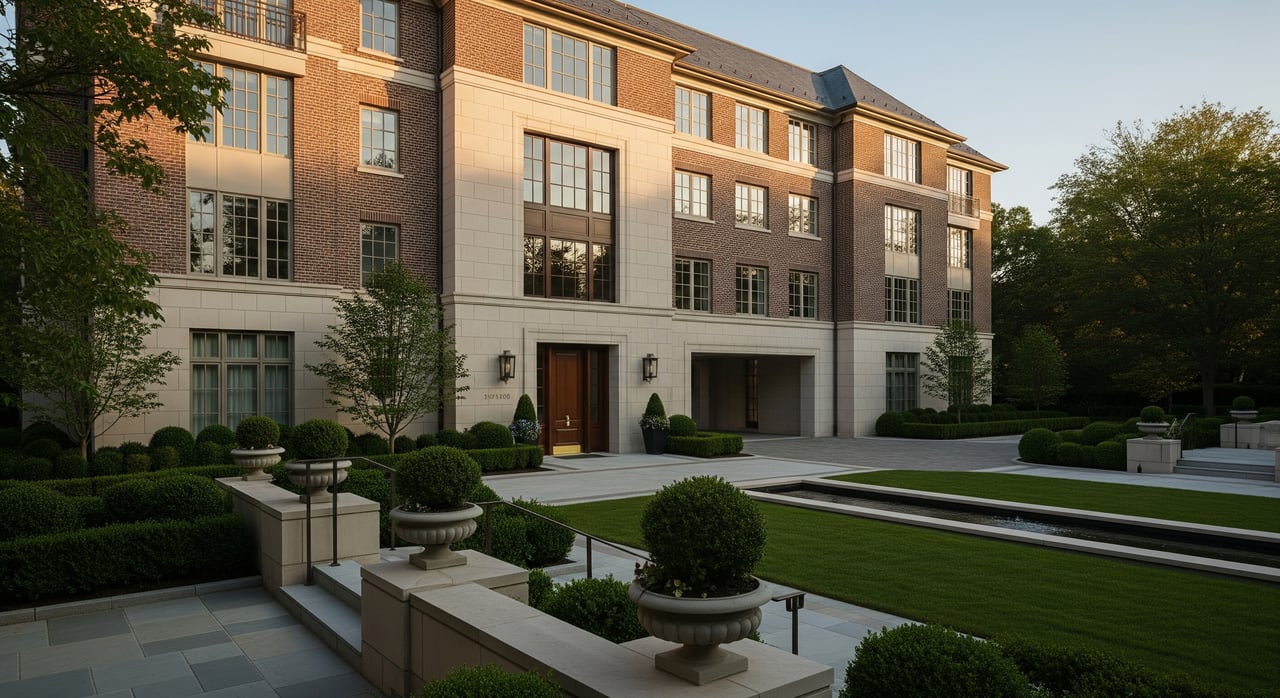
President Street now contains two entirely different rental products. At 499 President, the Brodsky Organization built 350 units with 88 affordable. Four blocks east, buildings hold four to eight units, no doorman, no golf simulator, and tenants who have been in place for years.
Those products do not compete for the same renter. They do compete for the same line on a spreadsheet, and the arithmetic that reconciles them is net effective rent.
| Advertised rent | Concession | Lease term | What the tenant actually pays |
|---|---|---|---|
| $3,250 | 1 month free | 13 months | about $3,000 |
| $4,000 | 1.7 months free | 12 months | about $3,433 |
| $4,500 | 2 months free | 14 months | about $3,857 |
That middle row is not hypothetical. In August 2026, the typical concession in Brooklyn was worth 1.7 months of free rent on a twelve-month lease, according to openigloo data reported by Brick Underground. Citywide, the typical concession ran $482 a month, roughly $5,784 over a year. Nearly 17 percent of August listings carried one, up from 9.7 percent in July.
A fourteen percent haircut is the difference between a comp that makes your rent roll look lazy and a comp that makes it look fairly priced.
Where the free months actually live
Here is the part that matters more than the headline concession number, because it tells you which buildings are absorbing the pressure.
In August 2026, only 8.3 percent of listings in buildings covered by Good Cause eviction advertised a concession. In buildings outside that coverage, the figure was 28.7 percent. New lease-up towers sit squarely in the second group.
Read that against the rest of the August tape and the picture sharpens. Brooklyn's median rent was $4,000, up 1.3 percent year over year. Active listings fell 33.9 percent. New lease signings dropped 27.9 percent as renters chose to stay put, and roughly one in five Brooklyn rentals still went above the asking price.
A market cannot be that tight and that promotional at the same time unless it is two markets. It is. The older, smaller, mostly regulated stock is rationing supply. The new construction is buying velocity with free months, because a 260-unit building cannot wait out the winter the way a six-unit walk-up can.
Your building is not on the wrong side of that split. It is on the side that does not have to discount.
The concession is turning into a liability
This is the piece almost no one in Brooklyn has priced yet.
The Real Deal reported on September 12, 2026 that rent concessions in 421-a buildings have become a litigation problem. After an appeals court overturned the ruling in William Grey v. LIC Development Owner in March, short-term concessions granted in those buildings can be treated the way preferential rents are treated, which means a discount offered for a single lease-up season can follow the unit for as long as 25 years. State guidance had drawn a line between a discount pro-rated across a lease and a concession tied to specific months. The courts have been less tidy about it.
The predictable consequence, as The Real Deal put it, is "fewer concessions offered to tenants." Fewer concessions means higher effective rents in the new buildings. Higher effective rents in the new buildings means the gap between the tower's number and yours narrows without you lifting a finger.
Owners have spent two years assuming the supply wave works against them. On this specific mechanic, it works the other way, and it works on a schedule set by litigation rather than by leasing velocity.
What is delivering, and what is still a rendering
Absorption risk is a calendar question, so here is the calendar as it stands in September 2026. About 4,000 of the roughly 8,000 units planned under the 2021 rezoning have been built, Crain's reported in April 2026.
- Already absorbed. Union Channel at 240 Third Avenue, 224 units, opened in January 2025 and was fully leased by spring 2026.
- Absorbing now. Douglass Port at 251 Douglass Street began move-ins in June and was about 20 percent leased in early July 2026, with market-rate units running from $3,250 to $15,000, per Commercial Observer. Nevins Landing South at 340 Nevins Street launched leasing in July 2026 with 80 permanently affordable homes; its northern twin follows later this year. Together the Nevins Landing towers add roughly 654 units.
- Not your problem yet. 175 Third Street won City Planning approval on April 12, 2026, but the 1,000-plus-unit Bjarke Ingels project, with Life Time taking 85,000 square feet for an athletic club, is not expected to complete until 2029 and lease until around 2030. Gowanus Green, roughly 950 affordable units, has been held up by a remediation dispute. And on September 2, 2026, Ailanthus filed a land-use application to rezone 424 Hoyt Street for a 17-story, 400-unit building with a public school, as Hoodline reported. That is a multi-year approval process, not near-term competition.
One timing note worth carrying into any underwriting conversation: in January 2026, trade coverage projected Nevins Landing would begin leasing in 2027. It started in July 2026. Deliveries in this submarket have run ahead of forecast, which compresses the wave rather than extending it. The peak is roughly now through 2027, and then it thins.
What is not being built at all
While Gowanus finishes its wave, the pipeline behind it is closing.
Developers filed plans for 172 new apartment buildings citywide in the second quarter of 2026, totaling 8,064 units, a 52 percent drop from the first quarter, according to REBNY data reported by Bisnow. Only nine of those 172 projects included 100 or more apartments. The other 153 stopped at 99 units, the threshold above which 485-x wage rules bite. REBNY's Basha Gerhards said the volatility of the pipeline and the concentration of projects at exactly 99 units "raises serious concerns."
The city's housing agency put the shortfall at roughly 700,000 units in an August 19, 2026 analysis.
Investment sales are already reflecting the scarcity. New York City recorded 304 multifamily trades in the second quarter of 2026, up 10.5 percent from the first, and buildings of 20 or more units accounted for $872.2 million, about 57 percent of all dollar volume, with activity concentrated in free-market and newer product, as Commercial Observer detailed in August. A 45-unit Williamsburg building traded at a 4.9 percent cap rate in that stretch, pricing that would have been hard to defend on older regulated stock in the same quarter.
Nobody is manufacturing more small, well-located, lightly regulated Brooklyn buildings. The 99-unit ceiling guarantees it. That scarcity is the structural argument behind the premium sub-10-unit Park Slope buildings have been earning, and the Gowanus pipeline does nothing to relieve it.
The spillover that actually shows up in your numbers
What the new construction does deliver to your block is ground-floor activity, and that is where a mixed-use owner should look for the lift.
At 420 Carroll, Domain finalized roughly 7,500 square feet of ground-floor leases through the brokerage Igloo: Focal Point Brewery from Long Island City, BYOB naturale Wine & Spirits from restaurateur Alessandro Trezza, and Brooklyn Builders Studio, joining Gowanus Marketplace, Hey Clay and The Shop Workspace. SakeBrooklyn signed about 6,500 square feet at 500 Degraw inside Society Brooklyn for an early 2027 opening. Nevins Landing carries 225 feet of retail frontage per tower plus a waterfront esplanade by James Corner Field Operations. That sits alongside what was already there: Public Records, Threes Brewing, Powerhouse Arts, Pioneer Works, Arts Gowanus, Bakline Running on Third Avenue.
Retail rent support and daytime foot traffic are underwritable. Residential rent erosion, on this evidence, is not.
The canal itself has moved too. Dredging and capping of the upper segment nearest President Street was largely finished in summer 2024, and the middle segment is proceeding under an amended order estimated at $369 million, per the EPA's site record.
Two questions worth answering before you go to market
Is your rent roll presented gross or net? If your offering materials show in-place rents and the buyer's comp set shows advertised asks at Douglass Port and Nevins Landing, you have handed away fourteen percent of the argument before the first tour.
Are you selling into the wave or after it? Deliveries peak through 2027. The filings data says nothing comparable follows. Those two facts point in opposite directions on timing, and which one governs depends on your debt maturity, your capital needs and whether your buyer pool is local operators or funds. That is a conversation about your specific rent roll, not a market call.
FAQ
Will a buyer use the new towers as comps against me? A buyer's analyst may try. The correct response is net effective, not indignation. Ask which lease terms produced the advertised number and how many free months it carried. In a market where nearly three in ten non-Good Cause listings ran a concession in August 2026, the burden of proof belongs to the comp.
Does the concession litigation change how I should think about new-construction competition? It suggests the discounting is temporary rather than structural. If developers pull back on free months to avoid locking in a discounted rent for decades, effective rents at the new buildings rise and the spread against older stock narrows.
Does the canal cleanup matter to value on my block? It matters more to retail and to the story than to your residential rent roll. Remediation on the upper segment is substantially done, which is why ground-floor leasing on the waterfront has accelerated since 2025.
Owners on these blocks have spent two years being told the towers are a threat. The August tape says otherwise, and the filings data says the scarcity behind your asset is getting worse for buyers, not better. If you want a read on your specific building, priced against the right comps rather than the loudest ones, Exodus Capital runs cycle-aware valuations and confidential dispositions for exactly this kind of asset. Discuss your exit strategy with our team.