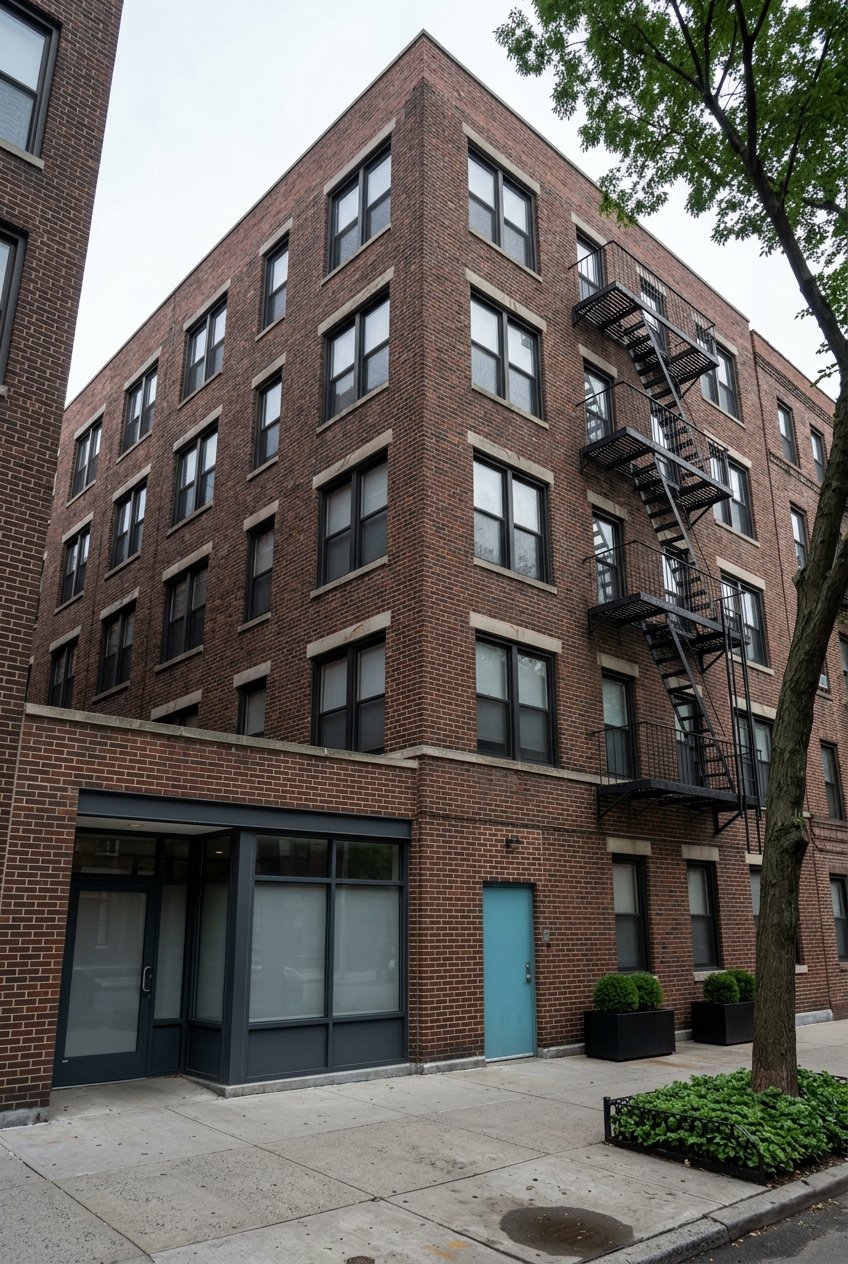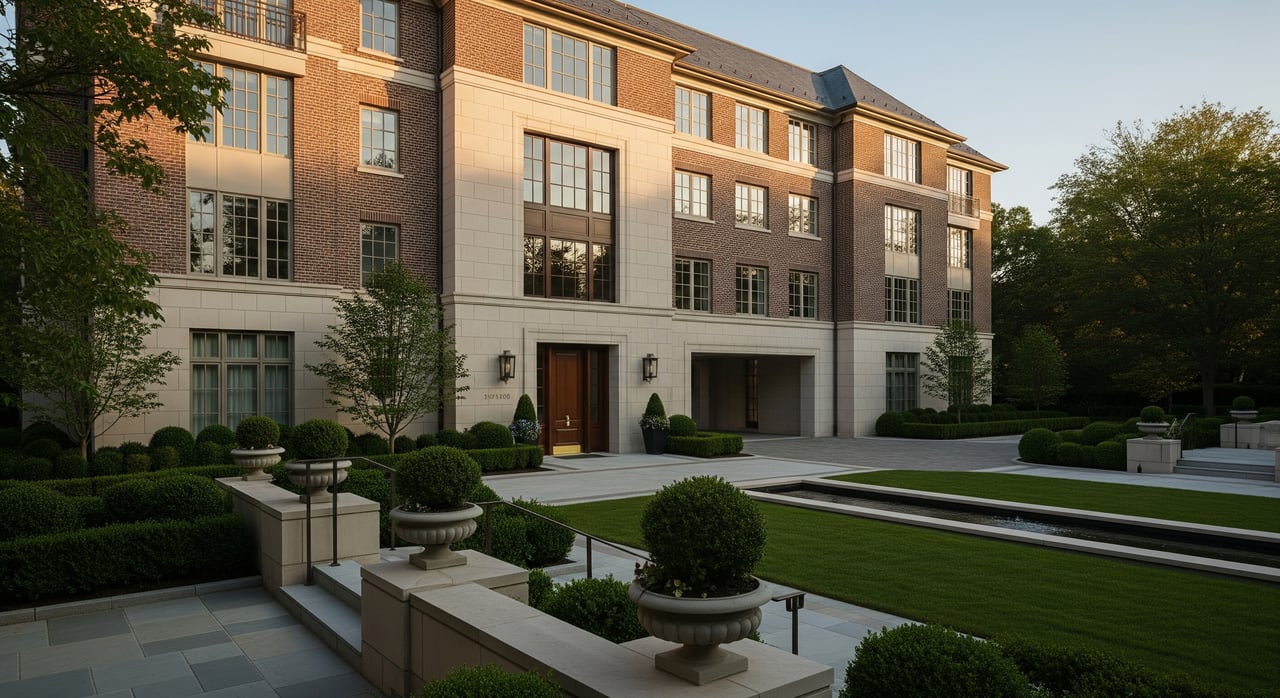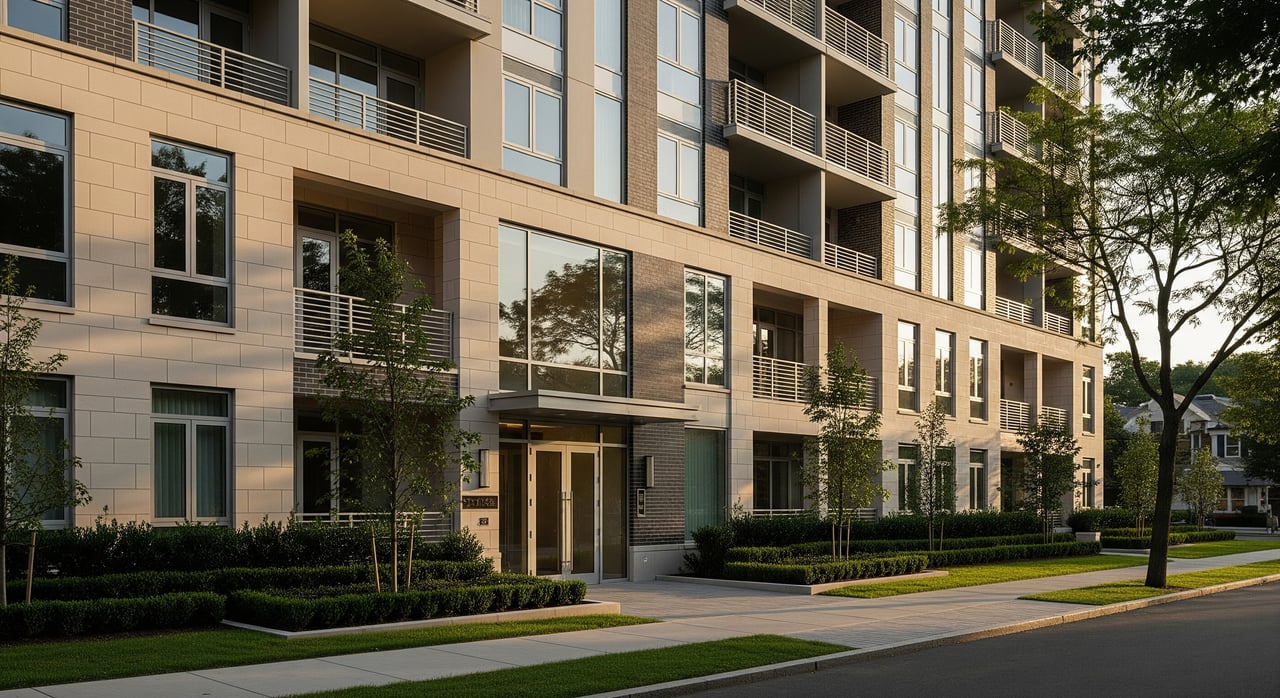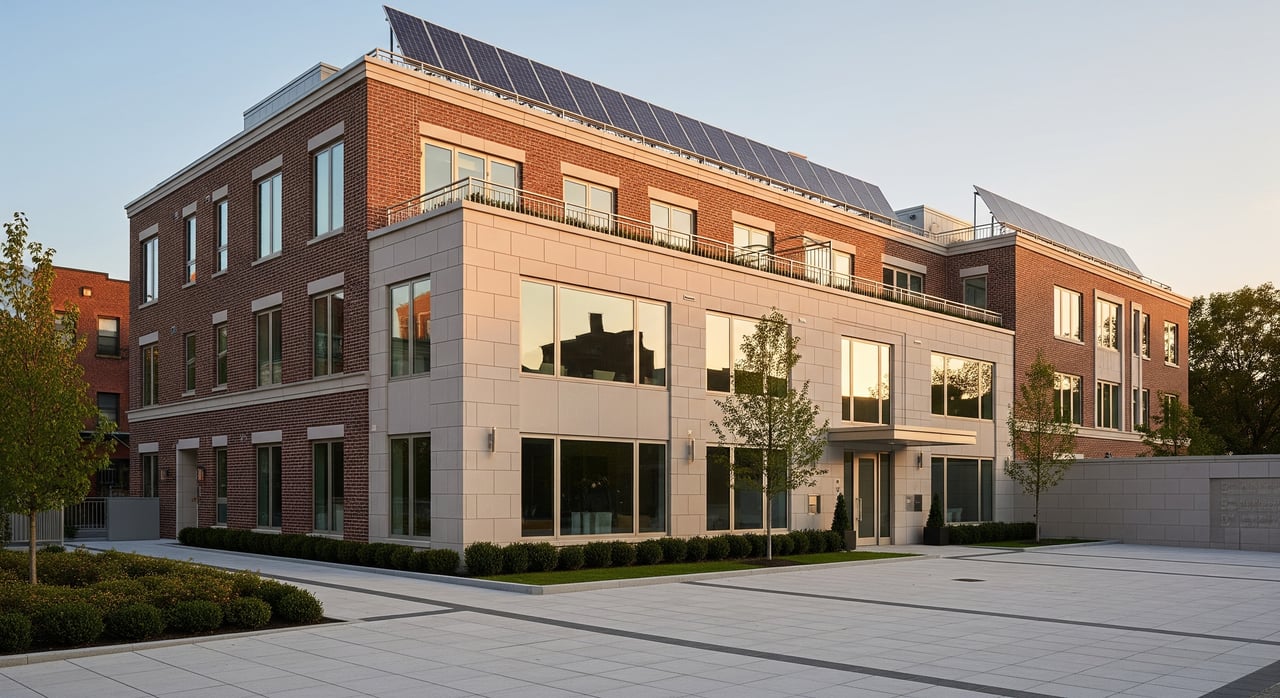
Walk down Fifth Avenue past Baltic Street and cut over to 9th Street between 5th and 6th, and you'll pass two supermarkets that didn't exist a year ago. Both opened within the same six-week stretch at the end of 2025. Both landed at almost exactly the same size, just under 20,000 square feet. And both got there by completely different clocks. One took less than two months from the day its predecessor's doors locked. The other took ten years, a legally binding community agreement, and a four-year vacancy before a single shelf went up.
If you noticed Park Slope's grocery options shift under your feet over the past year, that's not a coincidence of timing. It's two different systems for how retail actually gets replaced here, running side by side, and the gap between them tells you something real about how this neighborhood works.
Two Blocks, Two Timelines
On September 30, 2025, Steve's C-Town on 9th Street closed with no warning. The space had anchored grocery shopping on that block since 1970, most recently operating as Steve's C-Town since 1998 under owner Steven Reifinger. Sources later pointed to financial issues between the owner and the landlord, but at the time, nobody had an explanation, just a locked supermarket that a lot of people relied on.
Council Member Shahana Hanif sent a letter to the building's owners on September 15, before the closure was even final, flagging the store's importance to seniors and low-income residents. Park Slope resident Julie Baron organized a community meeting at the Park Slope Library on September 29 with Hanif and an Assembly Member, giving neighbors a place to raise concerns about losing one of the area's few full-size grocery options.
Fifty-four days later, on November 23, a new operator opened the doors in the same space as K-Slope Marketplace. Brian Kim, a second-generation grocery operator whose family runs supermarkets in New Jersey, signed the lease and brought back roughly 30 of Steve's former employees, including produce staff like Michael Bedals, some of whom moved into new roles, and general manager Jairo Jerez, who ran the store under its previous name.
Five blocks away, the Lidl at 120 Fifth Avenue took a different road entirely. The site had been a standalone Key Food until it closed in the summer of 2021 to make way for redevelopment, but the fight over what would replace it started six years earlier. In 2015, when the original Key Food was slated for demolition, the Fifth Avenue Committee led a coalition, including the Boerum Hill Association, Families United for Racial and Economic Equality, the Gowanus Houses Tenants Association, the Warren Houses Tenant Association, and Park Slope Neighbors, to negotiate terms with the developer. That effort produced the 120 5th Avenue Community Benefit Agreement, signed in 2017, which legally required the developer, William Macklowe Company and Senlac Ridge Partners, to include a "community-oriented supermarket" in whatever mixed-use building went up on the site. The stakeholder group went further and explicitly ruled out high-end grocers like Whole Foods or Eataly, insisting on an operator that would keep prices accessible.
Lidl opened on December 10, 2025, four years after the old Key Food closed and ten years after the organizing started.
What Two Months Bought Back
The speed of the K-Slope turnaround wasn't luck. Kim's store is a member of the Key Food Cooperative, the same purchasing network that supplies the Marketplace of Park Slope, a separate Key Food affiliate that's operated five blocks south for years. Joining an existing co-op means a new operator doesn't have to build a supply chain from nothing. He plugs into one that already exists. That's a meaningfully different problem than what Lidl faced, where a multinational chain had to wait out a ground-up construction timeline for a purpose-built anchor space inside someone else's residential project.
What actually changed inside the store reflects that speed. The produce section doubled in size. K-Slope added a full-service butcher shop and what it describes as the neighborhood's only fresh seafood market, along with an on-site sushi chef. The Asian foods selection expanded to include items like kimbap and burdock root that were harder to find in the neighborhood before. Store hours stretched to 7 a.m. to 10 p.m., seven days a week. Fresh bread now arrives twice daily. The building itself has a longer history than the supermarket does. It started as the RKO Prospect Theatre in 1913, a vaudeville house before it was ever a grocery store.
One detail is worth knowing if you rely on SNAP, EBT, or OTC benefits. At the time of K-Slope's soft opening, the store's application to accept those programs was still pending, a delay the store attributed to the federal government shutdown underway that fall. Management said they were working with the relevant agencies to get the program running. If benefits access matters for your shopping, it's worth confirming current status before making K-Slope your primary stop.
What Ten Years of Advocacy Bought
Lidl's Park Slope location opened at 8 a.m. to 9 p.m. daily, accepting SNAP from day one and built to NYC FRESH standards, the city's design guidelines for full-service grocery stores in underserved areas. The store is fully accessible via elevator and escalator. It carries the chain's private-label lines, including its widely noted 49-cent butter croissant, flown in from Europe and baked fresh daily, and was named the top grocery chain nationally in Newsweek's Reader's Choice Awards in May 2025, seven months before the Park Slope doors opened.
Park Slope resident Aretha Jones had been a regular at Lidl's Fulton Mall location before the Fifth Avenue store existed, making the trip because she liked the prices. Now that a Lidl exists five minutes from home, she told Brooklyn Paper what kept her going back.
"I have actually cut my grocery bills in half since coming to Lidl."
That's the return on ten years of organizing: not just a supermarket, but specifically the kind of supermarket the neighborhood asked for, at a location where the community had veto power over what replaced Key Food long before Lidl ever signed a lease.
Same Footprint, Opposite Paths
Both stores land at close to the same size, just under 20,000 square feet each. Both replaced a supermarket that mattered to the block it sat on. Both are now the kind of full-size, full-service grocery option this stretch of Park Slope had been missing in one form or another. But one got built in eight weeks because an existing purchasing cooperative made speed possible, and the other took a decade because the only way to guarantee an affordable grocer in that specific building was to write it into a legal agreement years before ground broke.
If you're mapping out your own grocery routine, that difference in mechanism has some practical implications. K-Slope built out its departments and benefits enrollment after opening its doors. Lidl arrived fully operational on day one, backed by a chain's existing playbook and a legal mandate that locked in its affordability before the first customer walked in. Neither replaces the other. The seafood counter and on-site sushi chef at K-Slope aren't something Lidl offers, and Lidl's SNAP-ready status from opening day is worth knowing if benefits access is a factor in where you shop.
For more on how this stretch of Fifth Avenue keeps evolving, our post on Fifth Avenue's kitchen scene covers the restaurant side of the same corridor.
If you own a mixed-use building along Fifth Avenue or 9th Street and want to talk through how a ground-floor tenant change like this affects a rent roll, Exodus Capital works with owners across Park Slope on exactly that kind of question.