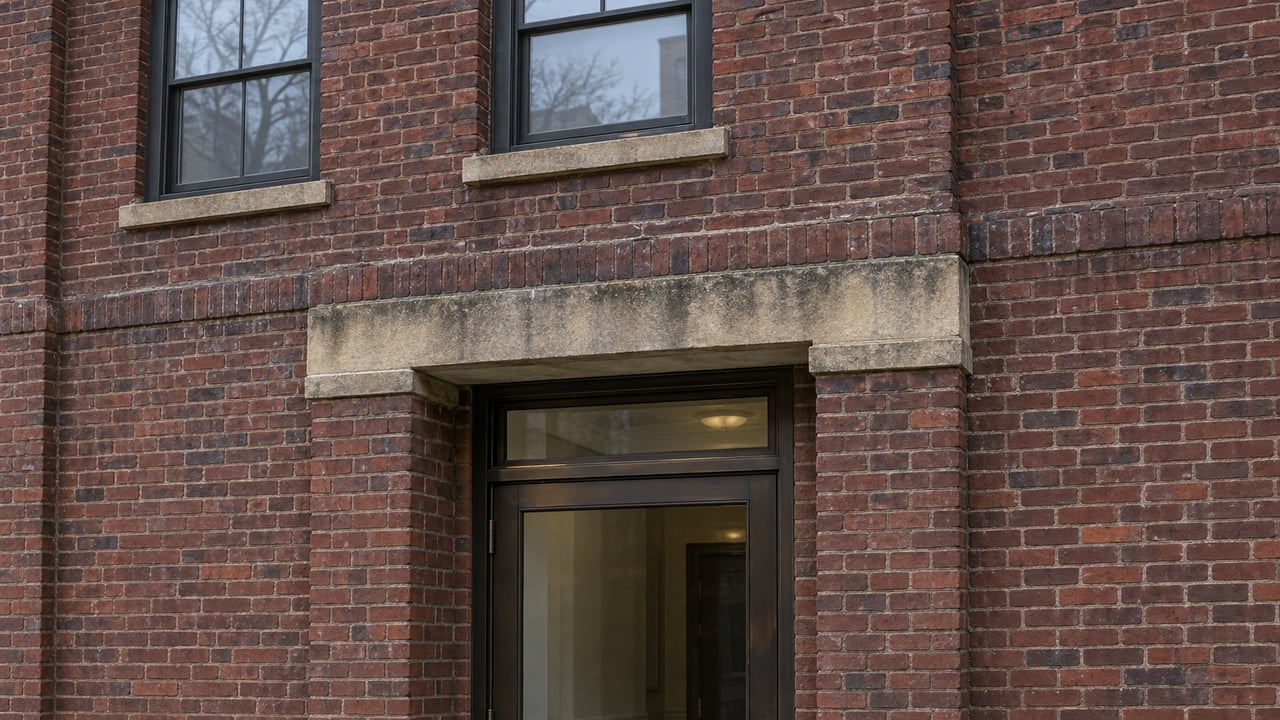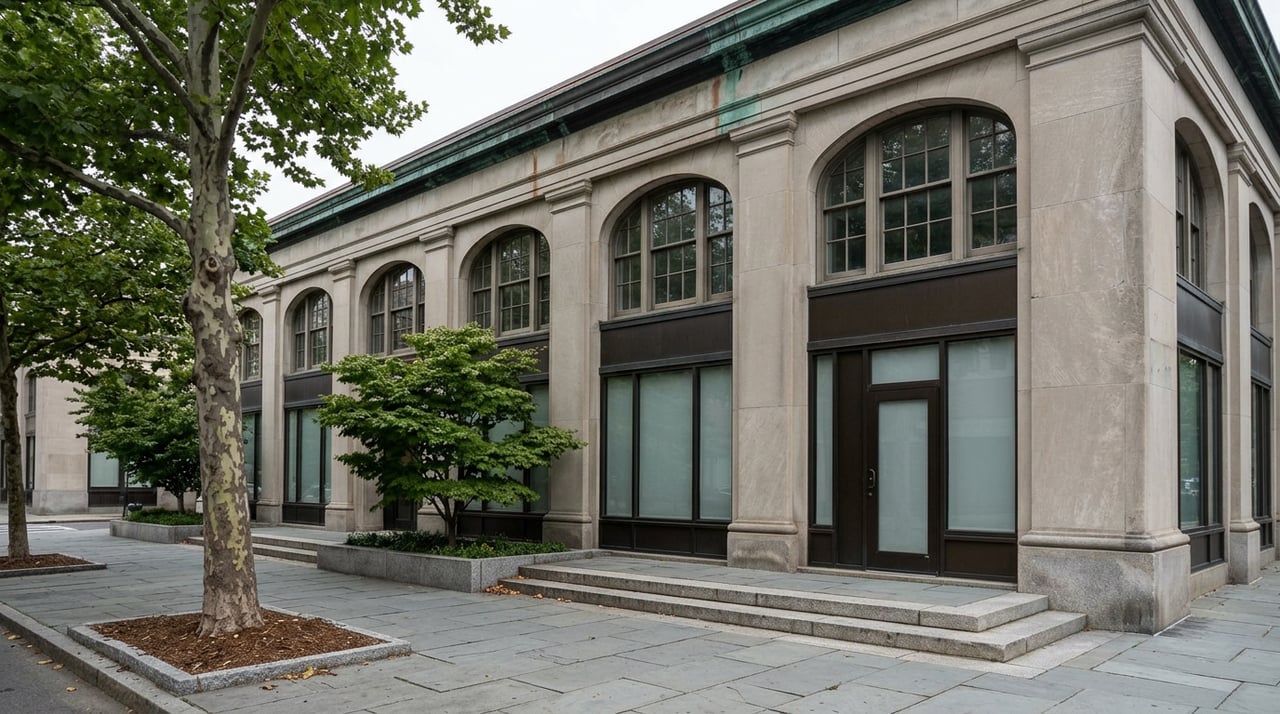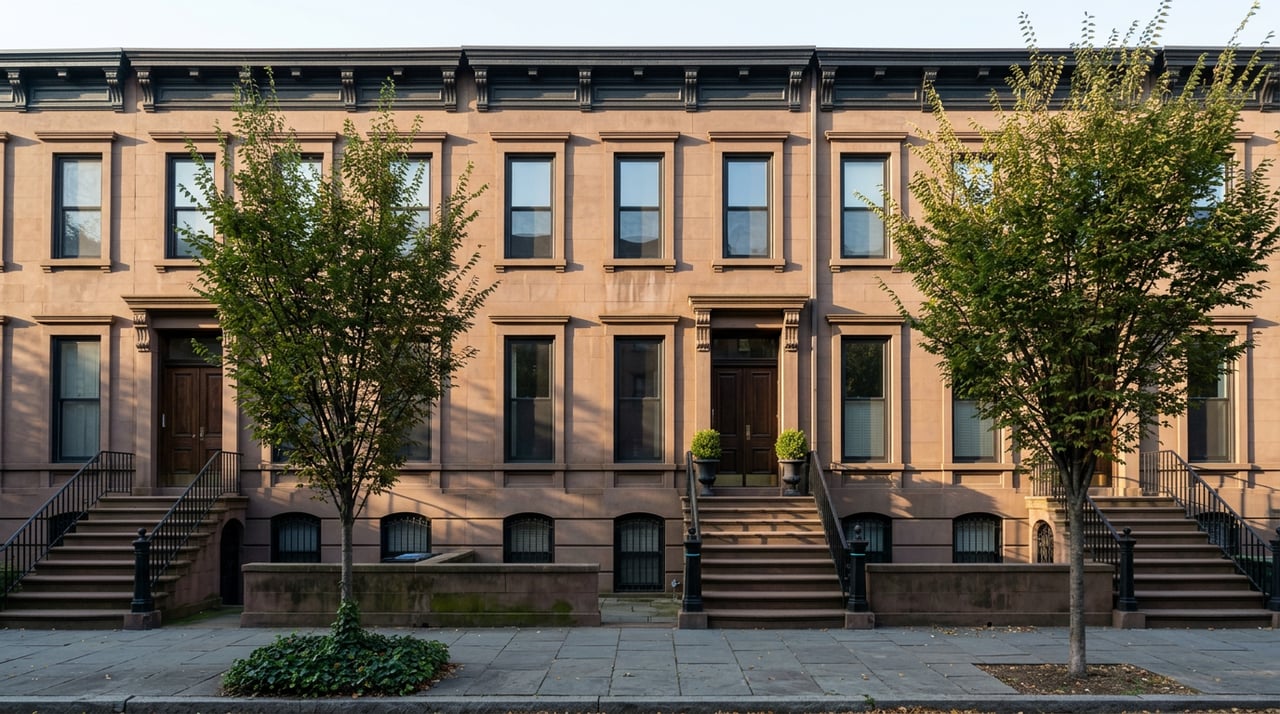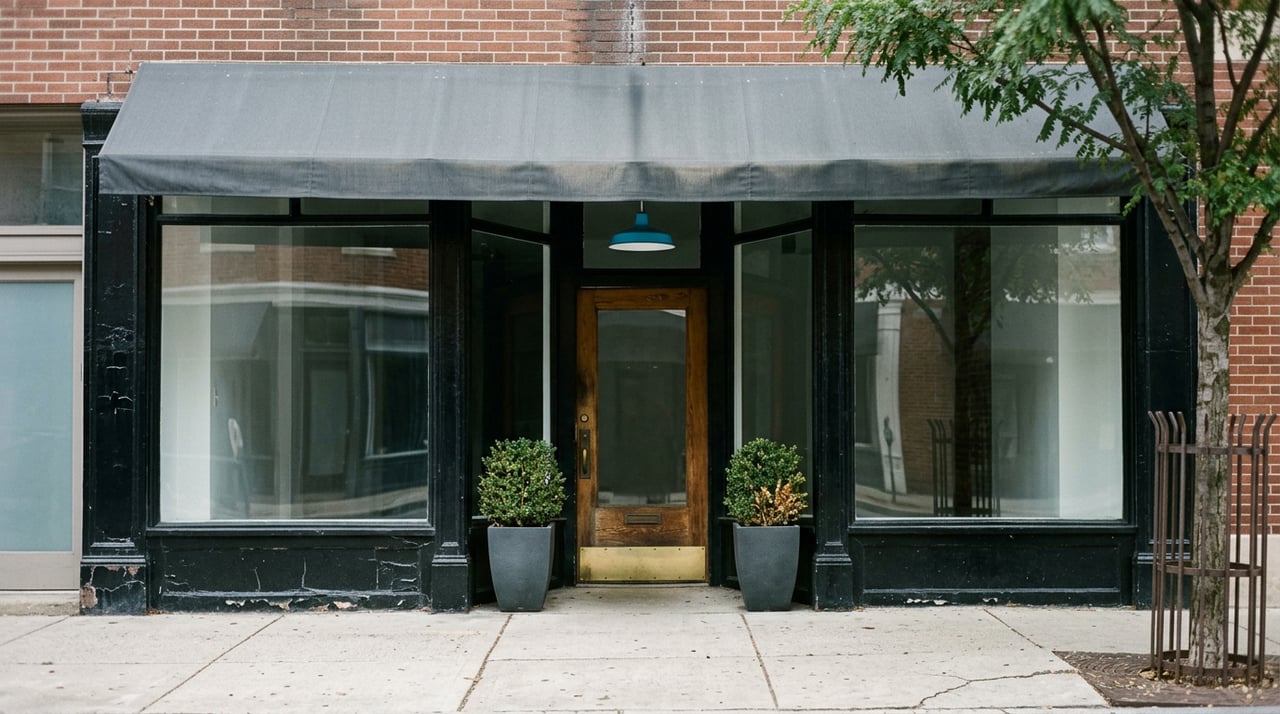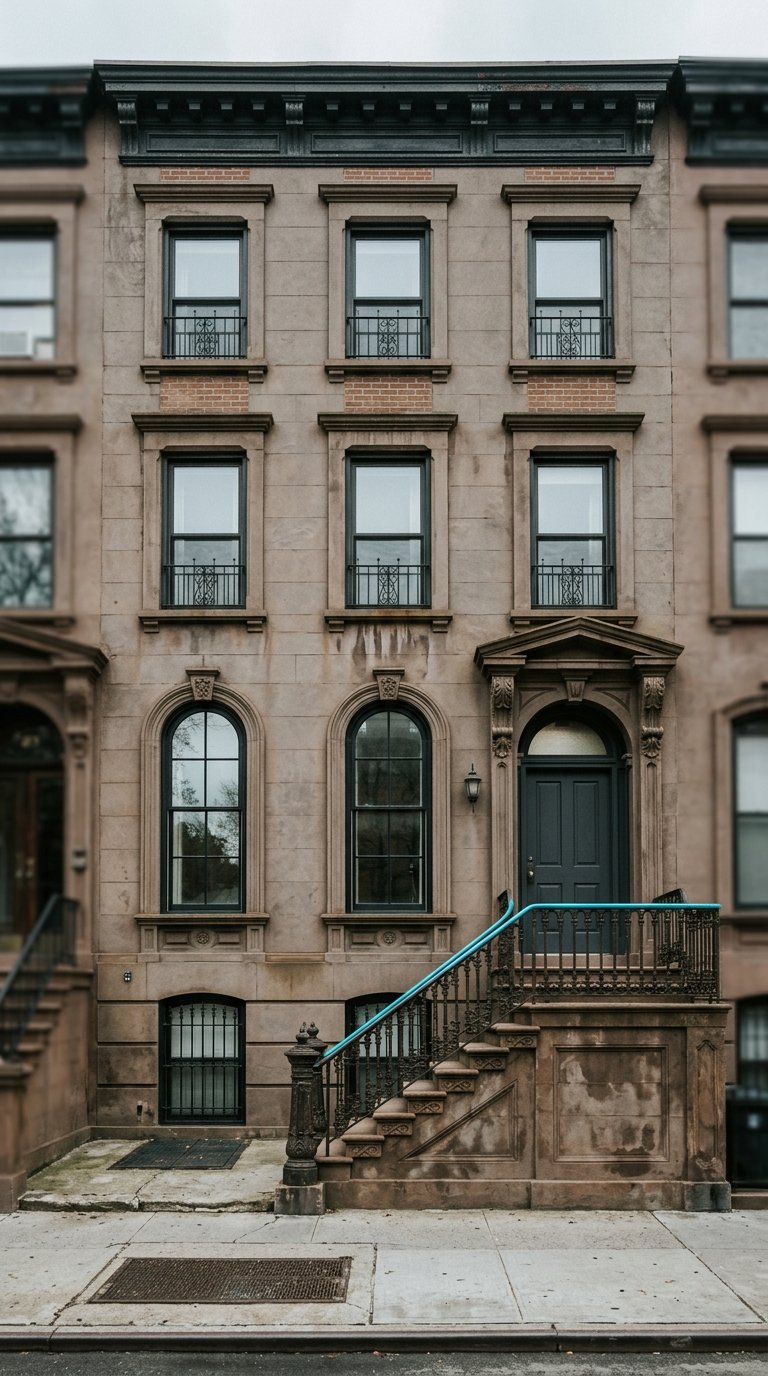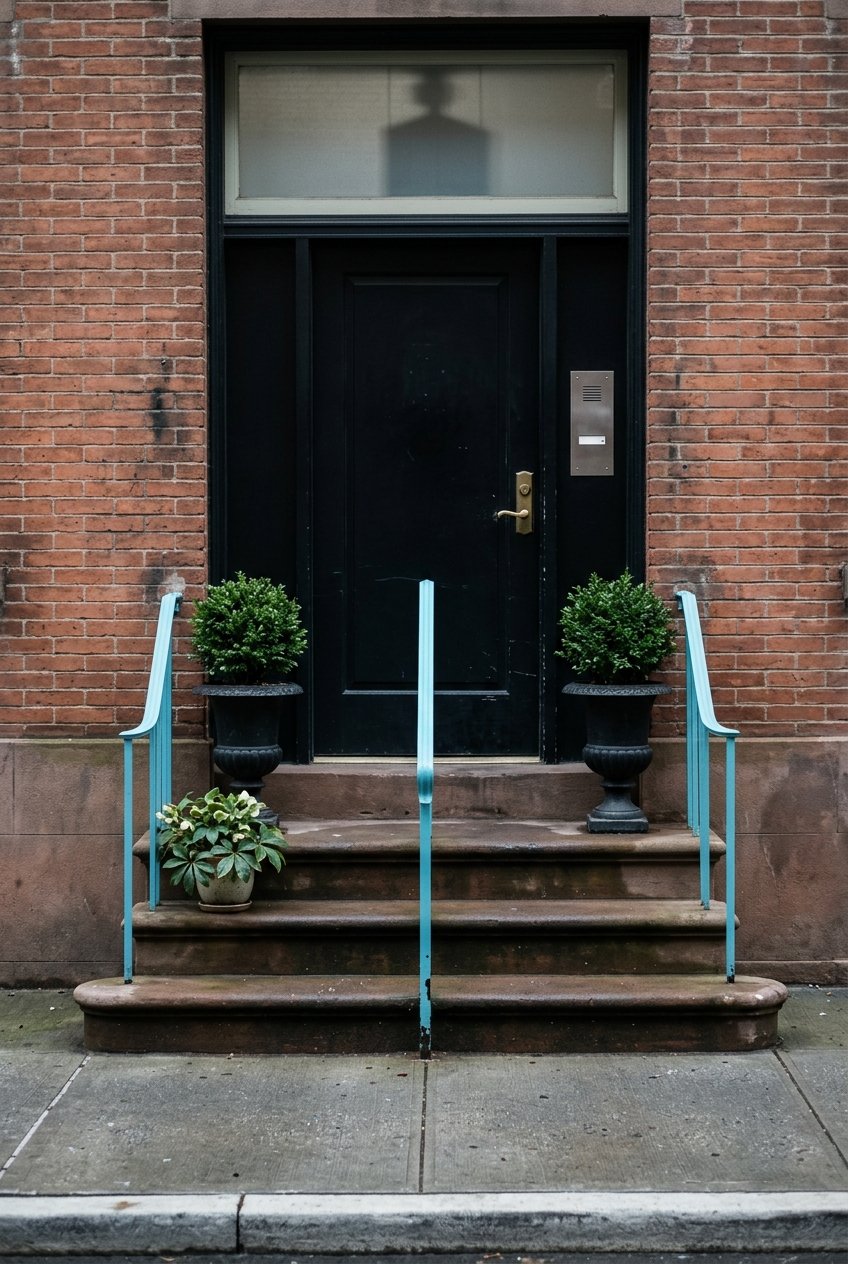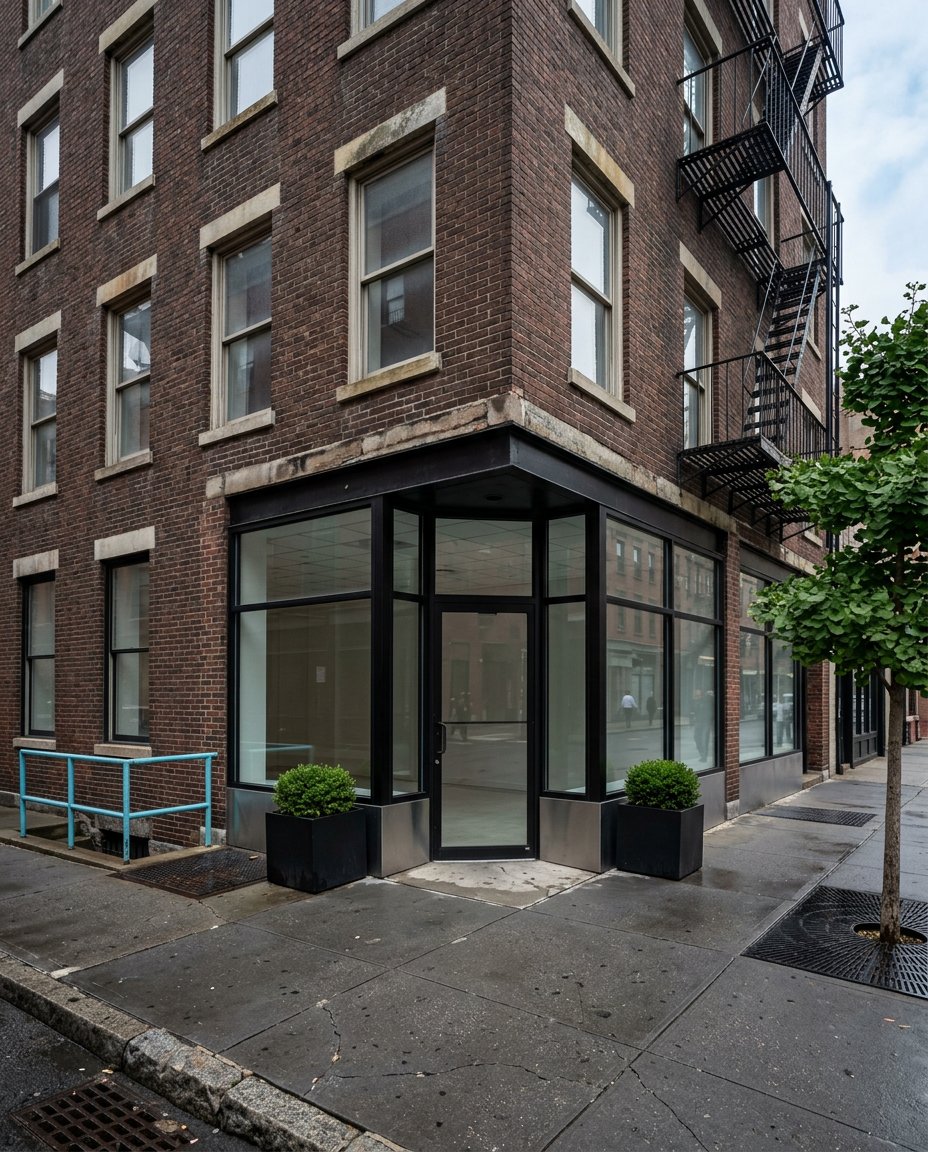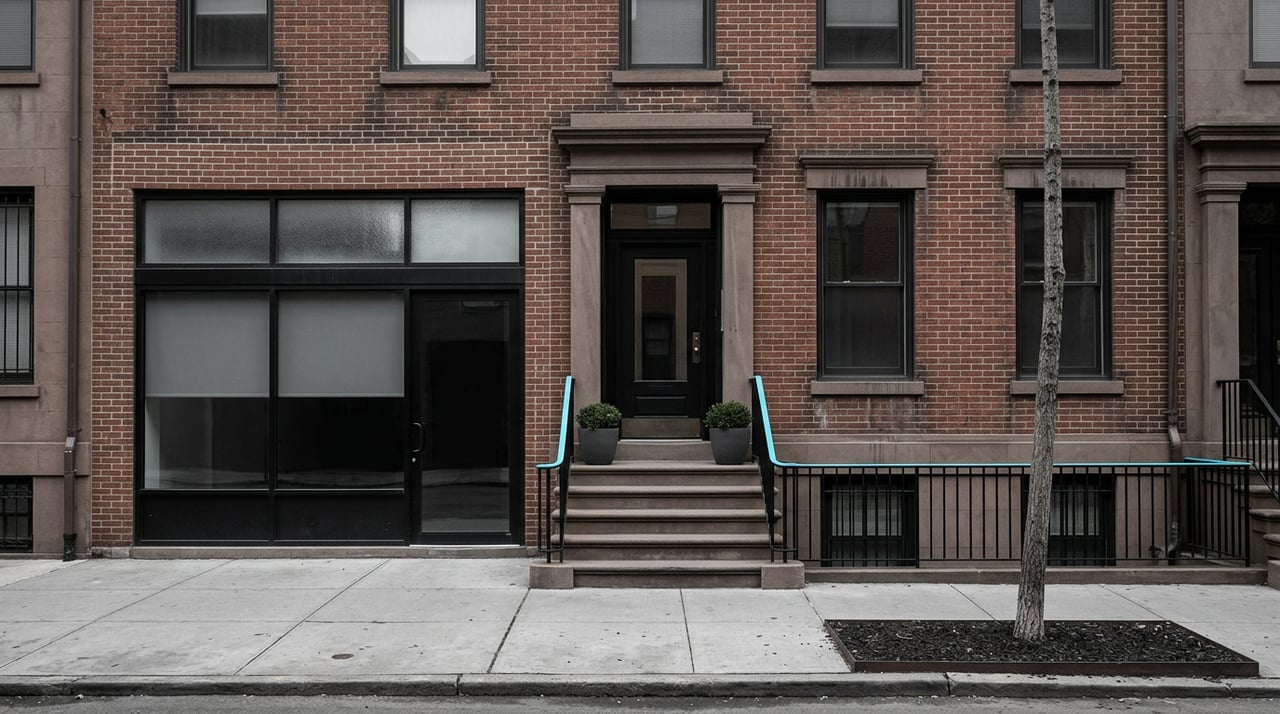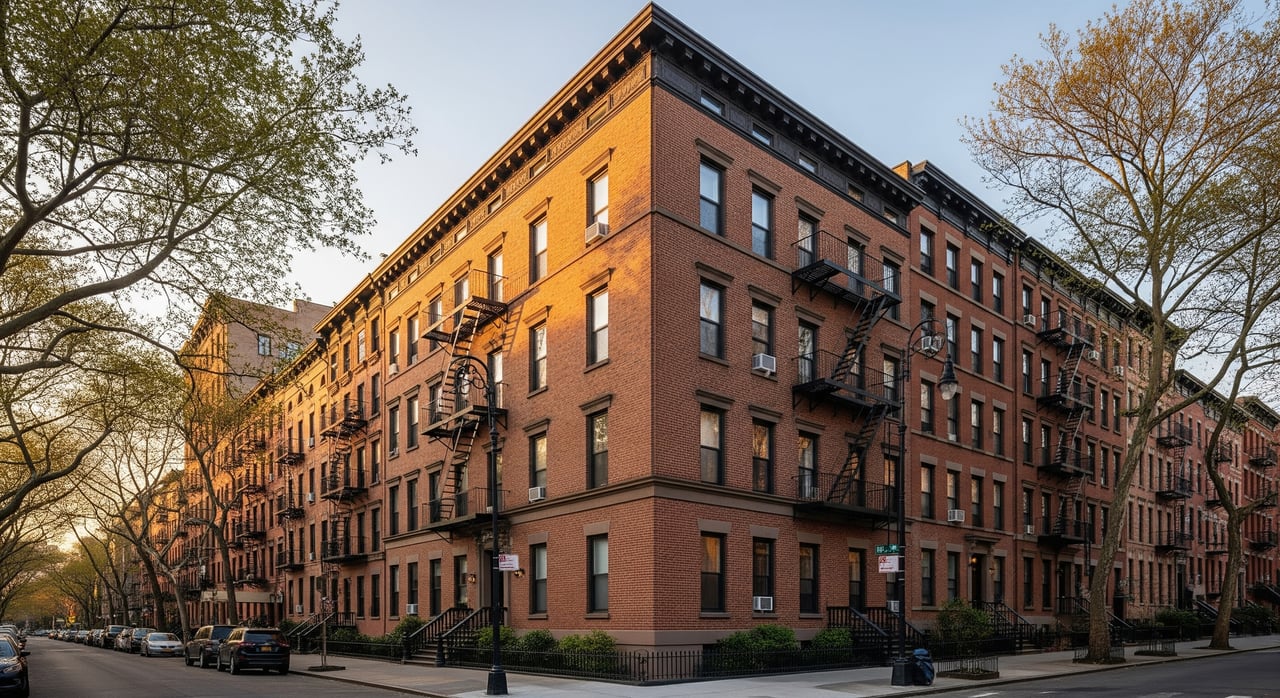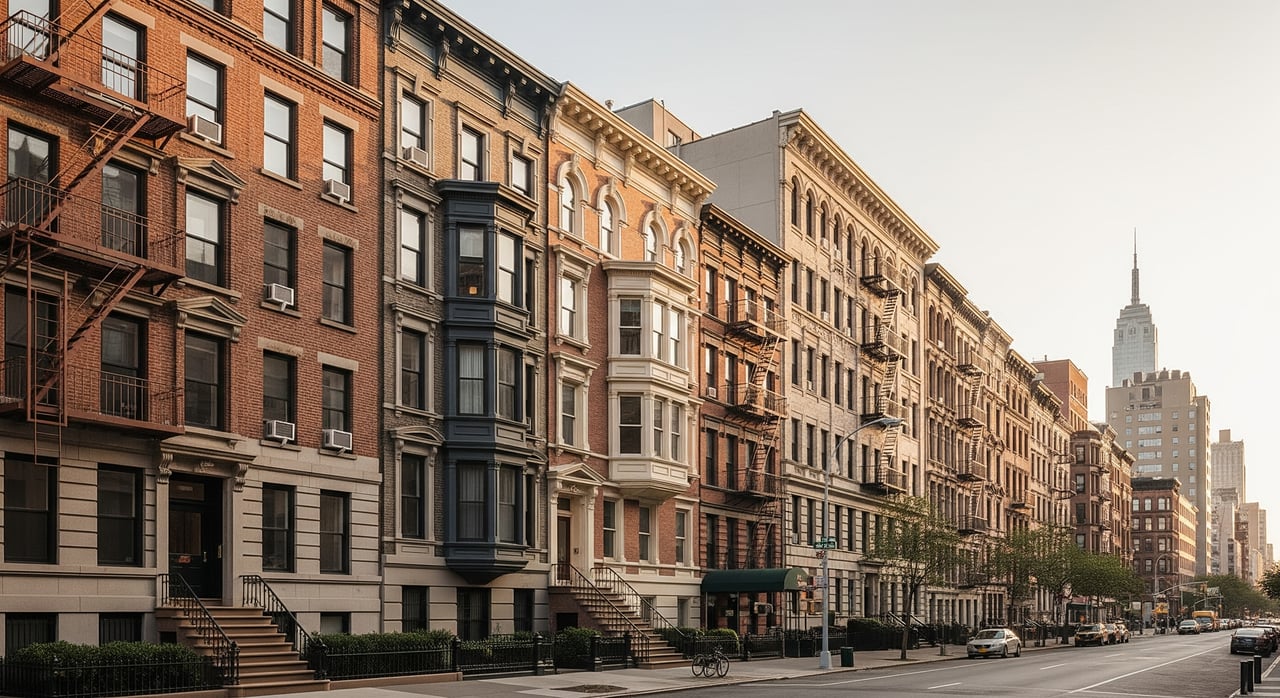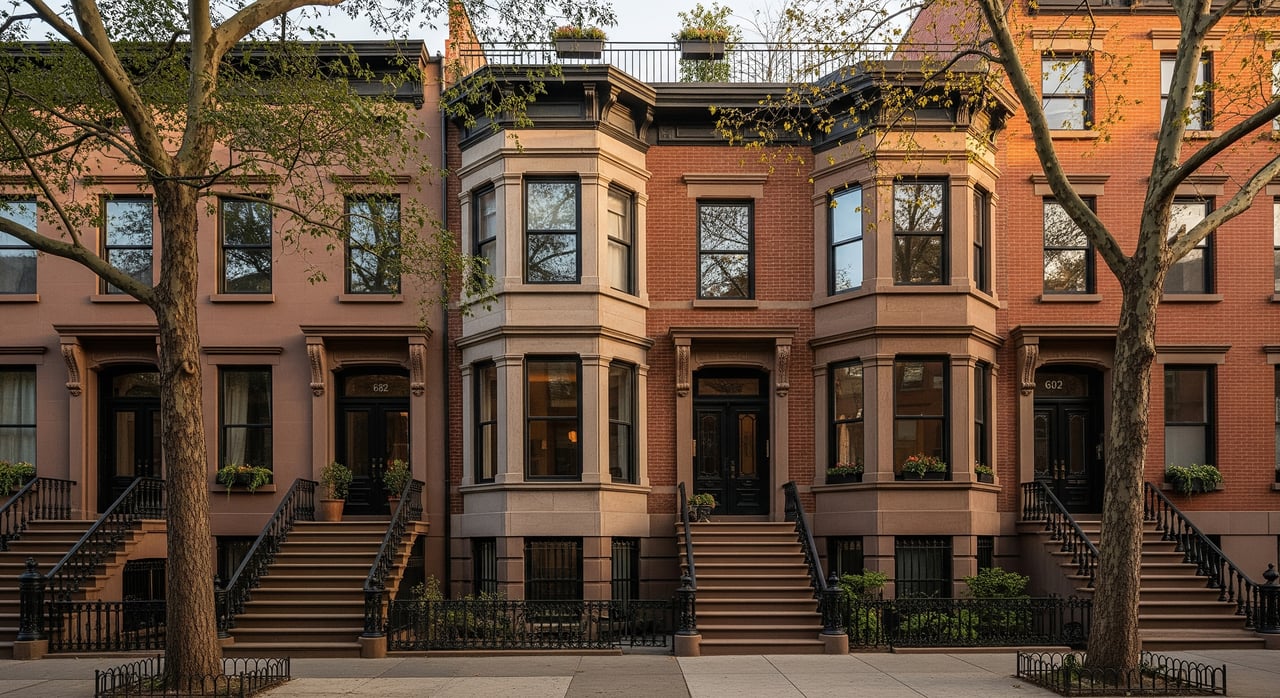
Naruto Ramen ran the counter at 276 Fifth Avenue for ten years before it closed last summer. For a few months the space sat dark, the kind of gap a longtime resident notices without quite registering why. Then, on November 17, 2025, a new sign went up: Andamiro, a Korean restaurant built almost entirely around one dish most New Yorkers have never had a good version of. That single opening would be a nice footnote on its own. What makes it worth a second look is that it wasn't alone. Over roughly the same six-month stretch, three more restaurants with genuine outside credibility landed up and down Fifth, Sixth, and Seventh Avenue, the same three-avenue spine that has carried Park Slope's restaurant scene for years.
None of these four needed this neighborhood specifically. Each had a reputation, a following, or a Michelin credit that would have traveled just fine to Williamsburg, DUMBO, or a dozen other Brooklyn strips with comparable foot traffic. They picked here anyway, within months of each other. That's the part worth sitting with, because it says something about what this stretch of avenue currently offers a serious chef that a hot new neighborhood doesn't.
The chefs who didn't need to come here
Start with the clearest case. Jay Kumar already runs Lore, the restaurant the NYC Hospitality Alliance named Best Restaurant in Brooklyn, and which holds a Michelin Bib Gourmand. He didn't need a second Park Slope address to prove anything. He leased the former Brooklyn Pub space at 689 Sixth Avenue, at 20th Street, to build Folk, a cocktail-forward bar and small-plates room designed by his wife Daria, with three sections of drinks running $14 to $18 and a menu that moves between Indian flatbreads and pot pies drawn from his time cooking in the UK.
On Seventh Avenue, the team behind the Michelin-starred Corima opened Vato at 226 Seventh Avenue. Chef Fidel Caballero, his wife and partner Sofia Ostos, pastry chef Erick Rocha, wine director Mariano Garay, and longtime collaborators Paco and Erica Alonso split the space by time of day. Mornings and afternoons, it runs as a counter-service cafe serving Chihuahuan-style burritos and single-origin coffee. At night it becomes a sit-down room drawing on Caballero's years cooking in the Basque Country, paired with Garay's natural wine list.
That's two operators with nothing left to prove locally, choosing to prove something here anyway. The pattern isn't that Park Slope got new restaurants. Every neighborhood gets new restaurants. The pattern is that within one season, the people with the most leverage to open wherever they wanted all pointed at the same handful of blocks.
Andamiro made a soup the whole point
Suho Lee grew up in Suwon, near Seoul, and moved to Downtown Brooklyn in 2013. He spent years frustrated that gukbap, a soup and rice dish that shows up everywhere in Korea, from street carts to fine dining, barely existed in New York in any serious form. By the time he signed the lease on the old Naruto Ramen space, he'd already built a resume that included time as a line cook at Eleven Madison Park, a sous chef role at The Standard East Village, and four years running the banquet kitchen at Williamsburg's Wythe Hotel.
He built Andamiro around a build-your-own gukbap: a choice of beef, chicken, or soy-and-sesame broth, rice or noodles, a protein, and a rotation of house sauces. In March 2026, Brooklyn Magazine's food critic predicted it would be one of the best dishes he ate all year. Lunch runs Wednesday through Sunday, 11:30 a.m. to 3 p.m., with dinner service the same days and a later kitchen on Friday and Saturday until 9:30 p.m.
What's notable isn't that the food is good. It's that Lee had every reason to open in a neighborhood already saturated with Korean options in Manhattan or in more heavily Korean pockets of Queens, and instead bet on a Park Slope storefront that had just spent a decade as a ramen shop. He told Brooklyn Magazine he loves the feel of Park Slope, which is the kind of line that gets quoted and forgotten. The more useful fact is the decision itself: a dish he believed in, a city not serving it well, and a block on Fifth Avenue he picked over every other option in New York to make that case.
A pizza that used to require a trip to Maine
Before this year, getting a slice from chef Ben Wexler-Waite meant a summer trip to Peak Island, Maine, where his seasonal pizzeria il Leone built a following one ferry ride at a time. Wexler-Waite grew up in Park Slope, and this year he took over the former Bar Vinazio space at 158 Seventh Avenue, shutting the Maine operation down a week early to get a head start on the Brooklyn build-out.
The pies are naturally leavened sourdough, fermented for two to three days, topped with ingredients like cherry tomatoes from an upstate farm and imported buffalo mozzarella. The signature Isola pie carries wood-fired Maine lobster, a direct callback to the island restaurant that built his name. The backyard opens for warm-weather service, and the restaurant has already landed on local best-of guides for Park Slope's Seventh Avenue corridor.
Wexler-Waite had a built-in cult following that would have traveled to Williamsburg or DUMBO without any trouble. He put it on Seventh Avenue instead, in the neighborhood where he grew up.
What actually changes on a normal Tuesday
None of this rewrites what Park Slope is. Fifth and Seventh Avenue have carried the neighborhood's restaurant identity for as long as most residents have lived here, the two main strips that hold nearly everything worth walking to. What's changed is the density of ambition packed into a normal week of errands. The block you already walk for groceries or a coffee run now has four projects on it built by people who had every reason to build somewhere else first.
A few practical notes if you haven't made it to any of these yet:
- Andamiro, 276 Fifth Avenue near Garfield Place: order the gukbap with beef broth and rice, add the sauces on the side rather than pre-mixed if you want to control the intensity.
- Vato, 226 Seventh Avenue: go for the sourdough flour tortillas by the dozen if you're feeding a group, or the Chihuahuan-style burritos for a solo counter lunch.
- Il Leone, 158 Seventh Avenue: the Isola with Maine lobster is the one worth planning around, and the backyard is the better seat once the weather cooperates.
- Folk, 689 Sixth Avenue at 20th Street: the small-plates menu draws on Jay Kumar's time cooking in the UK, worth checking current hours before a visit since it's the newest addition of the four.
If you've lived in Park Slope for a few years, you've watched this happen before in smaller doses, one good restaurant at a time. What's different this cycle is the concentration. Four operators with reputations built elsewhere all made the same bet on the same three avenues inside of six months, which is a different signal than a single trendy opening. It's the kind of thing you notice on a Tuesday dinner run before anyone writes it up as a trend, which by the time you're reading this, someone already has.
For more on what's shaping daily life and property character in this pocket of Brooklyn, see what 632 President Street reveals about Park Slope renters.
Exodus Capital tracks blocks like Fifth and Seventh Avenue closely, because understanding where a neighborhood's energy is actually heading is part of how we advise owners here. If you're curious what shifts like this mean for a building on these streets, Discuss your exit strategy with the team at Exodus Capital.