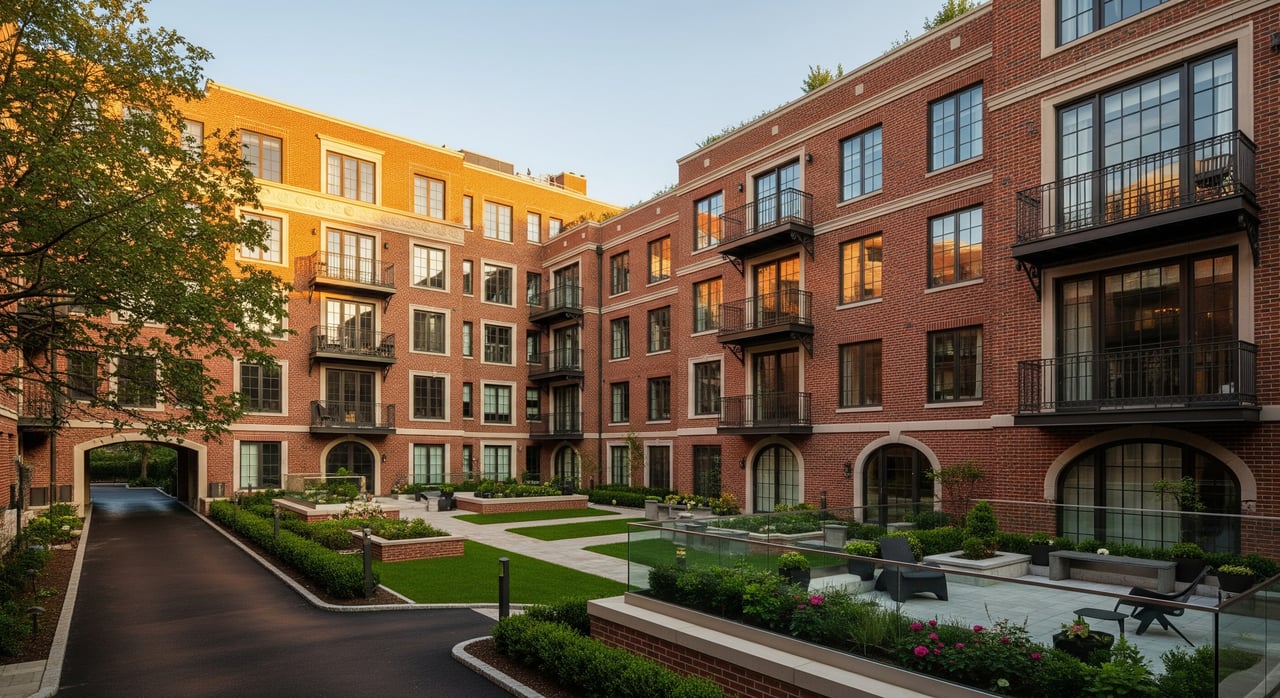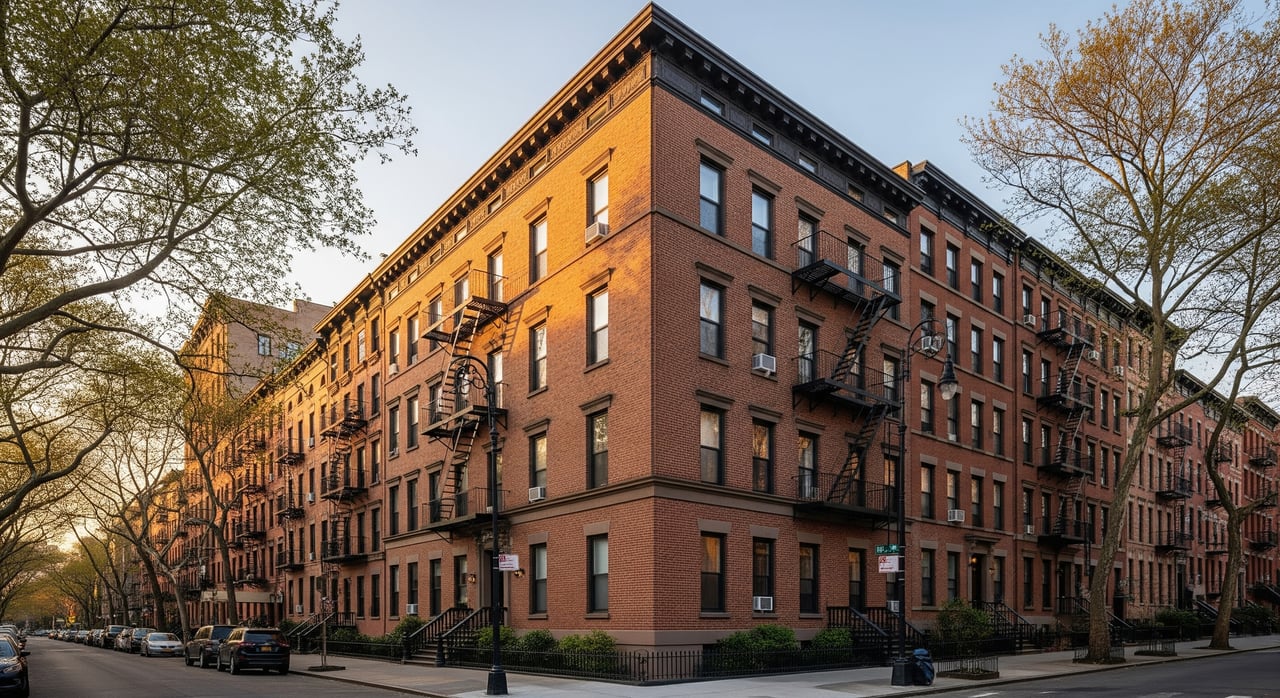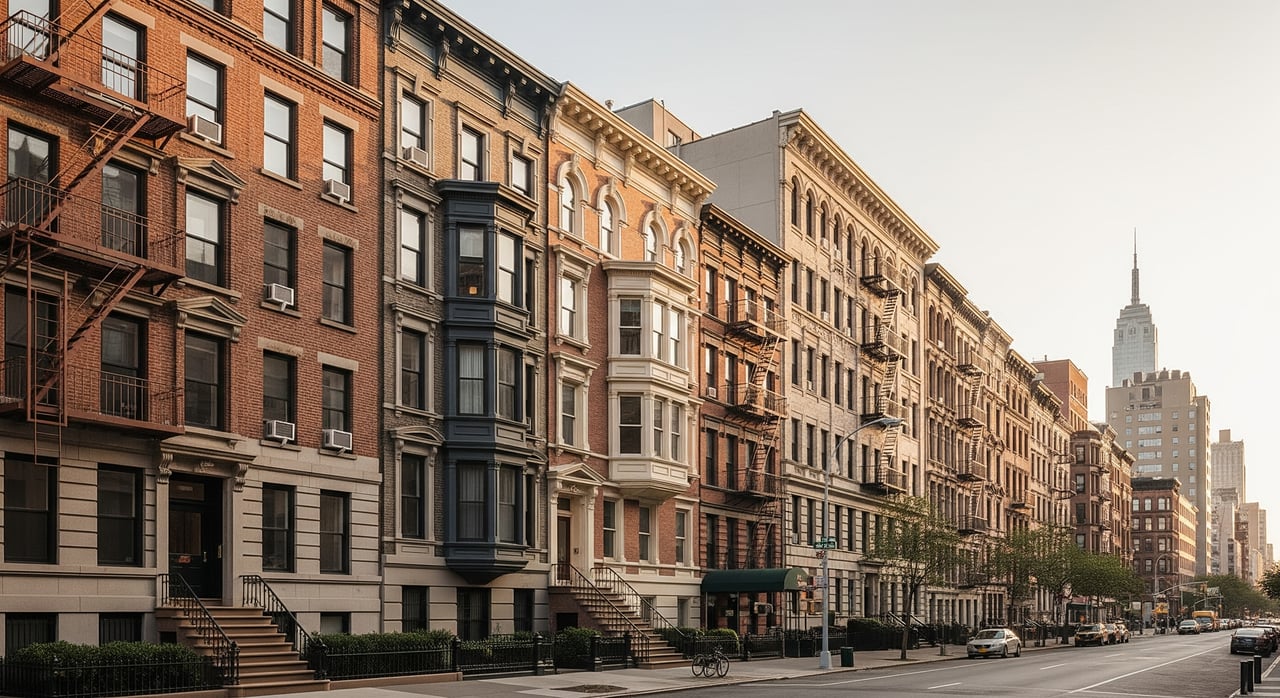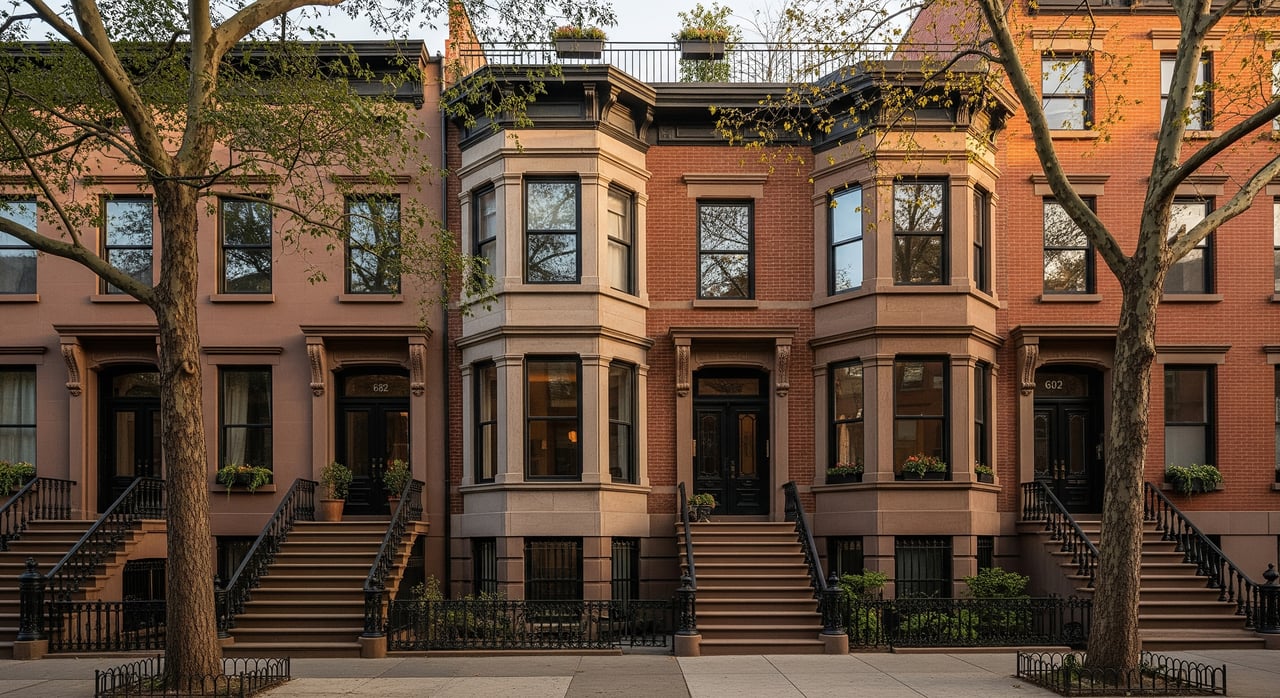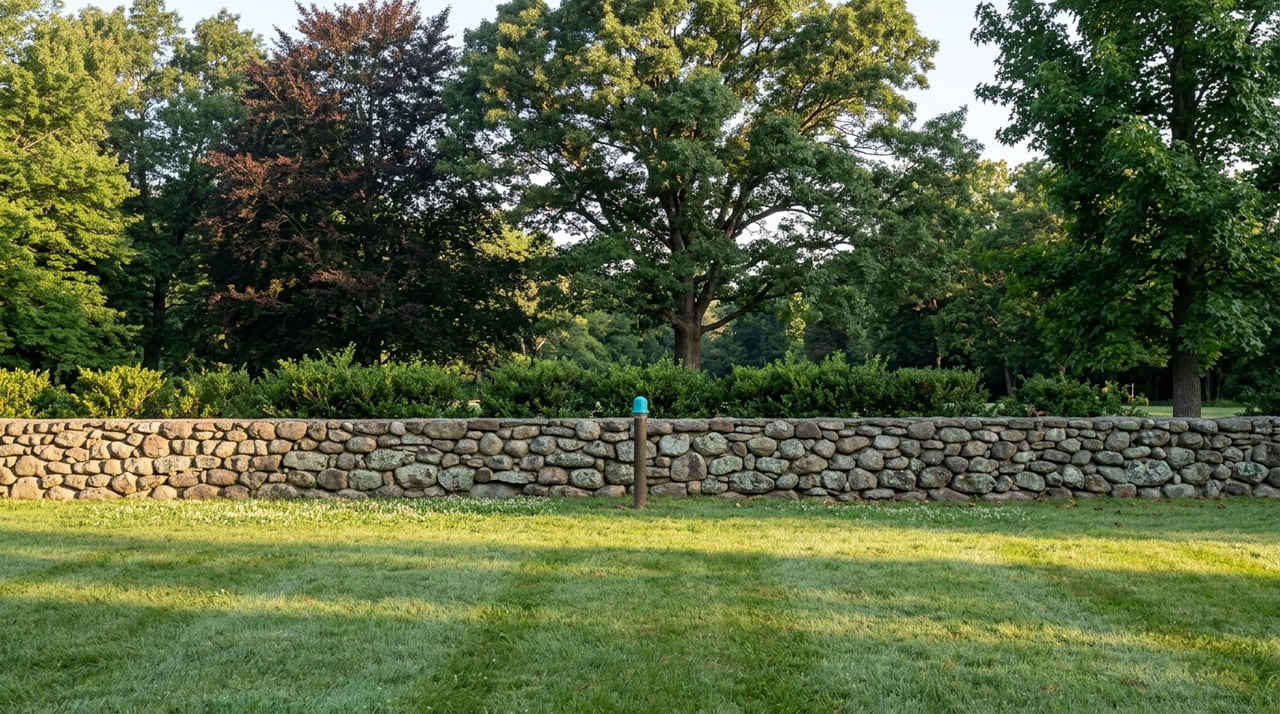
On a normal Saturday, the west side of Long Meadow looks like this: a softball game warming up near the Third Street backstop, a couple walking a dog off leash before the 9 a.m. cutoff, a stroller parked next to a picnic blanket while someone runs back to the Coop for forgotten ice. People cut through at Garfield Place on their way to nowhere in particular. Nobody is thinking about history. They are thinking about whether it will rain before the second inning.
Two days ago, that same grass looked nothing like this. On August 22, smoke drifted over the outfield. Men in tricorn hats and wool coats formed lines and fired muskets loud enough that the Prospect Park Alliance warned visitors in advance to expect it. Families who came for a normal Saturday walk stopped to watch reenactors march the length of the meadow, turn down Third Street, and disappear toward a small stone building most of them had walked past a hundred times without going inside.
That march was not staged for effect. It followed the actual ground where, almost exactly 250 years earlier, roughly 400 soldiers from Maryland were sent on a mission that almost none of them were expected to survive.
What Happened Here On August 27, 1776
The Battle of Brooklyn, also called the Battle of Long Island, was the first major military engagement fought after the Declaration of Independence was adopted that July. It did not go well for the Americans. British and Hessian forces outflanked Washington's army and threatened to trap the entire Continental force with its back to the East River.
To buy time for that army to escape, General William Alexander, known as Lord Stirling, ordered roughly 400 men of the 1st Maryland Regiment to counterattack a British line nearly 2,000 strong. It was not a battle they were meant to win. It was a battle they were meant to survive long enough for everyone else to get away.
They did not, mostly. More than 250 of the roughly 400 Maryland soldiers who charged were killed or captured that day, a casualty rate above 60 percent, among the highest of any single engagement in American military history. Washington is said to have watched the sacrifice unfold and reportedly said:
"Good God, what brave fellows I must this day lose."
That single afternoon is where Maryland got its nickname, the Old Line State. It is also, not incidentally, why the rest of Washington's army made it across the river that night instead of surrendering the war in its second month.
The House That Isn't Quite The House
The reenactors' route ended at the Old Stone House of Brooklyn, a small fieldstone building at 336 Third Street that sat at the center of the fighting in 1776. The building visitors see today is not the original. It's a 1933 recreation, built on the same footprint using period materials, standing in for a structure that was demolished long before Park Slope existed as a name on a map.
What hasn't moved is the ground itself. The route the reenactors walked, from the west side of Long Meadow, down Third Street, to the Old Stone House, retraces the same path the Maryland Line took as they fought their way toward that building under fire. It's the same stretch of pavement that separates a softball diamond from a coffee run, and on an ordinary Tuesday nobody covering that distance is thinking about anything other than getting where they're going.
A Three-Day Commemoration Built Around One Saturday Morning
The August 22 reenactment wasn't a standalone event. It sat inside a three-day commemoration organized around Old Stone House's annual Battle Week, folded this year into the broader Brooklyn 250 initiative marking the nation's semiquincentennial. The Daughters of the American Revolution held a wreath-laying ceremony as part of a Maryland 400 commemorative program, and reenactors reportedly encamped the night before at Fort Hamilton, the historic Army post at the base of the Verrazzano-Narrows Bridge, before being bused to Prospect Park early that morning to take up positions on the actual battlefield site.
After the reenactment and a battle march down Third Street, the day continued at the Old Stone House with a Maryland 400 Remembrance Ceremony and living history program. The following day, Green-Wood Cemetery hosted its own companion event, The Meaning of Freedom, continuing a commemoration that state funding tied explicitly to the broader 250th anniversary push. None of this required anyone in the neighborhood to travel further than a normal weekend errand.
What's Still There After The Reenactors Go Home
The uniforms and muskets packed up after Saturday, but two pieces of this history are permanent and open to anyone who wants to see them without waiting for an anniversary. Inside Prospect Park there's a replica of the Battle Pass fortification, one of the defensive positions that figured into the day's fighting. At Lefferts Historic House, there's a standing exhibit on the role Black soldiers played in the Battle of Brooklyn, a part of the story that doesn't get much attention in the shorthand version involving Washington and the Maryland Line.
Neither requires a special weekend. Both are a normal walk from anywhere in Park Slope, the same distance as a trip to see what's opening on Fifth and Seventh Avenues, just in the other direction.
The Layer Under The Ordinary Day
None of this changes what Long Meadow is for most of the people who use it. It's still where the softball league plays, where dogs get their morning off leash, where somebody spreads out a blanket because the weather finally cooperated. That's exactly the point. The single deadliest afternoon this neighborhood has ever seen happened on the same acreage where a rec league now argues about foul lines, and for 364 days out of the year nobody standing on that grass has any reason to know it.
The reenactment made that history visible for one Saturday morning. The ground doesn't need the costumes to make it true. Next time the route home from the park runs down Third Street toward the Old Stone House, that walk is following the same few hundred yards where roughly 250 men didn't come home, so that an army half a mile away could.
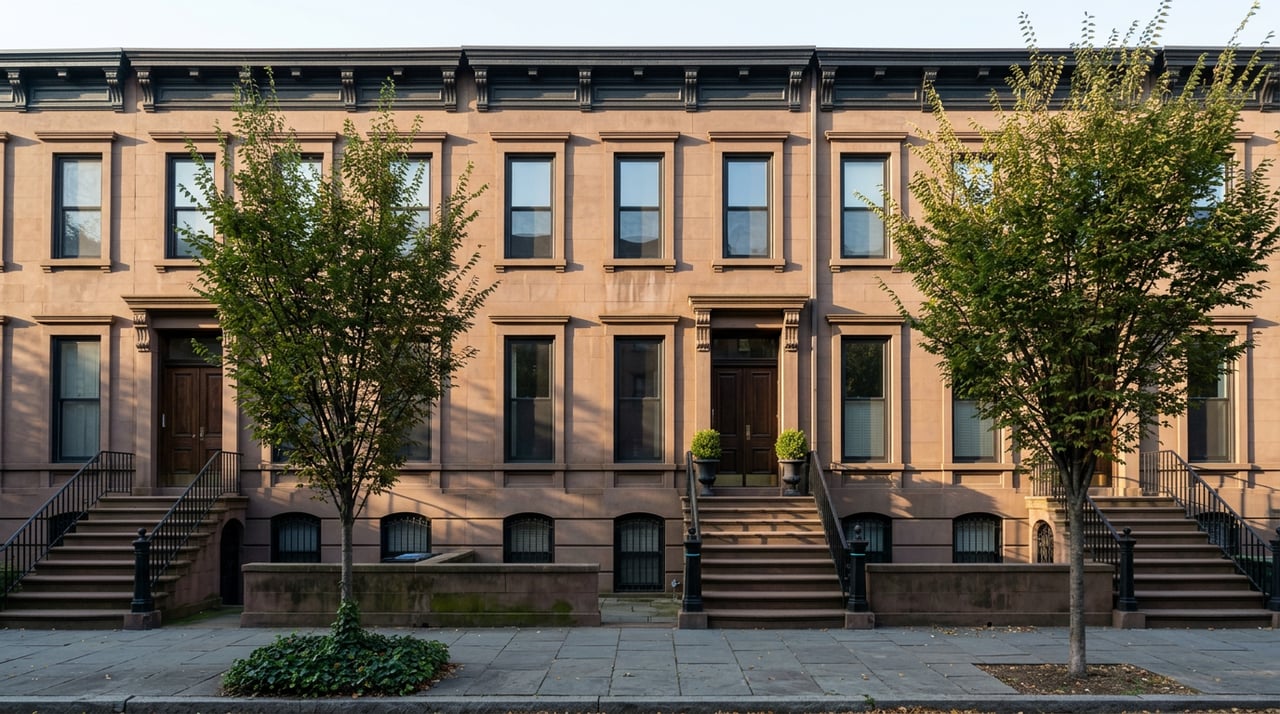
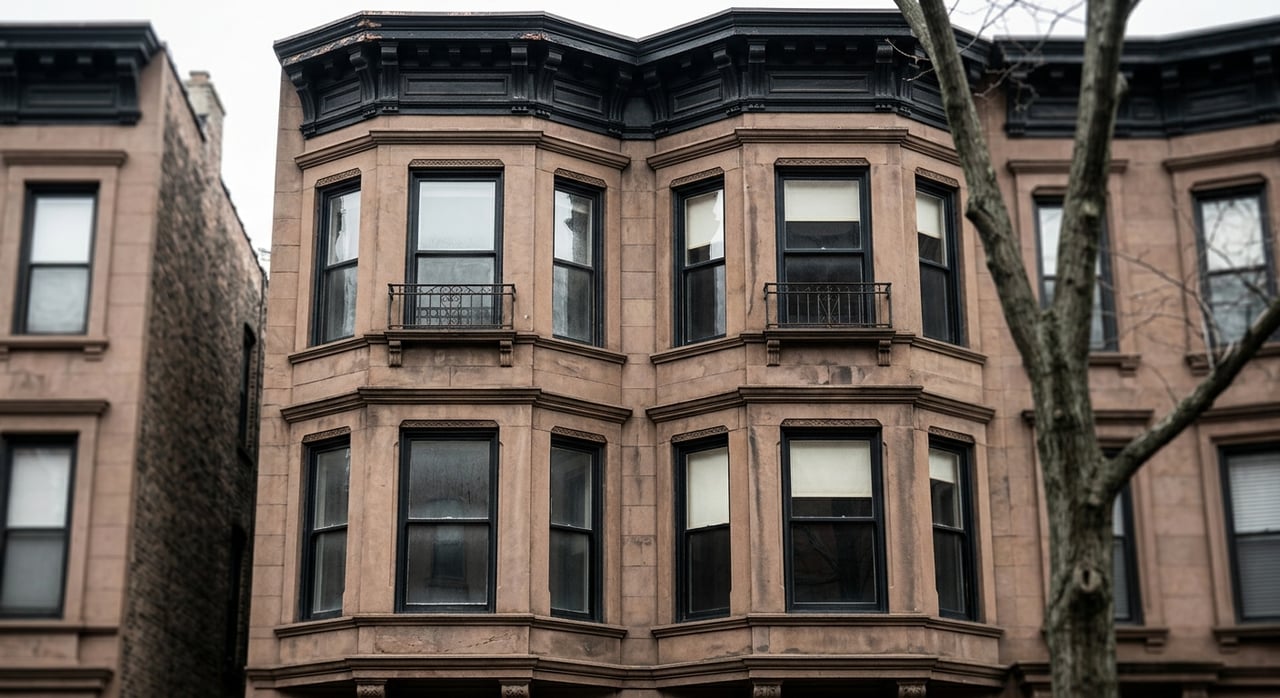
Exodus Capital's work is mostly about buildings, not battlefields, but understanding a neighborhood means understanding what's actually under it. If you're curious what else is layered into Park Slope, from its 19th-century brownstone rows to what's trading on them today, Exodus Capital has been paying attention to this block for a while. Get in touch if you want the version of this neighborhood's story that doesn't stop at the history.