Walk the arch loop on a Saturday morning and you already know the choreography: dodge the greenmarket line at the north end, cut through the cyclists peeling off toward Prospect Park West, wait for a gap in the traffic circling Flatbush before you can cross to the library steps. That routine has been the same for years. This year it's getting rewritten from two sides at once, and the two rewrites are moving at completely different speeds.
On one side, a building is going up. On the other, a plan is still collecting signatures.
A Music School Is Filling In Four Blocks From The Arch
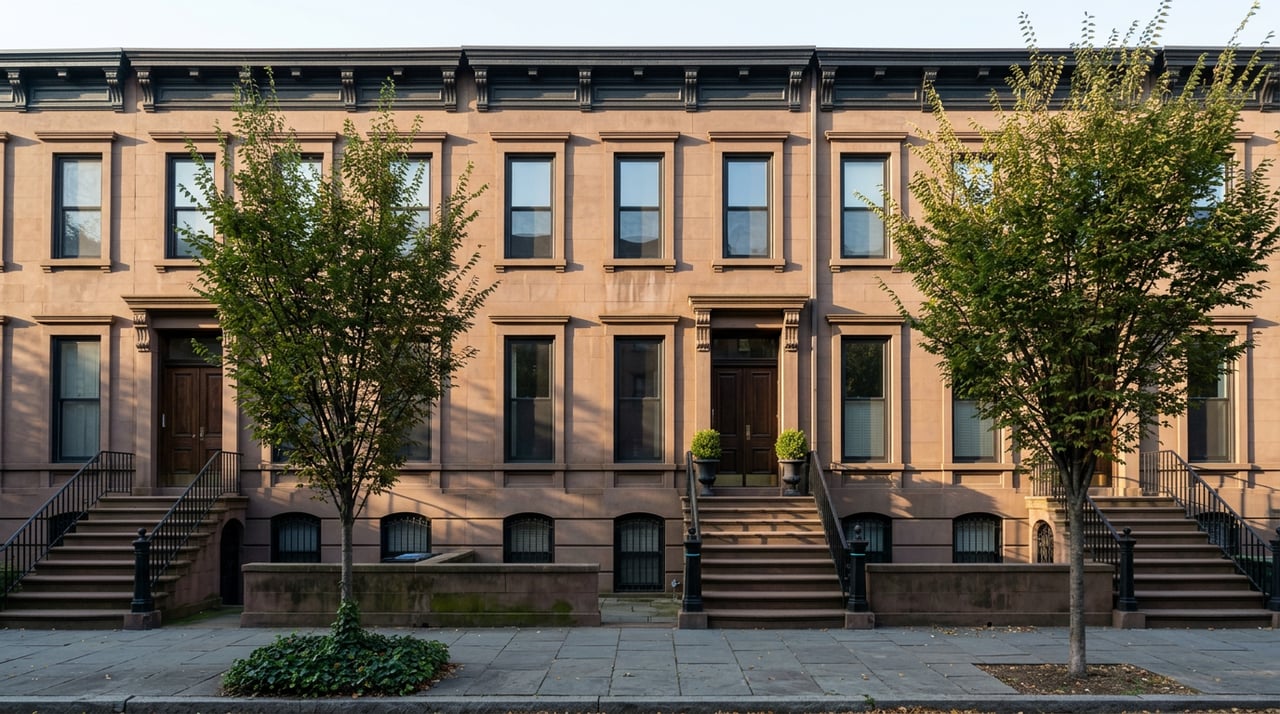
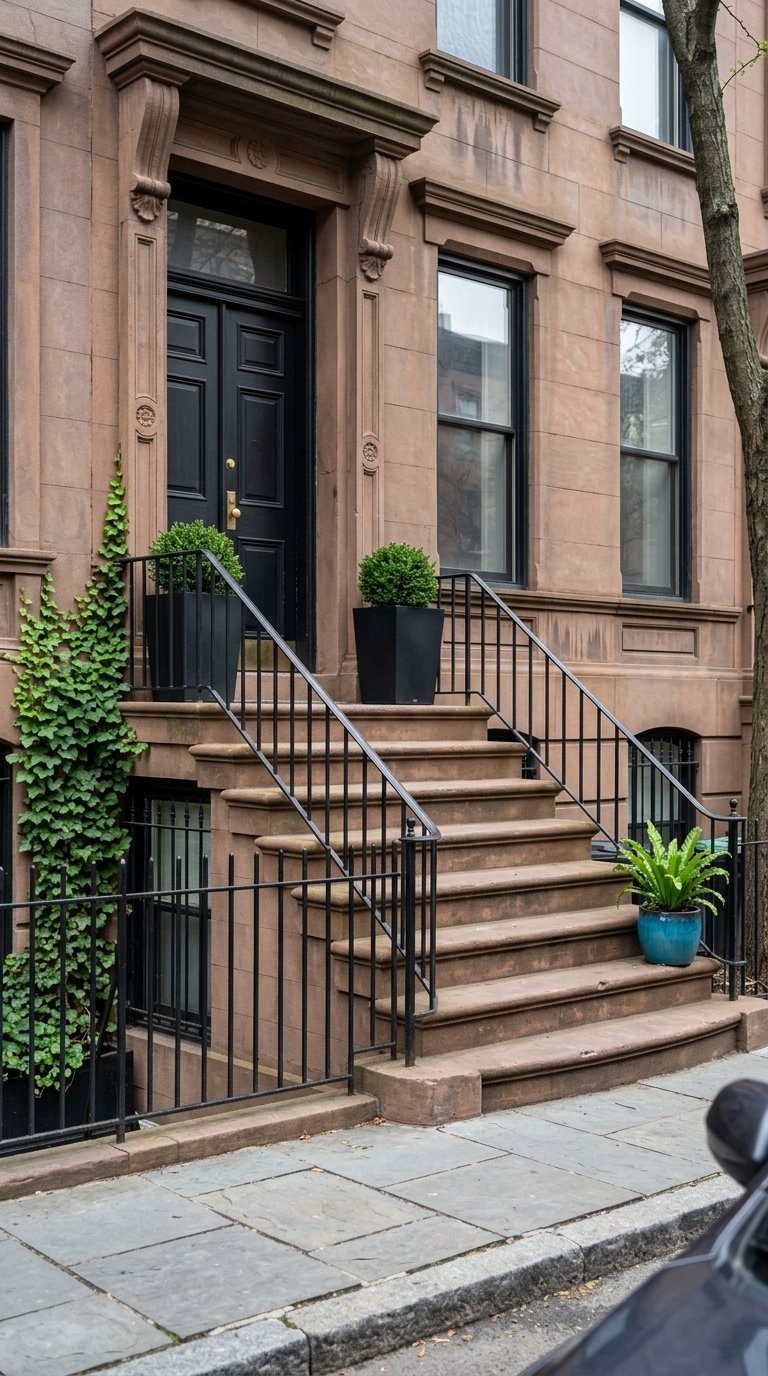
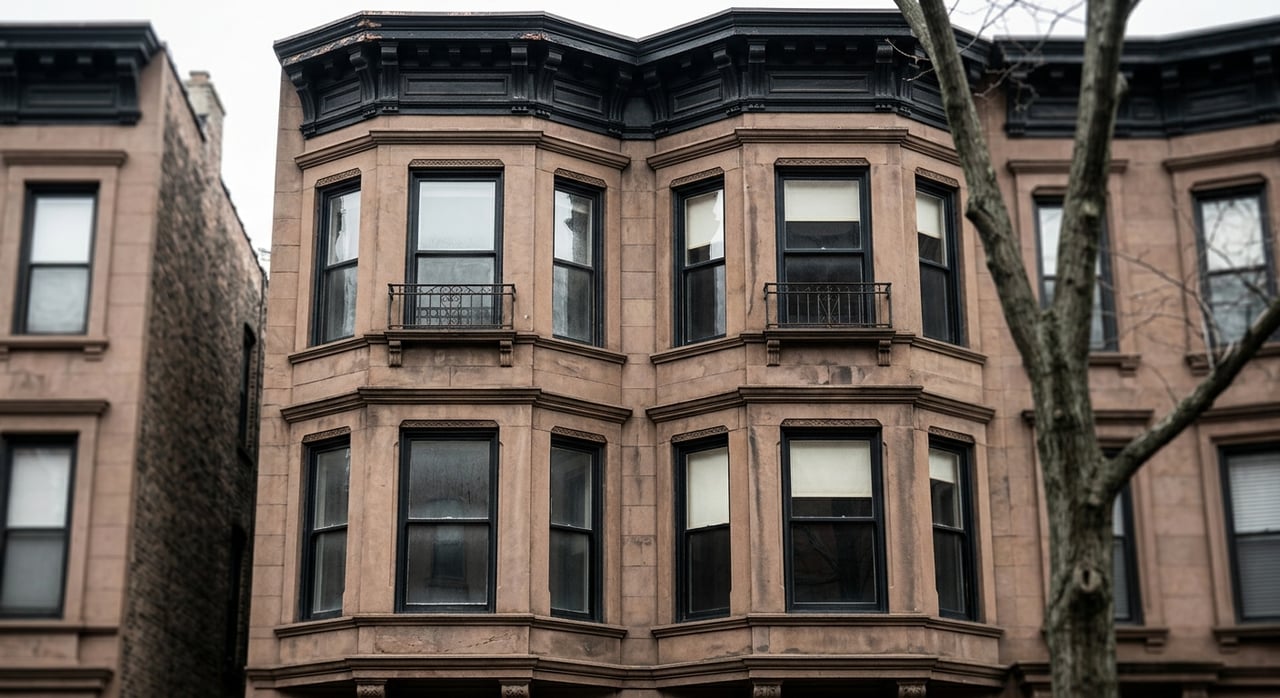
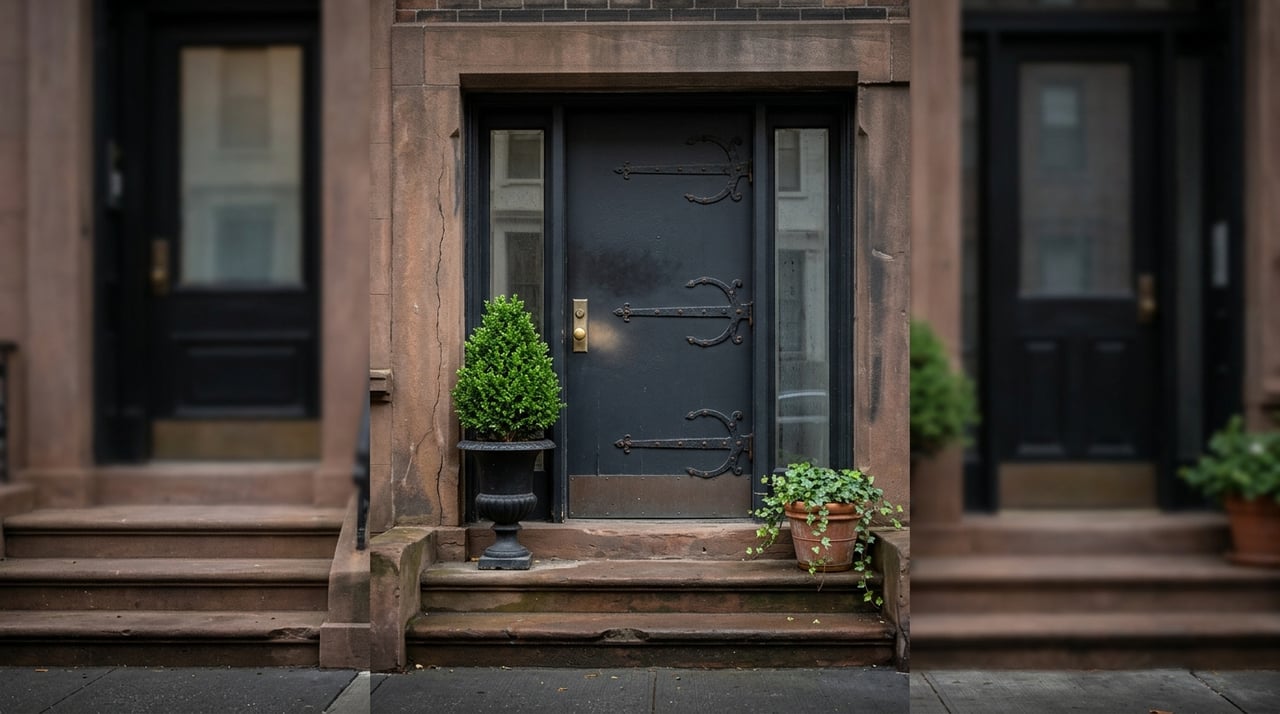
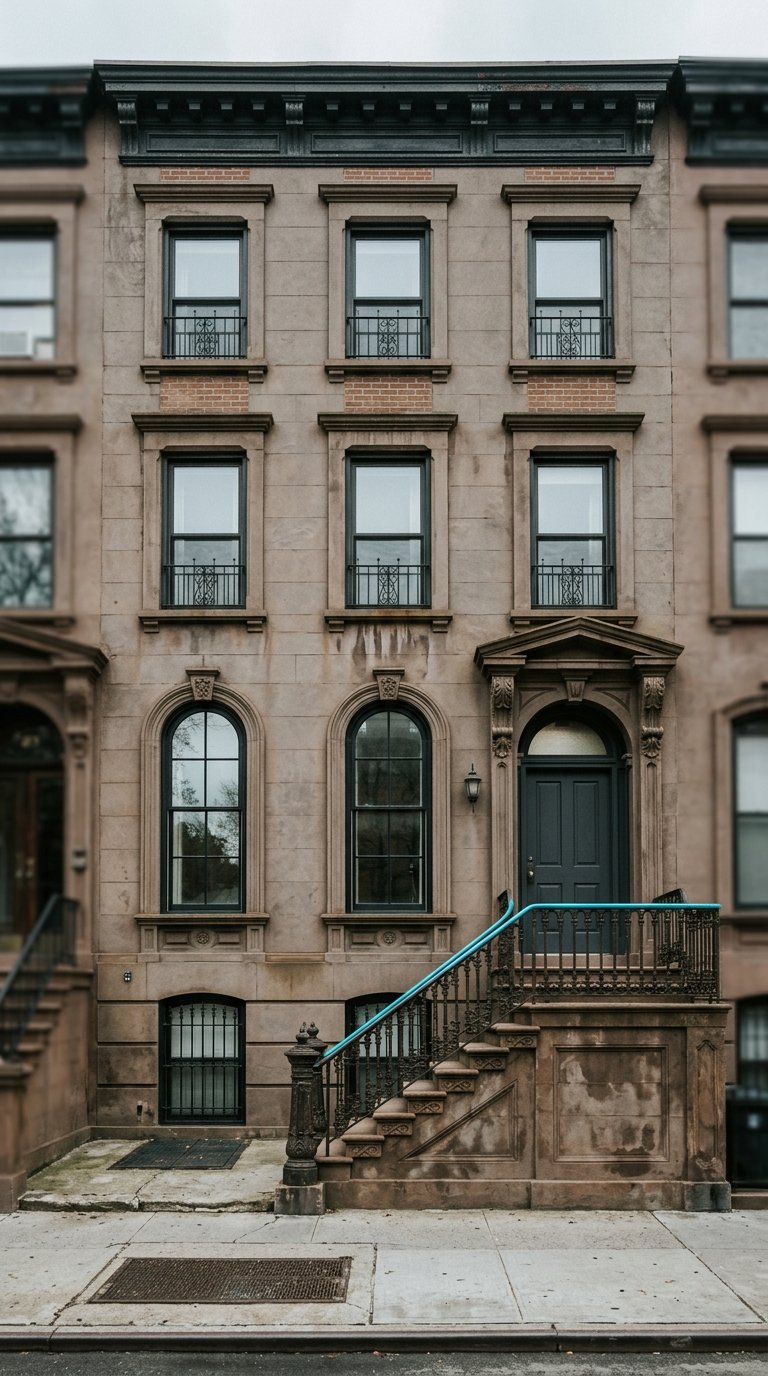
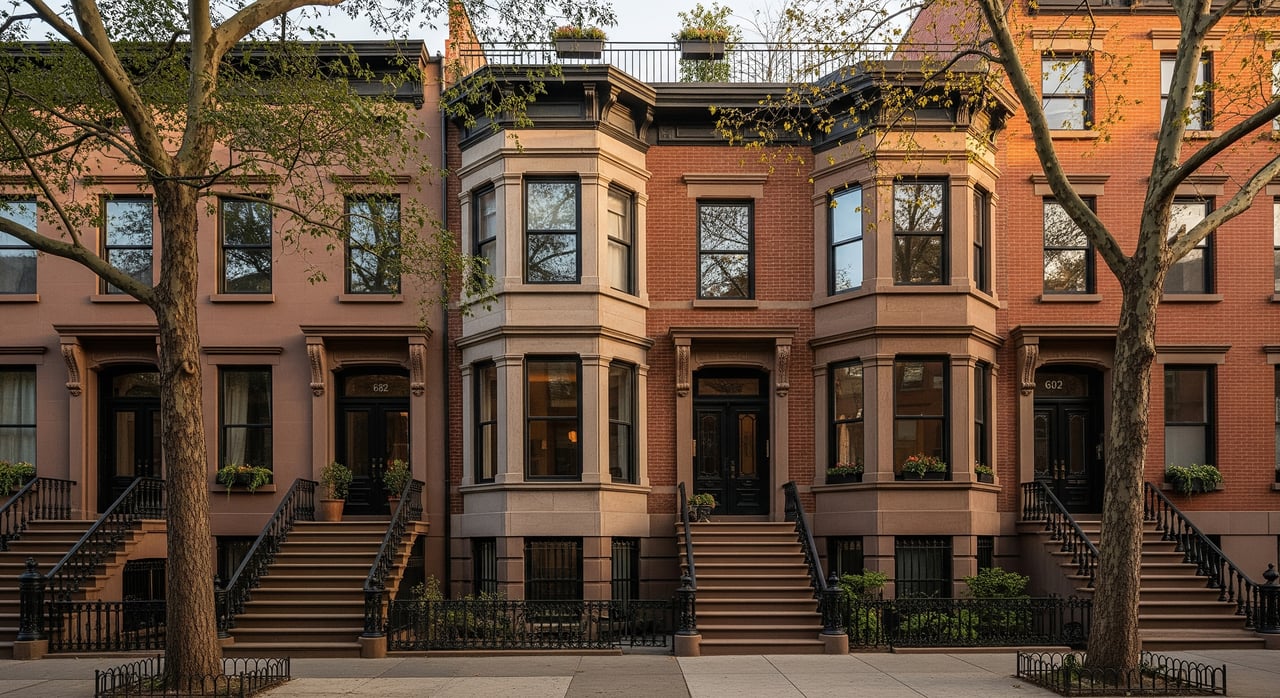
The Brooklyn Conservatory of Music has run out of 58 Seventh Avenue. That's not a metaphor. The Victorian brownstone the school has occupied since 1944 was designed for a much smaller operation than the one BKCM has grown into since it was founded in 1897 by a group of German immigrants, and its music therapy program, now the largest in New York City, has been squeezed into a building that was never built to hold it.
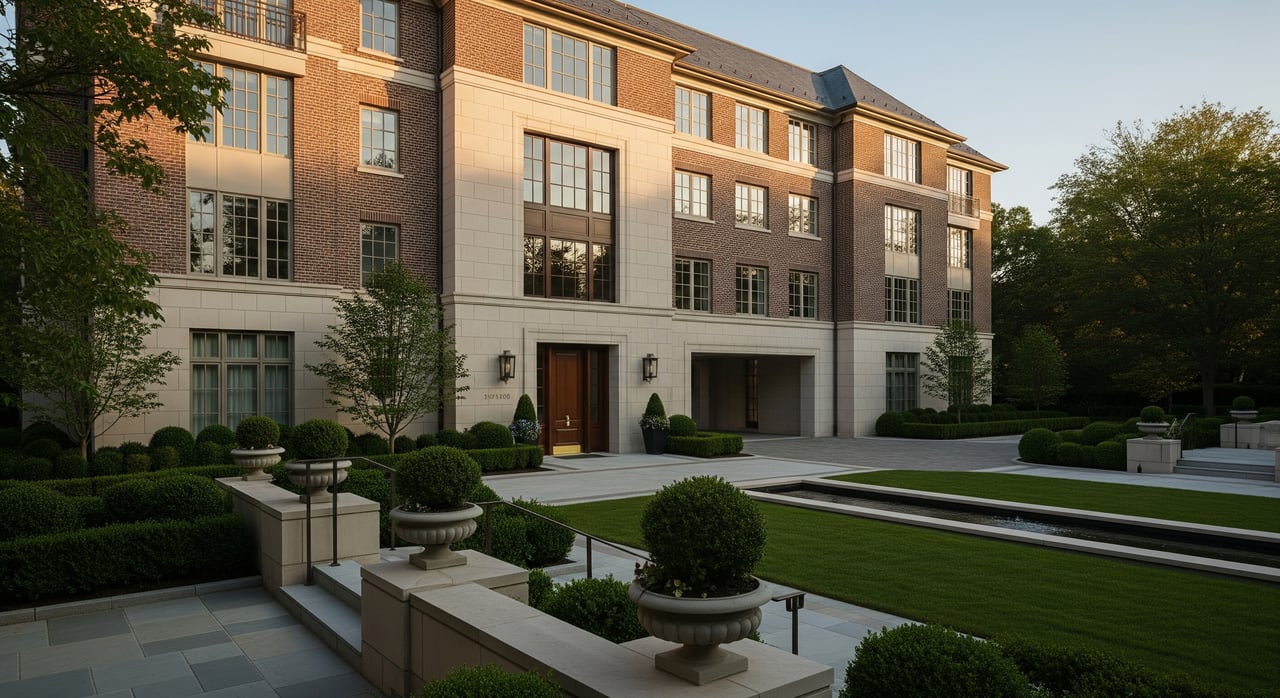
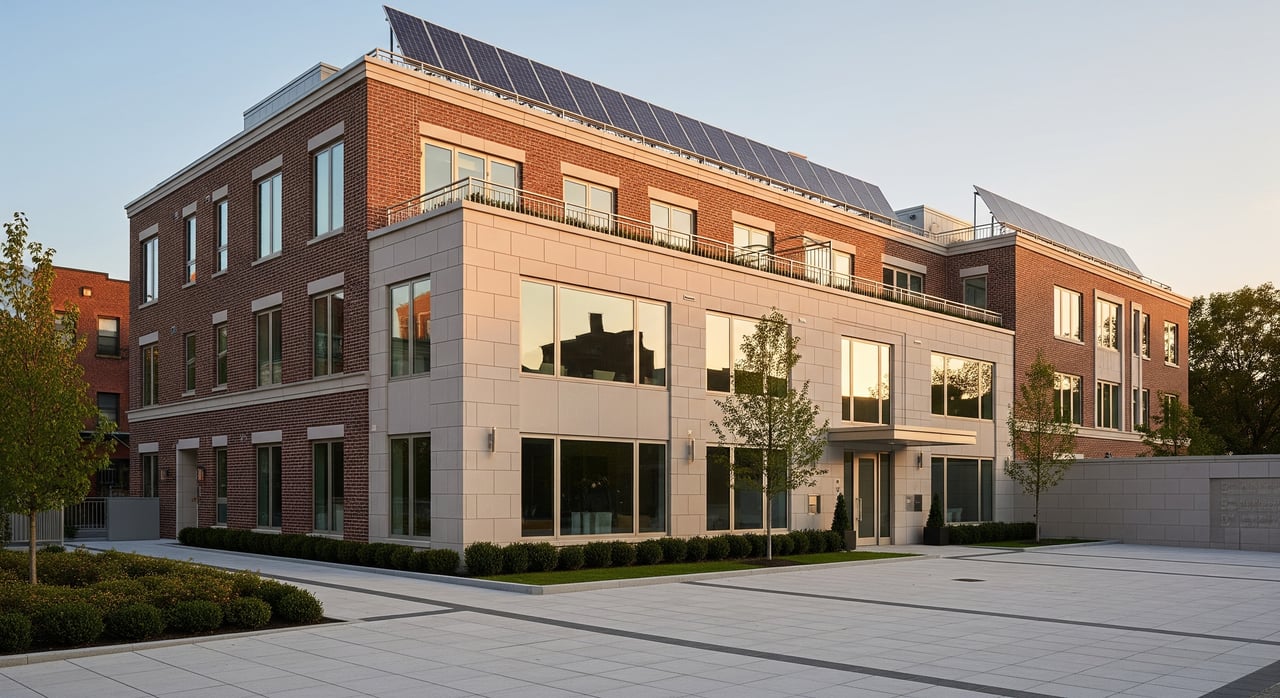
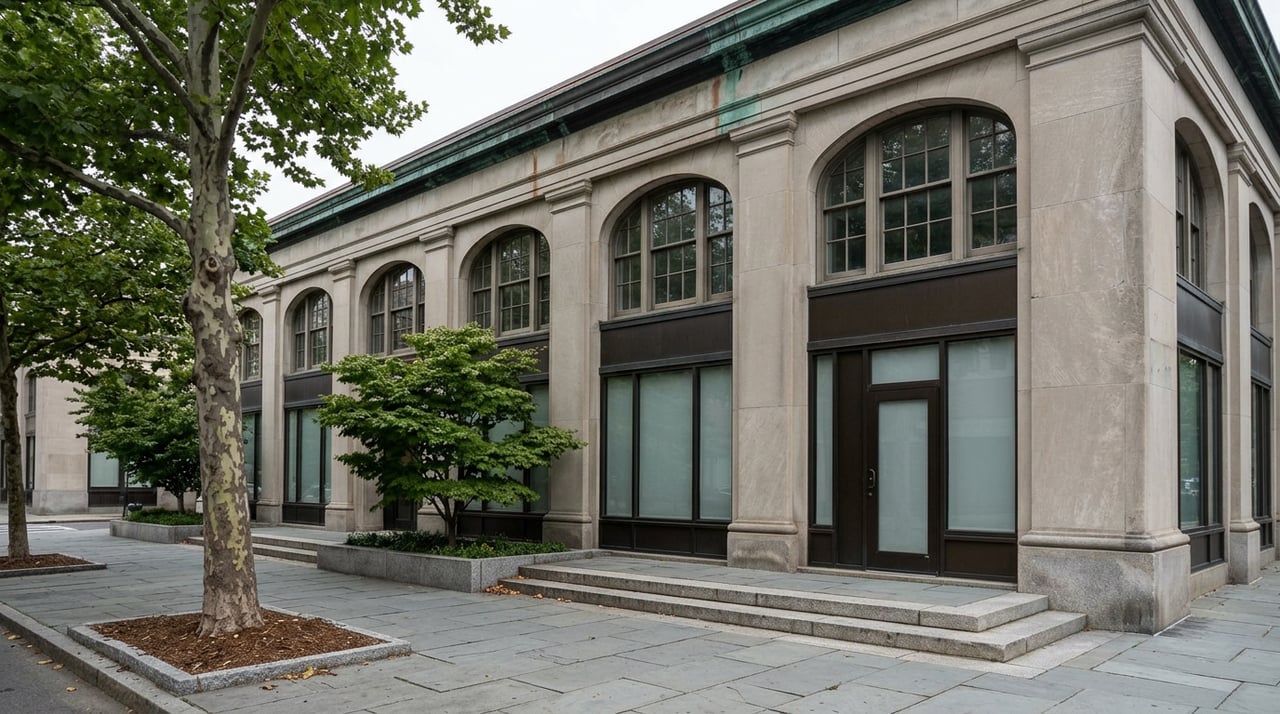
The fix broke ground on October 17, 2025, four blocks away at One Prospect Park West, right on the plaza. Executive Director Chad Cooper put it plainly at the groundbreaking: "We've been bursting at the seams." The new 12,000-square-foot space will hold 13 acoustically designed studios, a 1,450-square-foot performance hall for recitals and concerts, and something BKCM has never had before: a dedicated community room where students and music therapy families can sit together between sessions instead of hovering in a hallway.
The project is also becoming the permanent home of BKCM's new Music Therapy Institute, seeded by a $2 million gift from Billy and Alexis Joel's The Joel Foundation. Alexis and Billy Joel described the goal directly: "We believe deeply in the power of music and it's therapeutic benefits." As of last October, BKCM had already secured $14 million of its $16 million Phase I funding target, with the Joel Foundation, the Morris and Alma Schapiro Fund, and city, state, and federal partners filling out the rest. By April 2026, construction updates on the project showed the acoustically treated subfloor for the performance hall already installed. Registration is currently open for Fall 2026-27 classes at both the original Seventh Avenue campus and the new Prospect Park West building, with BKCM's own materials listing a fall 2026 opening.
This isn't a satellite location padding out a nonprofit's footprint. It's the first time in over 80 years that the Conservatory has had room to grow, and it's opening on the single most trafficked corner of the neighborhood.
The Other Half Of The Plan Doesn't Have A Shovel Yet
Four hundred feet away, a much older idea is having its latest moment. On April 13, 2026, Mayor Zohran Mamdani and NYC DOT Commissioner Mike Flynn unveiled a redesign that would close Grand Army Plaza to through-traffic between Union Street and Eastern Parkway, connecting the Soldiers' and Sailors' Memorial Arch directly to the park entrance for the first time since the plaza was built as a traffic circle. The pitch includes a projected drop of more than 40 percent in travel times for the B41 and B69 buses, two of the routes that grind through the plaza's chronic backups, and a redesign of the stretch of Union Street that DOT itself has described as one of the worst bottlenecks feeding into the circle.
This isn't a new conversation. Brooklyn advocates started pushing for a version of this design back in 2006, when Park Slope and Prospect Heights residents formed the Grand Army Plaza Coalition after a Civic Council forum. DOT floated a full pedestrianization concept in 2022. The idea sat through the back half of the Adams administration without moving. What's different this time is the number attached to community support: when the city surveyed roughly 3,600 residents in 2024 on an earlier version of this concept, more than 85 percent backed the plan to connect the arch, the fountain, and the park.
Support isn't unanimous, and the disagreements are specific rather than reflexive. Architect Jonathan Cohn, who has lived in the neighborhood since 1990, wants the city to go further and remove the loop entirely to make room for movement space, but added: "We shouldn't let perfect be the enemy of the good." Prospect Slope resident Daniel Copperman told the Grand Army Gazette he supports the project's intent but worries about the feeder streets left outside its scope. A Prospect Heights resident of 17 years raised a different objection entirely, pointing out that the plan concentrates traffic onto the plaza's eastern side rather than reducing it.
Public workshops ran April 23, April 25, and April 29, with the online survey open through May 31. As of that reporting, DOT confirmed it has no target date for when construction would start or finish, and the project's budget hasn't been finalized. This is still a scope-development phase, not a groundbreaking.
Two Clocks, One Plaza
Here's the thing a lot of coverage of Grand Army Plaza misses by treating these as one story: they're running on completely different clocks. The music campus has a funded budget, a signed architect in PBDW, a completed groundbreaking, visible construction progress as of this spring, and an opening season on the calendar. The traffic redesign has a mayoral announcement, a supportive majority in a 2024 survey, and two decades of advocacy behind it, but no construction date, no locked budget, and a twenty-year history of similar plans stalling out before they broke ground.
If you've been reading headlines and assuming the whole plaza is mid-transformation, that's only half true. One transformation you'll be able to walk into this fall. The other is still a plan on a a website, worth watching but not worth planning your commute around yet.
What Actually Changes On A Saturday
For now, the texture of an ordinary weekend at the plaza stays close to what it's always been. The Saturday greenmarket, one of the largest in the borough, still spills out toward Bailey Fountain, and it's still the reason locals cite most often when the DOT redesign comes up, since foot traffic there gets tight enough that more than one resident brought it up unprompted in interviews about the plan. The arch is still there to climb on the days a park ranger has it open. The B41 still crawls through the circle at the same pace it always has.
What's new is that by this fall, there will be a building on the plaza's western edge where you can hear a student recital or sign a kid up for a Suzuki violin class, in a space that didn't exist a year ago. And there will be a survey's worth of resident opinions sitting in a DOT file somewhere, waiting on a budget line that hasn't been written yet.
The neighborhood's front door is under construction on one side and under deliberation on the other. Only one of those has a date you can put in your calendar.
If restaurant openings on Fifth and Seventh Avenues are more your speed for tracking what's changing block by block, we've been following that closely too.
For owners thinking about what any of this means for a building near the plaza, that's a different conversation, and it's the one we have every day at Exodus Capital.