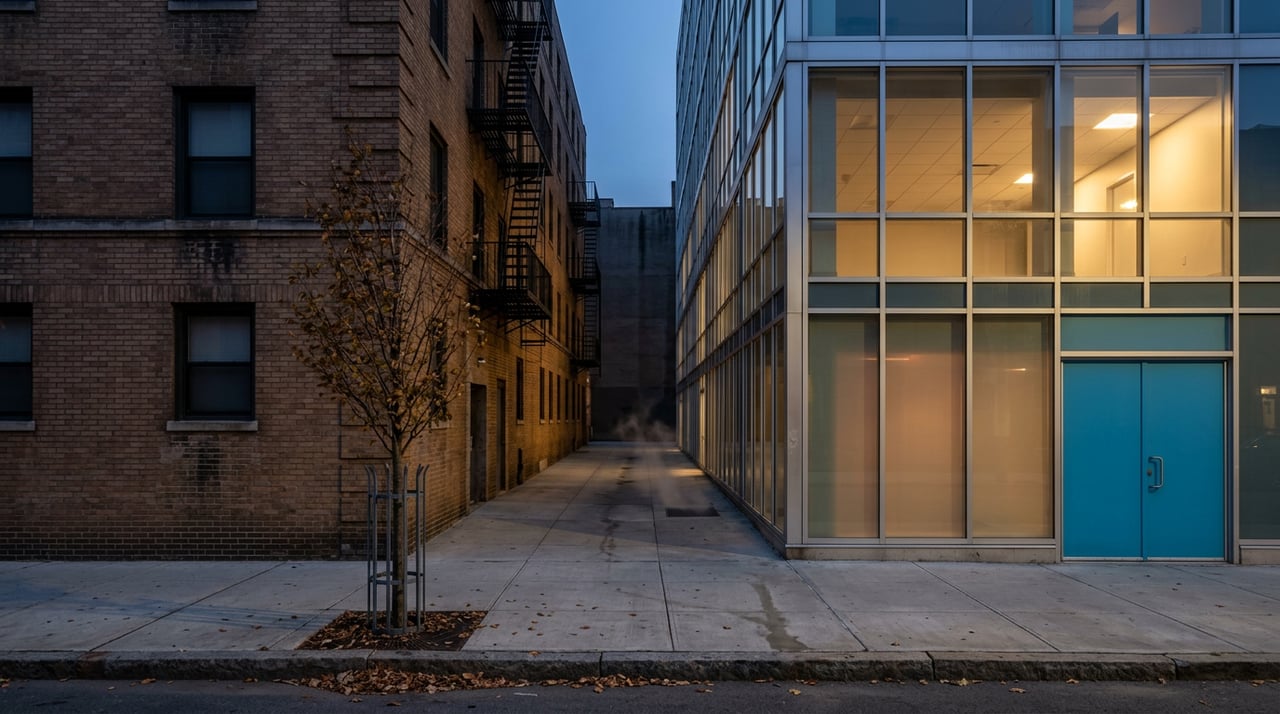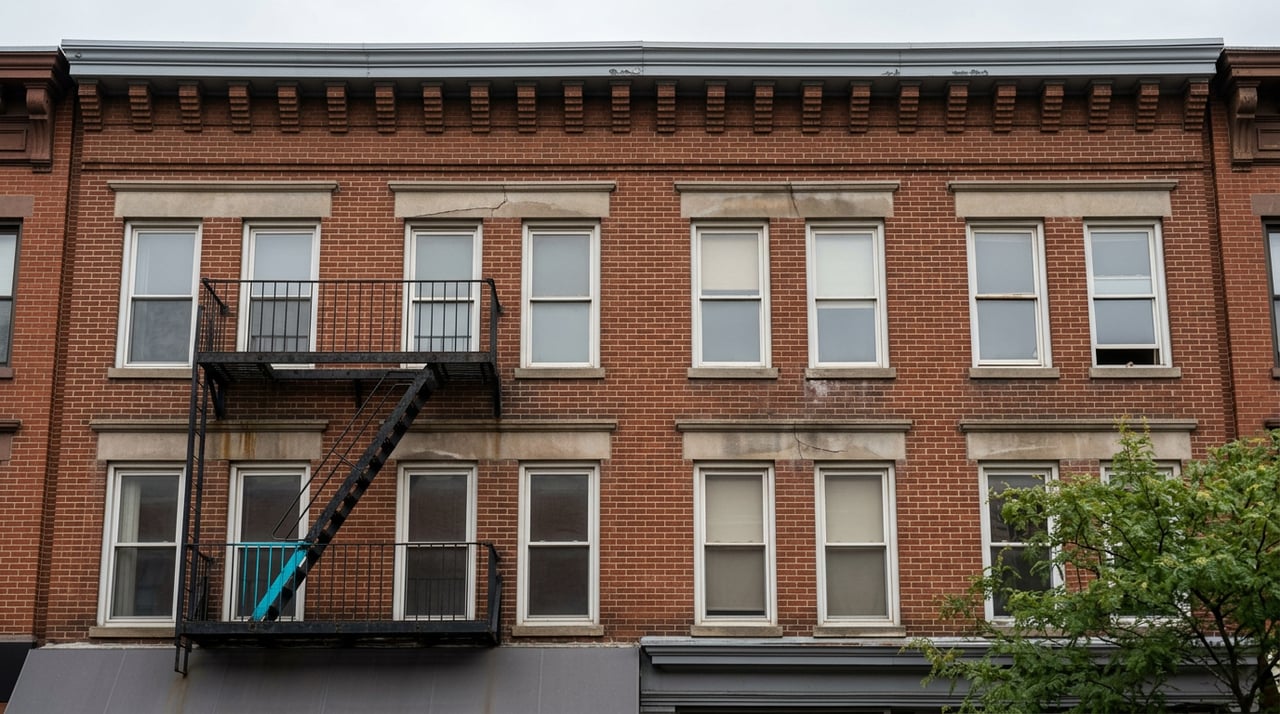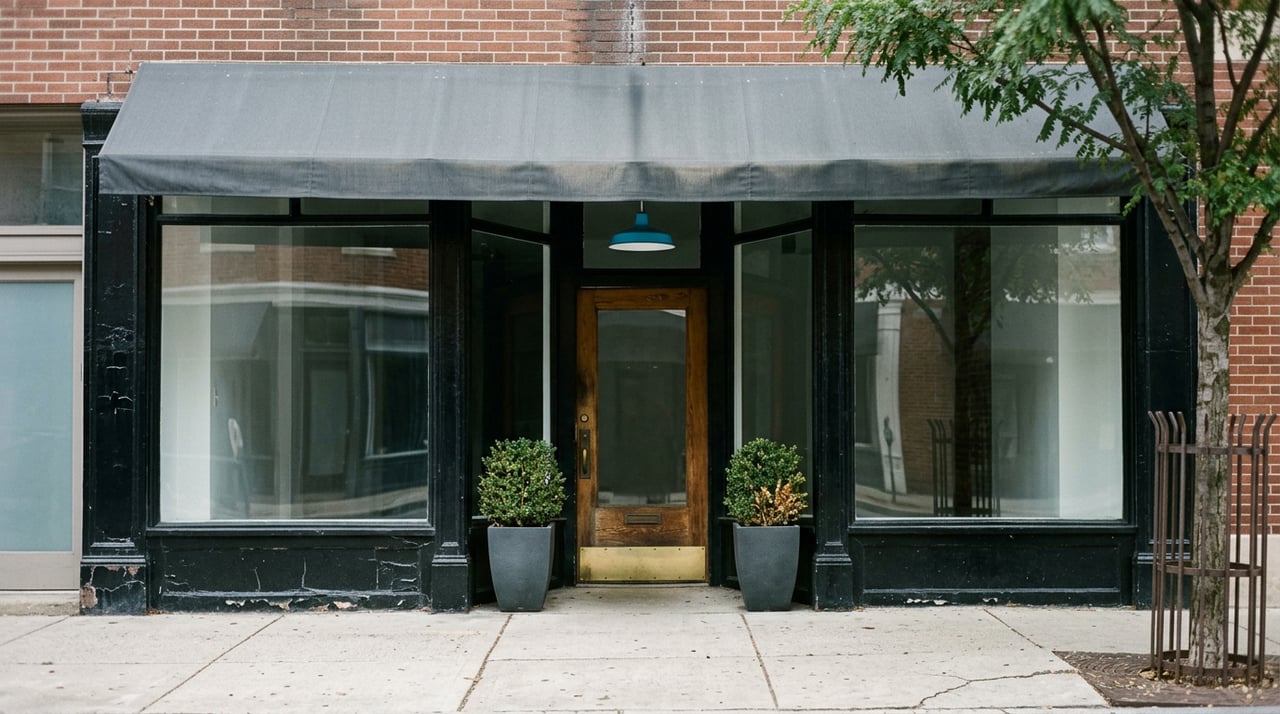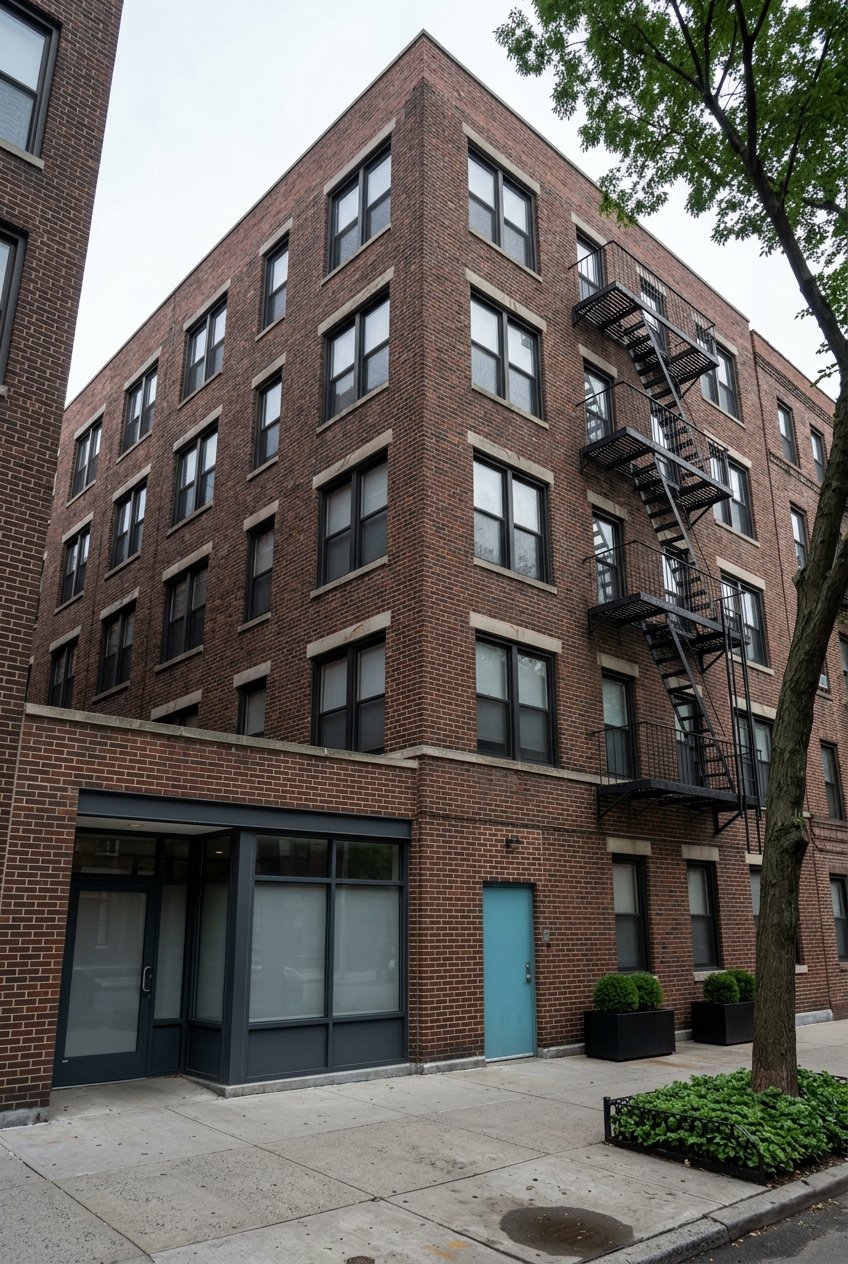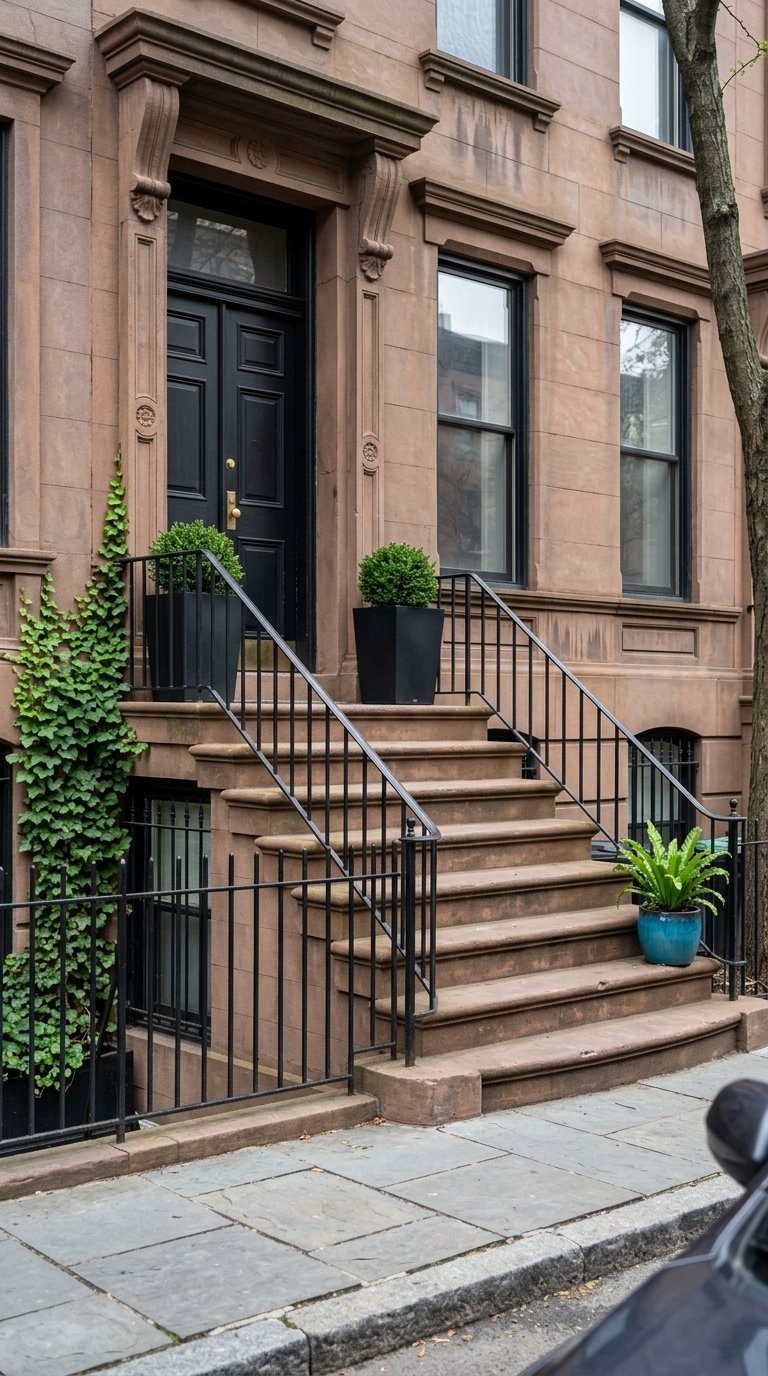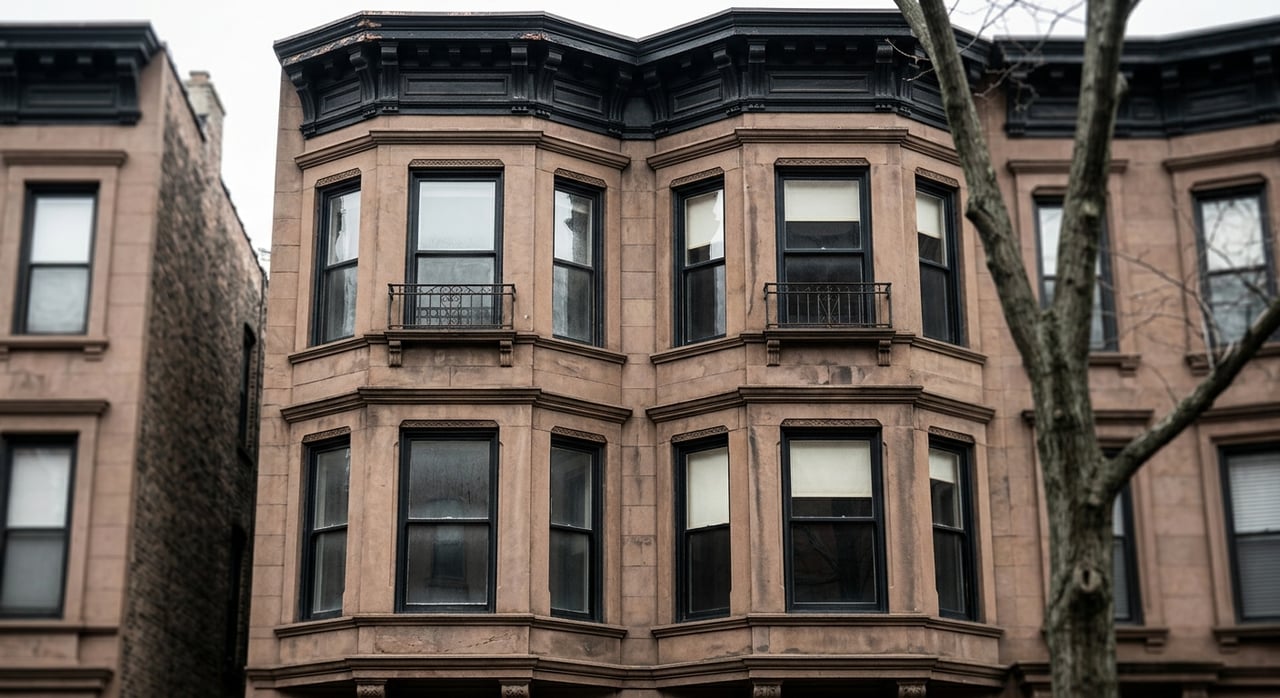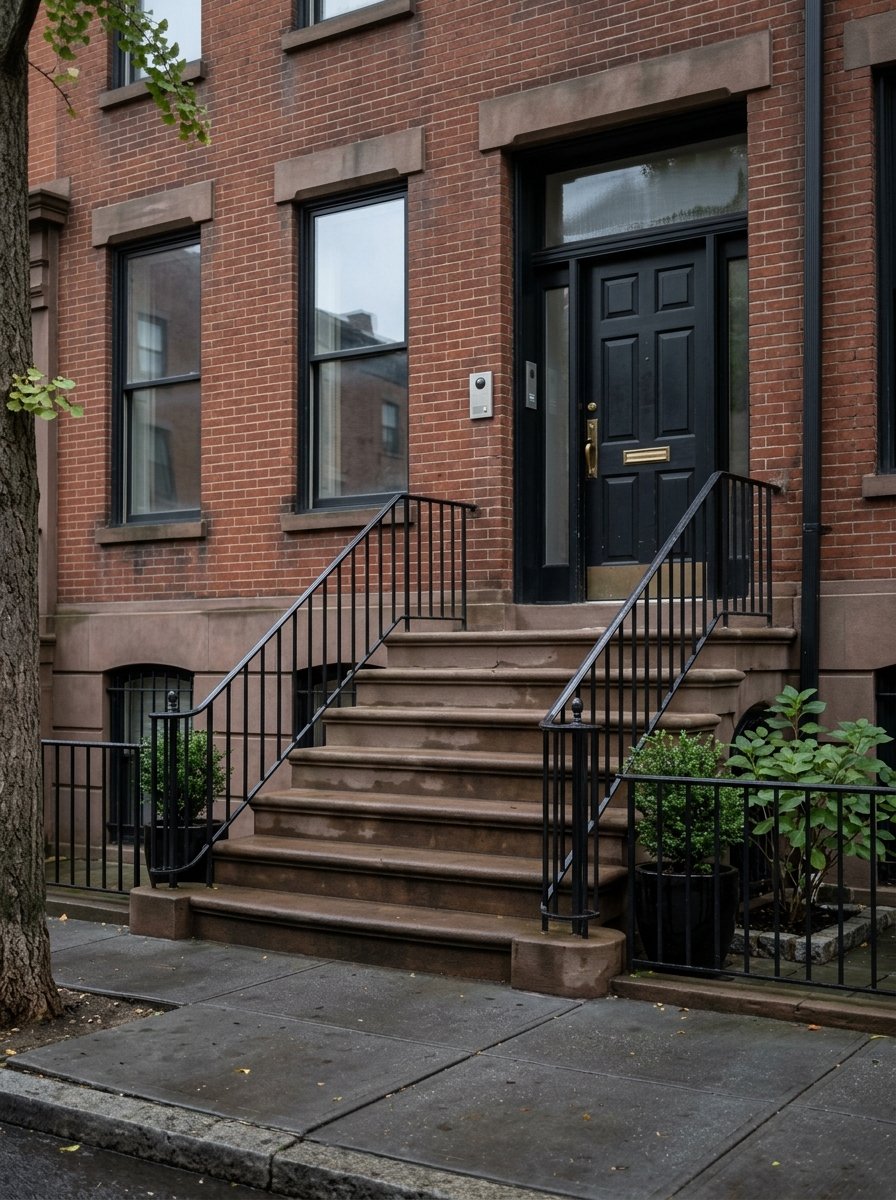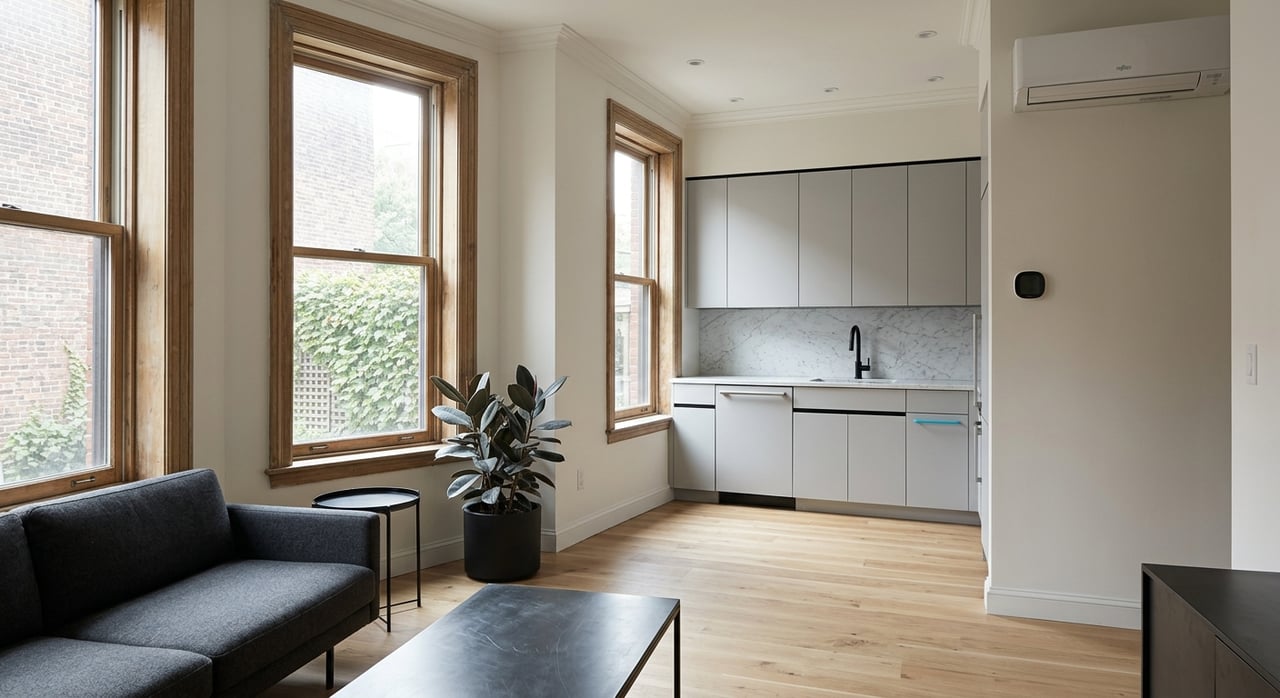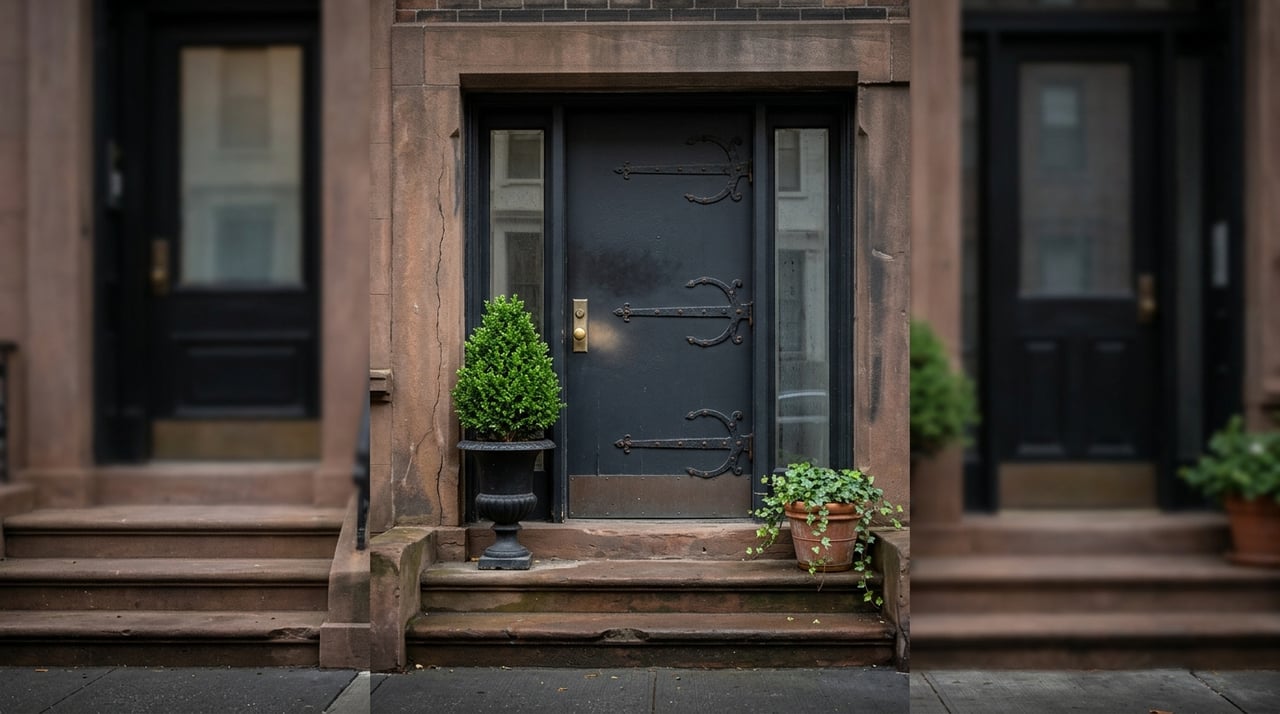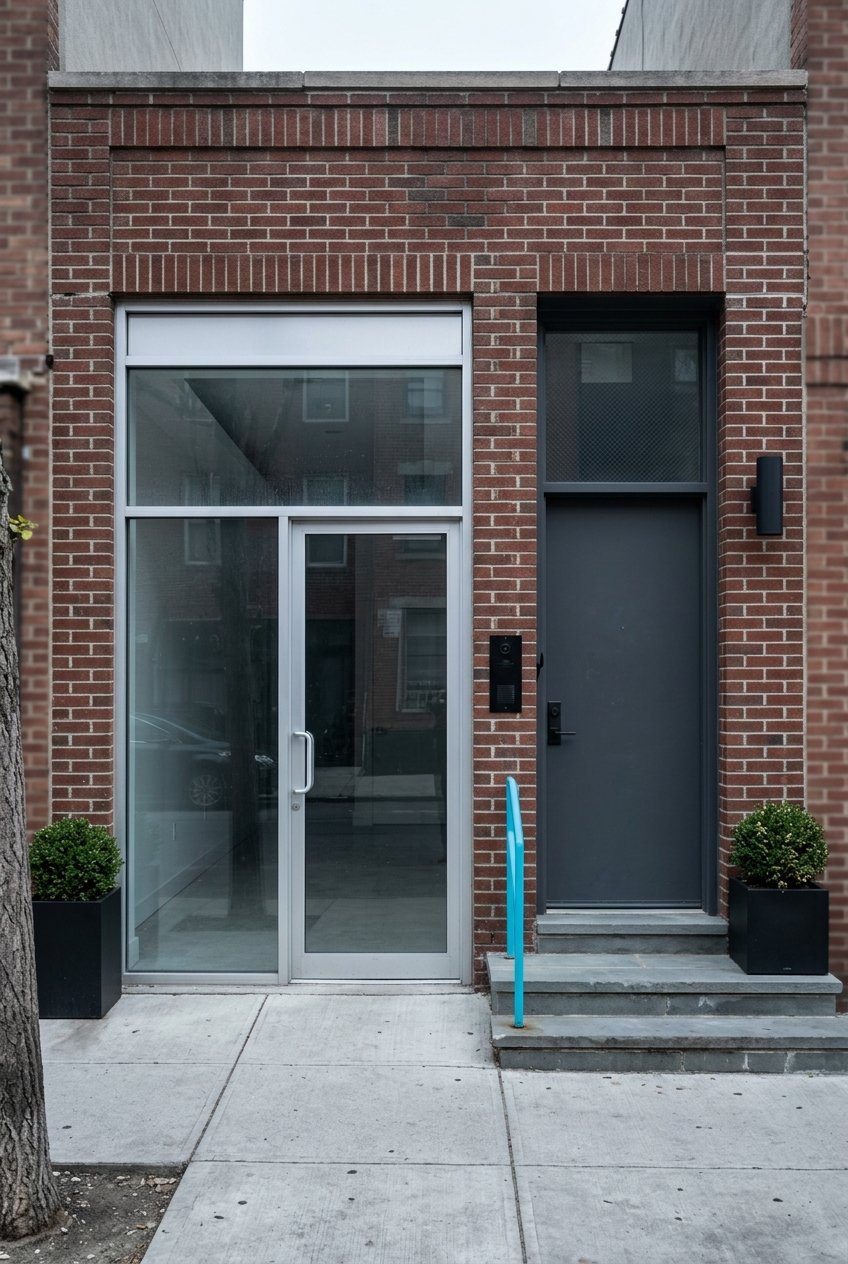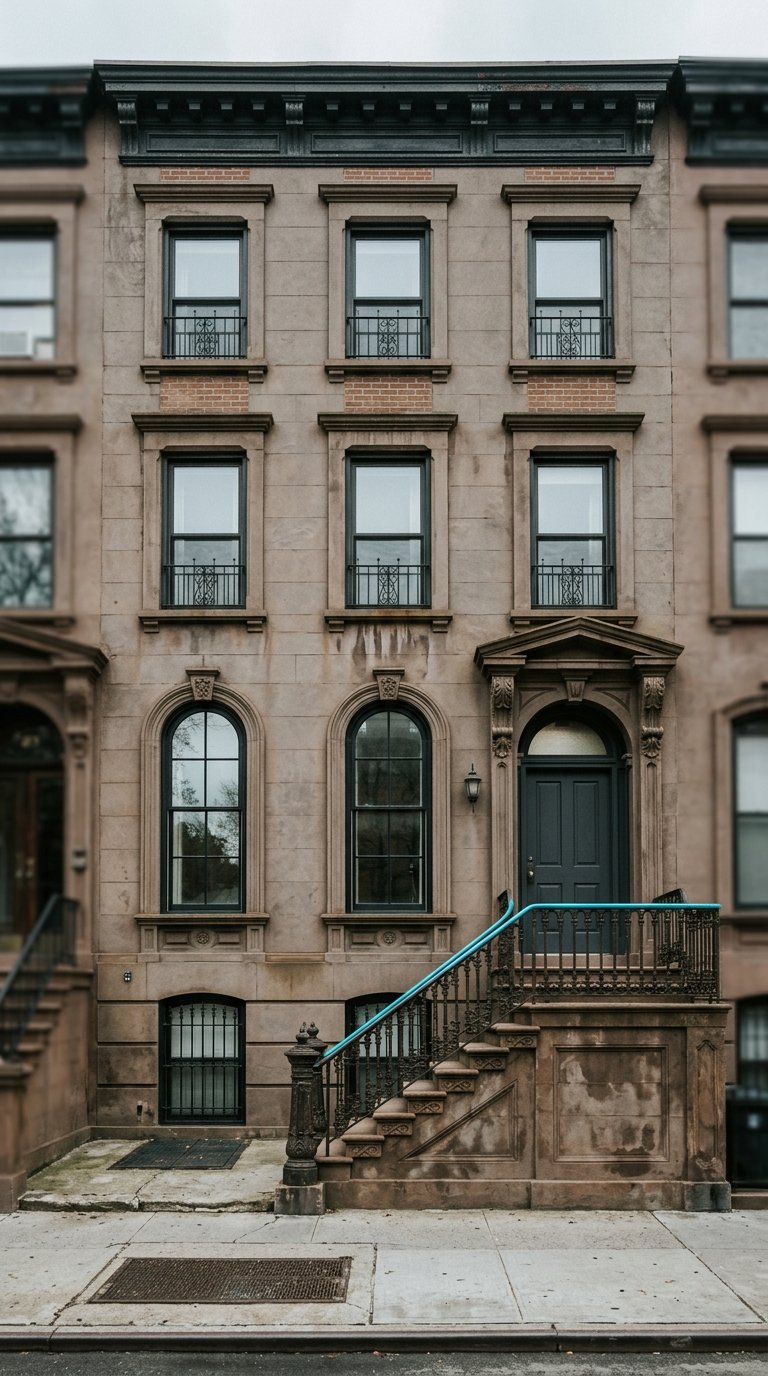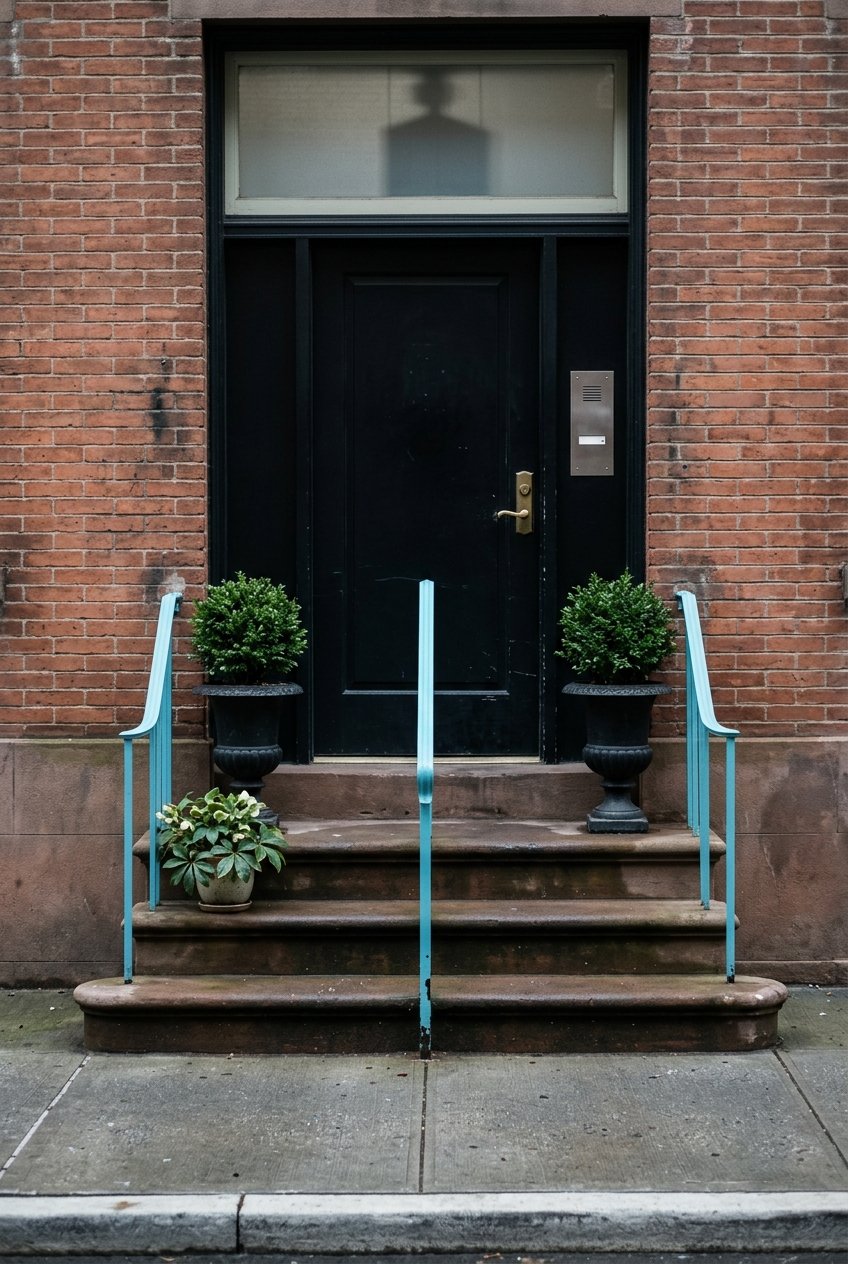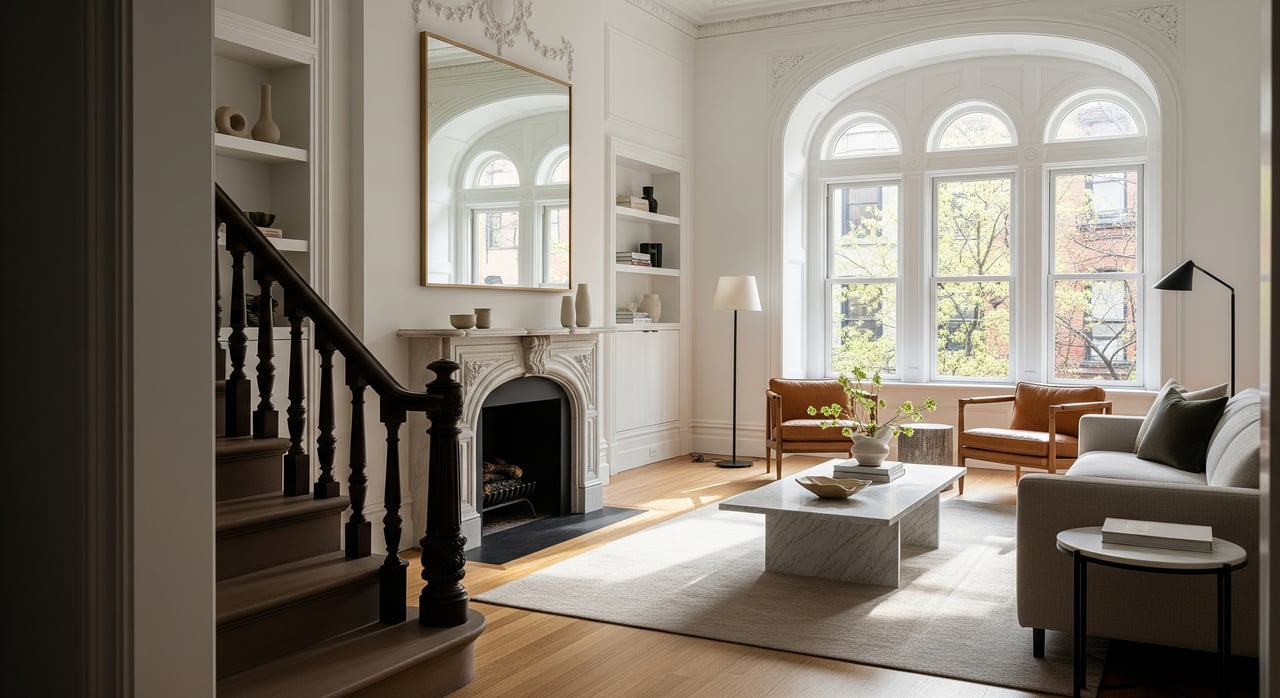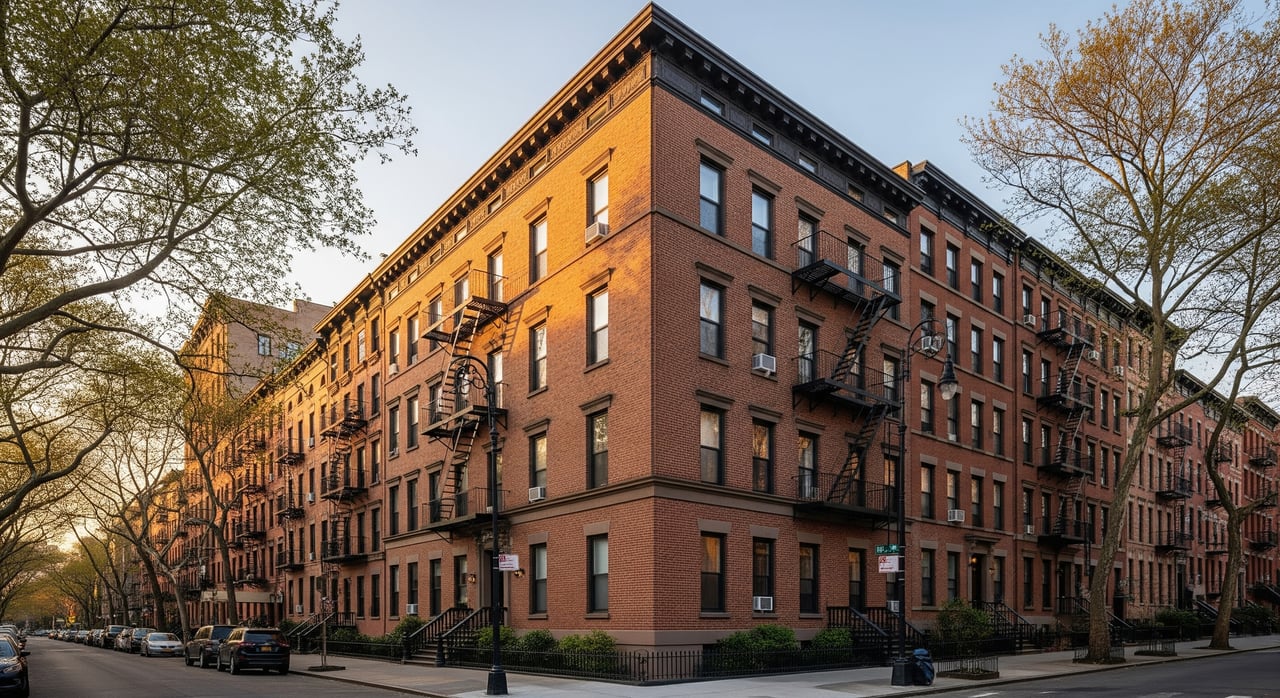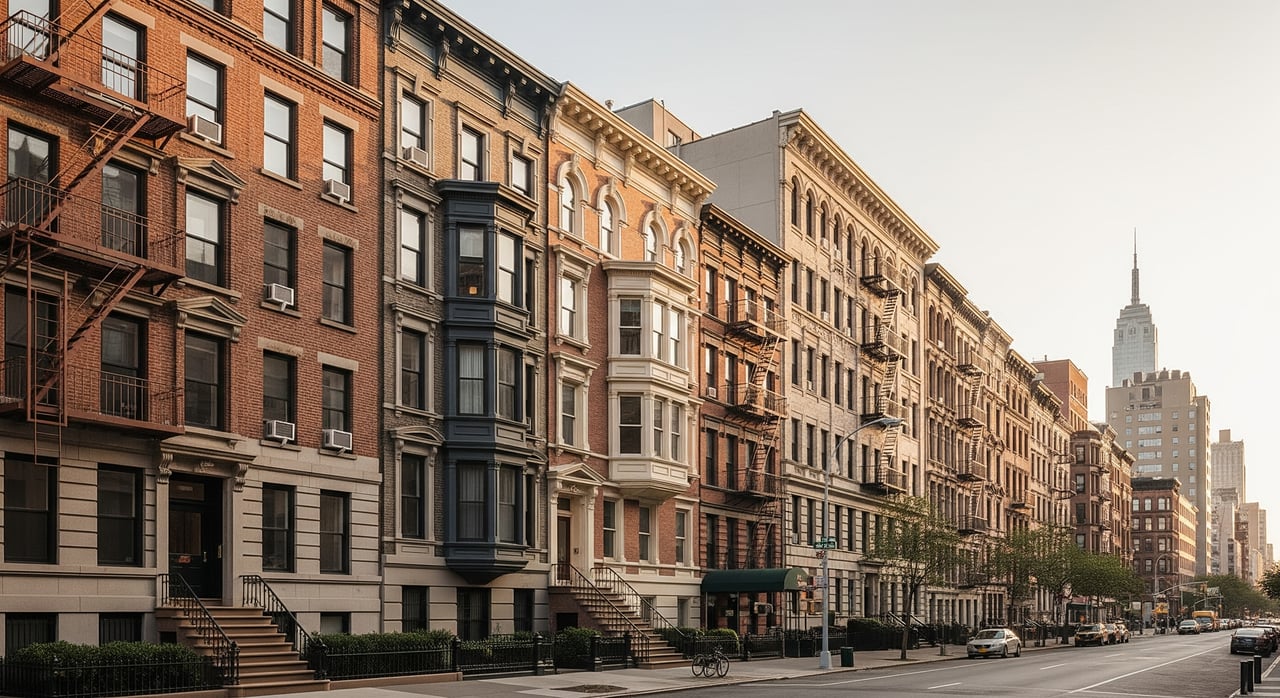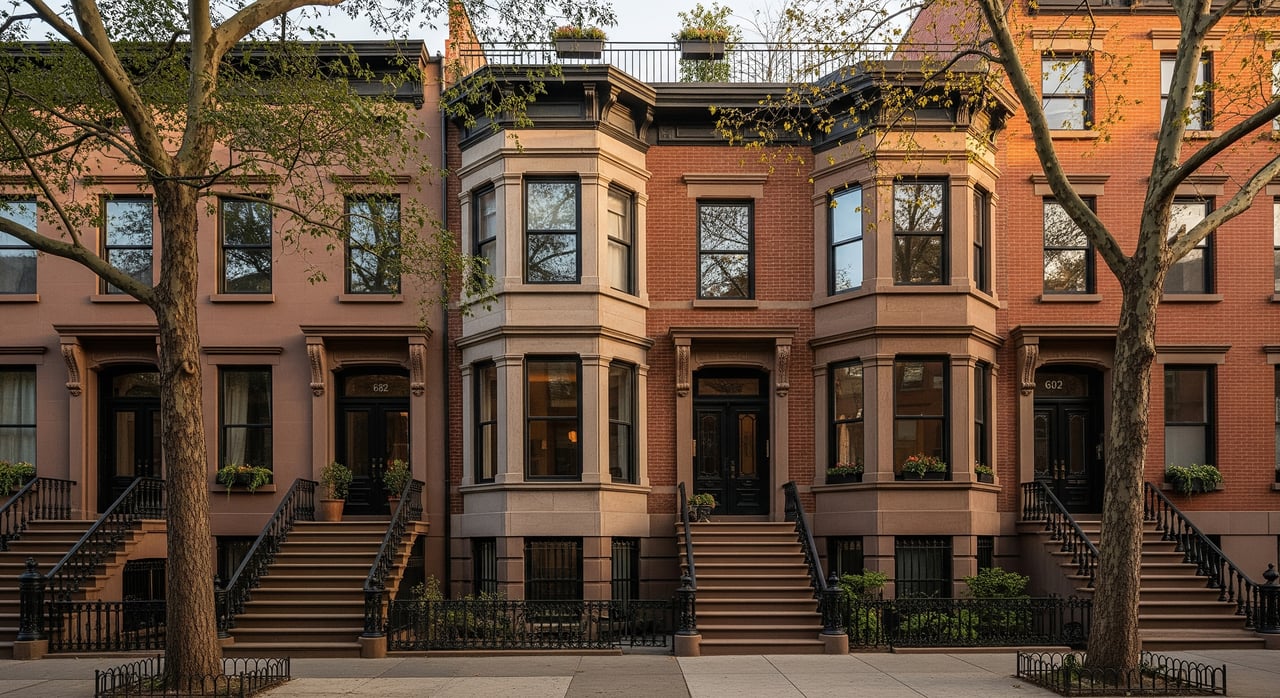
An owner of a six-unit walk-up on President Street called last month with a familiar question. Prospect Park is a block away, the building is fully leased at market rents, and every buyer letter in the mailbox sounds urgent. Is the phone ringing because Park Slope is Park Slope, or is something else pulling capital toward small free-market buildings specifically?
Something else is pulling capital toward small free-market buildings specifically. The regulatory backdrop that has quietly reshaped New York multifamily since April 2024 has now had eighteen months to work through pricing, and the effect on the sub-10-unit segment is no longer subtle.
Good Cause Eviction did not raise the ceiling on small buildings. It removed the ceiling from almost everything else, and the price gap is what a scarcity premium looks like when it prints in the trade tape.
The regulatory line that redrew the buyer pool
Under the Good Cause Eviction law, which took effect statewide on April 20, 2024, market-rate tenants gained protection against non-renewal and against rent increases above a state-published local standard, currently 8.79%, unless a landlord can justify a higher figure in housing court. The state guidance from HPD lays out the mechanics: covered units are effectively renewable at the tenant's option, and increases beyond the local standard require documented cost justification.
Coverage is broader than most first-read summaries suggest. The law reaches landlords who own more than ten residential units anywhere in New York State, even when those units are split across small buildings. So a portfolio of three six-unit walk-ups almost certainly triggers coverage on every apartment inside it, while a standalone six-unit walk-up owned by a single-purpose LLC very likely does not.
The practical result across NYC multifamily is close to total. Market analyst Romain Sinclair estimated in January 2026 that roughly 45% of the city's rental stock sits under Rent Stabilization and a very large portion of the balance now falls under Good Cause. That leaves a narrow, clearly defined universe of buildings that a buyer can underwrite with genuine rent flexibility. Small, single-asset, free-market walk-ups sit inside it. Almost nothing else does.
Layer in the supply side. The 421-a program expired without a direct replacement for the mid-market walk-up profile, and its successor, 485-x, caps individual projects at 99 units to avoid higher-wage construction requirements and demands 20% affordability. New sub-10-unit free-market product is not coming online at any meaningful pace, and construction costs make speculative walk-up development uneconomic. The pool is fixed and shrinking through consolidation.
What the Q1 2026 tape actually shows
Alpha Realty's Q1 2026 Multifamily Market Report, which covers the five boroughs, is the cleanest read on how this is pricing. Their data shows:
| Segment | Q1 2026 metric | YoY change |
|---|---|---|
| NYC multifamily, all sizes | 275 transactions, ~$1.75B volume | +19.6% count, +16.3% volume |
| Average deal size, citywide | $6.8M | +5% |
| Sub-10-unit segment, citywide | 148 transactions | +12.1% count, +22.2% volume |
| Brooklyn, all sizes | 105 transactions, $502.4M volume | Flat volume, avg $5.1M |
| Brooklyn sub-10-unit share | 83 of 105 borough trades | 79% of Brooklyn count |
Two lines matter for a Park Slope owner. First, the sub-10-unit segment's dollar volume grew almost twice as fast as its transaction count, which means price per building rose within the segment, not just the number of trades. Second, four out of every five Brooklyn multifamily trades in the quarter were sub-10-unit. Brooklyn is, at this point in the cycle, a small-building market.
The Bisnow reporting from mid-2024 already flagged the mechanism when Meridian Capital Group's Helen Hwang told the outlet that the biggest development in the market was Good Cause becoming legible enough to underwrite. What was directional then is now measurable.
A comp priced in daylight
The clearest recent Park Slope reference point closed the gap between theory and pricing in April 2026, when Alpha Realty listed a three-building mixed-use portfolio at 420, 426, and 428 7th Avenue, between 13th and 14th Streets. The offering totals 14,792 square feet across 13 residential units and 3 commercial spaces, 100% free-market, gut-renovated over the prior four years, and sits in Tax Class 2A/2B, which caps annual assessment growth.
Asking terms:
- Price: $16,200,000
- Per square foot: approximately $1,095
- Projected NOI: $964,429
- Cap rate: 6.0%
- Gross rent multiplier: 14.5x
Read the structure of that ask. Each individual building averages under six residential units, keeps 100% free-market status, and carries Tax Class 2A/2B protection. It is engineered to sit on the correct side of every regulatory line that matters, and it is being marketed at a cap rate that would have looked aggressive for a Brooklyn walk-up in 2022 and now reads as market for the specific slice of inventory that behaves this way. A comparable rent-stabilized asset one avenue over would need to clear a materially wider spread to draw the same buyer.
For a President Street owner benchmarking value, the practical takeaway is not the headline PSF. It is the combination of attributes the seller was able to preserve and market: single-asset ownership structure, free-market status intact, renovation completed under prior rules, and a tax class that protects underwriting on the buy side. Buildings that check those boxes are the ones drawing the aggressive letters.
Where the friction lives
The premium is real, but it is not automatic. The transactions that clear at the top of the range in Park Slope share a few features that owners tend to underestimate until due diligence starts.
Ownership structure disclosure. Good Cause coverage turns on whether the landlord owns more than 10 residential units across all New York State holdings. A single-purpose LLC on the building being sold is not enough if the beneficial owner sits behind a broader portfolio. Buyer counsel will ask, and the answer changes the rent roll's underwriting.
Rent history for every unit. Even a "100% free-market" building can carry stabilization exposure if any unit was ever registered, deregulated under the pre-2019 vacancy rules, or received J-51 benefits that a prior owner failed to disclose. HSTPA closed most of the exits, and buyers are pricing tail risk into any building without a clean DHCR history pulled and reviewed before contract.
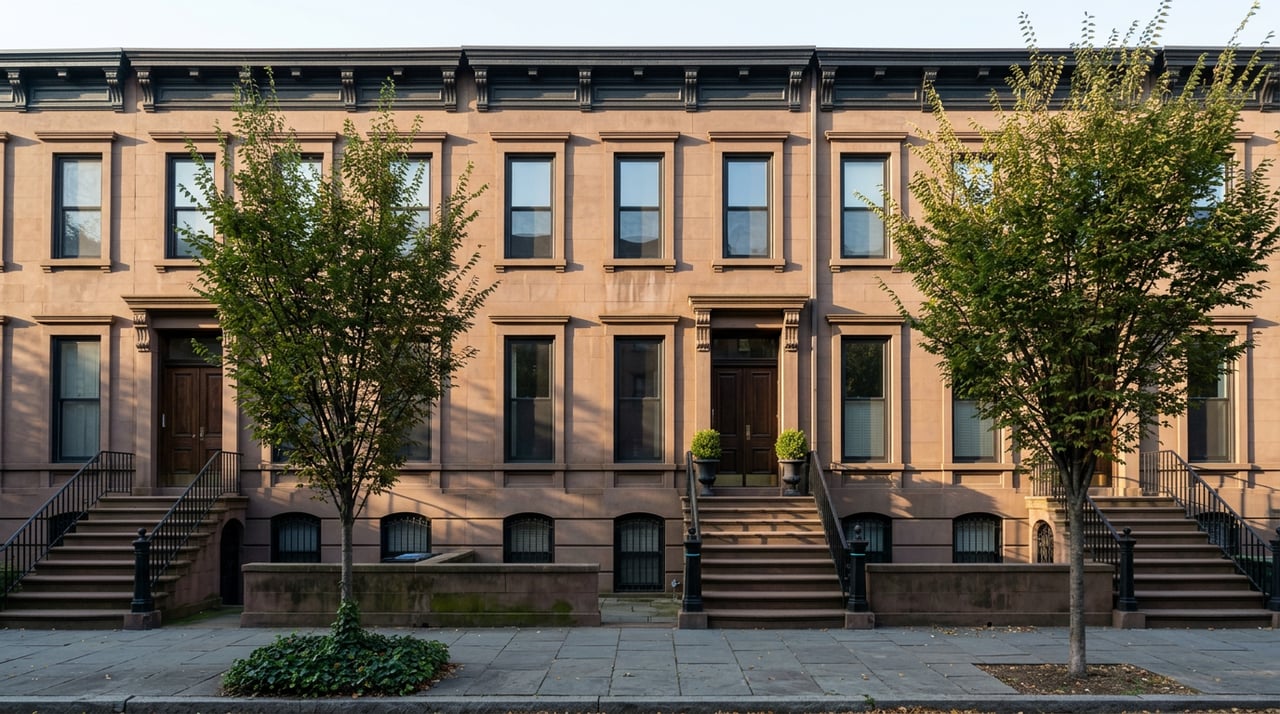
Landmarks Preservation Commission review. Park Slope's Historic District covers most of the brownstone blocks around President Street. LPC approval is not a sale-day issue, but any capital plan a buyer is underwriting, facade, windows, mechanicals visible from the street, extends the timeline for value-add scenarios and gets priced accordingly.
Estate and commercial-tenant complications. The Park Slope buildings that trade fastest are single-owner, single-purpose LLCs with clean leases. Estate sales, unresolved partition claims, or a commercial tenant with an option to extend add weeks and can move price by hundreds of basis points on the buy side. Working these out before going to market is where a seller captures the premium instead of donating it back in negotiation.
Typical Park Slope disposition timing for a clean, well-positioned small building: offers within weeks of a controlled marketing process, and 60 to 90 days from contract to closing, with additional time for Landmarks or estate matters. Owners who cannot commit to that timeline generally leave money on the table by testing the market prematurely.
Two questions this raises
Does the premium survive if interest rates fall? A rate cut would compress cap rates across the board, but the relative gap between sub-10-unit free-market and larger stabilized product is a function of regulation, not rates. The pool of buildings with genuine rent flexibility does not grow when the Fed moves. Absolute prices could rise across the market and the small-building premium would still hold on a relative basis.
Does the Mamdani administration change the calculus? Mayor Mamdani took office in January 2026 and signed executive orders focused on tenant protection and expediting housing production. Industry expectation is that a straight rent freeze does not clear legal review, but the administration will keep pressure on landlord operations. That policy overhang is one more reason capital is concentrating in the segment where operational flexibility is protected by size rather than by political weather.
What actually gets priced at the top of the range? Free-market status verified through a full DHCR pull, clean single-purpose LLC ownership, no J-51 history, renovations completed and documented, and a tax class that does not step up post-sale. The comp set is narrower than most owners assume, and the letters in the mailbox are pricing the average of the segment, not the top.
Owners of small Park Slope walk-ups have a specific window in this cycle. The buyer pool is deep, the comps are printing, and the regulatory reasons for the premium are structural rather than sentimental. What separates a top-of-range outcome from a market-clearing one is the work done before the building goes to market, not the marketing itself.
Exodus Capital advises Park Slope owners on positioning small multifamily and mixed-use assets for disposition, including rent-roll and DHCR review, ownership-structure planning, and the buyer outreach that captures the current premium. To discuss your exit strategy, reach the team here.